

In the annals of South Asian diplomacy and literature, few figures bridge the gap between bureaucracy and the arts as seamlessly as Saman Athaudahetti. A retired high-ranking government official from Sri Lanka, Athaudahetti is a household name on the island, known for his diverse roles as an advisor to former President Ranil Wickremesinghe, an Additional Secretary, a television presenter, an accomplished author, and a poignant lyricist. However, his latest endeavor—a sprawling, cross-continental journey through the veins of the Indian Railway network—marks a transition from the corridors of power to the rhythmic clatter of the tracks.
For Athaudahetti, India has long been a familiar destination, though usually framed by the constraints of officialdom. Having visited the neighboring giant 30 to 40 times for work and short holidays, the "dream" of truly experiencing the vastness of the Indian Railways remained elusive until his retirement. Now, with the leisure of a traveler and the eye of a documentarian, he has embarked on a mission to capture the soul of India through its most iconic institution.
Main Facts: A Project of Literary and Diplomatic Significance
The centerpiece of Athaudahetti’s journey is an upcoming book, a travelogue that seeks to serve as a cultural bridge between Sri Lanka and India. Supported by the India-Sri Lanka Foundation—a trust fund established by the governments of both nations to foster bilateral relations—the project is more than a personal diary; it is a sanctioned exploration of shared heritage and modern progress.
The book, which will initially be published in Sinhala with a subsequent English translation planned, aims to document the sheer scale of the Indian Railways. Athaudahetti’s itinerary was nothing short of Herculean: he traversed 17 Indian states and nine railway zones, crossing diverse geographies that ranged from the humid tropics of the south to the rugged elevations of the Himalayas.
Accompanied by his brother, Asoka Athaudahetti, who served as the project’s visual documentarian, Saman sought to record not just the technical specifications of the stations, but the lived experiences of the millions who inhabit this "state within a state." From interviews with station masters to casual conversations with commuters, the project aims to humanize the massive infrastructure that moves over 20 million people daily.
Chronology of the Journey: From the Eastern Frontier to the Southern Tip
Athaudahetti’s journey was meticulously planned to cover the "extremes" and "uniques" of the Indian network. The chronology of his travel reflects a desire to see the parts of India that remain hidden from the typical tourist circuit.
The Easternmost and Highest Points
The expedition took the duo to Ledo in Assam, the easternmost station of the Indian Railways. In the shadow of the Patkai hills, this location serves as a poignant reminder of the railway’s role in connecting the furthest reaches of the subcontinent. From the lowlands of Assam, they ascended to Ghoom in Darjeeling, West Bengal. At an altitude of 2,258 meters (7,407 ft), Ghoom is the highest railway station in India and a UNESCO World Heritage site, famous for its "Toy Train."
Engineering Marvels and Border Curiosities
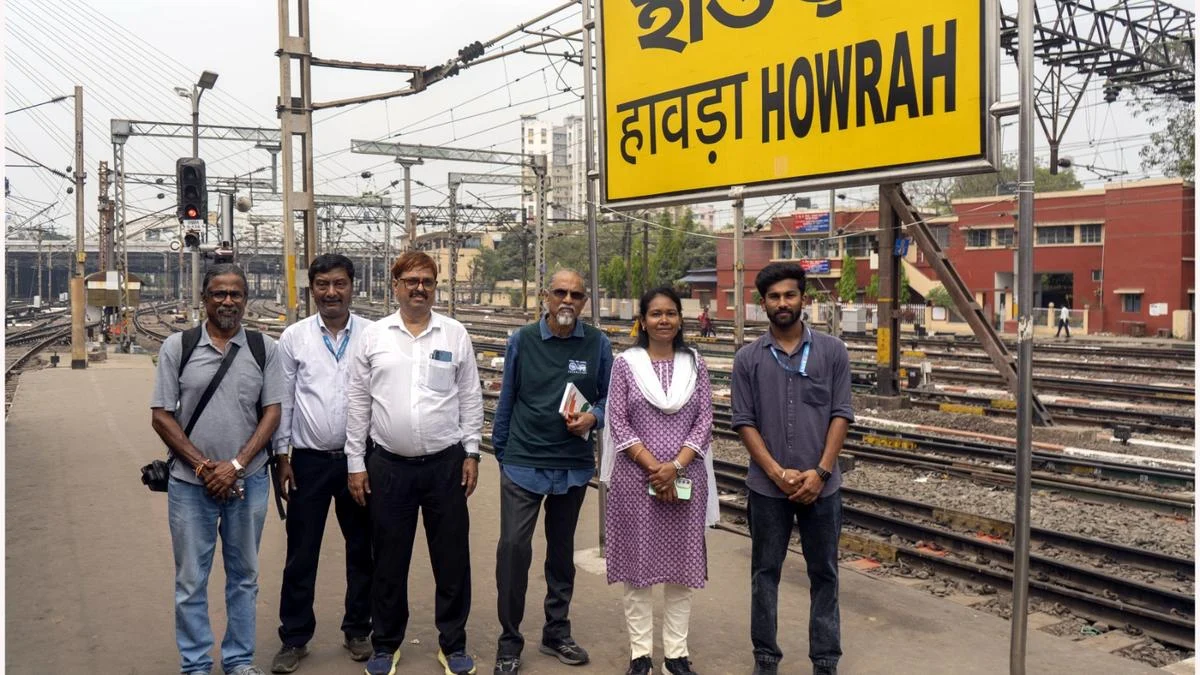
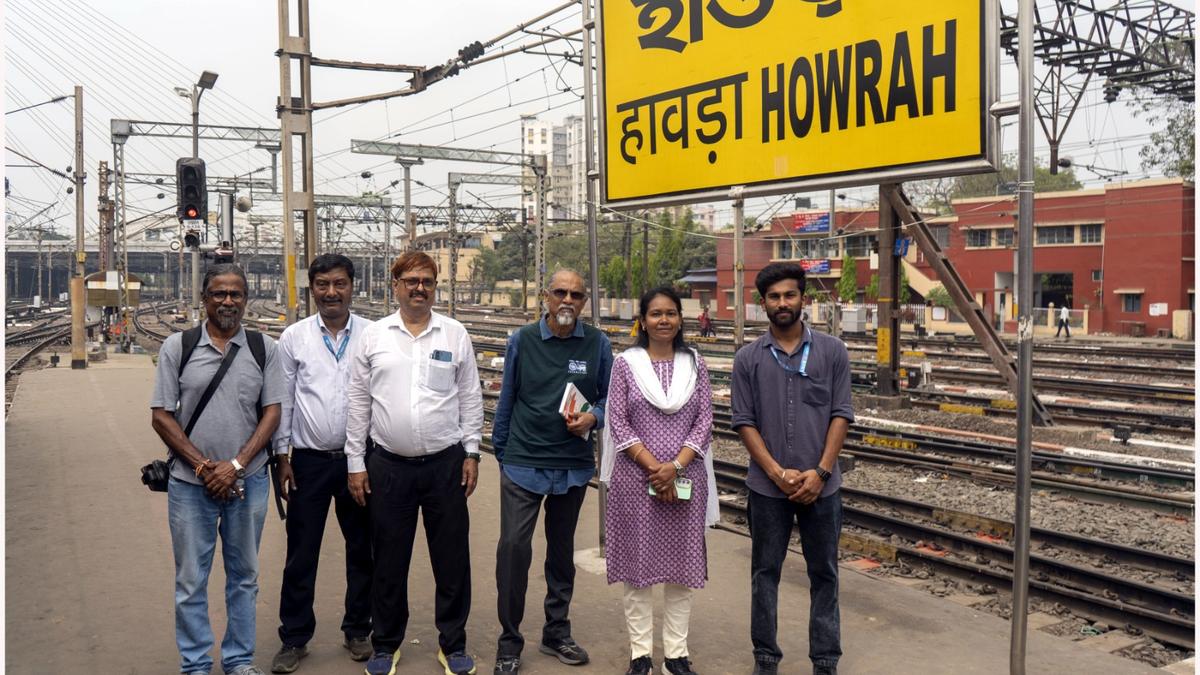
The itinerary also included Gorakhpur Junction in Uttar Pradesh, which boasts the second-longest railway platform in the world, and Howrah Junction in West Bengal, a station that handles a volume of passengers and trains that Athaudahetti described as "simply amazing."
One of the most peculiar stops was Navapur, a station uniquely situated exactly on the border of Gujarat and Maharashtra. "The platform here is split between the two states," Athaudahetti noted, highlighting the administrative and cultural curiosities that only a rail journey can reveal.
The Southern Reach
The journey also touched the southern terminus at Kanyakumari, where the three seas meet. Here, the focus shifted from the mechanics of the rail to the culinary and cultural landscape of Tamil Nadu and Kerala, completing a loop that saw the travelers move from the borders of Myanmar to the edge of the Indian Ocean.
Supporting Data: The Modernization of a Colonial Legacy
A significant portion of Athaudahetti’s observations centered on the evolution of the Indian Railways. Both India and Sri Lanka inherited their railway systems from the British Empire. In Sri Lanka, the network was largely built to transport tea from the hill country, often using labor from South India—the ancestors of the Malaiyaha Tamils.
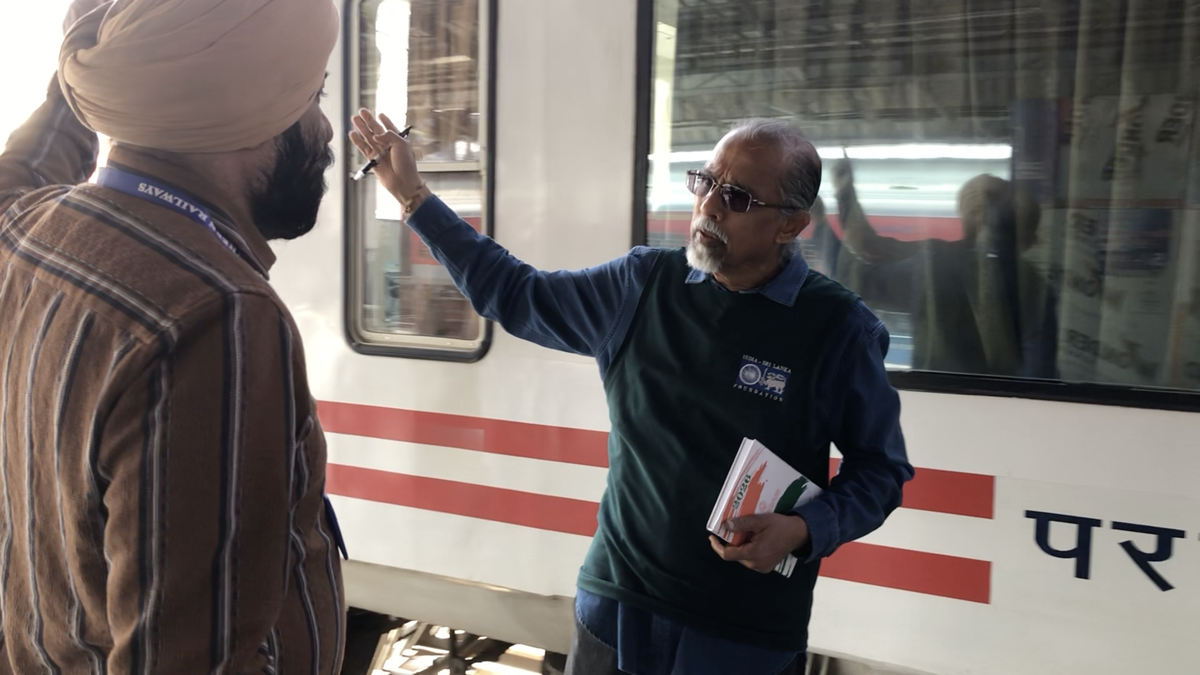
However, Athaudahetti notes that the Indian Railways has outgrown its colonial roots to become a leader in technological integration. His observations provide supporting data for the "New India" narrative:
- Digitization and Efficiency: Athaudahetti was struck by the transition from paper to pixels. "Ticket checkers who would earlier carry those files are now using tabs," he observed. He praised the integration of apps that provide real-time PNR status, arrival times, and the ability to order gourmet meals directly to one’s seat.
- Cleanliness and Infrastructure: While acknowledging that "some exceptions" exist, he pointed to a marked improvement in the cleanliness of coaches and stations over the last 15 years. He emphasized that the maintenance of public spaces is a dual responsibility, noting, "Cleanliness depends on the passengers, it’s not only up to the railway authorities."
- High-Speed Ambitions: The traveler was particularly impressed by the Vande Bharat express trains, India’s indigenous semi-high-speed rail service. He also looked forward to the 2027 launch of the bullet train connecting Mumbai and Ahmedabad, seeing it as the next frontier for the network.
Official Responses and Logistics
The success of such an expansive project was contingent upon high-level cooperation. Athaudahetti expressed deep gratitude for the logistical support provided by Indian authorities. Specifically, he credited Dinesh Sood, Senior Principal Private Secretary to the Member (Infrastructure) of the Railway Board, for facilitating the complex itinerary and arranging interviews with key officials.
The Indian Railway staff, from senior executives to ground-level employees, welcomed the Sri Lankan delegation with open arms. Athaudahetti remarked that the relationships formed during the trip have transcended professional boundaries, with many staff members now part of his personal social circle, sharing daily greetings and updates via WhatsApp.
The India-Sri Lanka Foundation’s involvement highlights the diplomatic weight of the project. By funding a Sri Lankan author to document Indian infrastructure, the foundation is betting on "soft power" to strengthen the ties between the two nations, using the shared history of the rails as a common language.
Implications: A Culinary and Human Tapestry
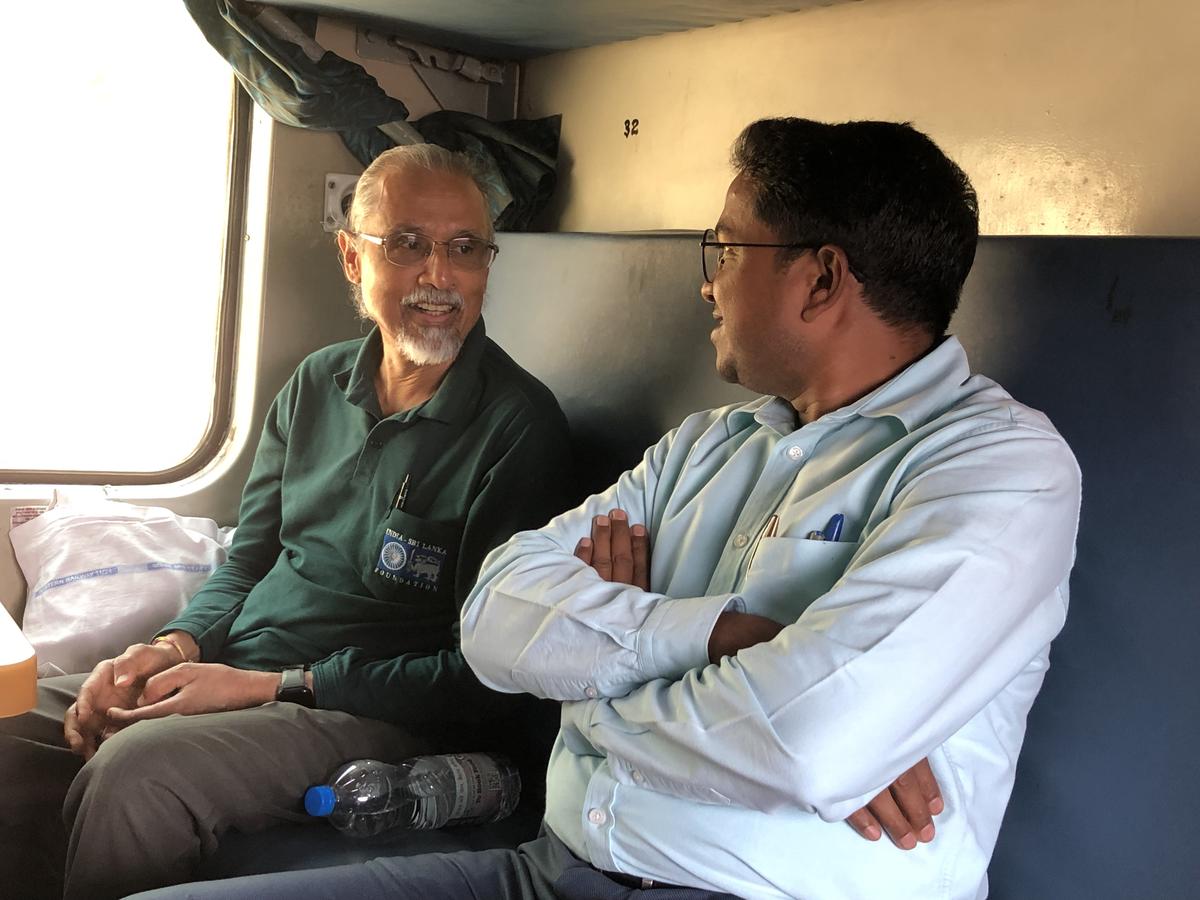
Beyond the steel and steam, the true implication of Athaudahetti’s journey is the realization of India’s "beauty of diversity." For a visitor from a relatively compact island like Sri Lanka, the sheer variety of Indian life was a revelation.
The Culinary Map
Athaudahetti’s recollections are peppered with the flavors of the subcontinent. He described a "culinary trip" that included:
- Kanyakumari: Fresh, spice-laden seafood.
- Tamil Nadu: The complex aromatics of Chettinad curries.
- Varanasi: The delicate, frothy sweetness of Malaiyo.
- Jammu: Hearty Rajma (kidney beans) served with rice.
- Assam vs. Mumbai: The linguistic and culinary confusion of "Bombay Duck" (a fish) in the west versus actual bird dishes in the east.
The Spirit of Hospitality
Perhaps the most enduring implication of the trip was the human connection. Athaudahetti recounted a specific instance at Ledo station where a traffic jam threatened to derail their schedule. Raja Das, a pointsman at the station, invited the hungry travelers into his modest home.
"His mother and wife quickly cooked a meal just for us—rotis, rice, fish, and vegetables. It was truly delicious. I will never forget the family’s warmth," Athaudahetti said. This anecdote serves as a microcosm for the entire project: the idea that despite the massive scale of the Indian Railways, it is the individual acts of kindness and the domestic warmth of its employees that keep the system moving.
Conclusion: The First Leg of a Lifelong Fascination
At 68, Saman Athaudahetti shows no signs of slowing down. While his current journey has provided enough material for a substantial volume, he views this as merely "the first leg." The vastness of the Indian Railways—with its thousands of stations and millions of stories—is too great to be captured in a single pass.

As he prepares to publish his findings in Sinhala, Athaudahetti is already looking toward the horizon. His journey underscores a vital truth about the relationship between India and Sri Lanka: while politics and economics may fluctuate, the shared human experience of travel, food, and hospitality remains a permanent bridge. For this retired statesman, the tracks do not just lead to a destination; they lead to a deeper understanding of a neighbor, a culture, and a dream finally realized.
