New Delhi & Bengaluru – The classical performing arts landscape is abuzz with a series of captivating new productions, each poised to offer audiences profound artistic experiences and thought-provoking narratives. From the intricate rhythms of Bharatanatyam to the evocative storytelling of Odissi, these upcoming presentations showcase a vibrant fusion of established traditions and contemporary interpretations, promising to resonate deeply with discerning patrons. The diverse themes explored, ranging from spiritual devotion and epic sagas to the very essence of human existence, highlight the enduring power of classical dance to engage, inspire, and reflect the complexities of our world.
Aayam’s "Nrityadhara 3": A Celebration of Lineage and Devotion in Bharatanatyam
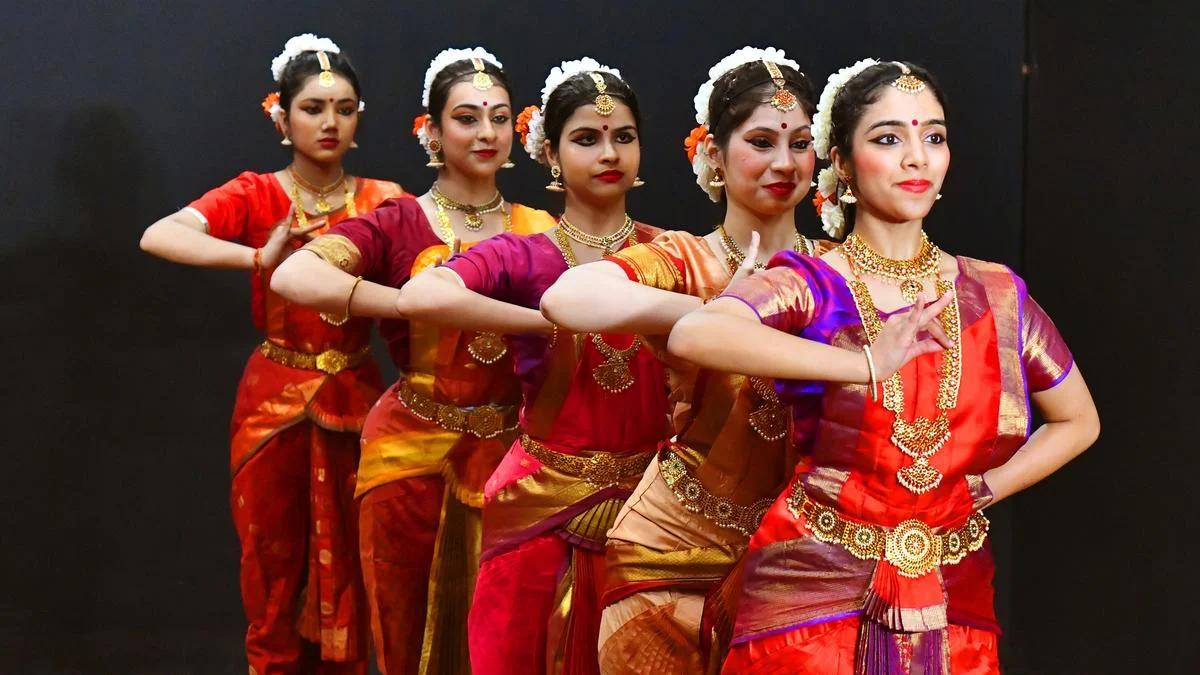
New Delhi is set to witness a grand spectacle of Bharatanatyam with Aayam’s annual showcase, "Nrityadhara 3." Conceived and directed by the esteemed Guru Sindhu Mishra, this production promises to be a profound exploration of learning, lineage, and the spiritual underpinnings of this ancient Indian classical dance form. More than 100 dancers are expected to grace the stage, weaving a narrative tapestry through the expressive power of rhythm, emotion, and storytelling.
The evening’s program is meticulously curated to guide the audience through a spiritual and artistic journey. It commences with a deeply contemplative "Guru Stuti," drawing inspiration from the devotional poetry of Meerabai. Performed by senior disciples, this opening piece sets a tone of reverence and dedication. This is followed by a dynamic "Chatusra Alarippu," a pure dance composition choreographed by Guru Sindhu Mishra herself, showcasing intricate footwork and body movements that embody the foundational elements of Bharatanatyam.
The program continues with a "Jathiswaram" in a mesmerizing "Ragamalika" (a medley of ragas), set to the complex "Misra Chapu Tala." This piece will highlight the dancers’ technical prowess and their ability to navigate intricate rhythmic patterns with grace and precision. A moment of profound emotional depth will arrive with an "Abhinaya" piece titled "Krishna nee begane baro." This segment, focusing on expressive storytelling through facial expressions and gestures, will undoubtedly touch the hearts of the audience as it depicts the longing for the divine.
Further enriching the repertoire, the intermediate students of Aayam will present "Shivashtakam," a powerful rendition of the celebrated hymn composed by the revered Adi Shankaracharya. This performance is expected to convey the awe-inspiring grandeur and cosmic dance of Lord Shiva through intricate choreography and intense emotional expression.
The youngest prodigies of Aayam will then take center stage with "Angikam Bhuvanam," a sacred invocation to Lord Shiva often introduced to beginners in Bharatanatyam. This segment underscores the importance of foundational learning and the transmission of spiritual values through dance. Following this, junior students will present a "Pushpanjali" dedicated to Lord Ganesha, the remover of obstacles. This piece will showcase their developing skills in both rhythmic accuracy and expressive interpretation, highlighting the nurturing environment at Aayam.
The grand finale of "Nrityadhara 3" will be the energetic and captivating "Kalinga Nartanat Thillana." This climactic piece, depicting Lord Krishna’s triumphant dance upon the serpent Kalinga, is sure to leave the audience spellbound with its vibrant energy and intricate choreographic patterns.
Key Details:
- Production: Nrityadhara 3
- Presented by: Aayam
- Director/Choreographer: Guru Sindhu Mishra
- Date: June 5
- Time: 6:30 p.m.
- Venue: LTG Auditorium, New Delhi
- Entry: Free (Registration required on Aayam’s homepage)
Nrityantar’s "Draupadi’s Mahabharata": A Vision Through the Eyes of the Epic’s Protagonist
In Bengaluru, the Nrityantar Dance Ensemble is set to unveil a compelling Odissi production titled "Draupadi’s Mahabharata… the epic that began with her." This ambitious work, choreographed and staged by the accomplished Odissi dancer Madhulita Mohapatra and her troupe, promises a fresh and deeply personal perspective on one of India’s most revered epics. The production will be presented across two performances, offering ample opportunity for audiences to witness this unique artistic interpretation.
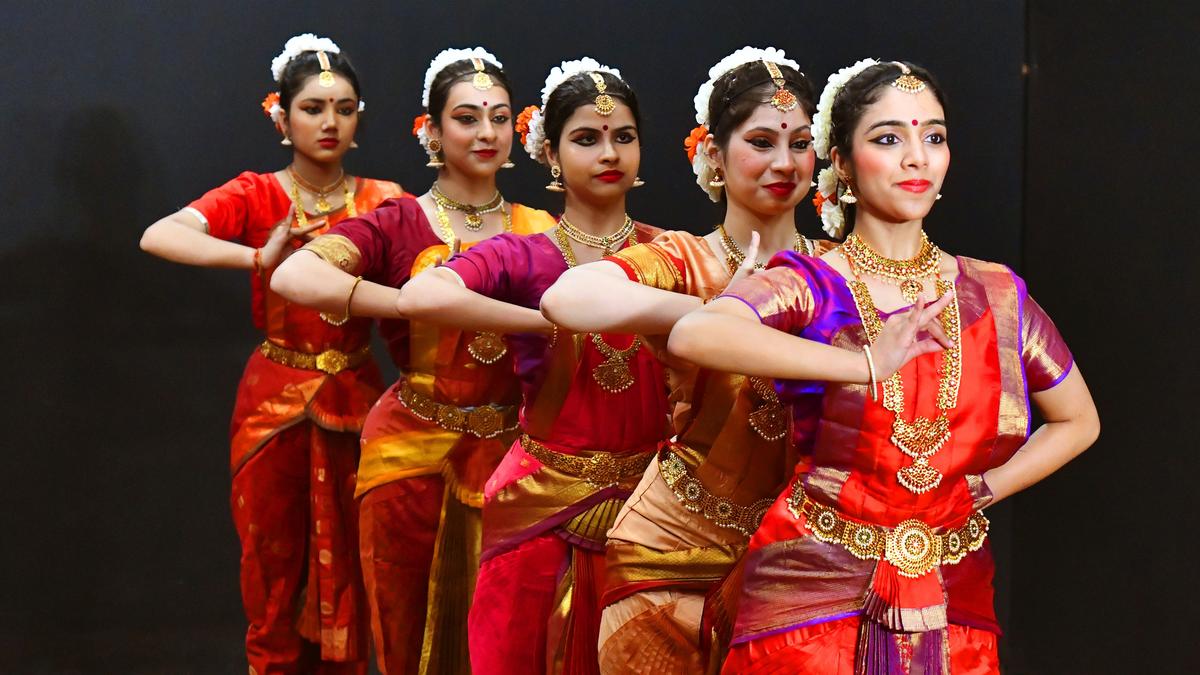
"Draupadi’s Mahabharata" delves into the epic narrative not through the lens of its male heroes, but through the experiences and emotional journey of Draupadi, the central female protagonist. As Madhulita Mohapatra explains, "It is a retelling of the Mahabharata through the eyes of Draupadi. The production traces defining moments of the epic – Draupadi’s swayamvara, the fateful dice game, her public humiliation in the Kuru court, the long and devastating war, and its haunting aftermath – not as isolated episodes, but as a continuous moral journey." This focus on Draupadi’s perspective promises to imbue the familiar story with new layers of complexity and emotional resonance, highlighting themes of agency, resilience, and the profound impact of personal choices on a grand, historical canvas.
The dance itself is deeply rooted in the classical grammar of Odissi, a style renowned for its fluid movements, graceful gestures, and sculptural poses. Mohapatra’s choreography is described as a seamless fusion of this inherent sculptural precision with layered "abhinaya" (expressive storytelling) and a strong theatrical flow. This approach aims to not only showcase the technical brilliance of Odissi but also to convey the intricate emotional landscape of Draupadi’s life and the epic’s moral dilemmas with heightened dramatic impact.
The narrative is further enriched by literary contributions. Drawing inspiration from Maharishi Vyasa’s seminal Mahabharata, the poetic inputs are provided by Ashtavadhani Balachandra Bhat in Sanskrit and Kedar Mishra in Odia. This cross-lingual collaboration adds layers of linguistic and cultural depth to the production, ensuring that the poetic nuances are captured effectively. The musical score, a crucial element in any classical dance production, is composed by Rupak Kumar Parida, while the rhythm composition is meticulously crafted by the renowned Guru Dhaneswar Swain. The synergy between these artistic elements is expected to create an immersive and powerful theatrical experience.
Key Details:
- Production: Draupadi’s Mahabharata… the epic that began with her
- Presented by: Nrityantar Dance Ensemble
- Choreography & Direction: Madhulita Mohapatra
- Dates: June 7
- Times: 3:30 p.m. and 7:30 p.m.
- Venue: Jagriti Theatre, Whitefield, Bengaluru
- Tickets: Available on BookMyShow
"Rhythms of Life": Opera and Odissi Converge in a Unique Fusion
In a groundbreaking collaboration, the Centre for Peace and Performing Arts (CPPA) presents "Rhythms of Life," a two-hour odyssey that promises to be an exploration of the human condition through a captivating blend of classical and contemporary artistic expressions. This ambitious production, staged in Bengaluru, will see the unexpected and harmonious convergence of opera and Indian classical dance forms, including Odissi and Bharatanatyam.
The performance, scheduled for June 5 at Jagriti Theatre, Whitefield, is conceived as a journey through the various phases of human existence, brought to life through music, movement, and poignant storytelling. At its core, "Rhythms of Life" is an exploration of universal themes, weaving together diverse artistic traditions to create a unified and impactful narrative.
The opening segment of the evening is particularly innovative, featuring opera by Aastha Mohapatra layered with intricate Odissi choreography. This fusion sets the tone for the rest of the performance, signaling an intent to push artistic boundaries and create dialogues between seemingly disparate art forms. The collaboration is further enhanced by the presence of accomplished Odissi dancers Rinjini Mitra and Baisali Mohanty, alongside guest Bharatanatyam performer Raksha Karthik, promising a rich visual and kinetic experience.
Following the operatic opening, the program transitions into a series of traditional Odissi dances. These include "Shankara Pallavi," a pure dance exploration of the "Pallavi" form, often characterized by its rhythmic complexity and gradual unfolding of movement patterns; "Panchabhootam," likely an exploration of the five elemental forces; "Bibhushana Pushpe," possibly a devotional piece; and "Lalita Lavanga," which might evoke themes of beauty and grace.
Interspersed with these classical pieces are original CPPA productions that delve into contemporary social and emotional landscapes. "The Child Within" is described as a piece that reflects how grief and pain can lead individuals back to the innocence and joy of childhood. This suggests a deeply introspective and perhaps cathartic exploration of human emotions. Equally compelling is "She Exists," a work that tackles the themes of resilience in conflict-ridden spaces and the inherent strength of women. What makes these CPPA productions particularly significant is their incorporation of "real voices of children and women CPPA has worked with." This powerful inclusion ensures that the performances are not merely artistic expressions but also acts of bearing witness, giving voice to those whose experiences often go unheard.
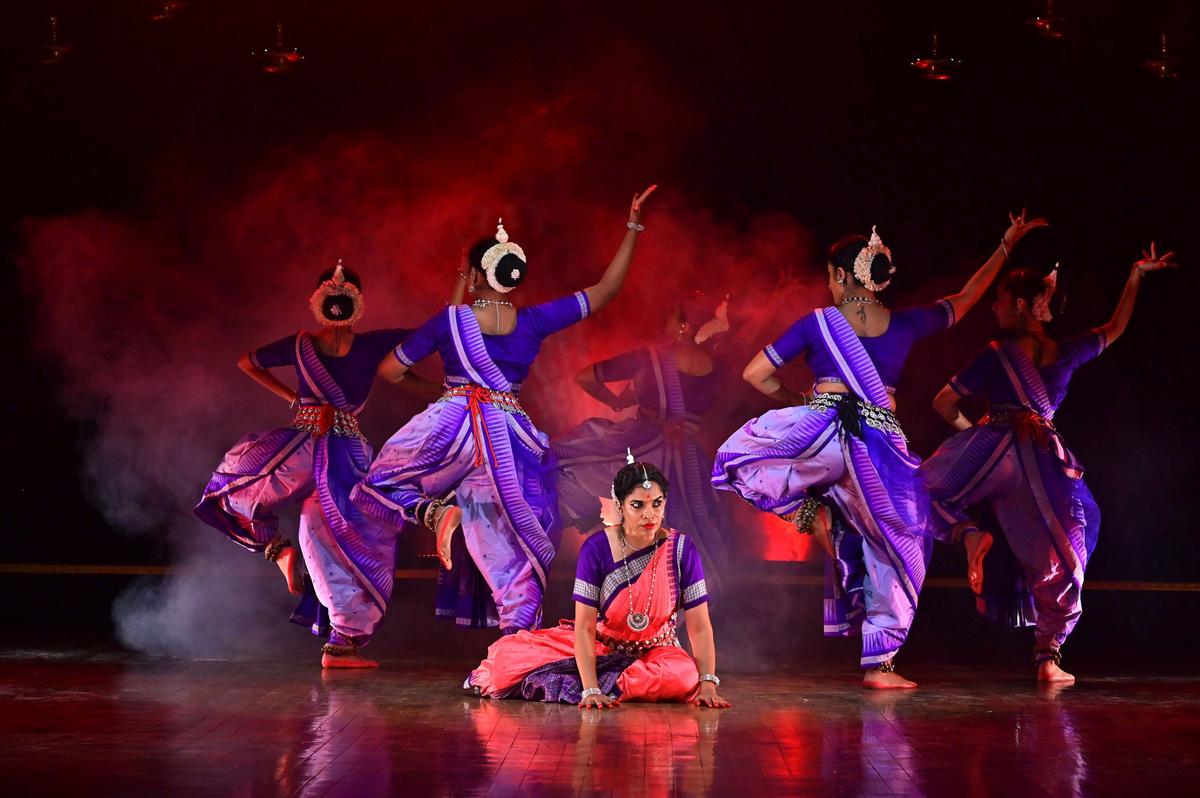
The evening culminates in the CPPA’s "Peace Anthem," a piece that premiered earlier at the Delhi Peace Festival. This anthem, with music, lyrics, and choreography created entirely in-house, serves as a powerful call for unity and understanding. Rinjini Mitra highlights the significance of this piece, emphasizing that it is a testament to the transformative power of artistic expression in fostering peace.
The Centre for Peace and Performing Arts (CPPA), founded in 2021 by Odissi dancer and choreographer Baisali Mohanty, operates as a global non-profit registered in both the United Kingdom and India. Its mission is to bring together artists, cultural practitioners, and peacebuilders, harnessing the transformative potential of artistic expression to foster dialogue, empathy, and positive social change. "Rhythms of Life" stands as a testament to this mission, showcasing how classical art forms, when approached with innovation and a commitment to social relevance, can create profound and meaningful experiences.
Key Details:
- Production: Rhythms of Life
- Presented by: Centre for Peace and Performing Arts (CPPA)
- Conceived by: Baisali Mohanty
- Featuring: Rinjini Mitra (Odissi), Baisali Mohanty (Odissi), Raksha Karthik (Bharatanatyam), Aastha Mohapatra (Opera)
- Date: June 5
- Time: 7:00 p.m.
- Venue: Jagriti Theatre, Whitefield, Bengaluru
- Tickets: Available on BookMyShow
Implications and the Future of Classical Arts
The emergence of these diverse and thematically rich classical dance productions signals a vibrant and evolving landscape for the performing arts in India. The trend towards exploring nuanced narratives, personal perspectives, and contemporary social issues within the framework of traditional forms is particularly noteworthy.
"Nrityadhara 3" exemplifies the ongoing commitment to preserving and propagating the core values and technical brilliance of Bharatanatyam, while also emphasizing the importance of lineage and spiritual connection. The inclusion of dancers across different skill levels, from beginners to seasoned performers, highlights a holistic approach to artistic development and community engagement.
"Draupadi’s Mahabharata" by Nrityantar represents a bold step in reinterpreting epic narratives. By shifting the focus to a female protagonist and her lived experiences, the production challenges traditional interpretations and offers a more complex and relatable portrayal of timeless stories. This approach not only engages audiences on an intellectual and emotional level but also contributes to a broader discourse on gender, power, and agency within cultural narratives. The fusion of Sanskrit and Odia poetry further enriches the production, demonstrating an appreciation for linguistic diversity within artistic expression.
The "Rhythms of Life" production by CPPA stands out for its audacious fusion of opera with Indian classical dance. This experimental approach, while potentially niche, opens up new avenues for artistic dialogue and cross-cultural understanding. The integration of personal testimonies into the performance underscores a growing desire within the arts to address social realities and advocate for change. By harnessing the universal language of dance and music, CPPA aims to foster empathy and promote peace, demonstrating the profound social impact that classical arts can achieve when coupled with a clear humanitarian vision.
Collectively, these productions suggest a dynamic future for classical Indian dance. They are not merely perpetuating tradition but actively engaging with it, infusing it with new meanings, and making it relevant to contemporary audiences. The emphasis on strong thematic content, coupled with high artistic standards, indicates a commitment to providing experiences that are both aesthetically pleasing and intellectually stimulating. As these productions unfold, they will undoubtedly contribute to a richer appreciation of the depth, versatility, and enduring power of India’s classical performing arts. The ongoing dialogue between tradition and innovation promises a continued era of exciting artistic discovery.