

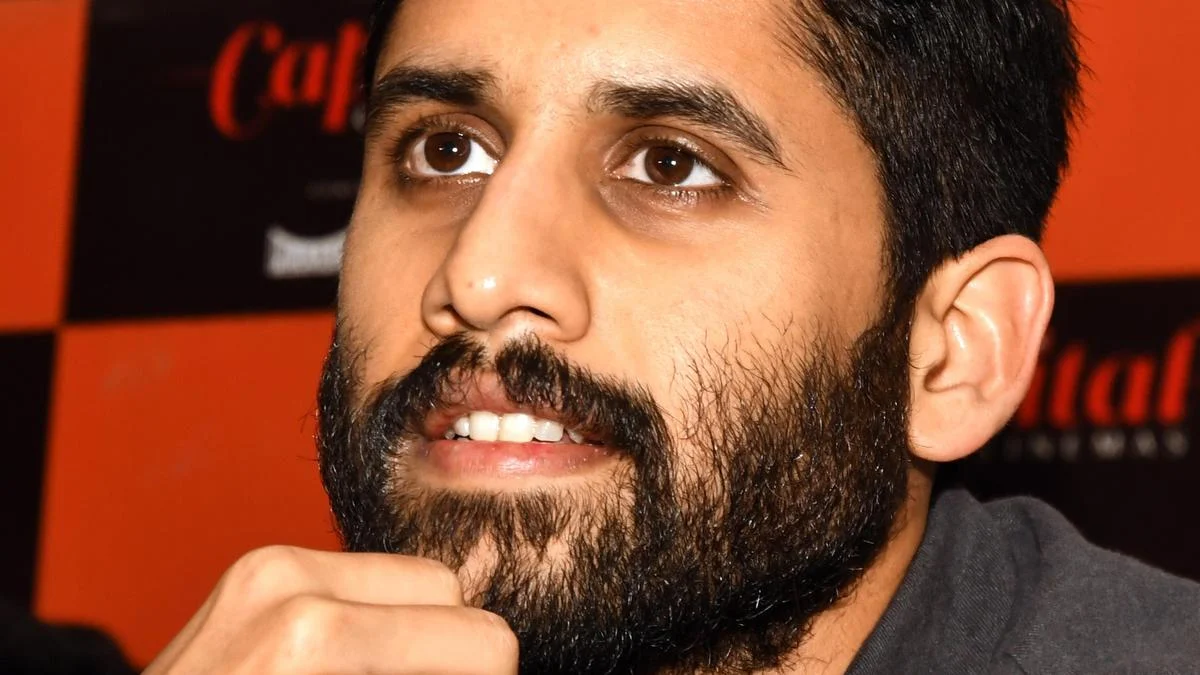
New Delhi, India – In a significant ruling that underscores the growing legal challenges posed by digital manipulation and online exploitation, the Delhi High Court has issued a comprehensive interim order protecting the personality and publicity rights of prominent Telugu actor Akkineni Naga Chaitanya. The court has effectively restrained numerous websites and online platforms from the unauthorized commercial use of his name, image, and likeness, and crucially, from creating and disseminating deeply concerning deepfake content using artificial intelligence (AI).
The landmark decision, delivered by Justice Jyoti Singh on May 29, 2026, marks a crucial step in safeguarding the digital identity and reputation of public figures in an era where technology can be weaponized to create fabricated and damaging material. This ruling not only provides immediate relief to Mr. Chaitanya but also sets a strong precedent for other individuals in the public eye who are increasingly vulnerable to such violations.
Protecting the Persona: The Core of the Legal Battle
At the heart of Mr. Chaitanya’s legal action was the severe damage being inflicted upon his reputation and livelihood by various online entities. His legal team presented compelling evidence to the court detailing how his name and image were being exploited in several egregious ways. This included the sale of merchandise bearing his likeness without his consent, a clear infringement of his publicity rights.
More alarmingly, the court was informed of the existence of pornographic video content online that was being categorized or tagged with Mr. Chaitanya’s name. This malicious association, the actor’s counsel argued, was causing irreparable harm to his public image and personal life. The proliferation of such content, often amplified by algorithms, can have devastating consequences for an individual’s career and mental well-being.
Furthermore, the actor’s plea highlighted the rampant use of AI to generate defamatory and unauthorized content, including videos and images, which were being disseminated across platforms like YouTube. These AI-generated fabrications, often indistinguishable from reality to the untrained eye, pose a unique and insidious threat. They exploit the actor’s persona, twisting it into scenarios that are not only untrue but also potentially damaging and misleading to the public.
The court, in its interim order, unequivocally recognized Mr. Chaitanya’s right to control the use of his identity. Justice Singh stated, "Plaintiff (Mr. Chaitanya) also has the right to protect his name, likeness, voice and image, which are elements and attributes of his persona and personality and no third party has a right to use these attributes without his authorisation." This statement firmly establishes that an individual’s identity is a valuable asset, protected by law, and cannot be appropriated for commercial gain or malicious intent without explicit permission.
A History of Exploitation: The Chronology of Harm
The legal battle initiated by Akkineni Naga Chaitanya is not an isolated incident but part of a growing trend of public figures facing the brunt of online defamation and identity misappropriation. The actor’s career, spanning over 15 years in the Indian film industry, has cemented his status as a renowned and respected personality. It is precisely this widespread recognition and positive public image that makes him a target for those seeking to exploit his name for illicit purposes.
The timeline of harm, as presented to the court, likely involved a period of escalating misuse of his identity. Initially, it may have begun with the unauthorized sale of fan merchandise, a common issue for celebrities. However, the situation escalated dramatically with the emergence of AI-generated content and the association of his name with explicit material. This progression signifies a shift from minor infringements to severe violations that directly impact his reputation and personal dignity.
The court’s recognition of Mr. Chaitanya as the son of veteran actor Akkineni Nagarjuna further contextualizes his prominence and the potential impact of such violations. His family legacy in the film industry amplifies the stakes involved, making the protection of his personal brand even more critical.
The Pervasive Threat of Deepfakes and Pornographic Content
The court’s specific focus on the "pornographic content" and "AI-generated images portraying him in an inappropriate scenario" highlights the most alarming aspect of this case. The deliberate creation and dissemination of such material are not merely violations of personality rights; they represent a profound attack on an individual’s dignity and can have severe psychological and social repercussions.
Justice Singh’s observation that "Such a distasteful content is harming and damaging the reputation of the Plaintiff and may mislead the public into believing what is depicted may be true" underscores the insidious nature of deepfake technology. The ability to convincingly fabricate images and videos of individuals engaging in acts they never committed can sow seeds of doubt and mistrust, even when the content is proven to be false. This can lead to public ostracization, damage to personal relationships, and career ruination.

The court’s assertion that "Plaintiff’s right to restrain third parties from infringing and passing off also needs to be preserved" is crucial. Infringement refers to the unauthorized use of someone’s identity, while passing off involves creating a false impression that the unauthorized use is endorsed or sanctioned by the individual. Both are serious legal offenses that the court is committed to preventing.
A Growing Precedent: Other Personalities Seek and Gain Protection
The Delhi High Court’s proactive stance in protecting personality and publicity rights is not new. This ruling for Naga Chaitanya builds upon a series of similar legal victories for other prominent figures. The court has previously granted interim relief to a diverse range of public personalities, demonstrating a consistent commitment to safeguarding their digital identities.
Notable among these are:
- Actors: Aishwarya Rai Bachchan, Abhishek Bachchan, and Salman Khan have all approached the court seeking protection against the misuse of their image and likeness. The recent string of victories also includes actors Sonakshi Sinha, Vivek Oberoi, Arun Kapoor, Varun Dhawan, and Allu Arjun, who have also been granted interim relief.
- Spiritual Leaders: Art of Living founder Sri Sri Ravi Shankar has also sought and received legal recourse to protect his public persona.
- Media Personalities: Journalist Sudhir Chaudhary and podcaster Raj Shamani have also been beneficiaries of the court’s protective orders.
- Political Figures: Politician Shashi Tharoor has also had his personality rights protected by the high court.
- Sports Personalities: Cricketer Gautam Gambhir has similarly sought and obtained legal protection.
This expanding list of protected individuals showcases the widespread vulnerability of public figures to these digital threats. It also indicates that the legal framework is evolving to address these new challenges, with the Delhi High Court at the forefront of this crucial legal development. The consistent grant of interim relief suggests a strong prima facie case often presented by these plaintiffs, signaling the judiciary’s recognition of the severity of such infringements.
Implications and the Road Ahead: Defining Digital Identity in the AI Era
The Delhi High Court’s order in favor of Naga Chaitanya carries significant implications for the future of digital rights and the regulation of AI-generated content.
For Public Figures: This ruling provides a much-needed legal shield. It empowers individuals to take swift legal action against those who seek to exploit their identity for commercial gain or malicious purposes. The ability to secure an interim order quickly can prevent the irreparable damage that often occurs before a full trial can conclude.
For the Technology Sector: The judgment serves as a stern warning to online platforms and websites that host user-generated or third-party content. They will likely face increased scrutiny and potential liability if they fail to implement robust content moderation policies and take prompt action to remove infringing or harmful material. This could lead to greater investment in AI detection tools and human moderation.
For AI Developers and Users: The ruling implicitly calls for greater responsibility in the development and deployment of AI technologies. While AI offers immense creative and beneficial potential, its misuse for defamation and exploitation cannot be tolerated. There will likely be increased calls for ethical guidelines and potentially regulatory frameworks governing the creation and dissemination of deepfake content.
For the Public: This case helps educate the public about the reality of digital manipulation. It encourages critical consumption of online content and underscores the importance of verifying information, especially when it involves public figures.
The Challenge of Enforcement: While the interim order is a powerful tool, the practical challenge of enforcing it across the vast expanse of the internet remains significant. Identifying and taking action against all offending parties, especially those operating across international borders, will require continuous vigilance and collaboration between legal authorities, technology companies, and international bodies.
The Delhi High Court’s decision in protecting Naga Chaitanya’s personality rights is a landmark moment. It reaffirms the fundamental right of individuals to control their identity and reputation in the digital age. As AI technology continues to advance, such legal precedents will be crucial in navigating the complex ethical and legal landscape, ensuring that the benefits of technology do not come at the cost of individual dignity and well-being. This ruling is not just a victory for one actor; it is a vital step towards a more secure and responsible digital future for all.
