


In today’s hyper-connected and visually saturated world, the very essence of marketing has undergone a profound transformation. Gone are the days when price tags and functional benefits were the sole arbiters of consumer loyalty. Instead, aesthetics, visual appeal, and the emotional resonance of a brand have emerged as paramount, dictating consumer choices and shaping brand identities. This shift signifies a move beyond mere utility, embracing a desire for experiences that are not only functional but also emotionally fulfilling, identity-affirming, and socially validating.
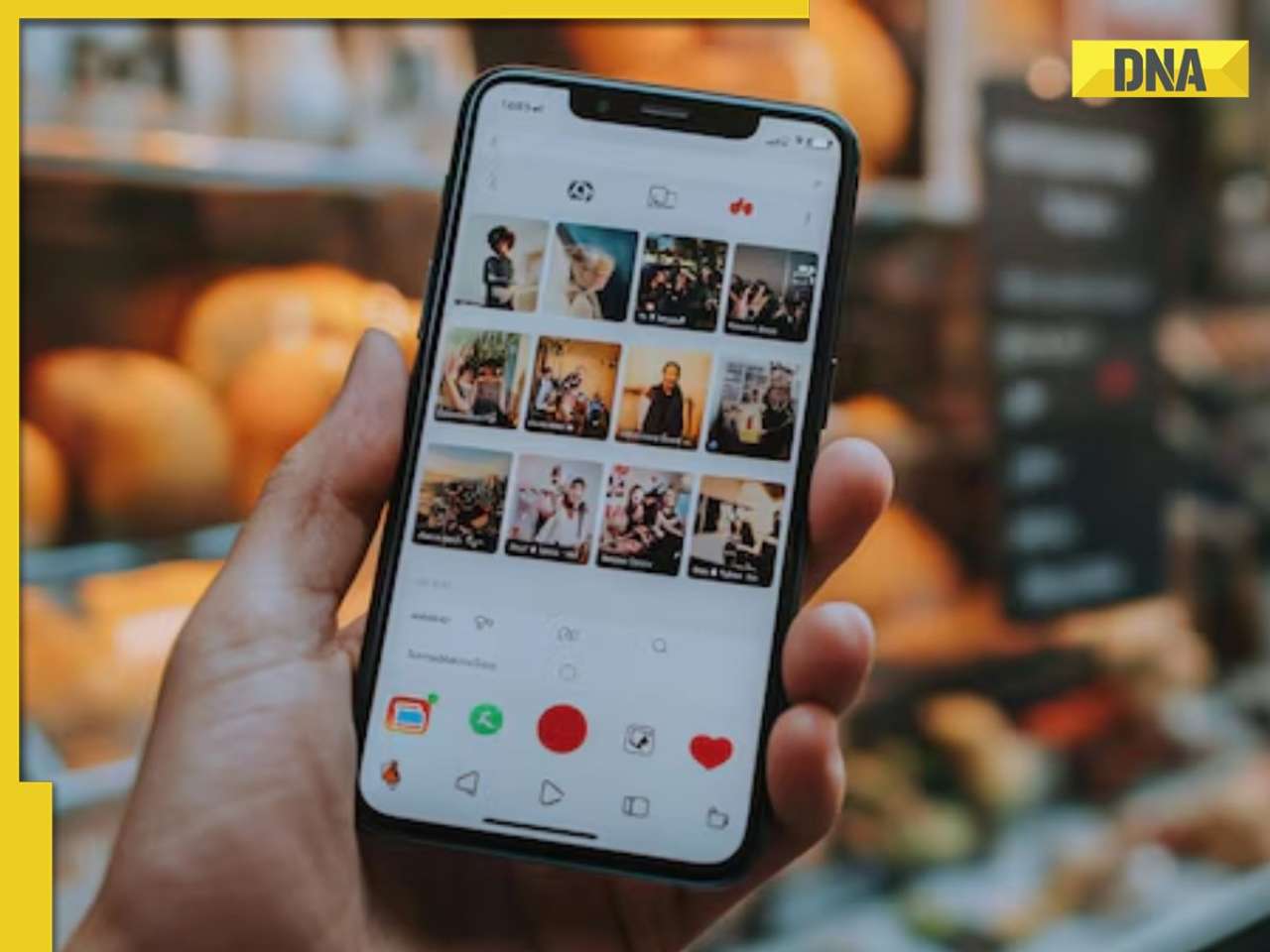
The digital revolution has undeniably been the catalyst for this evolution. The omnipresence of smartphones, the immersive nature of social media, and the burgeoning metaverse have fundamentally altered how consumers interact with brands and products. From the curated feeds of Instagram and TikTok to the visually driven platforms of e-commerce, every touchpoint is an opportunity for a brand to make a visual statement. This has led to a scenario where the "look" and "feel" of a product or service often precede its functional assessment, influencing initial engagement and ultimately, purchasing decisions.
The Genesis of Aestheticism in Marketing
The concept of prioritizing beauty for its own sake is not a new phenomenon. Tracing its philosophical roots back to the 19th century and articulated by figures like Oscar Wilde, who famously declared, "The art that is frankly decorative is the art to live with," aestheticism posits that beauty holds intrinsic value, independent of its practical utility. This philosophy, once confined to the realms of art and philosophy, has now permeated the commercial landscape, transforming how brands communicate their value proposition.
Historically, marketing primarily focused on highlighting product features, benefits, and competitive pricing. Early advertising campaigns were often direct and informative, aiming to educate consumers about what a product did and why it was superior. However, as economies matured and product parity became more common, differentiation through tangible attributes grew increasingly challenging. This created fertile ground for a new approach – one that leveraged intangible qualities like design, branding, and experiential elements.
)
The Digital Tsunami: Reshaping Consumer Psychology
The advent of the internet and, subsequently, social media platforms, acted as a powerful accelerant for the rise of aesthetic marketing. The shift from traditional retail to e-commerce, coupled with the integration of social platforms into shopping experiences (social commerce), has created a dynamic ecosystem where visual appeal is king.
Key Digital Drivers:

- Visual Social Media Platforms: Instagram, Pinterest, and TikTok have become powerful engines for aesthetic inspiration. Users curate their digital lives, showcasing aspirational lifestyles that are inherently visual. Brands that align with these aesthetics find themselves organically integrated into these narratives.
- Mobile-First Consumerism: The prevalence of smartphones means consumers are constantly exposed to visually rich content. Apps and websites are designed with user interface (UI) and user experience (UX) at the forefront, where visual harmony and intuitive design are critical for engagement.
- The Metaverse and Virtual Experiences: As the metaverse evolves, visual presentation and virtual aesthetics will become even more critical. Brands will need to create compelling digital presences that mirror and even surpass the aesthetic appeal of their physical counterparts.
- Artificial Intelligence (AI) and Personalization: While AI drives personalized recommendations, it also learns from user engagement with visually appealing content. This feedback loop reinforces the importance of aesthetics in capturing and retaining consumer attention.
Beyond Utility: The New Drivers of Consumer Choice
The contemporary consumer, particularly younger generations like Gen Z, is no longer solely driven by the utilitarian aspects of a product or service. They seek brands that resonate with their personal identity, offer emotional gratification, and provide a sense of social validation.
Shifting Consumer Motivations:
)
- Identity and Self-Expression: Consumers use their purchasing decisions to construct and communicate their personal identities. Brands that offer products or experiences that align with their values, aspirations, and desired self-image gain a significant advantage. A coffee shop isn’t just a place for caffeine; it’s an extension of one’s lifestyle, reflected in its décor and the "Instagrammability" of its offerings.
- Emotional Connection: In an increasingly complex world, consumers crave emotional connections with brands. Aesthetics play a crucial role in evoking emotions, creating a sense of comfort, excitement, nostalgia, or belonging. The pleasing curves of a smartphone, the calming color palette of a skincare brand, or the evocative imagery in an advertisement can all foster an emotional bond.
- Social Validation and Belonging: The desire for social acceptance and belonging is deeply ingrained in human psychology. Owning or experiencing certain aesthetically pleasing products or brands can confer status and signal membership within a particular social group. This is particularly evident in the rise of "influencer culture," where aesthetically curated content often drives trends and purchases.
- The "Shelf Appeal" Factor: In a crowded marketplace, especially in online retail, a product’s visual presentation is its first and often only chance to capture attention. This applies to everything from food packaging and beauty products to electronics and home décor. A visually appealing product is more likely to be clicked on, examined, and ultimately purchased.
The Ascendancy of Aesthetic Marketing Strategies
Recognizing this paradigm shift, brands across industries have begun to integrate aesthetic principles into their core marketing strategies. This is not merely about superficial makeovers; it involves a holistic approach to design, branding, and consumer experience.
Manifestations of Aesthetic Marketing:
)
- Product Design and Packaging: Products are increasingly designed with visual appeal as a primary consideration. Minimalist designs, vibrant color palettes, unique textures, and sustainable materials all contribute to a brand’s aesthetic. Packaging has evolved from a protective shell to a crucial storytelling device, conveying brand values and enhancing perceived quality.
- Branding and Visual Identity: A brand’s logo, color scheme, typography, and overall visual language are meticulously crafted to evoke specific emotions and perceptions. Brands are investing heavily in creating cohesive and memorable visual identities that resonate with their target audience.
- Retail Environments and Experiential Spaces: Physical retail spaces are no longer just points of transaction; they are designed as immersive brand experiences. From the layout and lighting to the music and scent, every element is curated to create a specific atmosphere. This is also evident in the rise of pop-up shops and experiential installations designed for maximum visual impact and shareability.
- Digital Presence and Content Creation: Websites, social media profiles, and online advertising are all critical canvases for aesthetic expression. Brands are producing high-quality, visually stunning content – photography, videography, and graphic design – to engage their audiences and reinforce their brand aesthetic.
Global and Indian Brands Leading the Aesthetic Charge
Numerous global and Indian brands have demonstrably leveraged aesthetic marketing to achieve significant success. Their strategies offer valuable insights into how to effectively integrate visual appeal into a brand’s DNA.
Global Pioneers:
)
- Apple: A quintessential example, Apple transformed minimalism into a powerful and instantly recognizable brand identity. Their sleek product designs, uncluttered retail stores, and clean digital interfaces have set a benchmark for aesthetic excellence in the technology sector.
- Glossier: This beauty brand built its empire on a pastel-toned, digital-native aesthetic. Their minimalist packaging, "girl-next-door" imagery, and emphasis on user-generated content created a highly relatable and aspirational brand that resonated deeply with its target demographic.
- Airbnb: The vacation rental platform actively promotes visually attractive, "Instagrammable" spaces. Their marketing campaigns often highlight the aesthetic appeal of the properties, encouraging users to share their own visually rich travel experiences, thus generating organic marketing.
Indian Innovators:
- Forest Essentials: This luxury Ayurvedic brand masterfully blends traditional Indian aesthetics with a premium, aspirational appeal. Their intricate packaging, use of natural ingredients, and focus on heritage create a distinct and desirable brand image.
- Qua: A contemporary Indian brand that focuses on meticulously designed footwear, Qua emphasizes clean lines, premium materials, and a sophisticated color palette, appealing to a fashion-conscious urban consumer.
- Re-Ceremonial: This brand, often associated with bridal wear and occasion wear, exemplifies how cultural heritage can be translated into stunning visual narratives. Their designs and marketing often draw inspiration from Indian traditions, presented with a modern, cinematic flair.
- D2C Brands (boAt, The Souled Store): Direct-to-consumer brands like boAt (audio accessories) and The Souled Store (pop culture merchandise) excel at using visually dynamic and often edgy branding to connect with younger demographics. Their social media presence is characterized by vibrant graphics and engaging content.
Beyond product-centric brands, sectors like hospitality and food & beverage have also embraced aesthetics as a core strategy. Cafés, boutique hotels, and lifestyle restaurants now heavily rely on ambiance, décor, and "photo-worthiness" to attract customers and encourage social media sharing, effectively turning patrons into brand ambassadors.
)
Fashion, Identity, and the Cultivation of Cultural Capital
The fashion industry, by its very nature, is deeply intertwined with aesthetics. However, the role of visual appeal has expanded beyond mere garment design to encompass broader concepts of identity and cultural capital.
- Sabyasachi Mukherjee: This renowned Indian designer exemplifies the fusion of heritage craftsmanship, cinematic storytelling, and aspirational branding. His creations are not just clothes; they are statements that imbue wearers with a sense of cultural pride and refined taste, transforming aesthetics into a form of cultural capital.
- Curated Lifestyles and Digital Visibility: Weddings, in particular, have become highly curated events where aesthetics play a central role. From the décor and attire to the photography and videography, every aspect is meticulously planned for maximum visual impact and digital shareability. This underscores how visibility in the modern attention economy has become a valuable commodity.
- Aspiration and Belonging: Products and brands that align with curated lifestyles often communicate aspirations, social class, and a sense of belonging. Consumers are drawn to aesthetics that reflect their desired future selves or signify their place within a valued community.
The Ethical Undercurrents: Navigating the Aesthetic Landscape
While the rise of aesthetic marketing offers undeniable benefits to brands and consumers alike, it also raises significant ethical questions that warrant careful consideration.
)
Key Ethical Concerns:
- Substance Over Style? A primary concern is whether the relentless pursuit of visual appeal can overshadow genuine product quality and ethical business practices. Does a beautiful façade mask a less substantive offering, leading consumers to prioritize appearance over inherent value?
- Manipulation and Manufactured Desirability: The power of aesthetics can be used to create artificial demand and manipulate consumer desires. Industries may blur the lines between authentic value and manufactured desirability, encouraging impulse purchases based on superficial appeal rather than genuine need.
- Exclusivity and Marginalization: Narrow definitions of beauty and aesthetic appeal can inadvertently lead to exclusion and marginalization. If brands predominantly showcase a limited range of beauty standards (e.g., in terms of ethnicity, body type, or economic background), they risk alienating significant segments of the population. The pursuit of a particular aesthetic can inadvertently create an exclusive club, reinforcing societal biases.
- The Burden of Perfection: The constant bombardment of perfectly curated visual content on social media can create unrealistic expectations and contribute to feelings of inadequacy among consumers. The pressure to attain a certain aesthetic can be psychologically taxing.
Brands today face the critical challenge of navigating these ethical complexities. The goal must be to embrace aesthetics in a way that is inclusive, representative, and authentic, ensuring that beauty enhances, rather than diminishes, the overall value proposition and fosters a sense of belonging for all consumers.
)
Conclusion: Beauty as an Enduring Economic and Cultural Force
The evolution of marketing from a focus on utility to an embrace of aesthetics is not a fleeting trend but a fundamental shift in consumer psychology and market dynamics. The rise of aestheticism in commerce reflects a broader human desire for experiences that are not only functional but also meaningful, emotionally resonant, and identity-affirming.
In our hyper-digital world, where choices are abundant and attention spans are short, aesthetics act as a powerful simplifying force. They provide emotional anchors, facilitate decision-making, and transform mundane transactions into memorable experiences. Brands that fail to acknowledge and integrate the power of visual appeal risk becoming invisible in an increasingly crowded marketplace.
)
Ultimately, beauty in marketing today is far more than just decorative. It is deeply cultural, strategically imperative, performative in its engagement with consumers, and profoundly economic in its ability to drive choice and build lasting brand loyalty. As consumers continue to seek more than just products, but rather experiences that reflect their identities and aspirations, the aesthetic revolution in marketing is set to endure and evolve, shaping the commercial landscape for years to come.
