

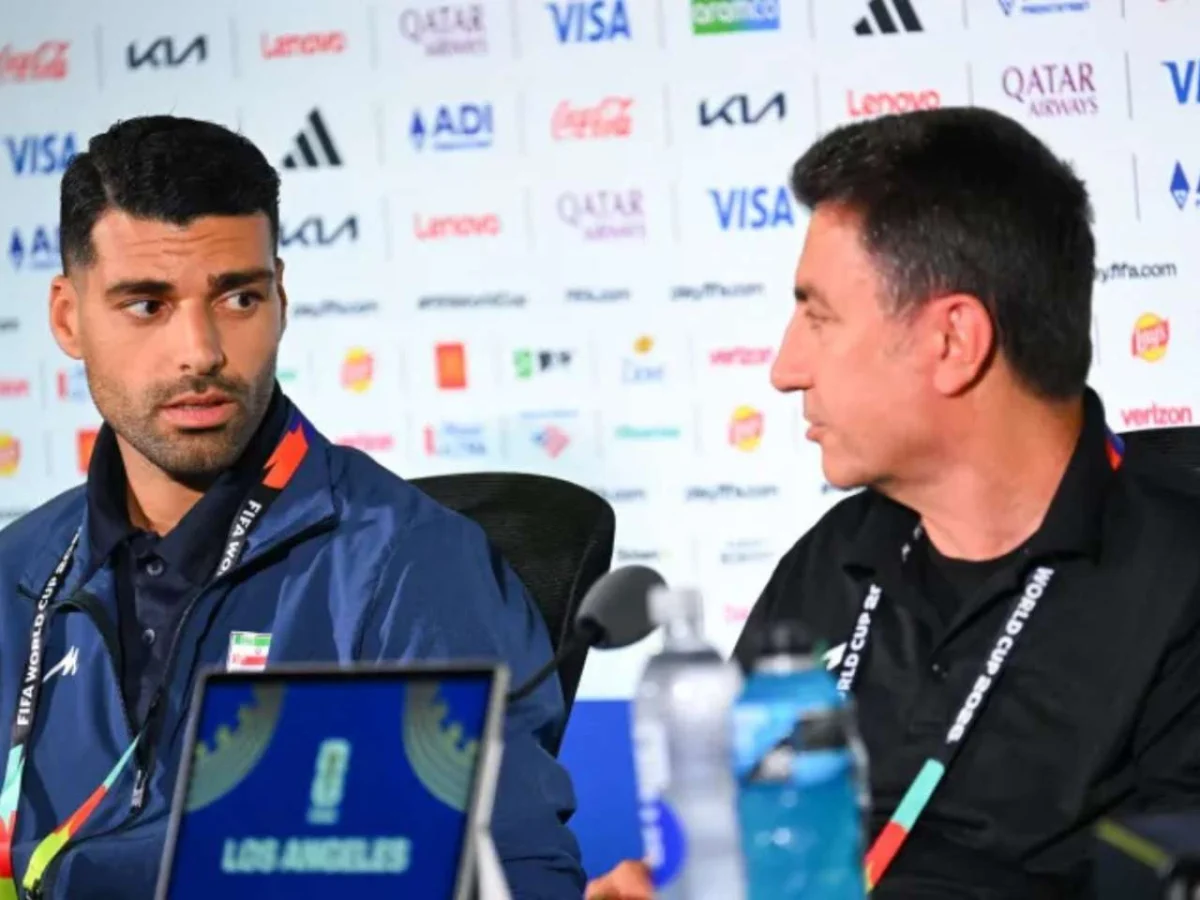
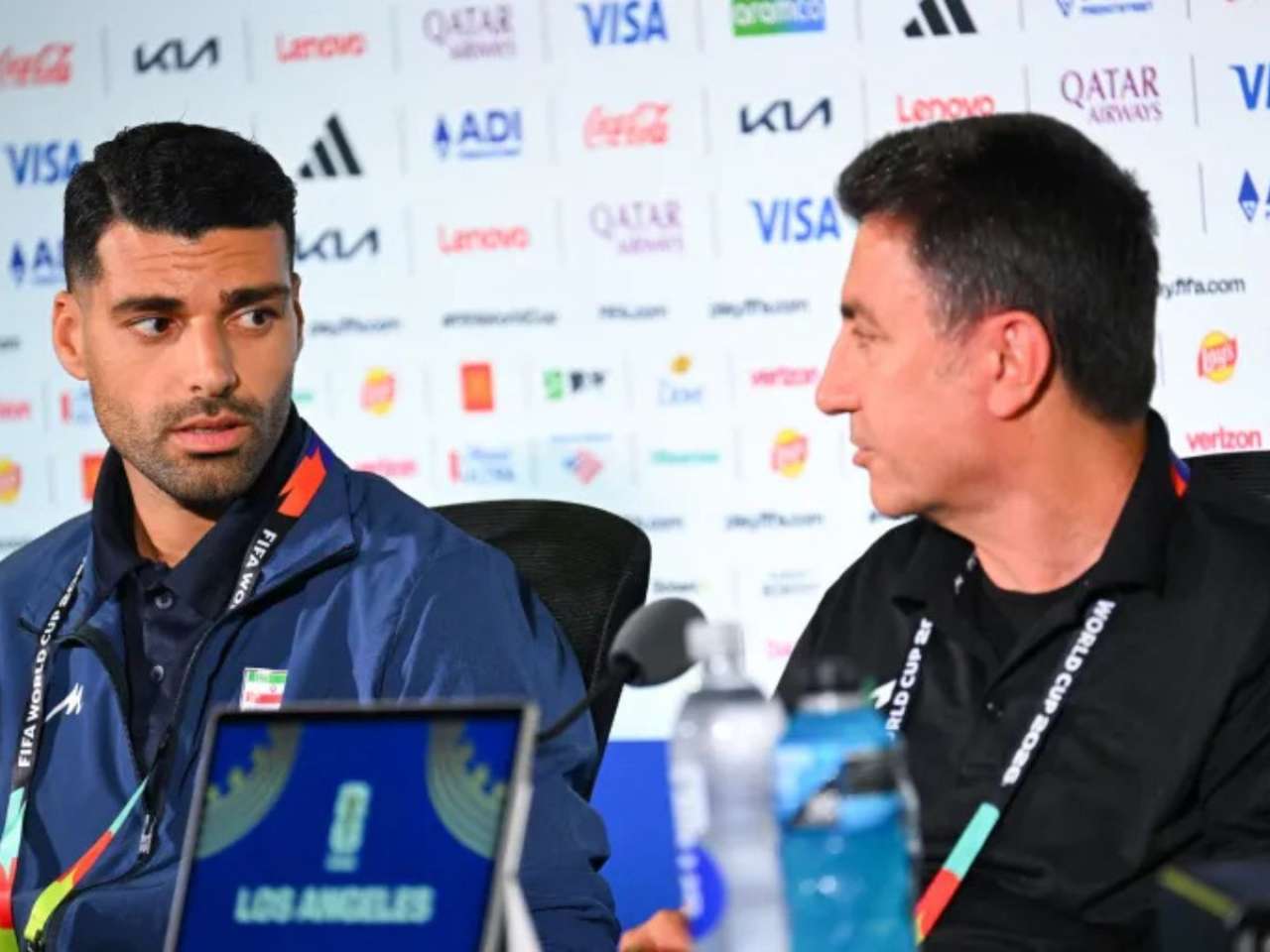
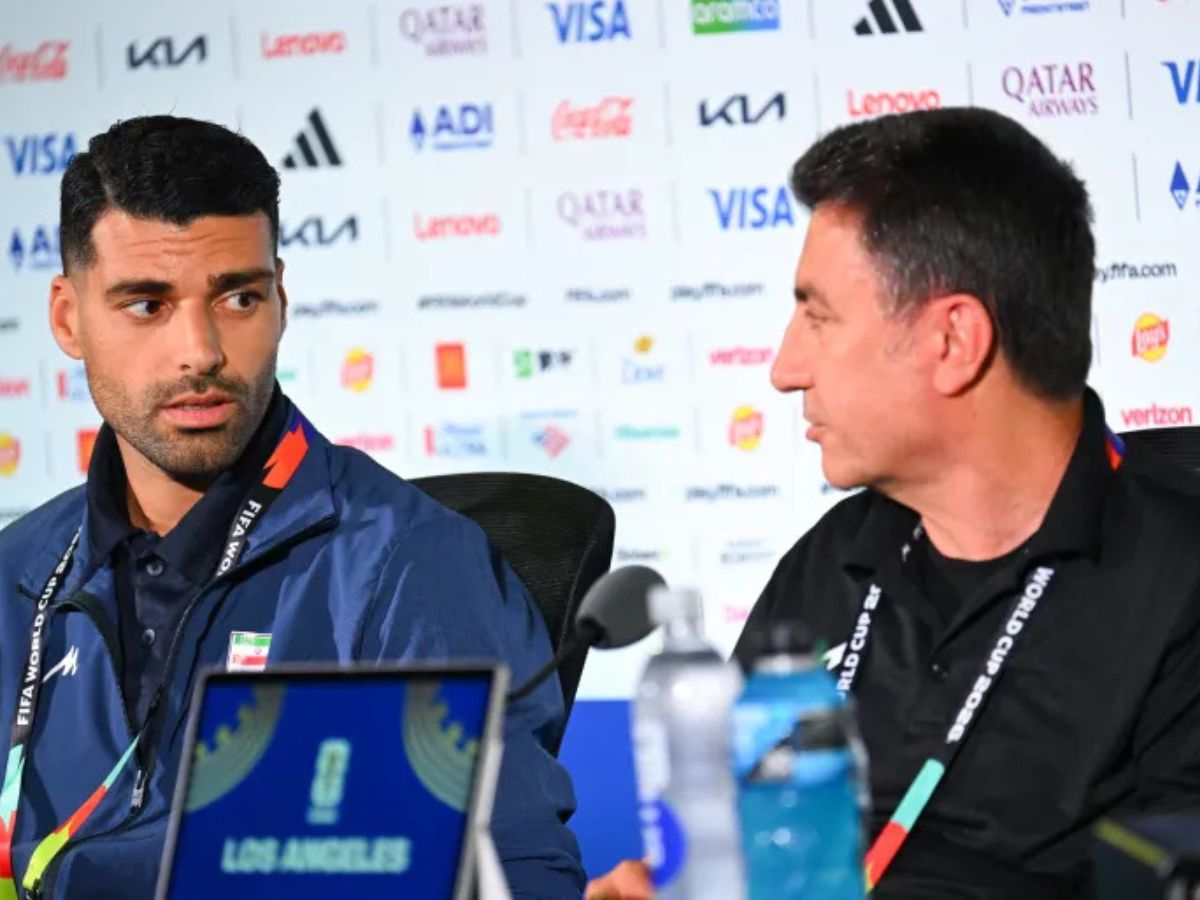
LOS ANGELES, USA – The grandeur of the FIFA World Cup 2026, a spectacle meant to unite nations through the beautiful game, has been overshadowed for the Iranian national team by a relentless torrent of logistical challenges, visa complications, and what they describe as profoundly unfair treatment. Team captain Mehdi Taremi has starkly characterized their experience in the United States as a "disaster," a sentiment echoed vehemently by head coach Amir Ghalenoei, who labeled their ordeal "horrendous." Their pleas for greater support from FIFA underscore a growing crisis that threatens to undermine the competitive integrity and spirit of the global tournament.
The mounting frustrations reached a boiling point following Iran’s 2-2 draw against New Zealand in Los Angeles, a match that concluded not with routine recovery and preparation, but with an immediate directive for the Iranian delegation to vacate the host nation. This unprecedented order forced players and staff to pack up and return to their designated training camp in Tijuana, Mexico, immediately after a demanding international fixture. The move, described by the team as disruptive and detrimental, stands in stark contrast to the standard protocols observed by other participating nations, sparking accusations of unequal treatment and a lack of support from the tournament organizers.
The Unraveling Campaign: A Detailed Chronology of Frustrations
The current state of disarray for Team Melli is not an isolated incident but rather the culmination of a series of hurdles that began even before the tournament’s opening whistle. What should have been a meticulously planned journey for a national team competing on football’s biggest stage has devolved into a chaotic struggle against administrative red tape and perceived discrimination.
Pre-Tournament Hurdles: The Arizona Relocation and Visa Saga
Iran’s initial plans for their World Cup base camp centered on Tucson, Arizona, a choice made to provide optimal training facilities and acclimatization. However, these plans were swiftly derailed by looming concerns over immigration and visa issues, forcing the team to make a last-minute relocation to Tijuana, Mexico. This forced pivot set an ominous precedent for the challenges that lay ahead.
)
The move to Tijuana, while offering a geographic proximity to the United States, did little to alleviate the underlying visa complications. The most significant blow came when 15 crucial support staff members, essential for the team’s operational efficiency, were denied entry into the United States upon arriving in Mexico. Despite protracted efforts and a lengthy wait, only a fraction of these individuals eventually received clearance, leaving a critical contingent of 11 staff members still stranded outside the US borders.
The absence of these personnel has created a ripple effect of operational chaos within the Iranian camp. Among those denied entry are key media officers, vital for managing communications and public relations, and several indispensable analysts, whose role in dissecting opponents’ tactics and formulating game strategies is paramount in modern football. Even the President of the Iranian Football Federation, Mehdi Taj, was reportedly unable to join his delegation, highlighting the severe and far-reaching nature of the visa issues. The ramifications of these absences were starkly visible after the Los Angeles match, where one of the team’s analysts, fortunate enough to have gained entry, was pressed into service as an impromptu media contact, a clear indicator of the strained resources and logistical compromises the team is forced to endure.

The Cross-Border Commute: Tijuana to Los Angeles and Back
The decision to base the team in Tijuana, while a necessity born of visa constraints, has transformed what should be routine inter-city travel into an arduous, time-consuming ordeal. The journey from Tijuana to Los Angeles, a relatively short geographical distance, has consistently clocked in at an astonishing five hours. The primary culprit for these extended delays is the rigorous and often prolonged immigration checks at the US-Mexico border.
This constant cross-border shuttling has severely impacted the team’s ability to prepare adequately for their matches. As coach Ghalenoei articulated, standard practice dictates ample time for recovery, tactical sessions, and rest before and after high-stakes games. Instead, the Iranian squad finds itself expending precious energy and time navigating border crossings, a process that is mentally and physically draining. The players are not afforded the luxury of a seamless transition between their training base and match venues, a fundamental aspect of professional sports logistics that is seemingly denied to them.
)
The 2-2 draw against New Zealand in Los Angeles on Monday night exemplified these challenges. A hard-fought match demanding peak physical and mental output was immediately followed by the disruptive order to leave the city, thereby truncating the critical post-match recovery window.
Post-Match Orders: An Unprecedented Immediate Departure
The immediate aftermath of the New Zealand match brought Iran’s frustrations to a head. Instead of remaining in Los Angeles for essential recovery, a widely accepted and standard practice at this level of competition, the team was instructed to depart the US forthwith. This directive meant an immediate return to their camp in Tijuana, robbing the players of crucial rest and rehabilitation time.
)
Captain Mehdi Taremi did not mince words when describing the situation: "Everything is like disaster, actually, for us." His sentiment was powerfully echoed by head coach Amir Ghalenoei, who condemned the treatment as "horrendous." Ghalenoei recounted the abruptness of the order: "After the game today they said, ‘You have to leave immediately.’" He emphasized the detrimental impact on their preparation for subsequent matches, stating, "Today, recovery is critical for us. But we’ve been told to get on a plane and head back to camp in Tijuana. It’s making things so much harder—we’re hit with obstacle after obstacle. But we’re not going to let that stop us from doing our best."
Adding another layer of complexity to the unfolding drama, FIFA President Gianni Infantino reportedly visited the Iranian squad in their locker room following the match. This direct engagement provided the players with a rare opportunity to voice their grievances face-to-face with the highest authority in global football. While the nature of the discussion was not publicly detailed, the visit itself highlights the severity of the team’s complaints and the direct channel through which they were communicated to FIFA. However, the immediate imposition of the departure order suggests that no swift resolution or reprieve was offered at that moment.
)
Voices from the Heart of the Storm: Supporting Data and Testimonies
The collective voice of the Iranian delegation paints a vivid picture of a team battling not just opponents on the field, but an unseen adversary of logistical and administrative hurdles off it. Their testimonies underscore the profound impact these issues are having on their World Cup campaign.
Captain Taremi’s Plea for FIFA Intervention
Mehdi Taremi, a seasoned international player, articulated the immense pressure already borne by players and staff at a World Cup, only to be compounded by the lack of adequate support. "It’s not good for football," Taremi asserted, highlighting the fundamental principle of proper preparation required for each game. His call for FIFA to "help us more" is a direct appeal to the governing body to intervene and ensure a more equitable playing field. The captain’s hope for change, "Let’s see if anything changes," carries the weight of a team feeling neglected and disadvantaged.
)
His detailed account of the Tijuana-Los Angeles commute further illustrates the absurdity of their situation. "Supposedly, we’d train, have recovery here, fly to Tijuana, then come back to LA. But now? We have to go back right away." This statement encapsulates the arbitrary nature of the directives they are receiving and the complete disruption of any logical preparation schedule.
Coach Ghalenoei’s Indictment of ‘Horrendous’ Treatment
Coach Amir Ghalenoei’s condemnation of their treatment at the hands of both the US as host and FIFA as "horrendous" goes beyond mere frustration; it speaks to a deep sense of injustice. His observations reveal a team whose schedule and logistical movements are dictated by external forces, without consultation or consideration for their athletic needs. "We don’t know why they’re sending us back early, honestly. It’s very strange. Others are making all the plans for us now," Ghalenoei stated, expressing a profound loss of control over their own destiny in the tournament.
)
He further detailed how promises of standard protocol—arrival two nights before the game, staying overnight after the match for recovery—were systematically denied. This consistent deviation from accepted norms has led him to the stark conclusion: "I think we’re the most isolated team at this World Cup. Our federation isn’t here, our media isn’t here, our management isn’t here." This sense of isolation, stemming from the absence of critical support staff and leadership, significantly compounds the psychological and operational strain on the team.
Player Welfare Concerns: Mohebi on Fatigue and Injury Risk
Midfielder Mohammad Mohebi echoed his captain and coach’s concerns, specifically highlighting the physical toll the relentless travel and lack of rest are exacting on the players. "Yesterday, we started traveling in the morning, got here in the afternoon, trained right away, and we’re just tired, you know?" Mohebi lamented. His concern extends beyond mere fatigue, touching upon the very real risk of injury. "This isn’t fair. We’re going to get fatigued—hamstrings, backs, everything." In the high-intensity environment of a World Cup, where peak physical condition is paramount, such concerns are not trivial. The added stress of constant movement and insufficient recovery significantly increases the vulnerability of players to strains, pulls, and more severe injuries, potentially jeopardizing not only their individual performances but also the team’s overall competitive standing.
)
The Unseen Costs: Missing Personnel and Operational Chaos
The absence of key support staff due to visa denials has created an invisible, yet deeply impactful, operational chaos. A modern football team relies on a vast network of specialists: media officers to manage public perception and facilitate communication, analysts to provide granular tactical insights, and federation officials to handle administrative and diplomatic matters.
Without media officers, players are left more exposed to media scrutiny, potentially impacting their focus. The lack of analysts deprives the coaching staff of crucial data and strategic planning capabilities. The absence of the federation president, Mehdi Taj, signifies a gaping hole in the team’s leadership and advocacy, leaving them feeling unsupported on multiple fronts. The incident of an analyst stepping in as a media contact is not just an inconvenience; it is a vivid illustration of a team operating under duress, forced to improvise and adapt due to external constraints beyond their control. This compromises the professional veneer expected at a global sporting event and adds immense pressure on those few staff members who were granted entry.
)
The Silence from Above: Official Responses and Unanswered Questions
Amidst the chorus of complaints from the Iranian camp, the official responses from the involved parties have been conspicuously muted or, in some cases, entirely absent from public discourse. This silence raises significant questions about accountability and the mechanisms in place to ensure fair treatment for all participants.
FIFA’s Role and Responsibilities
As the international governing body of football, FIFA holds the ultimate responsibility for the organization and smooth running of the World Cup. This includes ensuring a level playing field, upholding principles of fair play, and safeguarding the welfare of all participating teams and their personnel. While FIFA President Gianni Infantino’s private visit to the Iranian locker room indicates an awareness of the grievances, the lack of an immediate public statement or tangible resolution has left the team feeling that their concerns are not being adequately addressed.
)
FIFA’s mandate extends to mediating between host nations and participating teams, especially when geopolitical tensions might spill over into sporting logistics. The silence surrounding the Iranian team’s specific complaints about travel and visa issues suggests either an ongoing internal process that has yet to yield results, or a reluctance to publicly acknowledge and address a politically sensitive situation. The onus remains on FIFA to demonstrate its commitment to equitable treatment for all 32 (or 48, in 2026) nations, irrespective of their political standing.
Host Nation Protocols and Geopolitical Undercurrents
The United States, as one of the primary host nations for the 2026 World Cup, is responsible for facilitating the entry and movement of all participating delegations. While national sovereignty grants the US the right to control its borders and issue visas, the nature of a global event like the World Cup typically involves special diplomatic arrangements to ensure seamless access for all accredited personnel.
)
The persistent visa denials for Iranian support staff and the restrictive travel orders suggest that these special arrangements, if they exist, are either insufficient or are being selectively applied. It is difficult to completely divorce these logistical challenges from the broader geopolitical context of US-Iran relations, which have historically been fraught with tension. While the Iranian delegation has primarily framed their complaints in terms of sporting fairness and logistical efficiency, the underlying political landscape undoubtedly contributes to the unique difficulties they face. This situation poses a significant challenge for multi-host tournaments, where differing national policies and bilateral relations can create an uneven playing field for competing nations.
The Iranian Federation’s Plight
The absence of the Iranian Football Federation’s president, Mehdi Taj, and other key management personnel underscores the federation’s apparent inability to overcome these diplomatic and logistical hurdles. While specific details of their efforts are not publicly available, the fact that such high-ranking officials and essential support staff remain outside the US indicates a significant impediment to their capacity to advocate for and support their team effectively. This situation isolates the players and coaching staff even further, forcing them to navigate complex challenges without the full complement of their administrative and diplomatic backing.
)
Broader Implications: A Shadow Over the World Cup’s Integrity
The Iranian team’s "disastrous" World Cup experience casts a long shadow over the ideals of international sportsmanship and fair competition that the tournament is meant to embody. The issues they face extend beyond mere inconvenience; they touch upon fundamental principles of equity, player welfare, and the very integrity of the global spectacle.
Competitive Imbalance and Fair Play Concerns
At its core, the World Cup is a test of athletic prowess and tactical brilliance, where all teams should theoretically compete on a level playing field. However, when one team is consistently burdened with excessive travel, disrupted preparation, and a depleted support staff, the competitive balance is inherently compromised. How can a team perform at its peak when its players are fatigued from arduous border crossings, its coaches lack essential analytical support, and its overall operations are in disarray? This situation raises serious questions about fair play: is it truly a fair competition if external, non-sporting factors so profoundly disadvantage one participant? The principle of fair competition demands that all teams be afforded similar conditions to prepare and compete.
)
Player Health and Performance
The physical and mental toll on players subjected to constant travel, insufficient rest, and heightened stress cannot be overstated. Professional athletes require meticulous regimes for recovery, nutrition, and psychological well-being to maintain peak performance throughout a demanding tournament. Mohammad Mohebi’s concerns about fatigue leading to injuries—hamstrings, backs—are legitimate and serious. Such conditions not only risk the short-term performance of the team but also the long-term health and careers of individual players. FIFA, as the guardian of player welfare, has a responsibility to ensure that no team is placed in a situation that unduly compromises its athletes’ health.
Precedent for Future Multi-Host Tournaments
The 2026 World Cup is uniquely spread across three North American nations (USA, Canada, Mexico), and future tournaments may adopt similar multi-host formats. The challenges faced by Iran serve as a stark warning and a critical learning opportunity for FIFA and future organizing committees. The complexities of cross-border travel, differing immigration policies, and geopolitical sensitivities must be meticulously addressed in advance to prevent similar disruptions. Streamlined international cooperation, clear diplomatic channels, and robust contingency plans are essential to ensure that the logistical arrangements do not become an insurmountable obstacle for any participating nation.
)
The Spirit of the World Cup
The FIFA World Cup is more than just a series of football matches; it is a celebration of global unity, cultural exchange, and the shared passion for the sport. When a team feels "isolated" and subjected to "horrendous" treatment, it detracts significantly from this spirit. The ideals of universal hospitality and inclusion, which are central to the World Cup ethos, are undermined when one nation’s experience is so dramatically different and negatively impacted by administrative and political hurdles. The focus should be on the competition on the pitch, not the struggles off it.
A Glimmer of Gratitude: The Mexican Welcome
Amidst the litany of complaints, coach Ghalenoei took a moment to express profound gratitude, offering a slight counterpoint to the pervasive negativity. "The Mexican people, the government, everyone in Tijuana—they’ve made us feel at home," he acknowledged. This commendation highlights the distinction between the hospitality offered by the local Mexican populace and the official, cross-border logistical challenges imposed by external factors. It serves as a poignant reminder that even in adversity, the spirit of human connection and warmth can still prevail.
)
Conclusion: Awaiting Resolution Amidst Mounting Pressure
The Iranian national football team’s World Cup 2026 journey has been characterized by a disheartening array of logistical nightmares, visa complications, and what they perceive as profoundly unfair treatment. From forced camp relocations and the denial of entry for crucial support staff to arduous cross-border commutes and unprecedented post-match expulsion orders, their experience stands as a stark anomaly in what should be a celebration of global football.
The candid testimonies from captain Mehdi Taremi, coach Amir Ghalenoei, and midfielder Mohammad Mohebi underscore the severe impact these issues are having on team morale, physical well-being, and competitive readiness. Their urgent calls for intervention from FIFA highlight the governing body’s ultimate responsibility to ensure equitable conditions for all participants.
)
As the tournament progresses, the pressure mounts on FIFA and the host nations to address these grievances definitively. The integrity of the World Cup, the fairness of the competition, and the welfare of its athletes demand a swift and transparent resolution. For the Iranian team, their aspirations on the field are now inextricably linked to the hope that their appeals will finally be heard, and that the "disaster" of their logistical challenges will not ultimately define their performance in the world’s most prestigious football tournament. The world watches, waiting to see if the spirit of fair play will ultimately prevail for all.
