

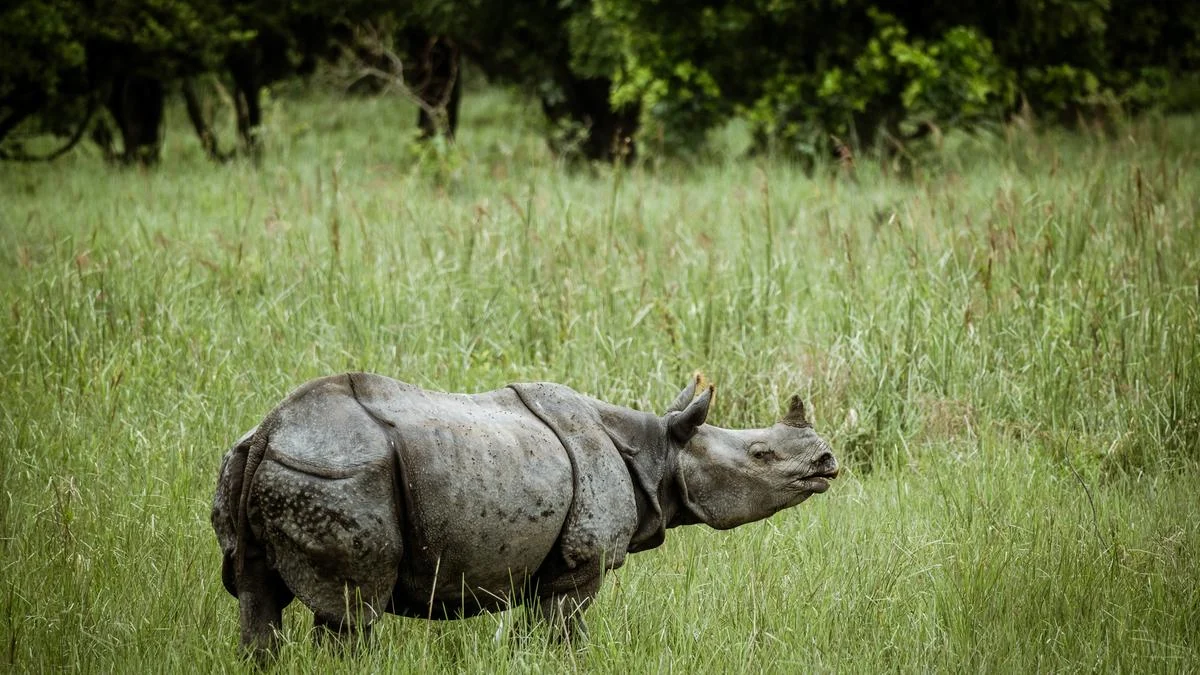
In the heart of Assam, where the mighty Brahmaputra carves its path through ancient floodplains and the prehistoric silhouette of the one-horned rhinoceros dominates the horizon, a new paradigm of hospitality is taking root. A trip to India’s Northeast has long been a pilgrimage for wildlife enthusiasts, yet the challenge has often been finding a stay that balances the raw, untamed spirit of the wild with a refined, culturally grounded luxury.
The Rhino & River Wildlife Retreat and Spa, located in the historic and mystical region of Mayong at the edge of the Pobitora Wildlife Sanctuary, emerges as a strategic solution for the modern traveler. By synthesizing the region’s riverine beauty with high-density wildlife encounters, the retreat offers more than a stay; it provides a curated immersion into the "slow rhythm" of Assamese life.
Main Facts: The Intersection of Geography and Hospitality
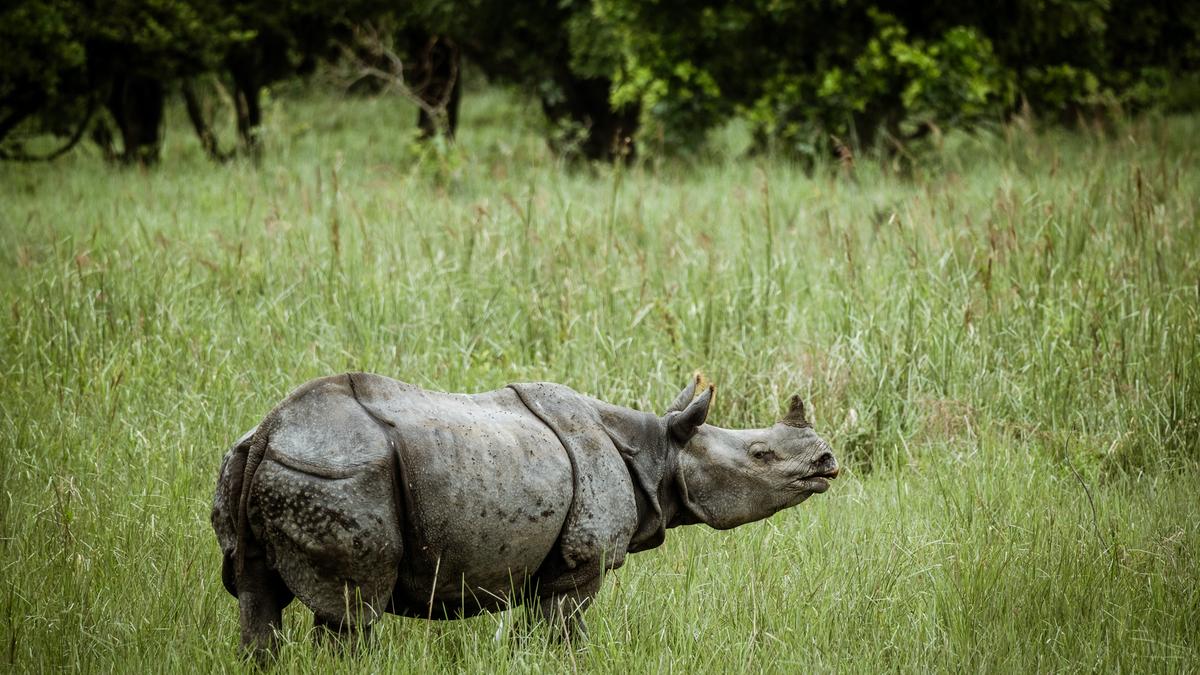
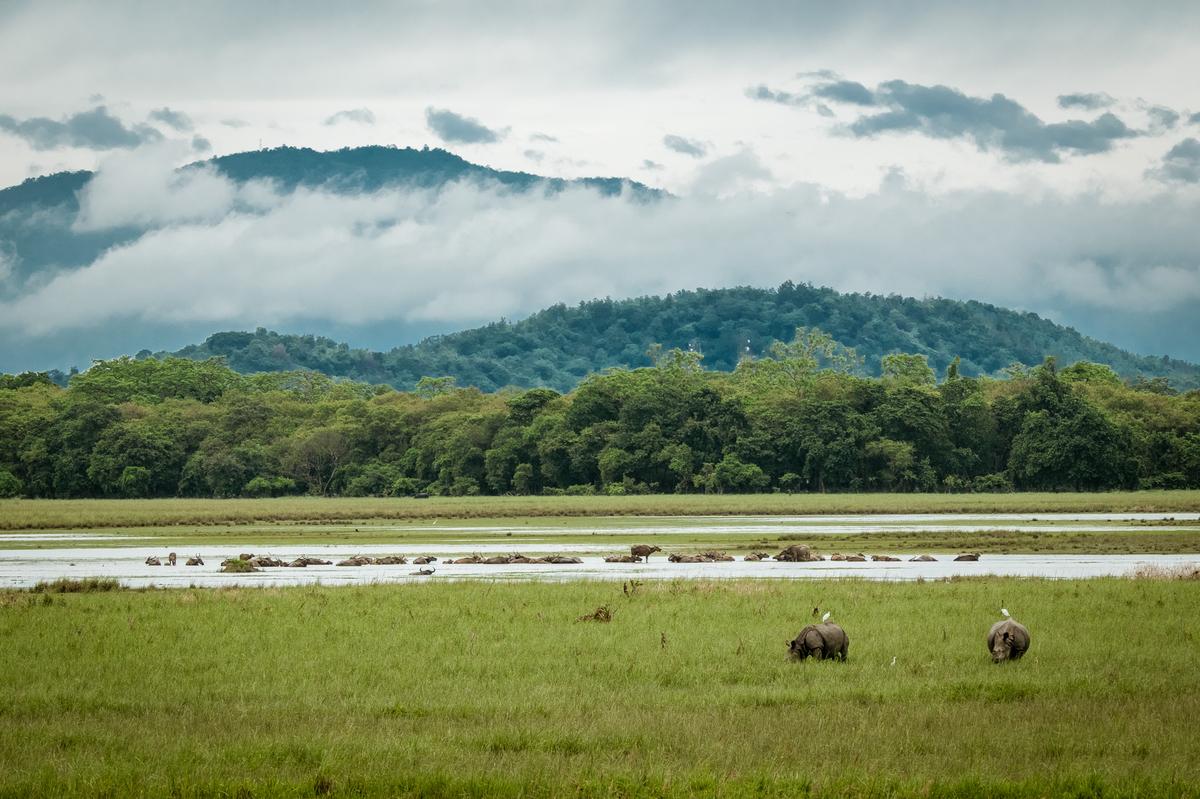
Rhino & River is a boutique wilderness property positioned approximately 75 kilometers from the Lokpriya Gopinath Bordoloi International Airport in Guwahati. Its location is its primary asset—Mayong, historically known as the "Land of Black Magic," serves as a gateway to the Pobitora Wildlife Sanctuary. While Kaziranga National Park often captures the global spotlight, Pobitora is renowned for having the highest density of the Greater One-Horned Rhinoceros in the world.
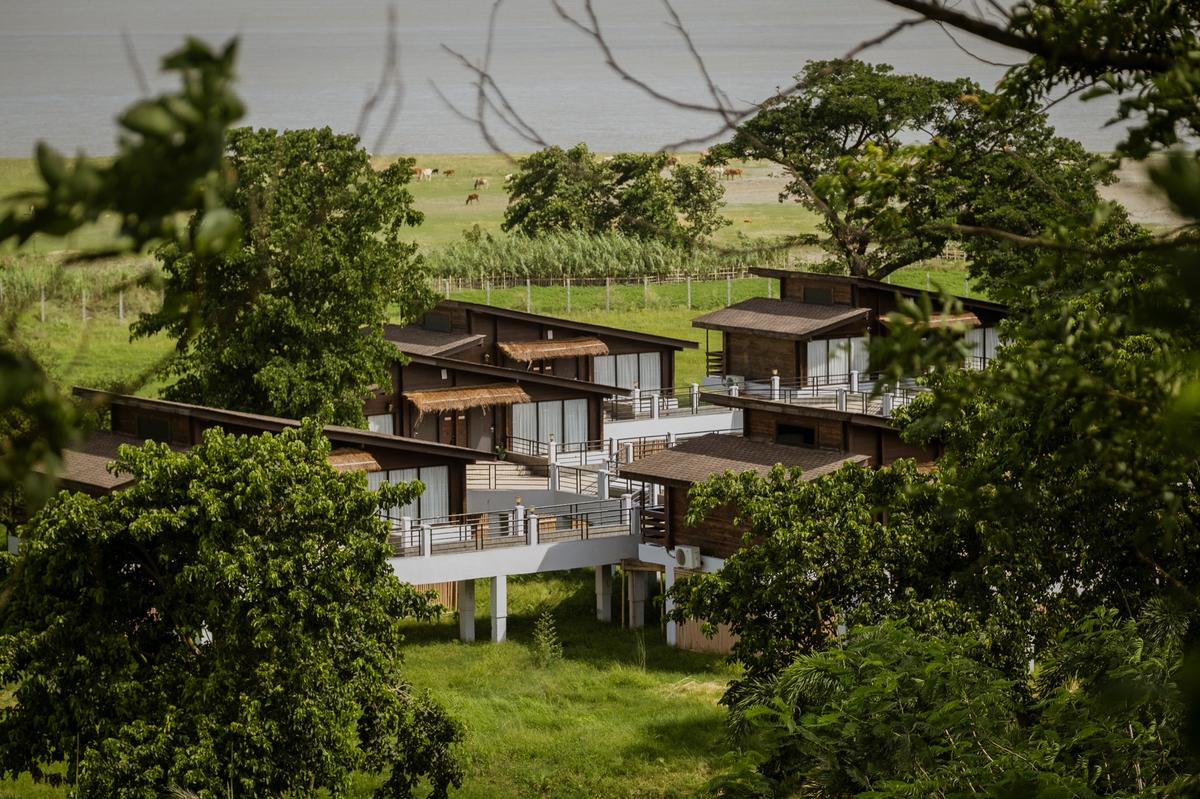
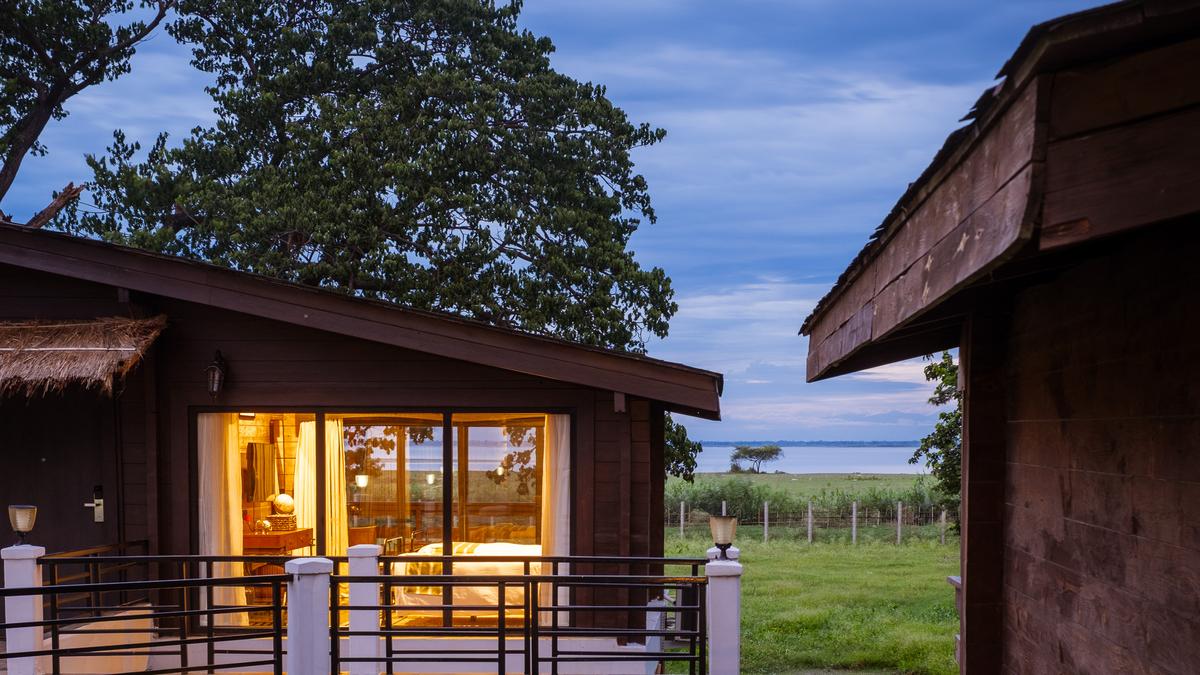
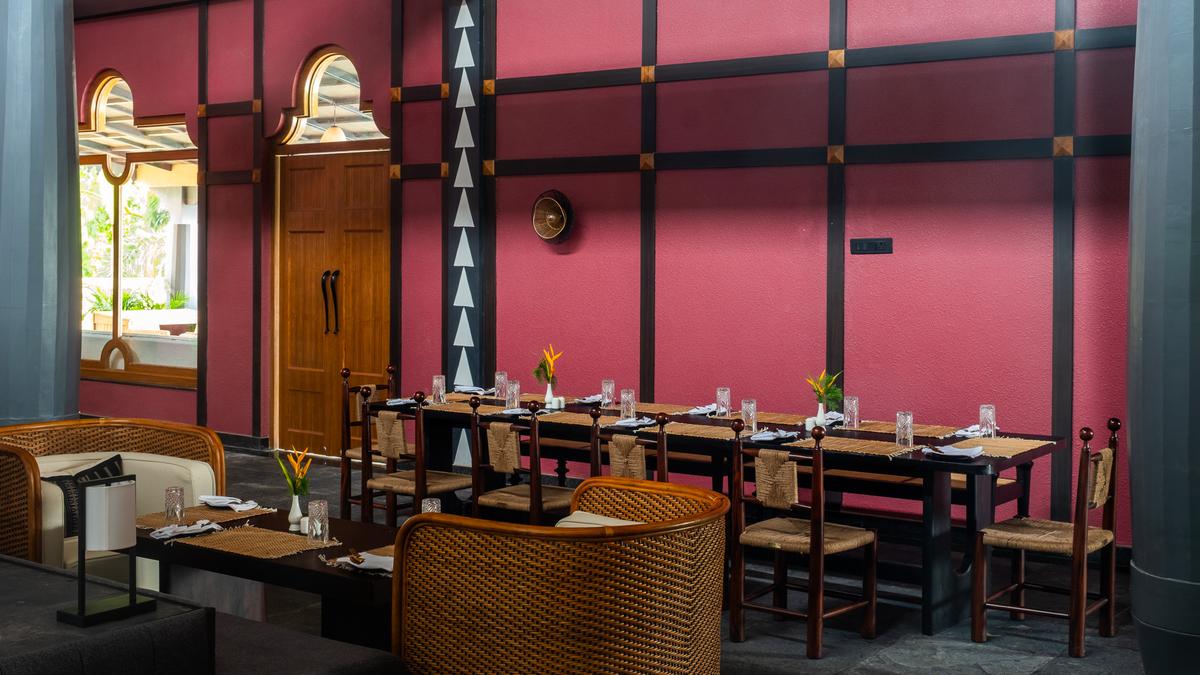
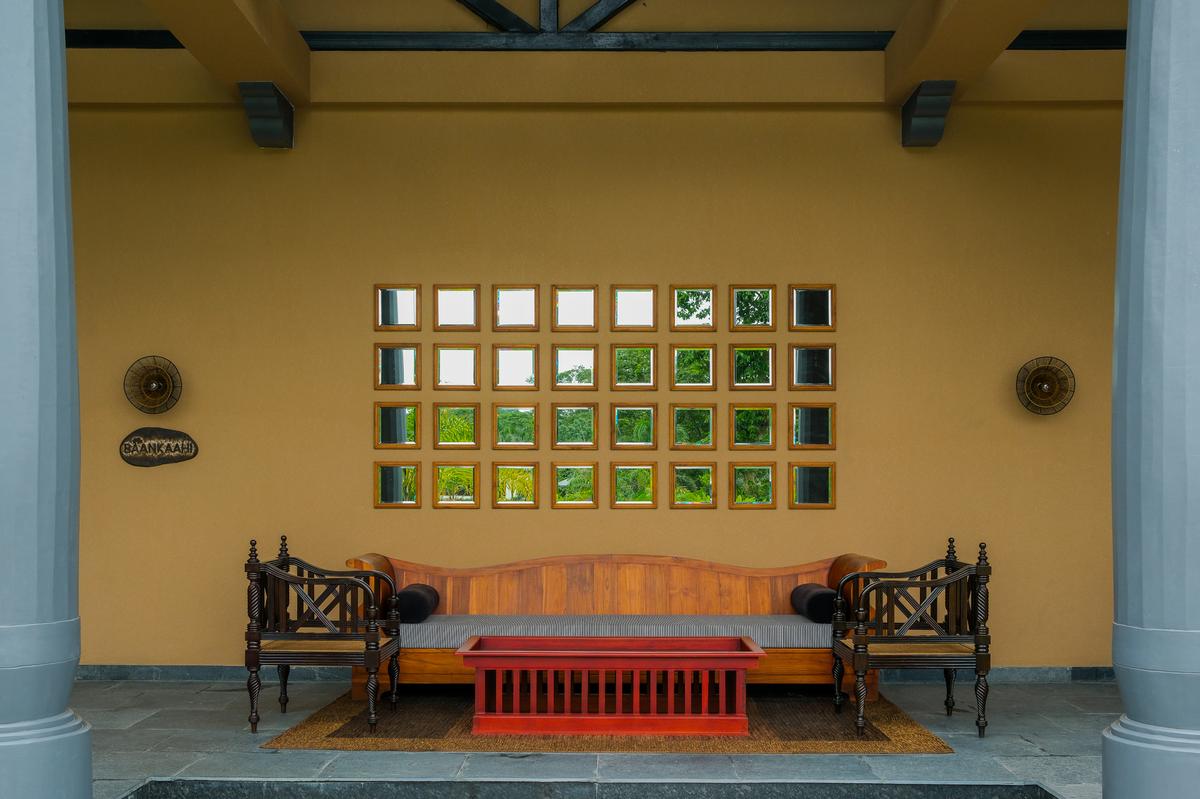
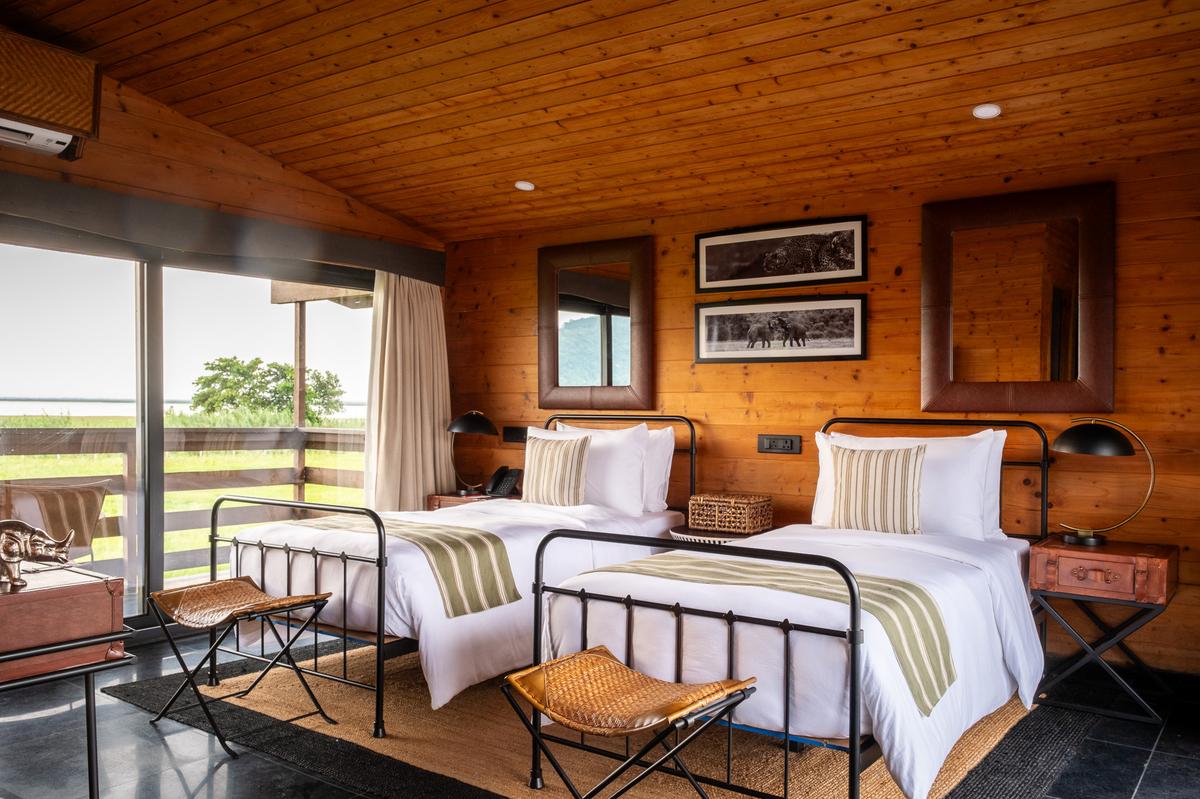
The retreat comprises 16 meticulously designed log-hut cottages. Rather than imposing urban aesthetics on a rural landscape, the property emphasizes "luxury through restraint." This is achieved through a collaborative architectural effort with renowned Naga designer Aku Zeliang. The structures draw inspiration from traditional Assamese monsoon houses, utilizing locally sourced bamboo, wood, and handwoven textiles. The result is a private sanctuary that feels less like a hotel and more like an extension of the surrounding ecosystem.
Chronology of an Immersion: From Birdsong to Stargazing
The experience at Rhino & River is structured around the natural clock of the Brahmaputra valley. A typical stay follows a chronological progression that emphasizes sensory engagement with the environment.
The Morning Prelude
Mornings begin not with the jarring sound of alarms, but with a natural symphony. The retreat’s balconies serve as front-row seats to an avian orchestra featuring Mynahs, hornbills, and white-throated kingfishers. As the sun rises, the Brahmaputra—visible from the resort’s elevated vantage point—begins to glisten, and the riverbanks stir with the activity of local "bhut-bhutis" (motorboats) ferrying villagers across the water.

The Mid-Day Safari
The late morning is typically reserved for the Pobitora safari. Under the guidance of resident naturalist Amarjyoti Boro, guests transition from the manicured pathways of the resort to the rugged tall-grass tracks of the sanctuary. The encounter with the rhino is the focal point, often occurring at a humbling proximity of 40 feet, where the only sound is the rhythmic "chomping" of grass.
The Afternoon Transition
Post-safari, the pace slows. Guests often engage in a "village walk," a self-paced exploration of Mayong’s rural landscape. This period is defined by the "khat-khat-khat" sound of traditional handlooms. The afternoon concludes with a river cruise on the Brahmaputra, timed to coincide with the appearance of the elusive Gangetic river dolphin (xihu).
The Evening Reflection
As night falls, the focus shifts to the culinary and the celestial. Dining at the signature restaurant, Ban Kahi, is accompanied by the sounds of the dhotora and bamboo flute. The day concludes with stargazing, as the lack of light pollution in Mayong reveals constellations rarely visible in India’s metropolitan hubs.
Supporting Data: Biodiversity and Cultural Heritage
To understand the significance of this retreat, one must look at the data governing its surroundings. Pobitora Wildlife Sanctuary, covering just 38.8 square kilometers, hosts over 100 one-horned rhinos, creating a density that ensures sightings are nearly guaranteed. This ecological richness is supplemented by a diverse migratory bird population, including black-necked storks and lesser whistling ducks.
The cultural data is equally compelling. Mayong remains a hub for traditional Assamese weaving. During village walks, guests observe the production of the gamusa (a ceremonial towel) and sador (traditional female attire). The retreat integrates this local economy by sourcing its decor and textiles directly from these village looms, ensuring that tourism revenue circulates within the immediate community.
Furthermore, the Gangetic river dolphin, an endangered species, finds a sanctuary in the deep channels of the Brahmaputra near Mayong. Naturalist Amarjyoti Boro notes that the dolphins are highly sensitive to silt accumulation; they prefer areas where the sand bed is not too high, requiring expert local knowledge to locate—knowledge that the retreat has institutionalized into its guest experiences.

Official Responses: The Philosophy of Design and Cuisine
The retreat’s ethos is articulated through its leadership and creative collaborators. The architectural and culinary directions provide a professional framework for what "Assamese Luxury" should represent.
The Architectural Mandate
Aku Zeliang, the Naga designer responsible for the interiors, has emphasized the use of indigenous craftsmanship. "The design is a celebration of the craft heritage of Northeast India," the property notes. By using bamboo and wood construction, the retreat avoids the carbon footprint of heavy concrete while honoring the "monsoon house" style designed to withstand the region’s heavy rainfall.
The Culinary Vision
The culinary program is a dual effort between Chef Ashish Rana and Chef Kashmiri Nath. Chef Nath, a prominent advocate for regional Northeast Indian cuisine, has curated a menu that rejects modern reinterpretation in favor of "resolute authenticity."
In an official statement regarding the dining experience, the retreat highlights the role of home Chef Ratna Bordoloi Das, who ensures that the warmth of traditional hospitality is maintained. The "Ban Kahi" (bell metal plate) service is not merely decorative; it is a traditional health practice in Assamese culture, as bell metal is believed to have medicinal properties.

Implications: The Future of Ecotourism in the Northeast
The emergence of properties like Rhino & River Wildlife Retreat and Spa has significant implications for the regional economy and the broader Indian tourism industry.
1. Sustainable Economic Development: By employing local naturalists, home chefs, and sourcing from village weavers, the retreat provides a sustainable alternative to the agrarian-only economy of Mayong. It proves that high-end tourism can coexist with—and actually bolster—traditional lifestyles.
2. Decentralization of Tourism: While Kaziranga often suffers from "over-tourism" and seasonal congestion, the promotion of Pobitora and Mayong through luxury retreats helps distribute the tourist load. This prevents ecological degradation in high-traffic zones and brings development to lesser-known corridors.
3. Preservation of Intangible Heritage: The inclusion of local folk music during dinner and the focus on traditional "jalpaan" (breakfast) prevents these customs from being lost to globalized hospitality standards. The retreat acts as a living museum of Assamese culture.

4. Conservation Awareness: By providing guests with an intimate, humbling experience with the one-horned rhino and the Gangetic dolphin, the retreat fosters a "conservationist mindset." Guests leave not just as tourists, but as ambassadors for the preservation of the Brahmaputra’s unique biodiversity.
Conclusion: A Model for Restrained Luxury
Rhino & River Wildlife Retreat and Spa stands as a testament to the fact that the most profound travel experiences are often those that require us to slow down. In the silence of Mayong, punctuated only by the sound of a rhino grazing or a shuttle moving across a loom, the retreat offers a masterclass in "unhurried" luxury. For the traveler seeking to understand the soul of Assam—beyond the brochures—this retreat provides the perfect vantage point, where the river meets the wild, and tradition meets the present.
Travel Information:
- Best Time to Visit: October to April (coinciding with the sanctuary’s opening dates).
- Access: 75 km from Guwahati; accessible via well-maintained road networks.
- Bookings: Available via www.rhinoandriver.com.
