

ZANZIBAR ARCHIPELAGO – To step off a plane in the Zanzibar archipelago is to enter a world where the air is thick with the scent of cloves and the warmth of a familiar greeting. For the Indian traveler, the experience is underscored by a profound sense of déjà vu. Beyond the white-sand beaches and the turquoise waters of the Indian Ocean lies a culinary and cultural landscape that serves as a living monument to centuries of migration, trade, and shared history between the Indian subcontinent and East Africa.
From the ubiquitous Swahili greeting of "Hakuna Matata" to the occasional, disarming "Kaise ho aap?" (How are you?) uttered by locals upon spotting an Indian visitor, the connection is visceral. However, it is on the dinner plate where this relationship is most eloquently expressed. In Zanzibar, the line between Indian and African soul food does not merely blur; it dissolves into a unique, cosmopolitan identity that locals call Swahili.
Main Facts: A Culinary Mirror Across the Ocean
The culinary landscape of Zanzibar is a tapestry woven from the threads of Omani, Portuguese, British, and, perhaps most significantly, Indian influences. The archipelago, long known as the "Spice Islands," was a central node in the global spice trade, a position that facilitated a massive exchange of ingredients and cooking techniques.
Visitors today find an array of dishes that are strikingly similar to Indian staples:
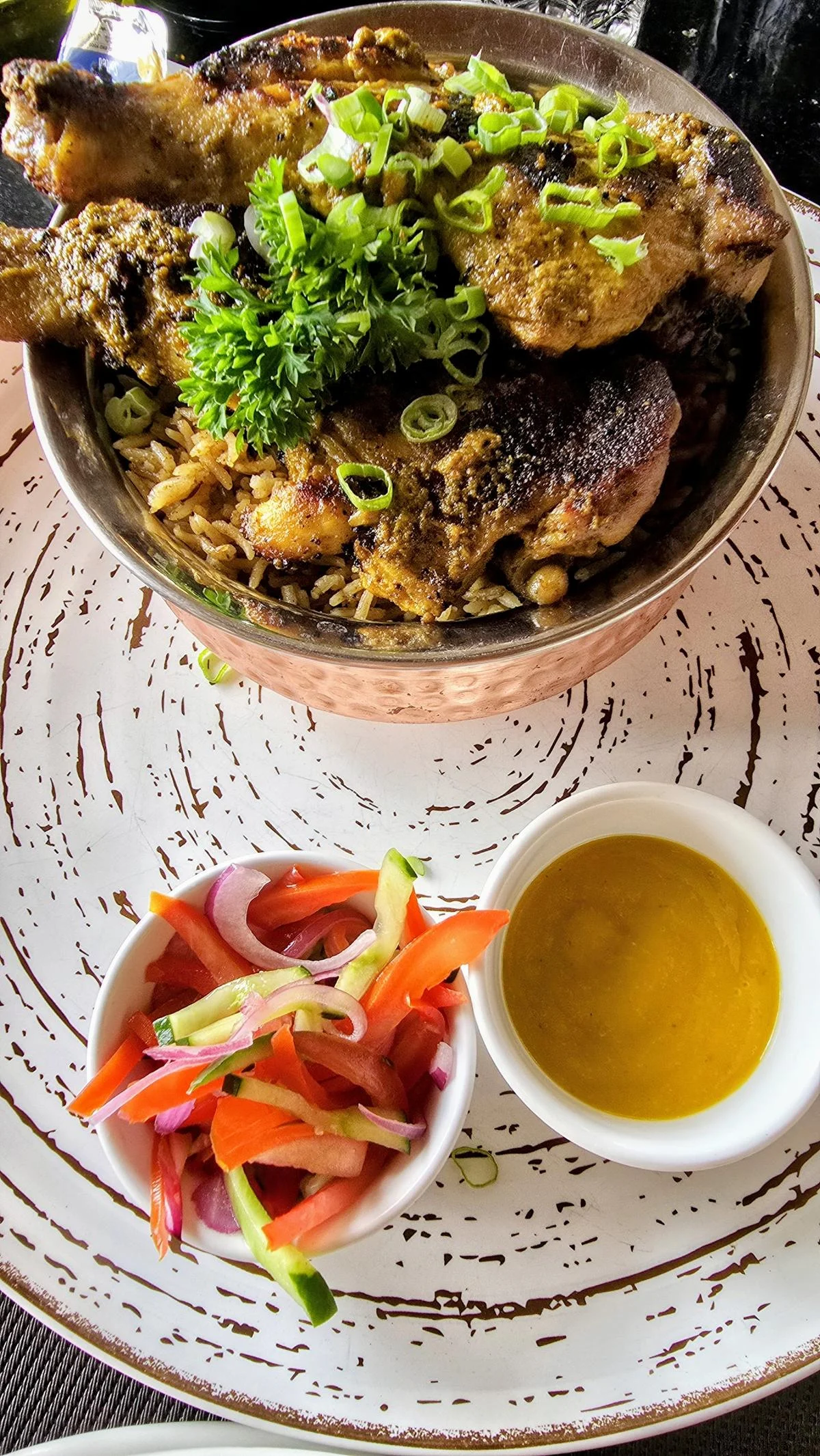
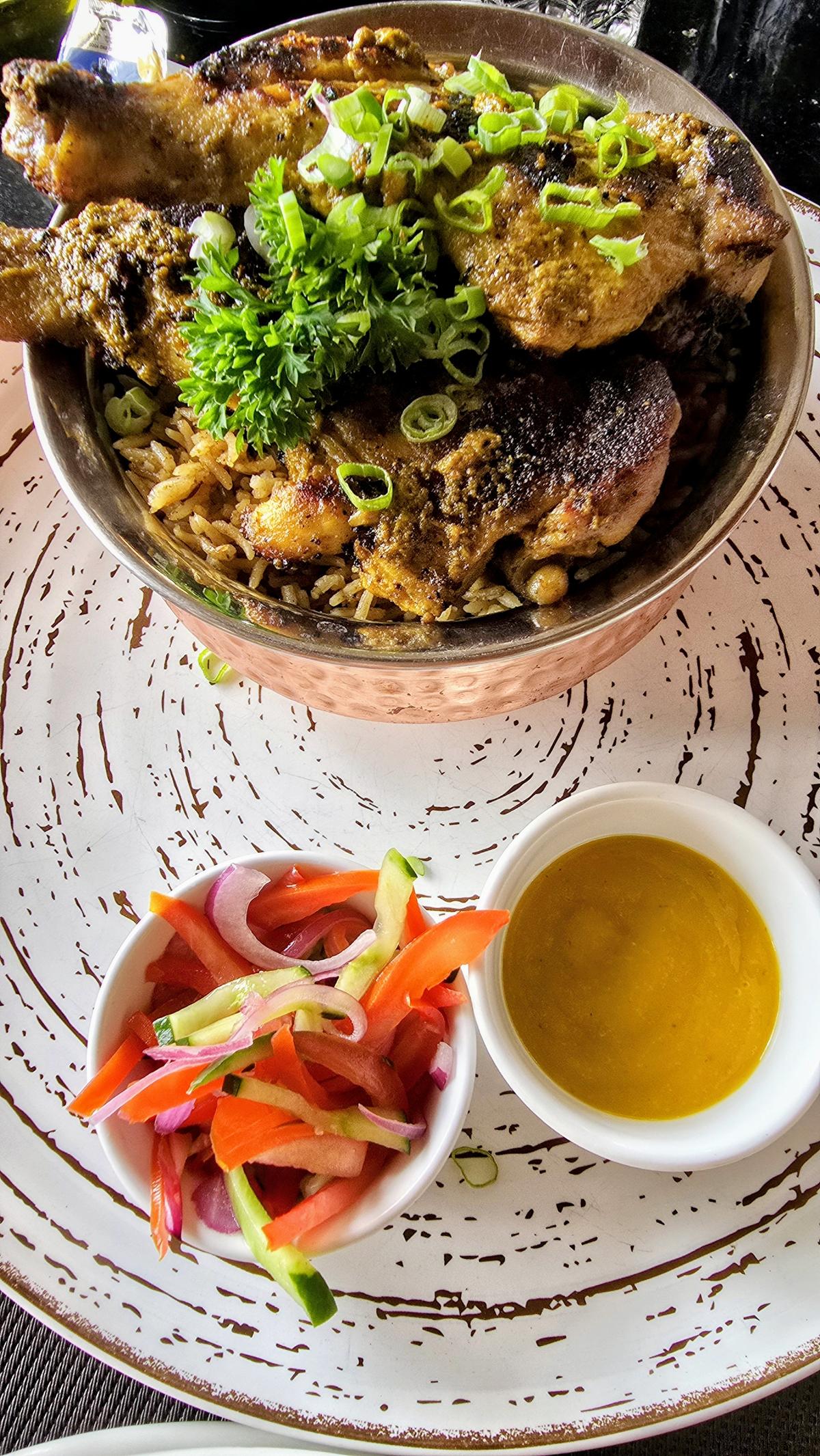
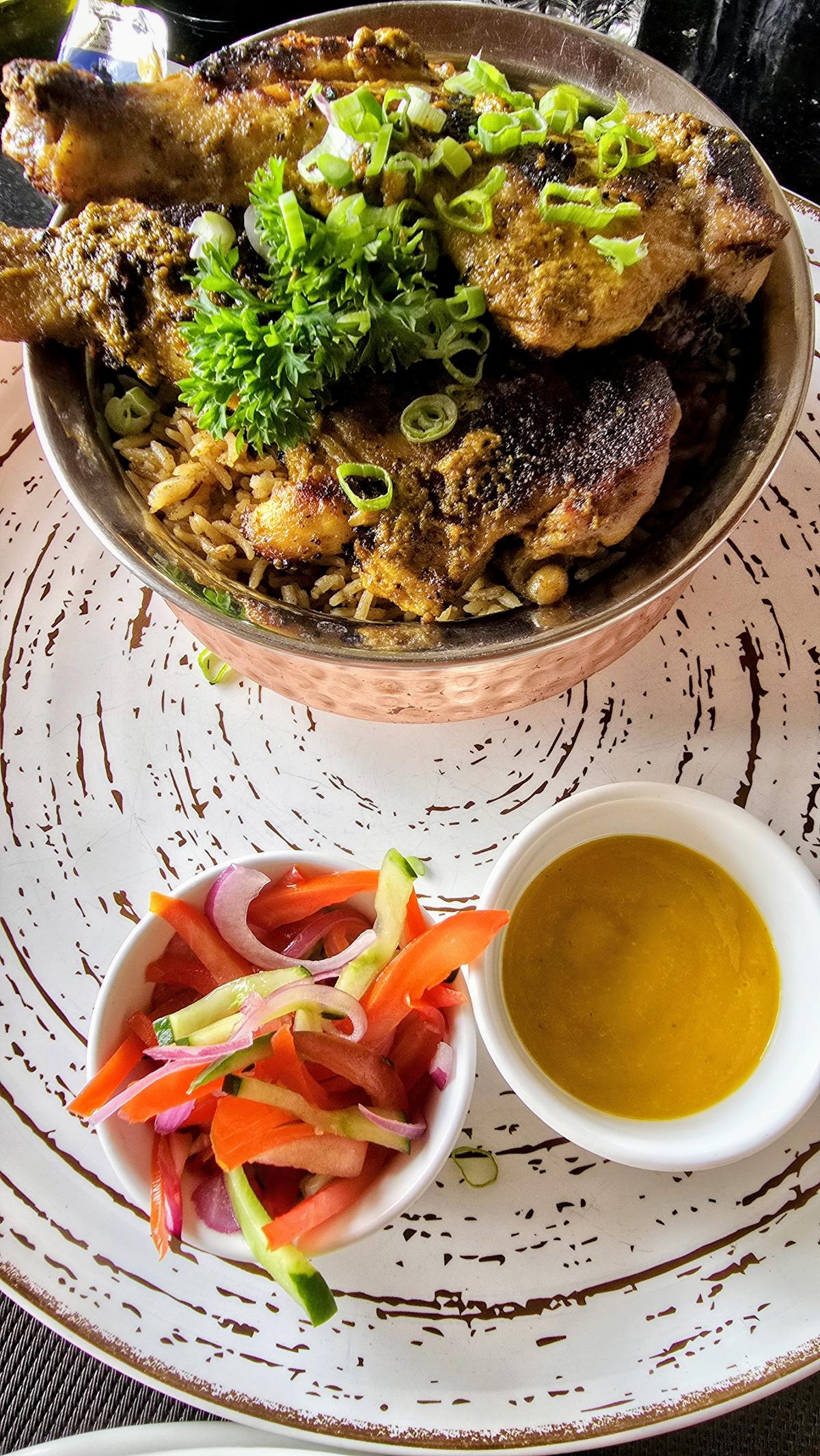
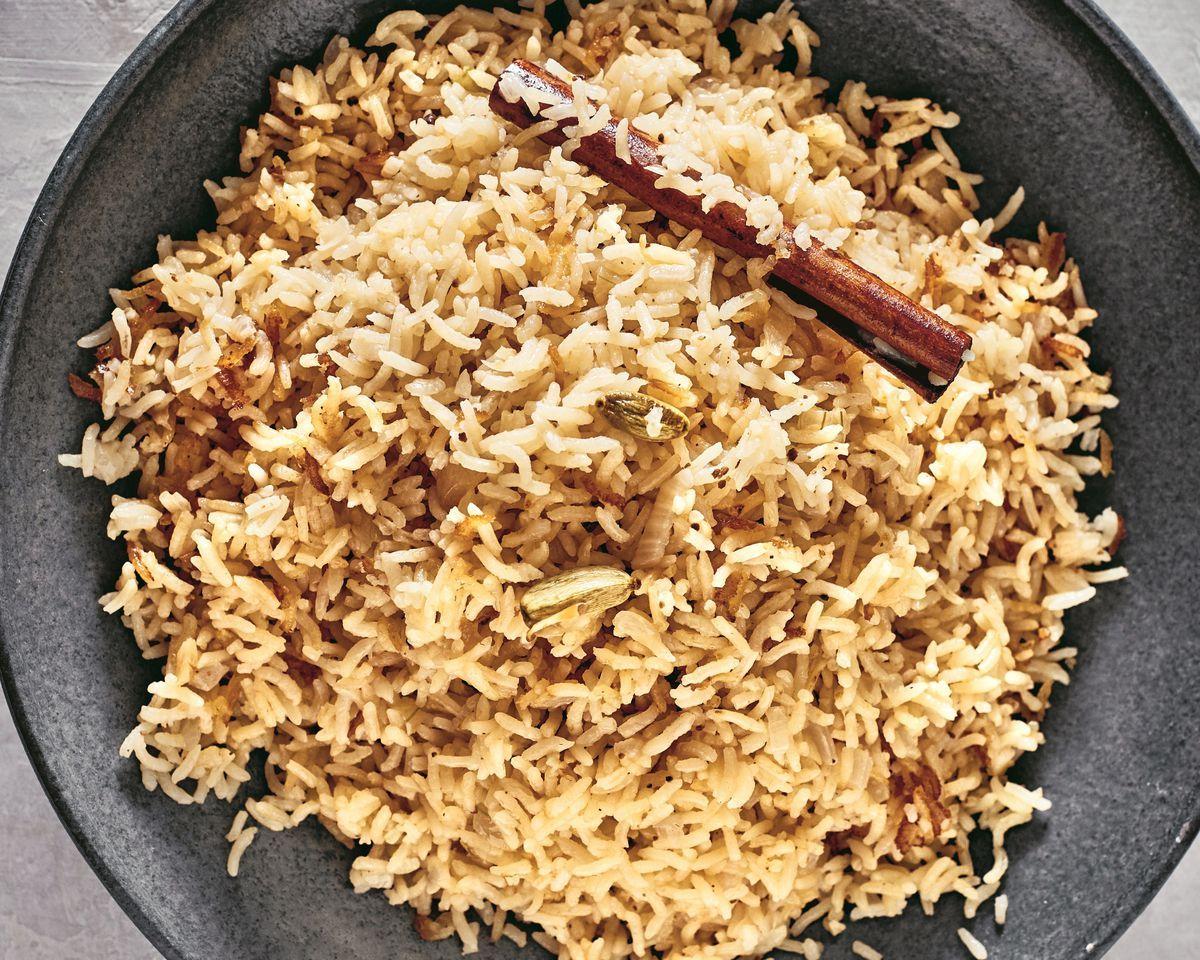
- Zanzibari Pilau: A fragrant rice dish that mirrors the Indian Pulao, yet distinguishes itself with a heavy reliance on whole spices like cloves, cinnamon, and black pepper, often finished with a smoky essence from caramelized onions.
- Sambusa: The local iteration of the Samosa, though typically smaller, meat-filled, and featuring a thinner, slightly more supple pastry than the heavy, triangular crust found in North India.
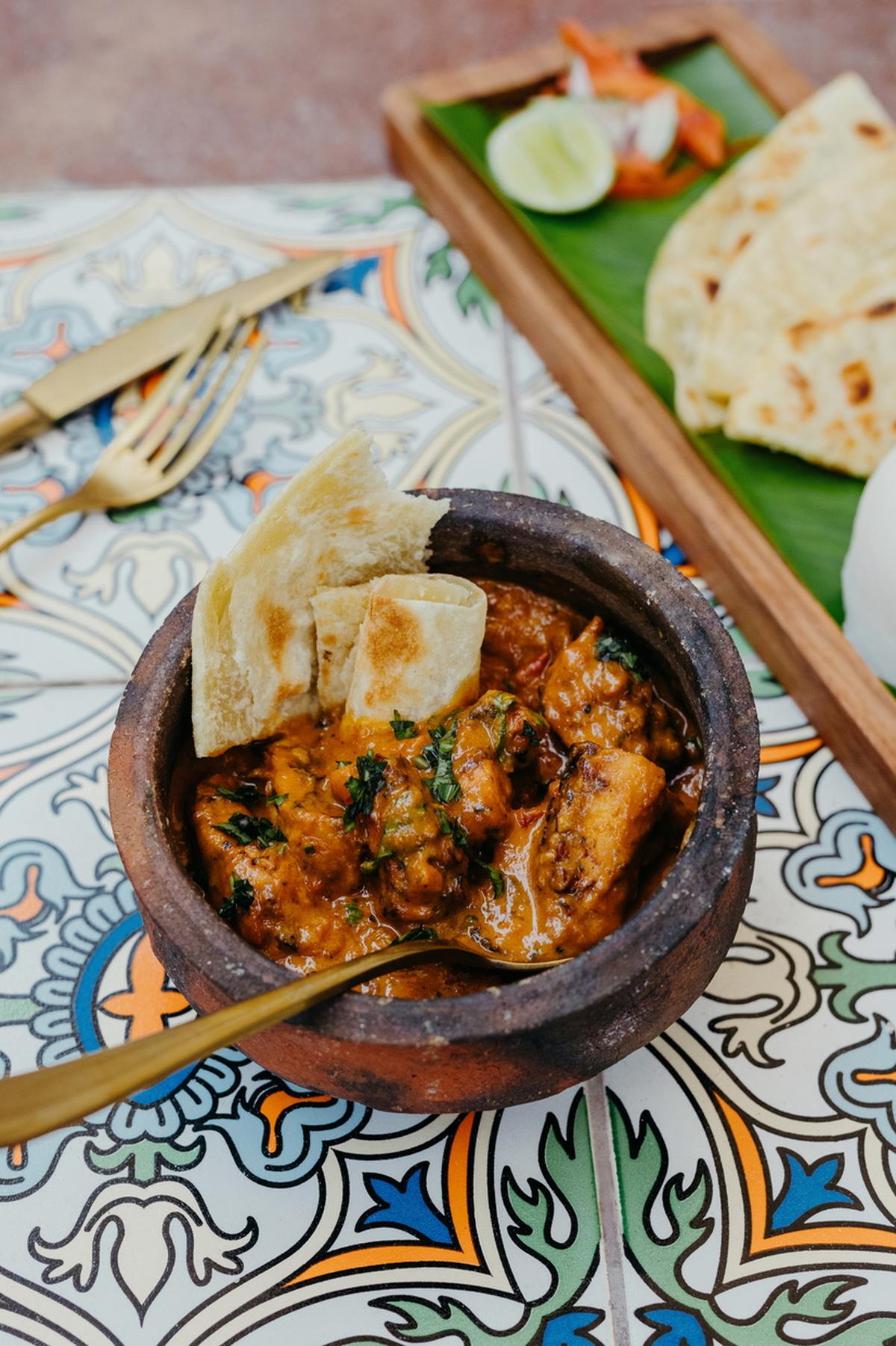
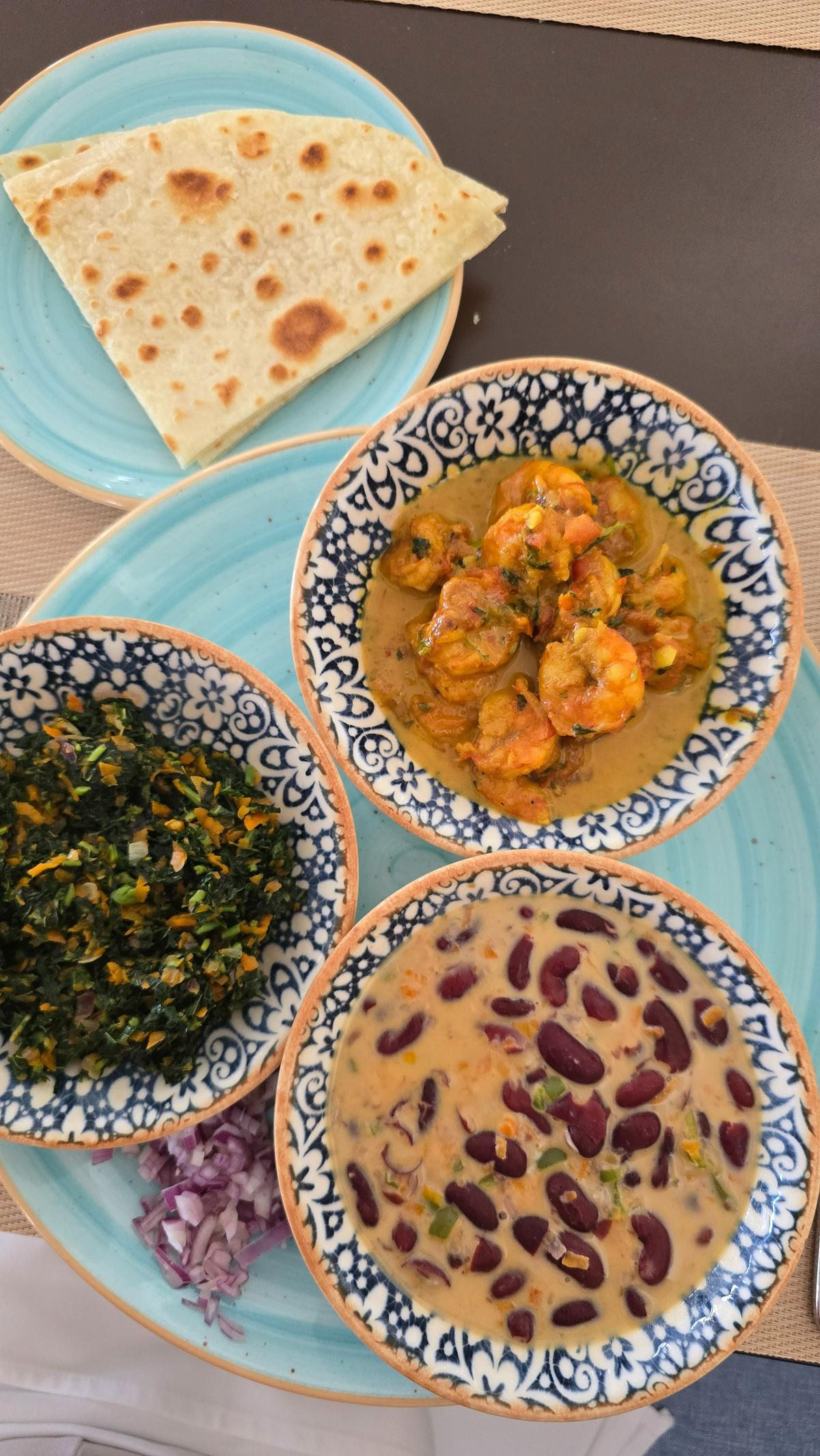
- Swahili Chapati: Unlike the dry, unleavened wheat flatbread of the Indian heartland, the Zanzibari version is flaky and layered, bearing a closer resemblance to the Laccha Paratha of the North or the Malabar Parotta of Kerala.
- Urojo: Often called "Zanzibar Mix," this tangy, turmeric-infused flour soup is a masterclass in fusion, combining potato balls (similar to batata vada), crispy bhajis, boiled eggs, and raw mango, reminiscent of Indian street chaat.
This "culinary déjà vu" is not accidental. It is the result of a centuries-old socio-economic partnership that transformed the flavors of the East African coast.
Chronology: From Ancient Dhows to Modern Markets
The timeline of Indian influence in Zanzibar is inextricably linked to the monsoon winds. For over a millennium, these winds dictated the movement of dhows across the Indian Ocean, bringing traders from the Kutch and Malabar coasts to the shores of East Africa.
The 15th to 17th Century: Early Encounters
While the Portuguese arrived in the late 15th century, their influence was largely military and administrative. During this period, Indian merchants—primarily from Gujarat—were already established as essential middlemen in the trade of ivory, gold, and textiles. These early traders brought with them basic culinary habits, but the true integration of flavors began under Omani rule.
The 19th Century: The Clove Boom and Settlement
In the 1830s, Sultan Seyyid Said of Oman moved his capital from Muscat to Zanzibar, recognizing the island’s potential for clove production. This era marked a massive influx of Indian settlers. Indian bankers from the Ismaili and Bohra communities financed the burgeoning clove industry, while shopkeepers from Gujarat and Kerala set up businesses in Stone Town.
These settlers did more than trade; they built homes and kitchens. They introduced the concept of the masala (spice blend), the technique of tempering spices in hot oil, and the use of the tandoor and flat griddles. By the time the British established a protectorate in 1890, the Indian community was so entrenched that their culinary contributions—such as tea-time snacks and festive biryanis—had already become "local" food.
Post-Independence and the Modern Era
Following the Zanzibar Revolution in 1964, many Indian families moved to the mainland, particularly to Dar es Salaam. However, the recipes remained. Today, the culinary identity of the archipelago is a permanent hybrid. The street food markets of Forodhani Gardens and Darajani are living museums where the chronology of this migration can be tasted in every bite.
Supporting Data: The Anatomy of a Hybrid Menu
The technical similarities between Indian and Zanzibari dishes are backed by shared ingredient profiles and cooking methodologies.
The Spice Profile
Zanzibar’s economy was built on Karafuu (cloves). While India is a major consumer of spices, Zanzibar became one of the world’s primary producers. In Zanzibari cooking, cloves are used with a heavy hand, featuring in almost every meat marinade and rice dish.
According to local culinary experts, the primary difference lies in the "heat" versus "aroma." While Indian cuisine (particularly from regions like Andhra or Rajasthan) focuses on the pungent heat of various chilies, Zanzibari food prioritizes the earthy, warming notes of cardamom, cinnamon, and black pepper. The use of coconut milk is another point of data-driven comparison; much like the coastal cuisine of Kerala and Goa, Zanzibari curries like Maharage (red beans) and Mchicha (spinach) rely on fresh coconut milk for creaminess rather than the onion-tomato gravies common in North India.
Street Food Metrics
At the Forodhani Gardens night market, approximately 40% of the vendors sell items with direct Indian lineages. The "Zanzibar Pizza," a famous local street food, is essentially a derivative of the stuffed Murtabak or Mughlai Paratha, modified with local toppings and often served with a side of mango achaar (pickle).
Official Responses: The Chef’s Perspective
To understand the nuance of this fusion, one must look to the kitchens of the island’s leading resorts and local cooking schools.
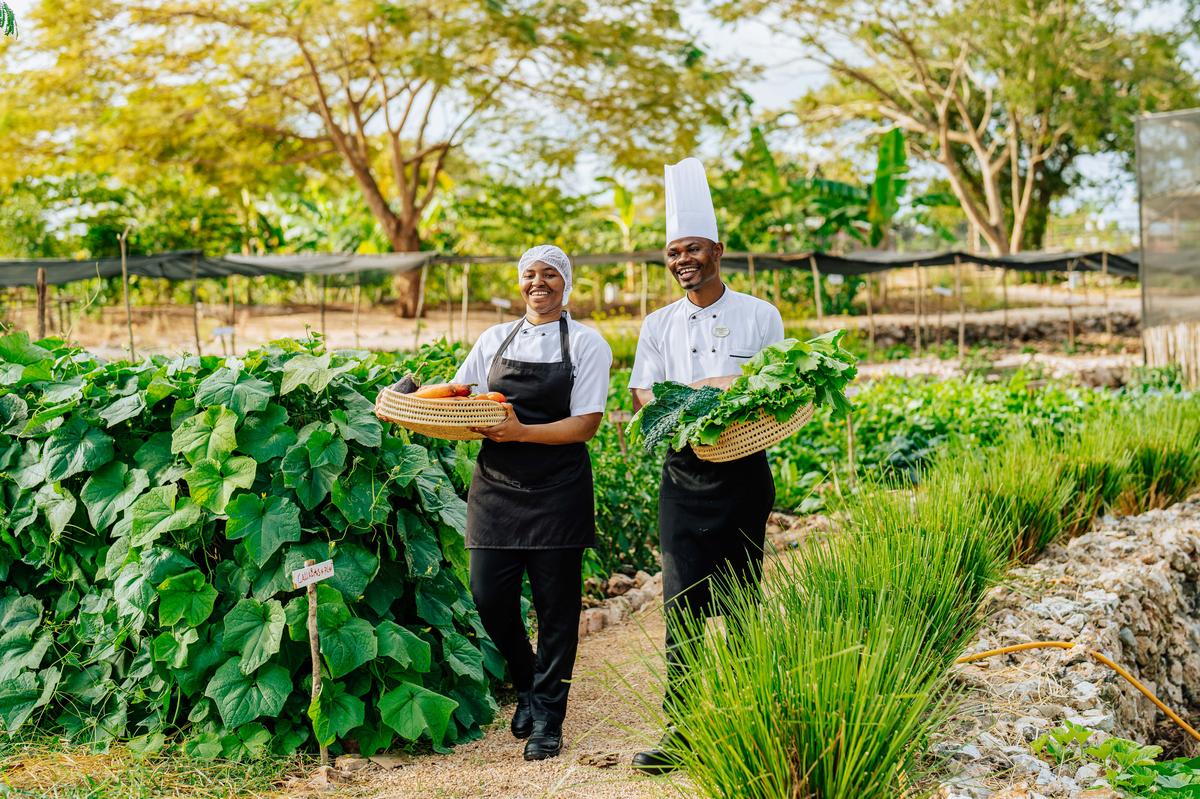
Aisah, a sous chef at the LUX* Marijani Resort, conducts cooking classes that bridge the gap between the two cultures. "It is all about bold spices, fresh seafood, and coconut," she explains. "These ingredients reflect our history as a trading hub. When Indian guests come here, they are shocked at how much we use their spices, but they also notice our palate is slightly different. We like it spicy, but we love it fragrant."

During a session involving the preparation of Swahili Prawn Curry, Aisah notes that while the base of ginger, garlic, and turmeric is identical to an Indian curry, the addition of local tamarind and a specific Zanzibari "curry powder" (a blend that often includes more coriander and less chili than Indian variants) gives it a distinct island identity.
Leon Weir, the executive chef at The Residence Zanzibar, echoes this sentiment regarding the subtlety of the influence. "The most prominent Indian influence is the selection of spices that made their way here from India," Weir states. "Cinnamon and cloves are staples, especially in marinades. However, the overall taste differs, as Zanzibar tends to use milder, less pungent spices compared to Indian cooking. Locals tried to recreate the recipes brought in by migrants, but limited access to certain ingredients in the past led to these beautiful, subtle changes."
Implications: Food as a Vessel of History
The persistence of Indian flavors in Zanzibar carries significant cultural and sociopolitical implications.
Preservation of Heritage
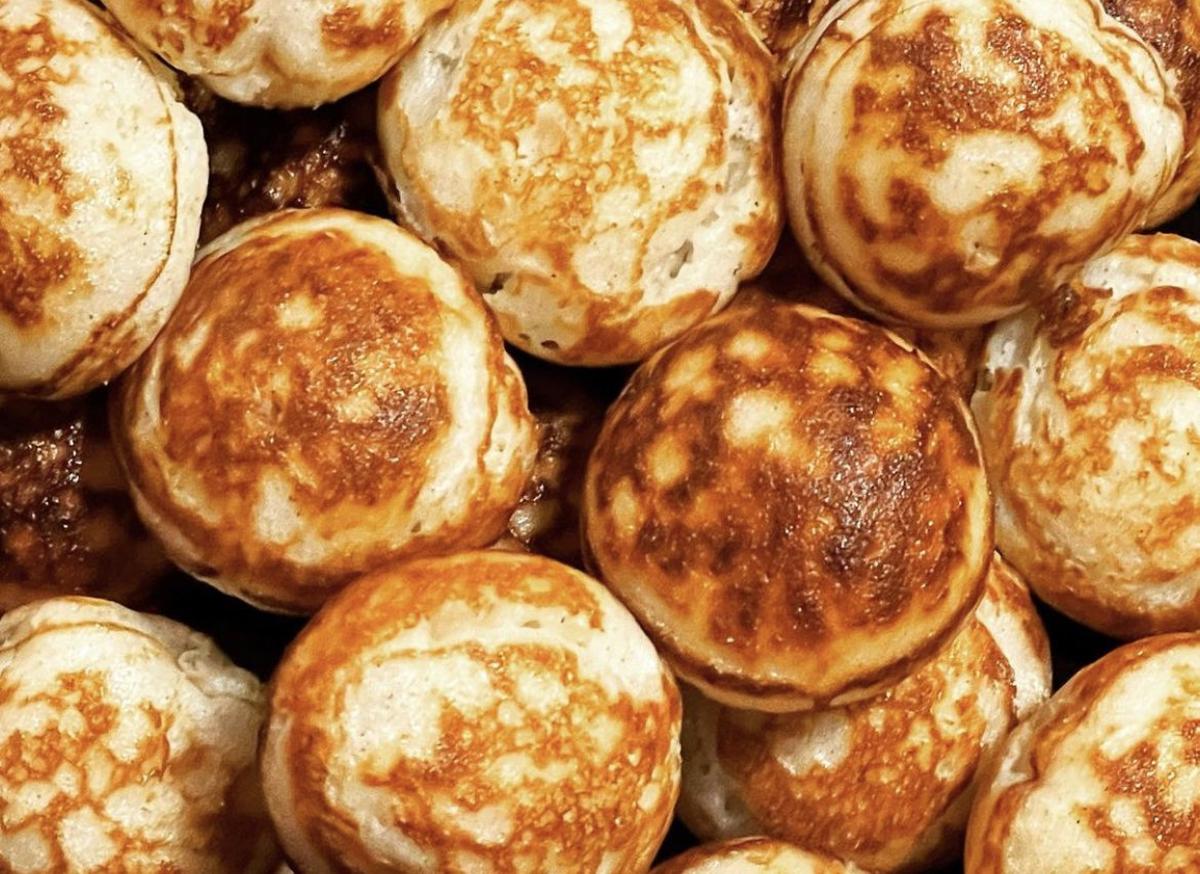
In a world where globalization often leads to the homogenization of culture, Zanzibar’s food acts as a "flavor archive." It preserves the history of the Indian diaspora in East Africa, a community that has faced periods of both immense prosperity and political upheaval. The fact that a Swahili family in a remote village in Pemba starts their day with Maandazi (similar to the Mangalorean bun or poori) is a testament to the deep-rooted nature of this cultural exchange.
Tourism and Economic Identity
Culinary tourism is a growing sector for Tanzania. By highlighting the "Spice Island" heritage and its Indian connections, Zanzibar has successfully positioned itself as a destination for "foodies" rather than just "sun-seekers." The UNESCO World Heritage status of Stone Town is supported not just by its architecture, but by the intangible heritage of its markets and street food.
The Evolution of "Authenticity"
The Zanzibari experience challenges the traditional notion of "authentic" food. Is a Sambusa less authentic because it isn’t an Indian Samosa? On the contrary, the implication of Zanzibar’s culinary success is that authenticity is a fluid concept. The archipelago has taken foreign imports—spices from India, cassava from the Americas, and tea from China—and synthesized them into something entirely new.
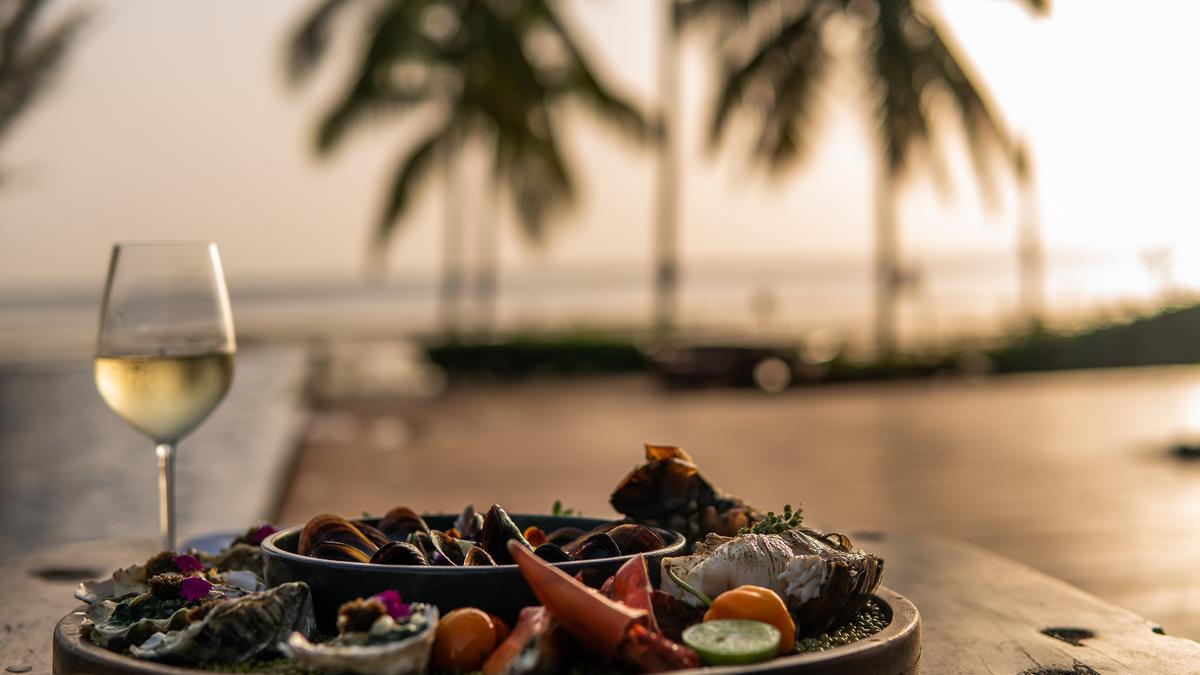
As the sun sets over the Forodhani Gardens and the smoke from a hundred grills rises into the humid air, the reality of Zanzibar becomes clear. It is a place where the Indian Ocean does not divide, but connects. Whether it is through a bite of a spice-laden Pilau or the flaky layer of a Chapati, the story of Zanzibar is a reminder that the most enduring legacies of human migration are often found in the kitchen. In the end, the "Hakuna Matata" spirit is best served with a side of ginger tea and a warm, meat-filled Sambusa.
