

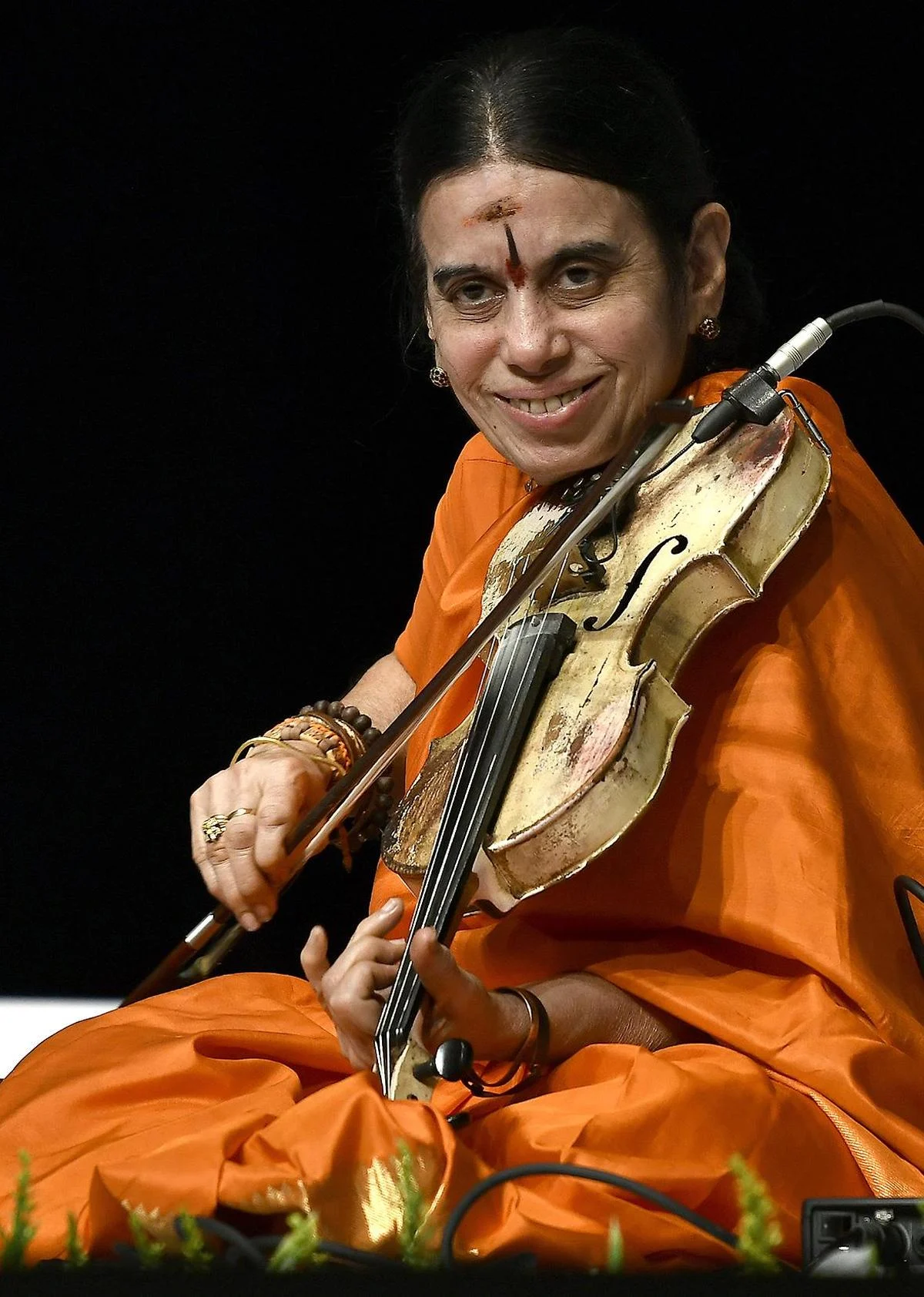
Chennai, India – August 4, 2026 – In a fitting culmination to a groundbreaking musical journey, acclaimed vocalist Delhi P. Sunderrajan delivered the final concert of the "Ekaika Raga Kritis of Tyagaraja" series on Saturday evening at the Arkay Convention Center. The series, meticulously curated and launched by the legendary violinist A. Kanyakumari in June of the previous year, aimed to explore the rich tapestry of Tyagaraja’s compositions that are uniquely associated with a single raga. As the thirteenth and concluding performance, Sunderrajan faced the unique challenge of presenting a repertoire where many of the rarer gems had already been unveiled. However, rather than a limitation, this constraint proved to be the fertile ground upon which a performance of profound interpretative depth and artistic maturity blossomed.
The Genesis of a Unique Series: Unearthing Tyagaraja’s Solitary Raga Treasures
The "Ekaika Raga Kritis of Tyagaraja" series embarked on an ambitious mission: to systematically explore a specific facet of the Carnatic music trinity’s most prolific composer. Tyagaraja, revered for his devotional intensity and melodic genius, composed a vast corpus of works. Within this immense body of work lies a significant collection of kritis, each intrinsically linked to a single, distinct raga. These "ekaika ragas" represent compositions where the raga’s melodic structure and emotional essence are so perfectly intertwined with the lyrical content that they exist almost as inseparable entities.
The series, conceived and spearheaded by the esteemed violinist A. Kanyakumari, aimed to bring these often-overlooked compositions to the forefront. Over twelve preceding months, the Arkay Convention Center had played host to a systematic exploration, unveiling approximately one hundred such kritis. This methodical approach meant that by the time Delhi P. Sunderrajan took the stage for the final act, the pool of undiscovered "ekaika ragas" was understandably diminished. The prospect of repetition loomed, a potential pitfall for any artist tasked with such a comprehensive exploration.
Transforming Constraint into Opportunity: A Vocalist’s Vision
Delhi P. Sunderrajan, a musician renowned for his versatility as a violinist, vocalist, and esteemed guru, approached this final concert not as a hurdle, but as an opportunity to demonstrate the power of interpretive artistry. In an era often driven by the pursuit of novelty in selection, Sunderrajan shifted the focus to the depth of his rendition. The emphasis was squarely placed on the kritis themselves, allowing the inherent beauty and emotional resonance of Tyagaraja’s compositions to take center stage. The resulting concert was a captivating blend of familiar melodies presented with fresh insight and rarer pieces that found their deserving spotlight. Nine compositions formed the core of the recital, with Sunderrajan’s manodharma (improvisational music) thoughtfully integrated to enhance, rather than overshadow, the composer’s original intent.

A Journey Through Ragas and Emotions: The Concert Unveiled
The evening commenced with "Padavi ni sadbhaktiyu" in the raga Salagabhairavi. This kriti, which poignantly critiques superficial piety while championing genuine devotion, set a brisk and contemplative tone. Sunderrajan’s rendition was marked by clarity and a profound understanding of the lyrical message, capped by a concise yet impactful swara segment.
The true brilliance of Sunderrajan’s artistry, however, began to shine with his alapana of Bhushavali. This shadava-sampurna raga, characterized by the omission of the nishada in its ascent, is derived from Vachaspathi and possesses a distinct, evocative character. Sunderrajan meticulously maintained the raga’s identity throughout his exploration, with characteristic phrases flowing with an almost ethereal elegance. The accompanying violinist, M.A. Sundareswaran, responded with a sweet and silken tone, creating a beautiful dialogue between the melody and its instrumental echo. The vocalist’s subsequent rendition of "Tanamidane," a kriti where Tyagaraja humbly admits his failings to Lord Rama, was a revelation. It prompted an immediate question: why is this gem not heard more frequently in concert halls? The deft presentation of kalpanaswaras further elevated the performance, adding a layer of intricate melodic interplay.
The raga Vasanthabhairavi, set in Rupakam tala, provided the backdrop for the kriti "Nee dayarada." This piece showcased the subtle nuances of sangatis (melodic variations within a phrase), with familiar embellishments gracing the pallavi and intriguing, less-explored variations appearing in the charanam. Sunderrajan’s performance highlighted the compositional brilliance of Tyagaraja in weaving intricate melodic lines within a structured framework.
Following this, the concert ventured into the rarer territory of Swarabhushani, a shadava-shadava raga with an asymmetric scale (omitting rishabham in the ascent and gandharam in the descent), derived from Kharaharapriya. The kriti chosen was "Varadaraja ninnu kori," also in Rupaka tala. This composition is a vivid portrayal of the revered Garuda Seva festival, drawing a powerful parallel between the Lord’s effulgence on the moving Garuda mount and the radiant moon shining amidst a constellation of stars. Sunderrajan’s interpretation captured the visual splendor and devotional fervor embedded within the lyrics.

Moments of Reflection and Vigorous Exchange
The raga Subhapantuvarali ushered in a more introspective mood. Sunderrajan’s exploration of this raga, particularly in the mandhra sthayi (lower octave), was characterized by measured and meditative phrases. Long, sweeping melodic lines towards the end provided a perfect counterpoint to the initial contemplative passages. The kriti "Ennalu urake" is a masterclass in expressive composition, conveying a sentiment of mock indignation and loving confrontation, born from a profound sense of intimate devotion. In this piece, Tyagaraja adopts the persona of a lawyer presenting a case, questioning the Lord’s perceived indifference by reminding him of his divine history. The niraval at the line "Satatamu tyagaraju nammaga leda?" – a rhetorical question meaning "Didn’t Tyagaraja forever keep faith in you?" – masterfully sustained the emotional arc of the song. The subsequent swara passages sparkled with seamless coordination between the musicians, with soaring improvisations in the upper register adding a dazzling dimension.
The concert continued with "Manavyala kincha ratade" in Nalinakanti and "Evvare Ramayya" in Gangeyabhushani, each offering distinct musical contours and emotional palettes. A brief but evocative delineation of the raga Andolika, whose name translates to "palanquin" or "swing," led into the kriti "Raga sudha rasa." This composition proved to be a perfect embodiment of the raga’s name, akin to a sovereign carried in a palanquin. Andolika seemed to lift the kriti’s theological themes of sacrifice, union, and enjoyment, carrying Tyagaraja’s ecstatic vision of Omkara in a single, melodic procession.
Rhythmic Prowess and a Harmonious Conclusion
The rhythmic foundation of the evening was provided by Tiruvarur Vaidyanathan on the mridangam and K.V. Gopalakrishnan on the kanjira. Their synergy with the vocalists was a constant source of strength. The tani avartanam (percussion solo), performed by Vaidyanathan and Gopalakrishnan in two-kalai Adi tala, was crisp, lively, and showcased their individual virtuosity and collective understanding. Vaidyanathan’s energy and extensive experience were palpable, adding a dynamic layer to the performance.
The concluding composition of the concert was "Kamalaptakula" in the raga Brindavana Saranga. This raga, known for its vibrant and engaging character, provided a spirited finale to the musical offerings. As a fitting benediction, the evening concluded with the rendition of "Pavamana," serving as the mangalam (auspicious concluding song) not only for the concert but for the entire "Ekaika Raga Kritis of Tyagaraja" series itself, bringing a sense of closure and fulfillment to the month-long musical exploration.

Supporting Data and Artistic Merit
The success of the "Ekaika Raga Kritis of Tyagaraja" series and its concluding concert by Delhi P. Sunderrajan can be gauged by several factors:
- Audience Engagement: The sustained interest in the monthly concerts, culminating in a well-attended final performance, underscores the audience’s appreciation for this unique exploration of Tyagaraja’s oeuvre.
- Artistic Depth: Sunderrajan’s approach prioritized interpretative nuance over mere novelty, demonstrating a deep understanding of the composer’s intent and the emotional landscape of each raga.
- Ensemble Collaboration: The seamless interplay between Sunderrajan, M.A. Sundareswaran, Tiruvarur Vaidyanathan, and K.V. Gopalakrishnan was a testament to their collective musical intelligence and years of collaboration.
- Rarity of Repertoire: The series successfully brought to light approximately one hundred kritis that are singularly linked to specific ragas, many of which are rarely heard in mainstream concerts. This significantly contributes to the preservation and dissemination of a specialized aspect of Carnatic music.
- Educational Value: The series served as an invaluable educational platform for both musicians and connoisseurs, offering a deeper understanding of Tyagaraja’s compositional genius and the intricacies of raga structure.
A Legacy of Musical Exploration
The "Ekaika Raga Kritis of Tyagaraja" series, under the visionary curation of A. Kanyakumari and brought to life by artists like Delhi P. Sunderrajan, has left an indelible mark on the Carnatic music landscape. It has not only celebrated the genius of Tyagaraja but also highlighted the importance of exploring diverse facets of classical music with scholarly rigor and artistic passion. As the final notes of "Pavamana" resonated, it marked the end of a significant musical endeavor, but the echoes of its profound explorations will undoubtedly continue to inspire and resonate within the hearts of music lovers for years to come. The series stands as a testament to the enduring power of classical music to reveal new depths and perspectives, even within its most revered traditions.
