

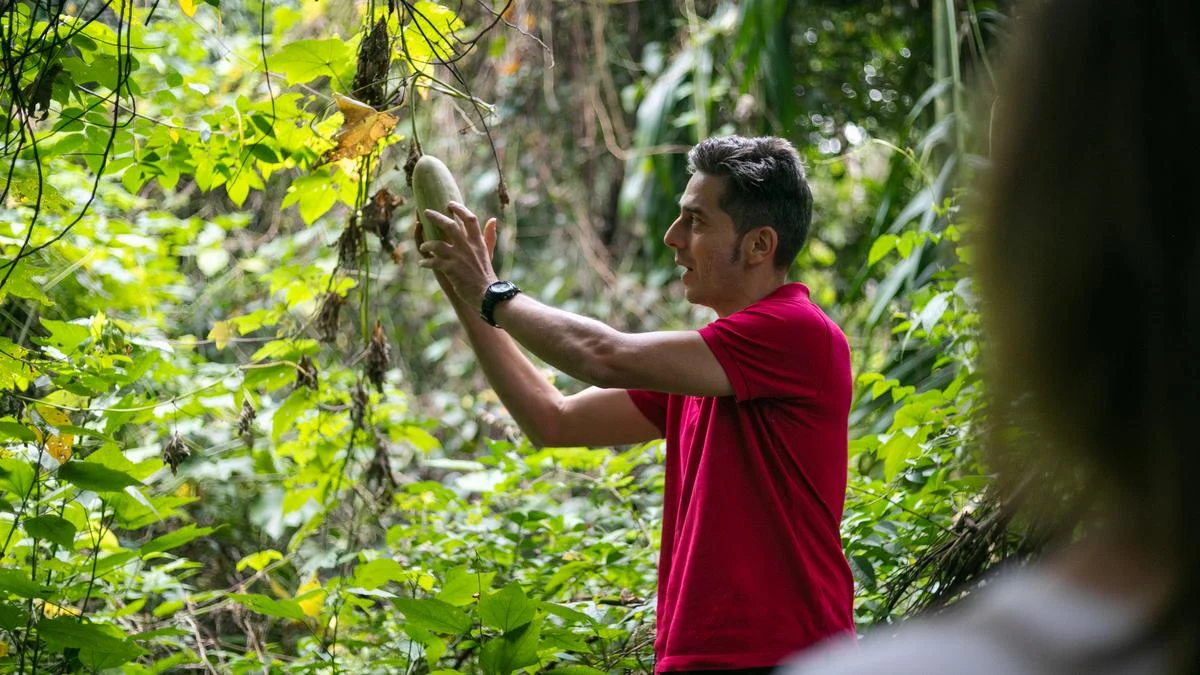
GOA – As the mercury rises across the coastal plains and the hinterlands of the Western Ghats, a distinct olfactory shift takes place in the state of Goa. The salty sea breeze is momentarily overtaken by the pungent, sweet, and fermented aroma of ripening cashew apples. For the local population, this scent signals the arrival of the most anticipated period of the year: the Urrak season.
A fleeting seasonal delicacy available only between March and May, Urrak is the first distillate of fermented cashew apple juice. While its more famous successor, Feni, enjoys a Geographical Indication (GI) tag and year-round availability, Urrak remains a transient, un-bottled treasure—a drink that defines the Goan summer and serves as a liquid bridge between the state’s agrarian past and its modern culinary aspirations.
Main Facts: Understanding the Spirit of the Soil
Urrak is often described by connoisseurs as the "cloudy, cooling precursor" to Feni. Unlike Feni, which undergoes a second distillation to reach a higher alcohol-by-volume (ABV) and a more intense profile, Urrak is the result of the initial distillation process. It typically possesses an ABV of around 12% to 15%, making it significantly lighter and more approachable for daytime consumption during the sweltering heat of April and May.

The production of Urrak is inextricably linked to the cashew harvest. The cashew tree (Anacardium occidentale), though not native to India—having been introduced by the Portuguese in the 16th century—has become the cornerstone of Goa’s tropical landscape and its distillation economy.
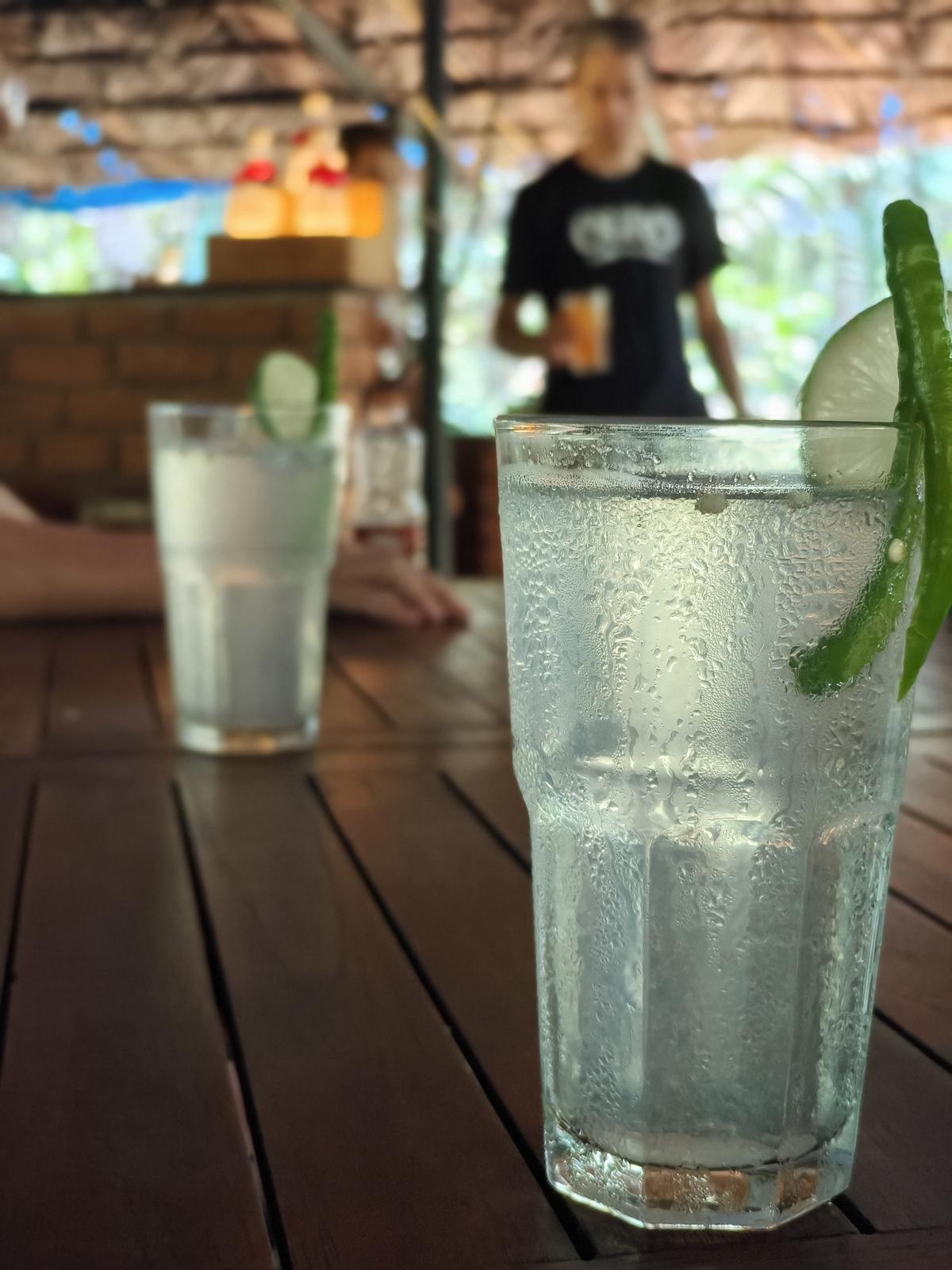
The drink is characterized by its hazy appearance and a flavor profile that is floral, fruity, and deeply evocative of the cashew apple. It is traditionally consumed with a splash of lemonade (Limca), a pinch of salt, and a slit green chili, creating a balance of sweet, sour, salty, and spicy notes that locals claim is the ultimate antidote to the summer sun.
Chronology of a Season: From Harvest to Glass
The lifecycle of Urrak is brief and follows a strict chronological order dictated by nature:
- Late February to Early March: The cashew apples begin to ripen and fall from the trees. Unlike other fruits, cashew apples are not plucked; they are gathered from the ground once they have naturally matured and fallen.
- The Crushing (Mid-March): The apples are separated from the nuts. In traditional plantations, the fruit is still crushed underfoot in stone basins called kolmbi, though mechanical presses are increasingly common. The extracted juice, known as niro, is a refreshing non-alcoholic beverage in its own right.
- Fermentation: The juice is collected in large earthen or plastic vats and allowed to ferment naturally for two to three days. No external yeast is added; the ambient wild yeasts of the Goan countryside do the work.
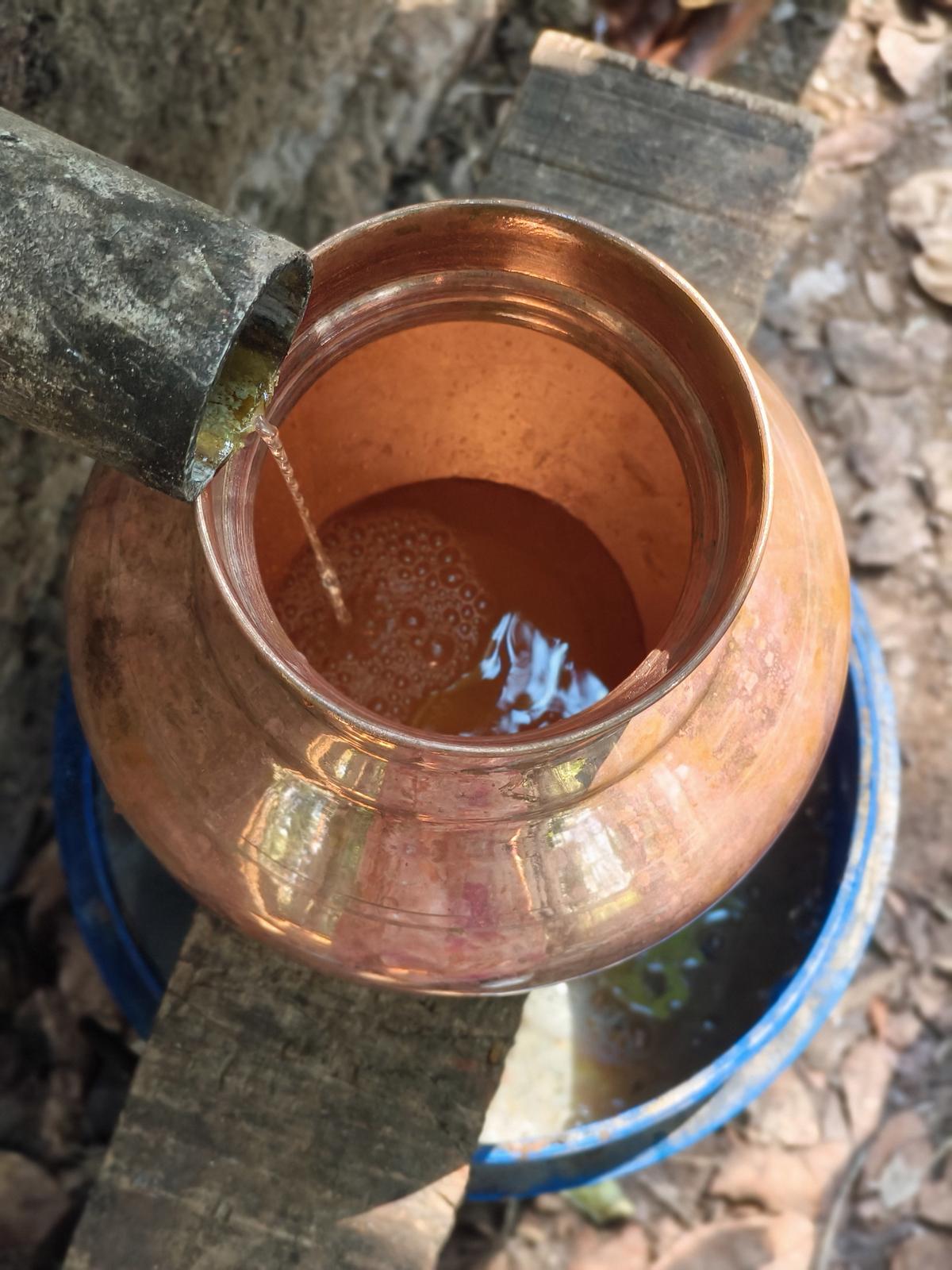
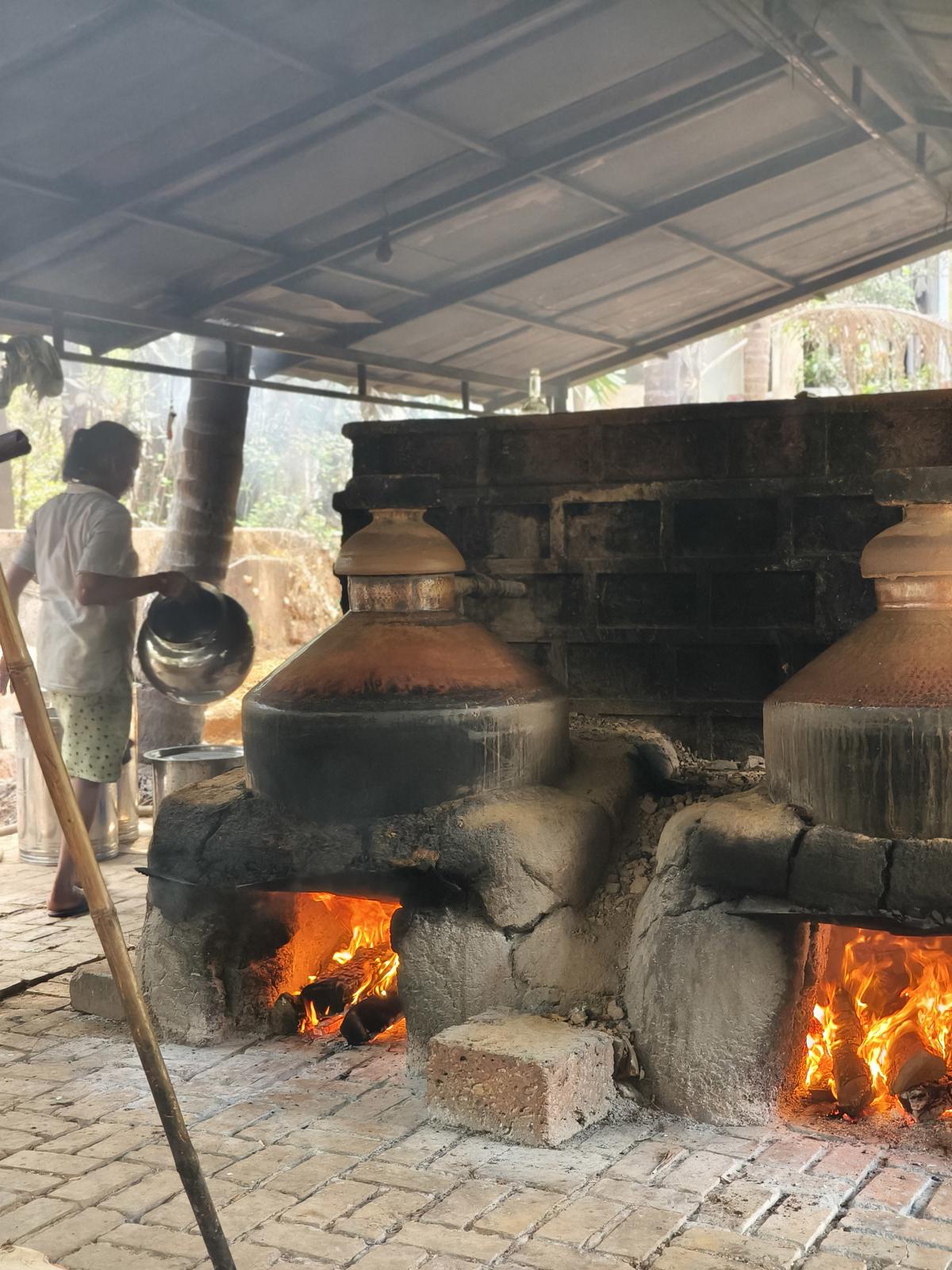
- The First Distillation (April): The fermented juice is boiled in a traditional copper pot called a bhaan. The vapors are condensed through a cooling system, resulting in Urrak.
- The Social Exchange: Throughout April and May, Urrak is rarely found in commercial liquor stores in its freshest form. Instead, it is bartered in re-used bottles between neighbors, often with the proud proclamation that the batch is from the famed orchards of Quepem or Canacona.
- The Transition to Feni (Late May): As the season wanes, the remaining Urrak is mixed with fresh fermented juice and distilled a second time to produce the potent, clear Feni.
Supporting Data: The Economics of Tradition
While the global spirits market leans toward standardization, the Urrak economy thrives on hyper-locality. In South Goa, regions like Quepem and Canacona are regarded as the "Grand Cru" regions for cashew distillation.
Solomon Diniz, a prominent figure in the Goan liquor industry and the proprietor of Adinco Distilleries, highlights a fascinating economic anomaly that occurs during these two months. "During these two months of the year, sales of all our other premium liquors drop drastically," Diniz notes. "Everyone is only drinking freshly brewed urrak!"
This seasonal shift represents a significant internal pivot in Goa’s beverage market. Even as Goa expands its footprint in the craft gin and single malt sectors, the "farm-to-glass" pull of Urrak remains unchallenged.
At the Dudhsagar Plantation in Karmane, the scale of production reflects a commitment to horticultural excellence. Founded by Ajit Malkarnekar in the 1980s, the plantation transformed 50 acres of barren, red-rust laterite soil into a lush tropical forest. This scale allows for a controlled, sustainable production cycle where nothing is wasted—the cashew apple becomes Urrak, and the cashew nut provides a secondary revenue stream.
Official Responses: Voices from the Distilleries
The preservation of Urrak culture relies on the "gatekeepers" of the tradition—families who have been distilling for generations.
The Legacy of Cotombi
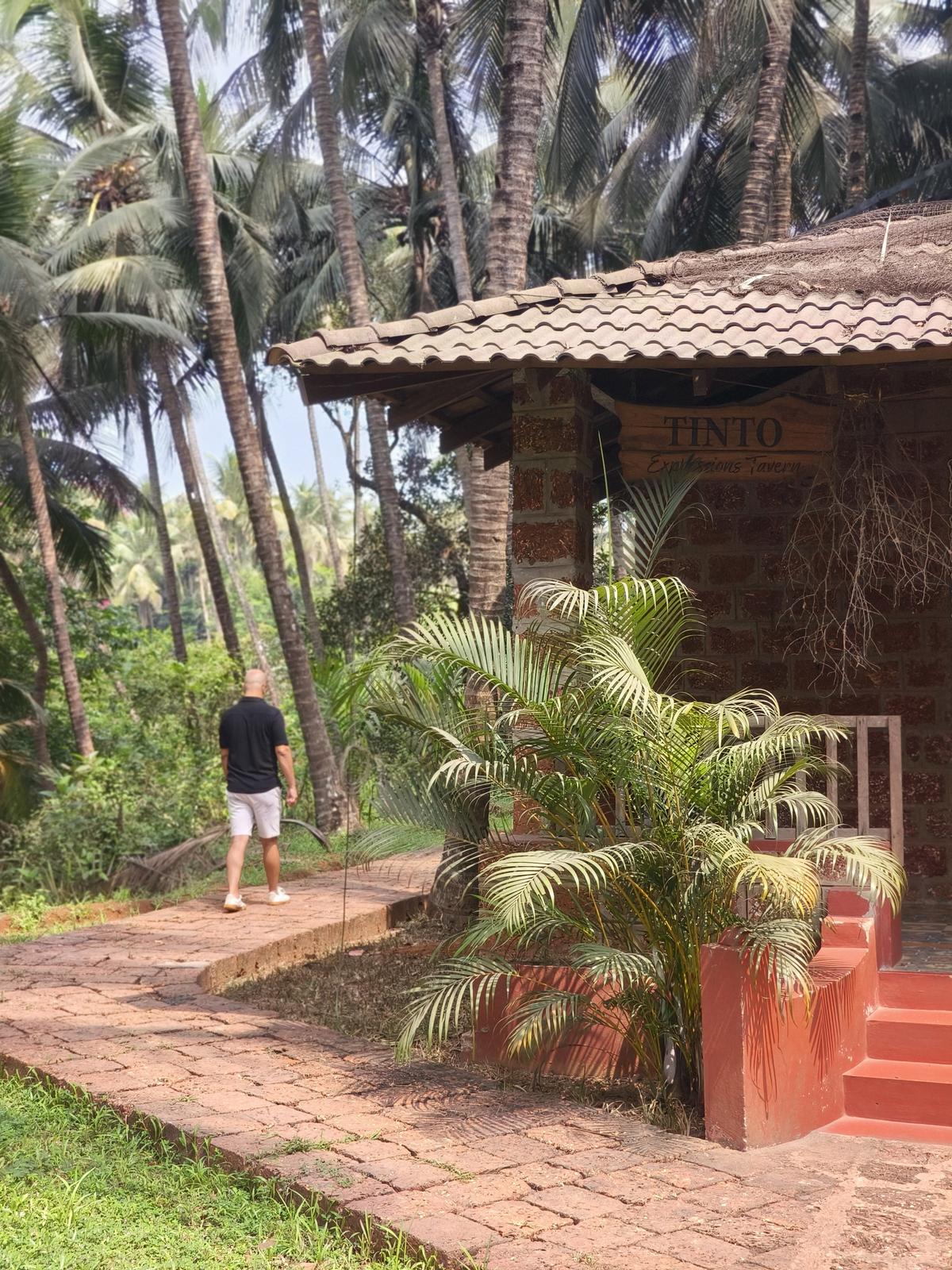
In the village of Cotombi, the Diniz family has maintained distillation practices since the late 1800s. For Solomon Diniz, the goal is to balance heritage with a modern "visitor experience." He has established the Tinto Expressions Tavern in Quepem, a space designed to allow aficionados to taste Urrak that has been "thoughtfully calibrated" while maintaining the integrity of the four-generation-old process.
"There is something special about the urrak that has been produced the same way over four generations," Diniz observes, pointing to the nostalgia of the surrounding landscape—the gold-glowing paddy fields and mango-laden trees that characterize the "unhurried" pace of rural Goa.
The Philosophy of Karmane
At the Dudhsagar Plantation, the approach is more philosophical. Ashok Malkarnekar, who has taken over the mantle from his father Ajit, emphasizes a "circular-living system."
"Know your trees, know your fruit, don’t rush anything," Ashok explains. His delivery is as measured as the distillation process itself. In an era of instant gratification, the Malkarnekars view their 50-acre thicket as a radical act of patience. Their use of a small-scale copper bhaan and cottage-style fermentation vats ensures that the Urrak retains the specific terroir of the Mollem National Park fringe.
The Etymology of a Spirit
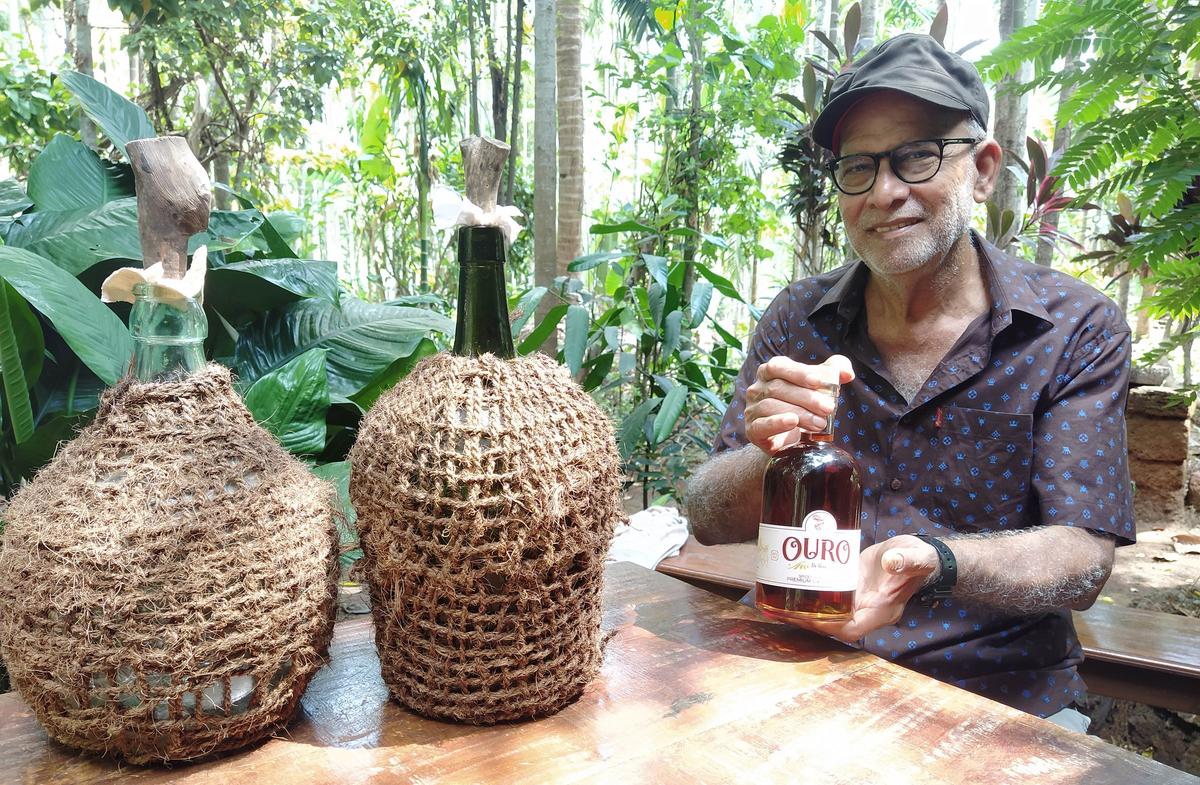
Hansel Vaz, a renowned "Feni Dotor" (doctor) and the founder of Cazulo Feni, provides the academic and historical context that anchors the spirit’s identity. At a recent symposium, Vaz traced the roots of the word Urrak—historically referred to as hurrak or urraca.
Vaz argues that the term has Arabic roots, linked to the word ‘Arak,’ which refers to a variety of distilled spirits across Asia and the Middle East. "The early references do not point to a cashew distillate at all," Vaz insists. He suggests that the name originally applied to a coconut-based spirit. However, the cashew fruit, with its intense fragrance and short, explosive season, "hijacked" the vocabulary. The saccharine sweetness of the cashew apple proved so popular that it eventually claimed the name Urrak for itself in the Goan lexicon.
Implications: Tourism, Heritage, and the Future
The current trend of "plantation hopping" and "farm-to-table" dining is providing a new lease of life for the Urrak industry. For years, the distillation of Urrak and Feni was viewed as a rustic, almost secretive backyard activity. Today, it is being rebranded as a premium cultural experience.

1. The Rise of Agritourism
Plantations like Dudhsagar and distilleries like Adinco are now opening their doors to tourists, offering tours that start at approximately ₹750. These tours provide an educational look at the crushing, fermentation, and distillation processes, moving the spirit from the "local tavern" to the "global stage." This shift has the potential to boost rural economies and provide younger generations of Goans with an incentive to maintain ancestral lands rather than selling them for real estate development.
2. Preservation of Identity
In a globalized world, Urrak serves as a marker of Goan identity. It is a spirit that cannot be easily exported or mass-produced due to its short shelf life and seasonal nature. This inherent "exclusivity" makes it a powerful tool for cultural branding. As long as the cashew trees bloom in February, the social fabric of the Goan village—centered around the sharing of a freshly filled bottle—remains intact.
3. Environmental Stewardship
The Malkarnekar philosophy highlights the environmental implications of the Urrak industry. Traditional cashew farming is a low-impact form of agriculture that preserves biodiversity. By valuing the fruit as much as the nut, farmers are encouraged to maintain healthy, diverse orchards rather than monoculture plantations.
Conclusion: The Unhurried Spirit
As the sun sets over the Western Ghats, the clink of glasses in taverns from Quepem to Canacona tells a story of resilience. Urrak is more than just a summer drink; it is a testament to the "unhurried" Goan way of life. It is a drink that demands you slow down, sit under the shade of a jackfruit tree, and appreciate the fleeting bounty of the land.
While the world outside moves toward automation and efficiency, the copper bhaans of Goa continue to simmer at their own pace, turning the fermented juice of the sun into a cloudy, cooling nectar that remains, as the locals say, "the best."
