


Mumbai, India – The hum of a new era in metabolic health is palpable in India, driven by the burgeoning influence of GLP-1 receptor agonists. These powerful drugs, once primarily associated with diabetes management, are now at the forefront of a global weight-loss revolution, promising dramatic transformations. However, as India grapples with its unique and complex epidemic of obesity and metabolic disorders, the GLP-1 journey is proving to be far from a simple "magic pill." From personal reinventions to the intricate interplay of genetics, lifestyle, and accessibility, this article delves into the multifaceted impact of GLP-1s in the Indian subcontinent.
The Personal Transformation: Stories of Hope and Reinvention
For Mukta Dhond, a 49-year-old television producer in Mumbai, the GLP-1 journey began as a necessity, spurred by a humbling moment during a vacation in Scotland. Gasping for breath after a steep climb while her young son effortlessly bounded ahead, the pre-diabetic producer realized her 117 kg frame was no longer sustainable. "He would run up the hills and I would be far behind. I realised it was time to change things," she recalls. Her decision to embark on a GLP-1 regimen, starting with Ozempic in March 2025, marked the beginning of a profound transformation. Today, weighing 95 kg, Dhond speaks of a feeling of reinvention and liberation, a "game-changer" in her words. Her monthly ritual now involves tailoring her 20 pairs of jeans to accommodate her shrinking waistline, a testament to the tangible results.

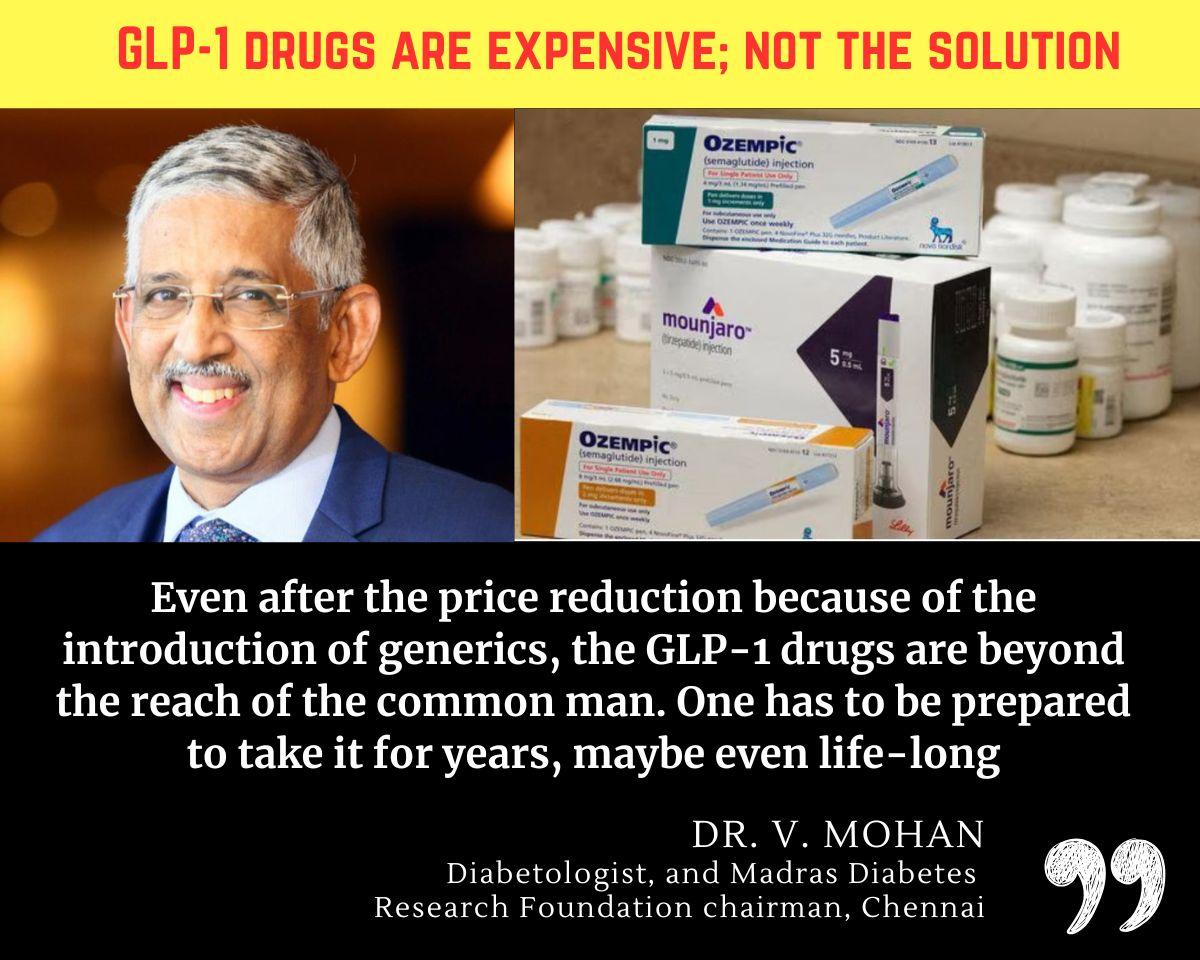
Dhond’s experience mirrors that of millions globally, where obesity has systematically eroded metabolic health and self-esteem. Her journey is characterized by a holistic approach: swimming, thrice-weekly strength training, post-meal walks, and consistent monthly blood work and bi-monthly endocrinologist follow-ups. This commitment, however, comes at a significant financial cost, with monthly expenses reaching up to ₹20,000. The GLP-1 injections themselves range from ₹8,000 to ₹10,000, with generics, now available, costing between ₹3,500 to ₹4,500. This price point, even with the advent of generics, remains a significant barrier for many.
Bollywood filmmaker Hansal Mehta, a familiar face in India’s entertainment industry, shares a similar narrative. Three years ago, at 105 kg, he had tried numerous diets and exercise regimens with little success. His eight-month stint with Mounjaro, coupled with a rigorous routine of strength training, cardio, intermittent fasting, and supplements, has seen him shed 32 kg, now standing at a healthy 73 kg. "My actual age is 57, but based on all health parameters, my metabolic age is 43," he proudly states. The stabilization of his decades-long high blood pressure is a significant testament to the drug’s efficacy. Yet, Mehta is quick to dispel the notion that it’s merely "the pill." "At parties, my weight-loss journey often gets dismissed as ‘Oh, he is on Mounjaro’. But the reality is I am doing so much more than just the pill," he emphasizes, highlighting the crucial role of lifestyle modifications.

The Science Behind the "Magic Pill": Understanding GLP-1 Receptor Agonists
At its core, the GLP-1 revolution hinges on understanding the mechanism of Glucagon-like-Peptides-1 (GLP-1) receptor agonists. Approved in the U.S. for both weight loss and type-2 diabetes management in 2021, GLP-1 is a naturally occurring metabolic hormone produced in the gut. It plays a pivotal role in regulating blood sugar by stimulating insulin release, reducing glucagon secretion, and crucially, increasing feelings of satiety – that comforting sense of fullness. GLP-1 receptor agonists mimic this natural hormone, offering a powerful tool for managing type-2 diabetes and obesity.
The perceived "magic" of these drugs often lies in their ability to silence "food noise" – the incessant mental chatter surrounding hunger and eating that can plague individuals struggling with obesity. This silencing effect, while transformative for some, raises important questions in the Indian context, where the struggle with food can be vastly different, often marked by scarcity rather than excess.

Supporting Data and Global Projections
The impact of GLP-1s is not merely anecdotal. A UBS Investment Bank report forecasts that by 2029, approximately 40 million individuals worldwide will be users of GLP-1 drugs. This projection underscores the global scale of the obesity crisis and the growing reliance on pharmaceutical interventions. In India, while structured usage data is still nascent, pharmaceutical representatives informally estimate the market at around ₹100 crore.
The landscape of GLP-1 availability in India is rapidly evolving, particularly following Novo Nordisk’s loss of patent for Semaglutide, the most widely used GLP-1 drug. This has triggered a "generics boom," with Indian pharmaceutical companies like Sun Pharmaceutical launching their own versions, such as Sematrinity and Noveltreat, priced competitively between ₹2,690 and ₹7,490. Novo Nordisk’s recent price reductions for Ozempic and Wegovy by 36% and 48% respectively, further intensify the competition in this burgeoning market.

The Indian Conundrum: A Unique Obesity Profile
While the global narrative around GLP-1s is largely positive, the Indian context presents a unique set of challenges and complexities. India, often dubbed the "diabetes capital of the world," is experiencing a swelling obesity epidemic across its 1.47 billion population. However, obesity in India is not solely a metabolic crisis; it is deeply intertwined with genetic predispositions, historical patterns of foetal undernourishment, the rise of processed diets, and a general resistance to exercise.
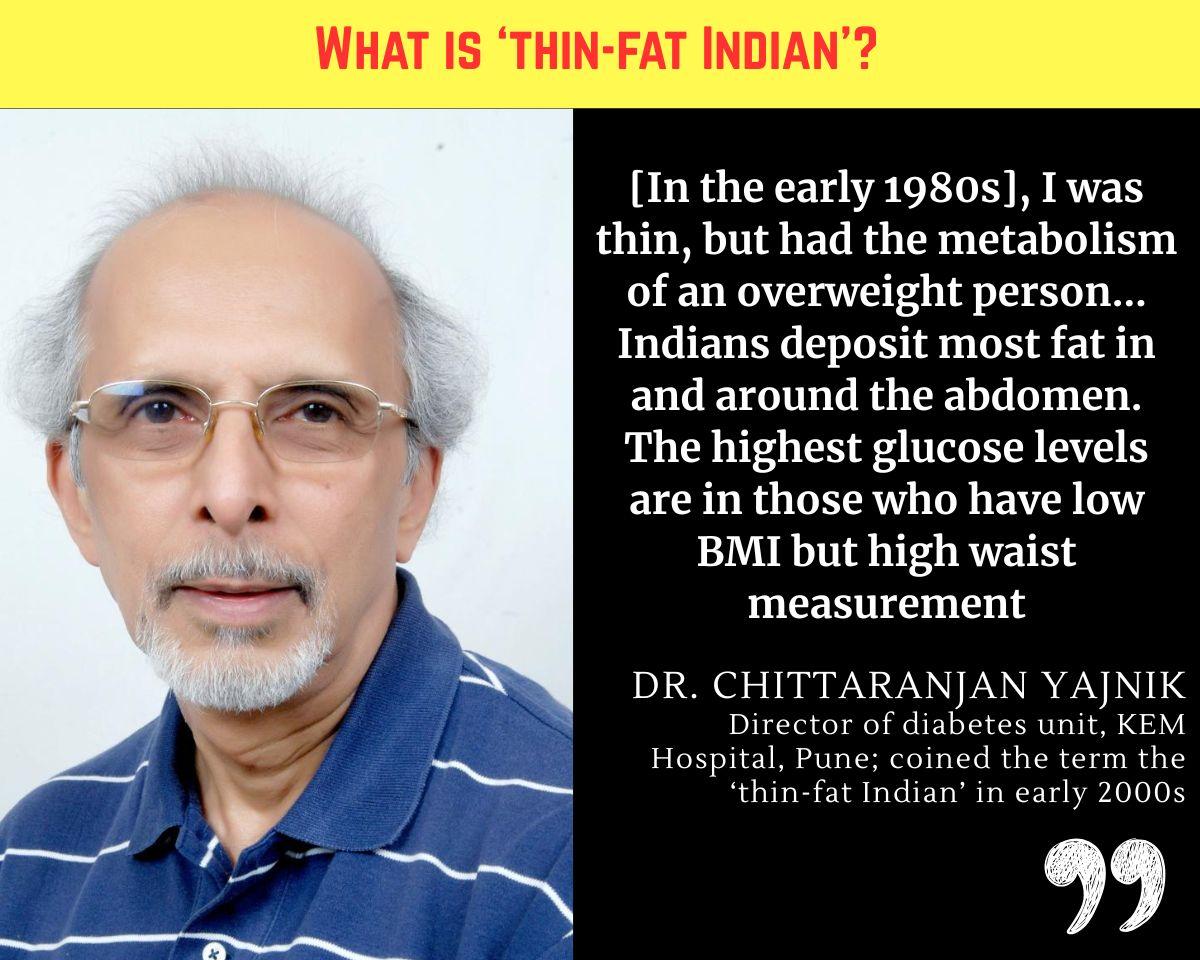
Dr. Ravi Sankar Erukulapati, a senior consultant endocrinologist at Apollo Hospitals, Hyderabad, highlights the prevalence of "sarcopenic obesity" – a condition characterized by low muscle mass and high fat mass, which exacerbates insulin resistance. This phenomenon contributes to the "thin-fat Indian" body type, a concept coined by Dr. Chittaranjan Yajnik. These individuals may appear lean externally but carry a disproportionately high amount of visceral fat.
Dr. Yajnik, a distinguished diabetologist and director of the diabetes unit at KEM Hospital, Pune, observed this anomaly early in his career. "Indians deposit most fat in and around the abdomen. The highest glucose levels are in those who have low BMI but high waist measurement," he explains. His research suggests that genetic factors, coupled with epigenetic influences like in-utero nutritional challenges, play a significant role. "Genetics loads the gun, lifestyle pulls the trigger," states Dr. Ramesh Hariharan, CEO and co-founder of Strand Life Sciences, Bengaluru, emphasizing that while obesity-related genes are immutable for now, lifestyle remains the most potent "reprogramming tool."
Furthermore, a general lack of awareness persists, with many equating the absence of visible obesity with good health, a dangerous misconception in the Indian context. Dr. Dheeraj Kapoor, head of endocrinology at Kokilaben Dhirubhai Ambani Hospital, Mumbai, cautions that these drugs are not a "quick-fix at a population level." Access, cost, and appropriate use will dictate their ultimate impact, and a "meaningful shift in overall numbers" will likely take years.

Potential Pitfalls and Side Effects: The Darker Side of GLP-1s
Despite the promising outcomes, the use of GLP-1s is not without its potential drawbacks. Mukta Dhond, after switching to Mounjaro, experienced a rapid weight loss that, while beneficial, also led to significant muscle loss and sagging skin. Her thyroid levels also dropped to zero. It was only through sustained fitness and a carefully curated diet – rich in lean proteins, healthy fats, and minimal carbohydrates – that she managed to improve these parameters. This experience underscores the critical importance of a comprehensive lifestyle approach, as GLP-1s can exacerbate existing protein deficiency crises in Indian diets.
A 33-year-old finance professional from Bengaluru, who wished to remain anonymous, shared a disappointing experience. Both he and his wife were prescribed Mounjaro without specific dietary or exercise protocols. While they lost approximately 10 kg over four months due to drastically reduced food intake, he reported constant low energy, mood swings, and persistent nausea. His wife regained 4 kg soon after discontinuing the drug. This highlights the detrimental effects of unsupervised use and the necessity of professional guidance.

Dr. V. Mohan, a Chennai-based diabetologist and chairman of the Madras Diabetes Research Foundation, warns that while side effects like nausea and digestive disorders are often transient, the long-term implications require careful monitoring. He emphasizes that individuals must be prepared for potentially lifelong treatment. "GLP-1s are still not the solution for diabetes and obesity crises in our country," he states, reinforcing the need for broader public health strategies.
Official Responses and Regulatory Scrutiny
The escalating use of GLP-1s has prompted regulatory bodies to step in. In April 2025, the Indian government released guidelines for the usage of these drugs, mandating prescriptions from endocrinologists, cardiologists, or internal medicine specialists for both branded and generic versions. Marketing efforts that encourage unsupervised use have also been explicitly prohibited.
This regulatory action was preceded by a Public Interest Litigation (PIL) filed in the Delhi High Court in May 2025 by Jitendra Chouksey, a fitness evangelist and founder of FITTR, a preventive health company. Chouksey’s concerns stemmed from the rapid approval and widespread use of these drugs, not just in hospitals but also in wellness clinics. "The muscle mass loss it causes can be dangerous and as soon as you stop the medicine, the weight comes back with a vengeance," he argued, advocating for a more cautious and evidence-based approach.
The Fuzzy Future: A Glimpse into the Unfolding Landscape
The GLP-1 market is undeniably a gold rush, trickling down even to aesthetic clinics, with packages like the "Mounjaro Bride Package" at ₹1.10 lakh for 12 sessions appearing in Delhi. This commercialization raises further questions about the appropriate application of these powerful medications.

Beyond weight and metabolism, emerging research from the U.S. is exploring the potential of GLP-1s in treating addictions, menopausal health, autoimmune diseases, and even mental health conditions. However, in the Indian context, with its unique genetic makeup and complex interplay of factors contributing to obesity and diabetes, the promise remains lofty but conditional.
The future of GLP-1s in India is a landscape still being drawn. The drugs offer a powerful new tool, but their effectiveness is inextricably linked to a patient’s commitment to comprehensive lifestyle changes, the affordability and accessibility of treatment, and a robust regulatory framework that prioritizes patient safety and well-being. As Mukta Dhond transitions from needing tailor-made jeans to embracing fitness-focused social interactions, and Hansal Mehta celebrates a revitalized metabolic age, their stories serve as potent reminders that while the science behind GLP-1s is revolutionary, true transformation lies in a holistic approach that addresses the intricate biological, genetic, and lifestyle factors at play in India’s ongoing battle for optimal health. The journey of these "magic pills" is far from over, and their ultimate impact on humanity’s pursuit of well-being on an overburdened planet remains a story yet to be fully written.
