

The annual Bonn Climate Change Conference, a critical mid-year technical gathering under the United Nations Framework Convention on Climate Change (UNFCCC), concluded on June 18, 2026. While the two-week session was intended to pave a smooth path toward the upcoming Conference of the Parties (COP), it instead laid bare the deepening chasm between the Global North and Global South. Even as a bold new narrative centered on global electrification emerged, the persistent "fault lines" of climate finance, unilateral trade measures, and the "means of implementation" continued to stall substantive progress.
The meeting serves as the technical engine room of climate diplomacy, where negotiators hammer out the scientific and procedural details that eventually form the political agreements at COP. This year, the focus was split between a visionary push for a clean energy transition and the grim reality of shrinking financial resources for the world’s most vulnerable nations.
Main Facts: A New Narrative for the Energy Transition
The most significant development to emerge from Bonn was a strategic shift in how the energy transition is framed. Moving away from the often-combative language of "fossil fuel phase-outs," the incoming COP31 Presidency, led by Türkiye, introduced a "flagship initiative" focused on electrification.
The 35% Electrification Target
COP31 President-Designate Murat Kurum proposed a monumental increase in the global electrification target, aiming for 35% by 2035. Currently, electricity accounts for just over 20% of final energy consumption globally. This initiative calls for a massive acceleration in shifting away from direct fossil fuel use in buildings, transport, and heavy industry toward clean electricity.
The Roadmap for Transitioning Away from Fossil Fuels (TAFF)
This electrification push is designed to complement the work of the COP30 Presidency (Brazil), which is developing the "Roadmap on Transitioning Away from Fossil Fuels" (TAFF). On June 12, the COP30 team presented its progress, signaling an effort to frame the energy debate around the positive deployment of clean systems rather than the negative reduction of existing ones.
Financial Stagnation
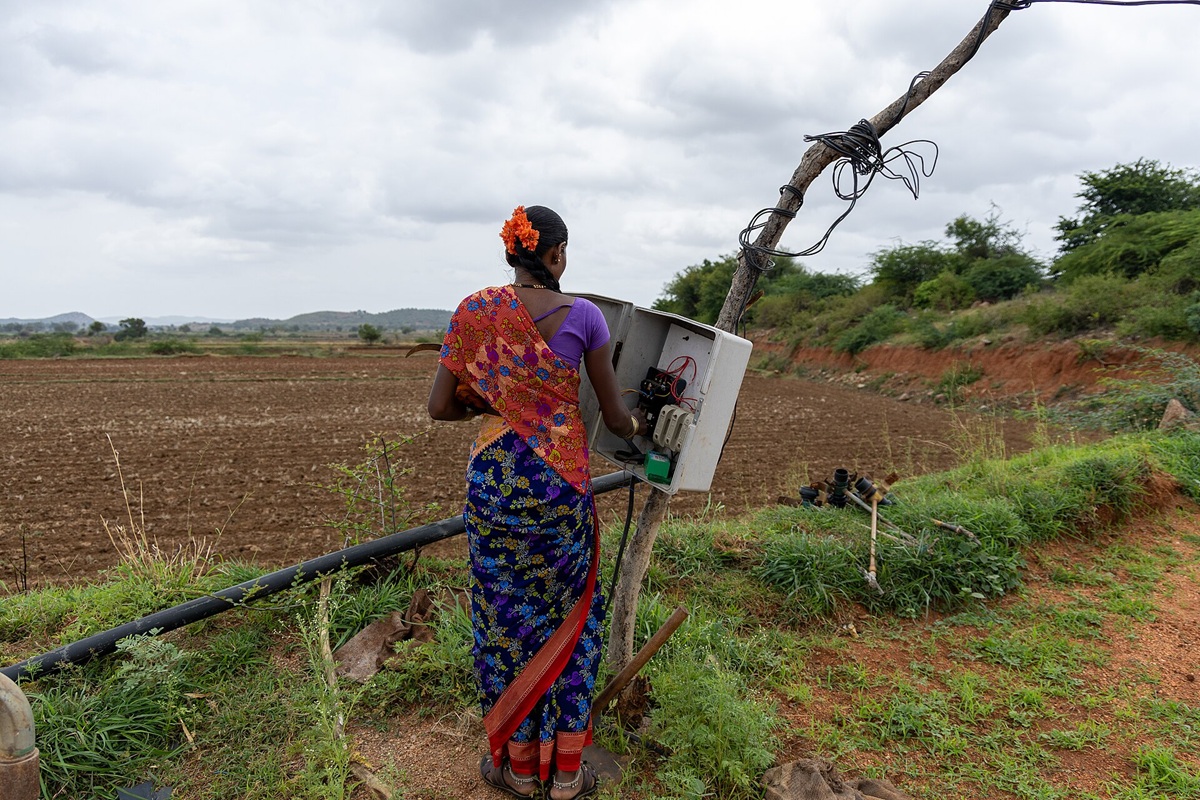
Despite the optimism surrounding clean energy, the "means of implementation"—the finance, technology, and capacity building required to achieve these goals—remained a source of intense friction. Developing nations expressed profound "distrust and discontent" following the perceived inadequacies of the New Collective Quantified Goal (NCQG) established at COP29.
Chronology of the Bonn Talks
The two-week conference followed a trajectory of early ambition followed by a descent into familiar procedural and financial disputes.
- June 4–5: The Opening Salvo: The conference opened with Türkiye’s COP31 Presidency announcing the electrification target. The move was seen as an attempt to build a "constructive" agenda that focuses on industrial competitiveness and energy security.
- June 8: The G77 Warning: One week into the talks, the G77 and China issued a stark submission highlighting the depletion of climate funds. They noted that the Global Environment Facility (GEF) saw its lowest replenishment level in 16 years.
- June 12: The TAFF Progress Report: The COP30 Presidency shared elements of the TAFF roadmap, attempting to bridge the gap between current energy systems and a net-zero future.
- June 13: The Trade Dialogue: For the first time, a dedicated dialogue on trade and climate was held. Developing nations used this forum to protest unilateral measures like the EU’s Carbon Border Adjustment Mechanism (CBAM).
- June 15–16: The Adaptation Standoff: The African Group and other developing blocs refused to engage with draft texts on the Global Goal on Adaptation (GGA), citing a lack of concrete financial commitments to triple adaptation funding.
- June 18: Adjournment: The conference ended with "procedural conclusions" but few political breakthroughs, shifting the burden of resolution to the ministerial meetings ahead of COP30.
Supporting Data: The Electrification and Finance Gap
To understand the stakes of the Bonn negotiations, one must look at the data driving the transition and the data highlighting the financial shortfall.
The Indian Context
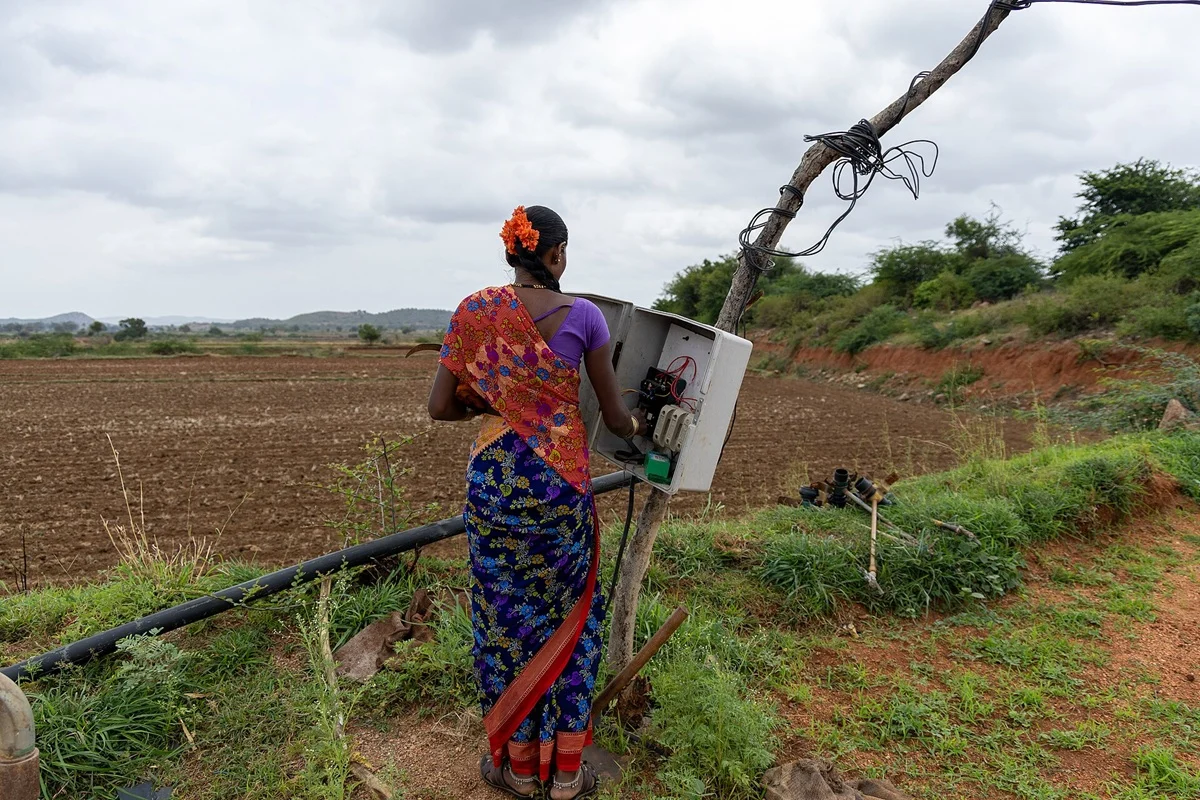
India serves as a primary case study for the proposed electrification surge. According to the International Energy Agency (IEA), India’s current electrification rate is approximately 19%, slightly trailing the global average of 21%. However, India’s electricity demand is projected to grow by 6.4% annually through 2030. For the global 35% target to be met, India must not only electrify its transport and industry but also ensure its grid—currently coal-heavy—decarbonizes at a matching pace.
The Shrinking Pot of Climate Finance
The G77 and China provided sobering statistics regarding the state of international support:

- GEF Replenishment: The ninth replenishment of the Global Environment Facility represented a 27% decline from the previous cycle.
- Official Development Assistance (ODA): Projections for 2025 suggest a 23.1% fall in ODA, the largest recorded drop in history.
- UNDP Core Funding: Core funding for the United Nations Development Programme is expected to decline by 24%.
- Green Climate Fund (GCF): At least one major developed nation has announced plans to halve its contribution for the 2024–2027 period.
Official Responses and Expert Analysis
The rhetoric in the halls of Bonn reflected a mix of cautious optimism regarding technology and deep-seated frustration regarding equity.
On Electrification and Narrative
Jan Rosenow, Professor of Energy and Climate Policy at the University of Oxford, noted that the shift to electrification is politically savvy. "Phase-out language is about what countries must give up," Rosenow explained. "Electrification is about what countries stand to gain—cheaper energy, cleaner air, and industrial competitiveness." However, he warned that this doesn’t eliminate "distributional politics," such as who controls the supply chains for batteries and critical minerals.
On the Finance Work Programme
The Climate Finance Work Programme (CFWP) was a major point of contention. Sehr Raheja of the Centre for Science and Environment (CSE) noted that developing countries are fighting to have the CFWP included in the formal Paris Agreement negotiations (CMA 8). "Without a formal role, the CFWP risks becoming a series of workshops without a pathway to political decisions," Raheja said. Developed nations, conversely, have resisted this formalization, preferring less binding formats.
On Adaptation and Survival
Harjeet Singh, climate activist and director of Satat Sampada Climate Foundation, emphasized the human cost of the financial deadlock. "Resistance to scaling up adaptation funding is undermining commitments to vulnerable countries," Singh stated. "These communities are already bearing the devastating costs of a crisis they did not create."
On Trade and Unilateralism
Ieva Baršauskaitė from the International Institute for Sustainable Development (IISD) observed that while the creation of a trade dialogue was a "significant development," the first meeting showed that "creating the space for discussions does not yet dissolve the main sticking points." Developing nations want a formal "outcome report" from these trade talks; developed nations want to keep them as informal "talkshops."

Implications: The Road to Türkiye and Brazil
The outcomes—or lack thereof—at Bonn have significant implications for the next two years of climate diplomacy.
1. A Shift Toward "Positive-Sum" Diplomacy
The move toward an electrification target suggests that future COPs may focus more on "clean energy deployment targets" (renewables, storage, and grid expansion) rather than just "fossil fuel reduction targets." This approach is more palatable to emerging economies like India and China, as it aligns with their industrial growth goals. However, as Professor Rosenow pointed out, the climate benefit only exists if the grid decarbonizes simultaneously.
2. The Growing "Finance Deficit"
The most alarming implication is the widening gap between the needs of the Global South and the actual flow of funds. With ODA and GEF funding in decline, the "New Collective Quantified Goal" (NCQG) is increasingly viewed by developing nations as a hollow promise. If this trust is not rebuilt, the consensus required for high-ambition Nationally Determined Contributions (NDCs) due in 2025 may vanish.
3. Trade as the New Climate Battleground
The dispute over CBAM and other unilateral trade measures signals that climate policy is now inextricably linked to global trade wars. If the UNFCCC cannot provide a forum to resolve these disputes, they may spill over into the WTO or lead to retaliatory "green tariffs," potentially slowing the global trade of clean technologies.
4. The Burden on COP30 and COP31
The stalemate in Bonn places an immense burden on Brazil (COP30) and Türkiye (COP31). Brazil will need to finalize the TAFF roadmap amidst a landscape of financial scarcity, while Türkiye will have to prove that its electrification agenda is more than just a distraction from the urgent need for fossil fuel abatement and adaptation funding.

In conclusion, the Bonn Climate Conference of 2026 proved that while the world is finding new, more constructive ways to talk about the technological transition, it remains fundamentally broken on the financial transition. The "Bonn Deadlock" is a reminder that without equitable means of implementation, even the most ambitious electrification targets remain out of reach for the majority of the world’s population.
