

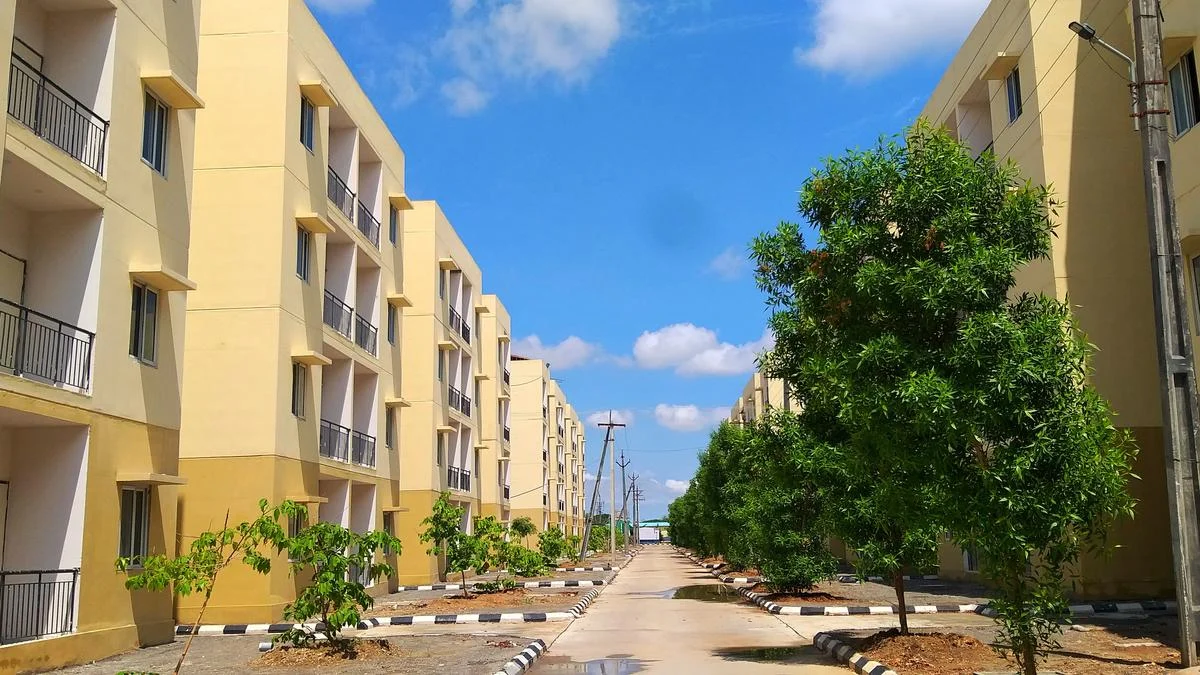
New Delhi, India – [Insert Date] – For generations, the Indian dream of homeownership was deeply rooted in emotional fulfillment and a sense of belonging. A house was more than bricks and mortar; it was a symbol of stability, security, and the culmination of a life’s aspirations. While these intrinsic values remain, a significant paradigm shift is underway, particularly among India’s burgeoning young professionals and aspirational middle class. The traditional emotional anchor is now being complemented, and in many cases, overtaken by a pragmatic financial lens, propelling mid-segment housing into the spotlight as a strategic investment vehicle for long-term wealth creation.
This evolution in buyer perception is transforming the residential real estate landscape, moving beyond mere ownership to a calculated approach to building sustainable financial assets. The mid-segment, once considered a compromise, is now emerging as the sweet spot, offering an optimal blend of affordability, aspirational living, and robust potential for capital appreciation. This segment is no longer just about acquiring a roof over one’s head; it’s about meticulously planning a financial future, leveraging monthly payments to build equity and secure long-term returns.
The Shifting Sands of Homeownership: From Emotion to Investment
Historically, Indian homebuyers, driven by cultural imperatives and a desire for familial legacy, prioritized owning a home above almost all other financial goals. This deeply ingrained sentiment viewed property acquisition as a definitive milestone, a tangible representation of success and security. However, the winds of change, fueled by economic liberalization, increased global exposure, and a growing emphasis on financial literacy, have begun to reshape these deeply held beliefs.
The rise of a digitally connected and globally aware younger generation has introduced a more analytical approach to major life decisions, including real estate. For this demographic, the decision to buy a home is increasingly informed by market dynamics, return on investment (ROI) projections, and the potential for passive income. The traditional narrative of "owning a home for life" is being augmented by a more dynamic vision: owning a home as a stepping stone towards a larger financial portfolio.
This shift is particularly evident in the growing interest in mid-segment housing. This category, typically encompassing properties that are neither ultra-luxury nor budget-constrained, has found favor for its inherent balance. It strikes a chord with buyers who seek a comfortable and fulfilling lifestyle without the exorbitant price tags associated with high-end developments, while simultaneously offering a more tangible path to wealth creation than the more basic, entry-level options.
The inherent appeal of mid-segment housing lies in its broad accessibility and strong market demand. Unlike luxury properties, which cater to a select, affluent clientele, mid-segment projects attract a diverse buyer pool. This includes salaried professionals aiming to transition from renting to owning, young families looking for their first substantial asset, and even seasoned investors seeking diversification in their portfolios. The wider buyer base ensures consistent demand, a crucial factor for any investment’s long-term viability.
Furthermore, the quality and features offered within the mid-segment have undergone a significant upgrade. Developers are increasingly recognizing the evolving expectations of modern homebuyers and are incorporating lifestyle amenities that were once the exclusive domain of premium developments. These now commonly include well-equipped clubhouses, beautifully landscaped gardens, state-of-the-art fitness centers, dedicated children’s play areas, convenient co-working spaces, and integrated smart home features. This elevation in amenities means that buyers are not merely investing in a physical structure, but in an enhanced quality of life, which in turn, bolsters the property’s liveability and its long-term value proposition. This focus on creating well-rounded communities is a significant factor in strengthening the investment potential of mid-segment housing across India’s burgeoning urban centers.
The Financial Calculus: Mid-Segment Housing as a Long-Term Asset
Beyond the allure of enhanced lifestyles, the financial accessibility of mid-segment housing is a primary driver of its surging demand. As individuals become more investment-conscious, the escalating rental costs in metropolitan cities are prompting a critical re-evaluation of monthly expenditures. The prospect of indefinitely paying rent, which yields no tangible asset, is becoming increasingly unattractive compared to the prospect of investing in a home through a mortgage.
The conversion of monthly rental outflows into consistent EMI payments towards a home loan represents a strategic pivot towards asset creation. This financial transition is made more feasible by the current landscape of competitive home loan interest rates, flexible repayment tenures, and a generally easier financing environment. Over time, as these loans are systematically repaid and property values naturally appreciate, homes gradually morph from being perceived as financial liabilities into appreciating assets, contributing significantly to an individual’s net worth. For many middle-income households, this structured approach to homeownership offers a disciplined and practical pathway to building substantial long-term wealth.
The investment narrative of mid-segment housing is also inextricably linked to the nation’s robust infrastructure development. Across India’s major cities, emerging residential pockets are undergoing rapid transformations, driven by strategic investments in public and private infrastructure. The expansion of metro networks, the upgrading of road infrastructure, the establishment of new IT parks and commercial hubs, and the development of essential social infrastructure like schools, hospitals, and retail centers are all contributing to the burgeoning appeal of these areas.
Locations that were once considered peripheral are now evolving into well-connected and vibrant urban centers. Early investors in these developing areas are often rewarded with substantial capital appreciation as infrastructure matures and the demand for housing escalates. Cities such as Bengaluru, Hyderabad, Pune, and Chennai, which are experiencing significant employment growth and inward migration, are at the forefront of this trend. In these dynamic urban landscapes, mid-segment projects situated near emerging business districts are increasingly being recognized as high-potential investment assets.
The dual advantage of capital appreciation and steady rental income further enhances the attractiveness of mid-segment housing. The continuous influx of professionals into these metropolitan cities ensures a sustained demand for rental accommodation, particularly in well-located and well-connected residential communities. Mid-segment homes often exhibit higher rental occupancy rates compared to luxury properties, owing to their broader appeal to a larger segment of tenants. This consistent rental income provides investors with a stable secondary source of revenue, complementing the long-term benefits of asset appreciation. This synergistic combination of rental yield and capital growth solidifies the financial viability of investing in mid-segment residential real estate.
The Chronological Evolution: From Traditional Values to Modern Investment Strategies
The journey of homeownership in India can be broadly delineated into distinct phases, each reflecting the prevailing socio-economic and cultural milieu.
-
Pre-Liberalization Era (Before 1991): This period was characterized by a strong emphasis on traditional values and community living. Homeownership was primarily driven by the need for security, stability, and a place to raise a family. Financial considerations were secondary to emotional fulfillment. The concept of real estate as a speculative investment was nascent, with most transactions being driven by genuine housing needs. Government policies often favored cooperative housing societies and public sector housing initiatives.
-
Early Liberalization and the Dawn of Investment (1991-2000s): The economic reforms of 1991 opened up the Indian economy, leading to increased private sector participation in real estate. Developers began to focus on larger projects, and the concept of real estate as an investment began to gain traction, particularly among the burgeoning middle class. However, the focus was still largely on capital appreciation, with rental yields being a less significant consideration. The emergence of home loans, albeit with higher interest rates, made ownership more accessible.
-
The Millennial Shift and the Rise of the Savvy Investor (2010s onwards): This decade has witnessed a profound transformation in buyer psychology. The influx of technology, increased global exposure, and a greater emphasis on financial planning have empowered younger generations to approach homeownership with a more analytical mindset. The rise of the gig economy and increased job mobility have also influenced decisions, with many viewing property as a mobile asset that can generate income. The mid-segment, with its blend of affordability, lifestyle amenities, and investment potential, has become the focal point of this evolution. This period has also seen the rise of smart homes, sustainable construction, and integrated township developments, further enhancing the value proposition of residential properties.
-
The Present and Future Outlook: Today, the mid-segment is not just a housing category; it represents a strategic financial decision for a growing number of Indians. The integration of lifestyle aspirations with long-term wealth creation is the defining characteristic of this era. Homes are increasingly viewed as multi-faceted assets, serving as sources of rental income, retirement planning tools, and legacies for future generations. The perception of real estate has definitively moved beyond a mere financial calculation to a holistic approach to building a secure and prosperous future.
Supporting Data and Market Trends
The growing prominence of mid-segment housing is substantiated by a wealth of market data and expert analyses. Reports from leading real estate consultancies consistently highlight the segment’s robust demand and steady price appreciation.
-
Demand Drivers: Factors such as increasing urbanization, a growing young workforce, rising disposable incomes, and government initiatives like ‘Housing for All’ are consistently fueling demand for mid-segment properties. The expanding IT and service sectors in cities like Bengaluru, Hyderabad, and Pune are creating significant employment opportunities, attracting a steady influx of professionals who are prime candidates for mid-segment homeownership.
-
Price Trends: While luxury housing segments can experience volatility, mid-segment housing has demonstrated a more consistent and sustainable price appreciation trend. This is attributed to the broad-based demand and the inherent value proposition of these properties. Data from various real estate analytics firms indicates an average annual appreciation of 5-8% in well-located mid-segment properties, with some micro-markets even outperforming this average.
-
Rental Yields: The rental market for mid-segment properties remains strong, offering attractive yields for investors. In many metropolitan cities, rental yields for mid-segment homes can range from 3-5%, providing a steady income stream that helps offset mortgage payments and contributes to overall returns. This makes them a preferred choice for investors seeking both capital gains and passive income.
-
Developer Focus: A significant shift in developer strategy is also observable. Major real estate developers are increasingly focusing their resources and new project launches on the mid-segment category, recognizing its immense market potential and sustained demand. This increased supply, coupled with the inherent demand, ensures a healthy and dynamic market.
-
Affordability Index: While property prices have risen, the affordability index for mid-segment housing has seen an improvement in many cities, driven by competitive home loan interest rates and government incentives. This improved affordability makes it a more attractive proposition for a wider segment of the population.
Official Responses and Government Initiatives
The Indian government has consistently recognized the importance of the housing sector in driving economic growth and fulfilling societal aspirations. Several policy initiatives have been implemented to support and promote homeownership, particularly in the mid-segment.
-
‘Housing for All by 2022’ (now extended): This flagship mission aimed to provide affordable housing to all urban poor. While primarily focused on the lower-income groups, its success has also indirectly stimulated demand in the affordable and mid-segments by creating a more informed and engaged homebuyer base.
-
Affordable Housing Incentives: The government has introduced various tax benefits and incentives for both developers and buyers in the affordable and mid-segment housing categories. These include tax deductions on home loan interest and principal repayment, as well as subsidies and tax holidays for developers constructing affordable housing projects.
-
RERA (Real Estate (Regulation and Development) Act, 2016): The implementation of RERA has brought much-needed transparency, accountability, and professionalism to the real estate sector. This has instilled greater confidence among buyers, especially in the mid-segment, where trust and timely delivery are paramount. By ensuring timely project completion and protecting buyer interests, RERA has made mid-segment housing a more secure investment.
-
Interest Subvention Schemes: Various schemes have been introduced to reduce the financial burden of home loans for specific income groups, further enhancing the affordability and accessibility of mid-segment housing. These schemes, often managed by government financial institutions, aim to lower the upfront cost and monthly outgo for aspiring homeowners.
-
Infrastructure Development Push: The government’s sustained focus on infrastructure development, including urban infrastructure, smart cities, and connectivity projects, directly benefits the mid-segment housing market. Improved infrastructure enhances the liveability and investment potential of areas where these projects are located, leading to increased demand and property value appreciation.
Implications for the Future of Indian Real Estate
The ascendancy of mid-segment housing as a preferred investment avenue carries significant implications for the future of India’s real estate landscape.
-
Democratization of Investment: Mid-segment housing is effectively democratizing real estate investment, making it accessible to a broader spectrum of the population. This shift from an exclusive asset class to a more inclusive one bodes well for wealth creation across a larger segment of society.
-
Focus on Quality and Sustainability: The growing demand for well-equipped and lifestyle-oriented mid-segment projects will likely spur developers to focus on higher quality construction, sustainable building practices, and integrated community development. This will lead to better living environments and more sustainable urban growth.
-
Increased Market Stability: The broad-based demand and consistent appreciation in the mid-segment are likely to contribute to greater stability in the overall real estate market, reducing the impact of cyclical downturns that may affect more niche segments.
-
Evolving Role of Homeownership: The perception of homeownership is evolving from a purely emotional pursuit to a strategic financial decision. This will likely lead to a more informed and analytical approach to property acquisition, with buyers prioritizing long-term value and financial returns alongside lifestyle considerations.
-
Urban Redevelopment and Growth: The focus on mid-segment housing in developing urban peripheries will drive further urban redevelopment and growth. As infrastructure improves and demand increases, these areas will transform into vibrant, self-sustaining communities, contributing to the overall economic development of cities.
In conclusion, the Indian real estate market is at an inflection point. The traditional emotional allure of homeownership is now seamlessly merging with a sophisticated investment mindset, with mid-segment housing emerging as the clear beneficiary. For aspirational Indians, the dream of owning a home has transformed into a tangible pathway for building enduring financial security and a legacy for generations to come. It is a testament to the evolving aspirations and financial acumen of a nation on the rise.
