

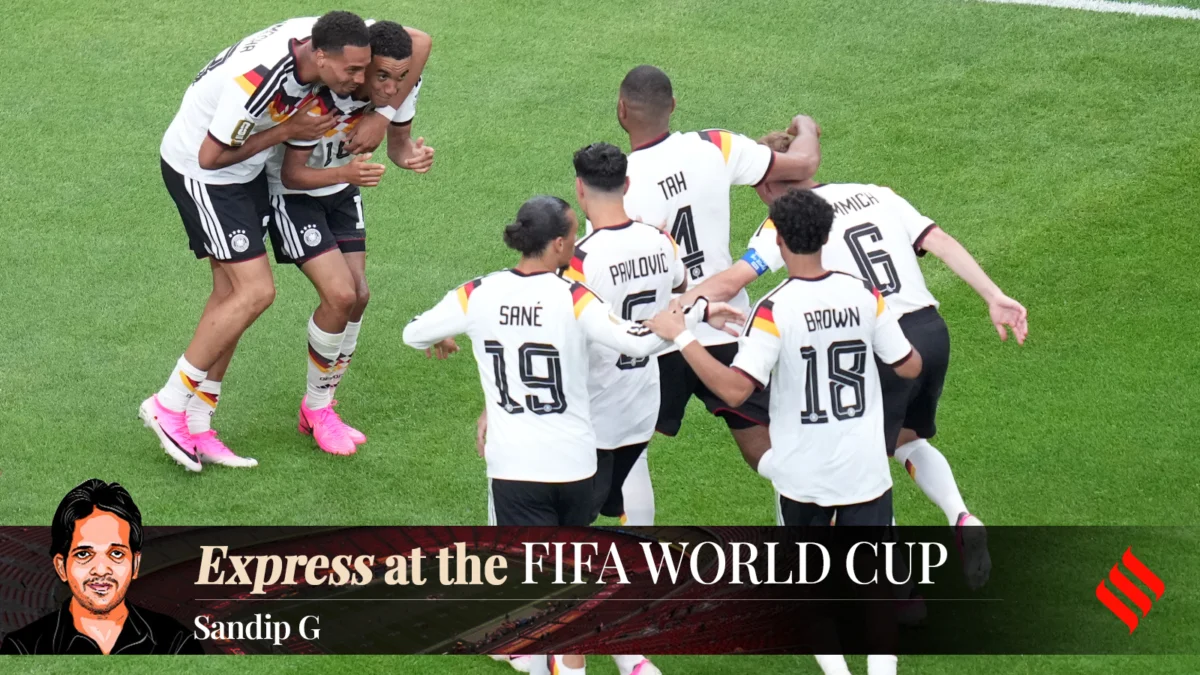
Toronto, Canada – June 2026 – The FIFA World Cup 2026 group stage reaches a critical juncture in Group E as two unbeaten titans, Germany and Ivory Coast, prepare to clash at the iconic Toronto Stadium. This highly anticipated encounter is more than just a battle for group supremacy; it represents a direct pathway to the Round of 32, with the winner securing early passage to the knockout stages. Following emphatic opening victories, both nations arrive with confidence, but the underlying narratives and tactical nuances promise a fascinating contest.
Main Facts: A Clash of Unbeaten Giants
The stakes could not be higher in this Group E encounter. Germany, fresh off a dominant 7-1 thrashing of Curacao, faces a formidable challenge in an Ivory Coast side that secured a gritty, late-goal victory against Ecuador. Both teams boast perfect records, setting the stage for a high-octane affair where tactical discipline will be as crucial as individual brilliance. The victor will not only cement their place in the next round but also gain significant psychological momentum heading deeper into the tournament.
The German camp, despite their seven-goal haul, maintains a pragmatic view, with midfielder Joshua Kimmich openly stating they "could have scored plenty more goals." This sentiment underscores a relentless pursuit of perfection, a hallmark of German footballing identity. Their opponents, the "Elephants" of Ivory Coast, are heralded for their athleticism and potent attacking transitions, capabilities that Kimmich himself highlighted, specifically singling out the electrifying young talent Yan Diomande.
This match is poised to be a definitive test for both squads, offering a glimpse into their true potential on the grandest stage of international football.
Chronology: Path to Toronto
The journey to this pivotal Group E fixture has seen both Germany and Ivory Coast navigate their opening matches with contrasting yet equally effective styles.
Germany’s Dominant Opening: A Seven-Goal Statement
Germany arrived in Toronto with the weight of expectation, aiming to reassert their status as global footballing powerhouses. Their opening fixture against Curacao served as a resounding statement of intent. While the scoreline ultimately read 7-1 in Germany’s favour, the match began with a moment of unexpected parity. Curacao, demonstrating spirited resistance, managed to hold Germany to a 1-1 deadlock early in the game, briefly unsettling the German machine. However, this momentary blip only served to ignite Germany’s offensive prowess. What followed was a relentless assault, as the German squad, spearheaded by clinical finishing and fluid attacking play, found their rhythm, pumping six unanswered goals past a hapless Curacao defence.
This commanding victory was not just about the goals; it was about the efficiency and the depth of talent on display. It showcased Germany’s ability to overcome initial hurdles and unleash devastating attacking waves, sending a clear message to their Group E rivals and the wider tournament. The performance, while impressive, was viewed internally with a critical eye, reflecting the high standards ingrained within the German footballing culture.
Ivory Coast’s Gritty Triumph: A Late Show of Resilience
In contrast to Germany’s free-scoring display, Ivory Coast’s opening match against Ecuador was a testament to their resilience and tactical acumen. The "Elephants" found themselves locked in a tense, tightly contested battle for much of the game. Ecuador, known for their defensive organisation and quick counter-attacks, presented a stubborn opposition, denying Ivory Coast clear-cut opportunities.
As the match wore on, and with the specter of a goalless draw looming, the Ivorian squad demonstrated their fighting spirit. A late surge, fueled by their dangerous attacking players and unwavering determination, saw them breach the Ecuadorian defence. A precisely executed play resulted in a crucial late goal, securing a narrow but vital victory. This 1-0 win was a significant psychological boost, proving that Ivory Coast possesses not only individual flair but also the collective grit to grind out results under pressure. It highlighted their ability to stay focused and capitalize on opportunities, even when presented late in the game, a trait that will be invaluable against a team of Germany’s caliber.
These contrasting opening acts set the stage for a compelling showdown, where Germany’s attacking might meets Ivory Coast’s dangerous transitions and unwavering resolve.
Supporting Data and Tactical Insights
Beyond the immediate results, a deeper dive into the teams’ compositions, tactical philosophies, and historical contexts reveals the intricate layers of this upcoming clash.
Germany: The Quest for the Teutonic Tradition of Tournament-Stompers
Germany’s 7-1 victory over Curacao underscored their offensive capabilities, but the internal analysis, as voiced by Kimmich, suggests a continued hunger for even greater dominance. This drive stems from a rich footballing heritage, one that values not just victory, but emphatic, statement-making performances. The notion of "tournament-stompers" – teams that overwhelm opponents from the outset – is deeply embedded in German football.
Tactical Blueprint:
Under their current coach (let’s assume a contemporary, tactically astute manager), Germany is expected to deploy a fluid 4-2-3-1 or 4-3-3 formation, prioritizing ball possession, high pressing, and rapid transitions.
- Offense: The focus will be on exploiting width, with overlapping full-backs and inverted wingers, coupled with a dominant central attacking midfielder or a clinical number nine. The movement off the ball, quick passing combinations, and ability to switch play rapidly will be key. The seven goals against Curacao highlighted their clinical finishing and ability to dismantle a deep-lying defence.
- Midfield Engine: The double pivot, often featuring Kimmich, will be crucial for dictating tempo, shielding the defence, and launching attacks. Their ability to win second balls and maintain possession under pressure will be vital against Ivory Coast’s athleticism.
- Defence: While scoring seven, conceding one against Curacao might raise minor concerns about defensive lapses. The German backline will need to be extremely disciplined against Ivory Coast’s pace and trickery, particularly in transition.
The Führungsspieler Dilemma:
Sandip G’s observation about the "Führungsspieler" – the influential leader – resonates deeply within the German footballing psyche. The legacy of figures like Franz Beckenbauer, Lothar Matthäus, Michael Ballack, and Philipp Lahm casts a long shadow. These players weren’t just exceptional talents; they were vocal, commanding presences who inspired their teammates and dictated the flow of games.
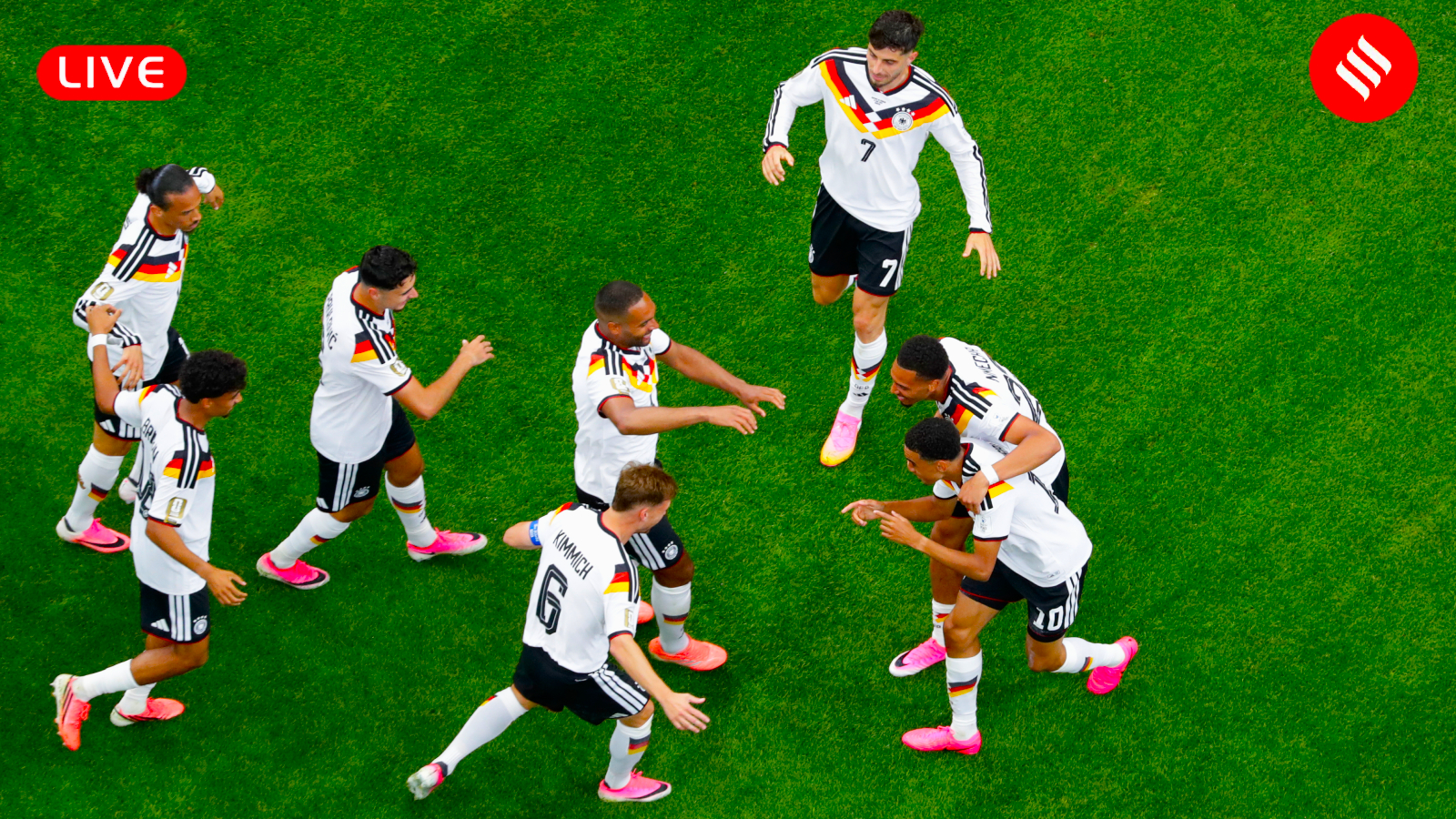
- Joshua Kimmich’s Role: Kimmich, undoubtedly a world-class midfielder, has been earmarked as the inheritor of this tradition. His technical prowess, tactical intelligence, and tireless work rate are undeniable. However, the perception that he has "plateaued" in terms of leadership speaks to the incredibly high bar set by his predecessors. While an excellent ball circulator and passer, the commanding presence, the ability to grab a game by the scruff of its neck, and the emotional leadership associated with a true Führungsspieler are qualities the German public still craves from him. This match against a dangerous opponent is an opportunity for Kimmich to step up and demonstrate that elevated level of command.
Multiculturalism and Identity:
The evolving demographic of the German squad, with 12 out of 26 players having immigrant backgrounds, reflects a broader societal shift. Figures like Jamal Musiala, born to a German mother and British-Nigerian father, symbolize this new era. While celebrated for the diversity and talent it brings, this cultural transition can also come with unique pressures. As noted, there’s a latent societal expectation that can misattribute team failures to the immigrant background of players. This adds another layer of psychological complexity for the squad, emphasizing the importance of unity and success on the pitch to forge a cohesive national identity around the team.
Ivory Coast: The Dangerous Elephants
Ivory Coast’s victory over Ecuador, though narrow, showcased their blend of physical prowess, tactical discipline, and individual attacking brilliance. They are not merely a team of dazzling individuals but a cohesive unit capable of executing a game plan effectively.
Tactical Blueprint:
The "Elephants" are likely to employ a system that leverages their athletic advantage and attacking flair, possibly a 4-3-3 or a flexible 4-2-3-1, allowing for quick transitions.
- Offense: Their strength lies in "spectacular attacking players" who excel in transition. This implies a focus on quick breaks, direct runs, and exploiting spaces left by an attacking German side. Expect blistering pace on the wings and a central striker capable of holding up play and finishing opportunities. Their ability to score late against Ecuador speaks to their enduring energy and belief.
- Midfield: A robust and energetic midfield three will be crucial for disrupting Germany’s rhythm, winning possession, and initiating counter-attacks. Their physicality will be a key asset in challenging Germany’s control.
- Defence: While strong defensively, their vulnerability might lie in sustained periods of German pressure. Their ability to remain compact and disciplined for 90 minutes will be tested.
Yan Diomande: The Star in the Making:
Joshua Kimmich’s specific mention of Yan Diomande underscores the young Ivorian’s burgeoning reputation.
- "Crazy Development": Diomande’s rapid ascent suggests a player who has quickly adapted to high-level football, refining his skills and tactical understanding.
- "Start-Stop" Dribbling: This unique style, allowing him to accelerate, abruptly halt to unbalance defenders, and then explode again, is a nightmare for opposition full-backs and central defenders. It creates space in congested areas and can unlock even the most organized defences.
- Kingsley Coman Comparison: The comparison to Kingsley Coman, a former Bayern Munich teammate of Kimmich’s, is high praise. Coman is known for his electrifying pace, dribbling ability, and knack for creating decisive moments. If Diomande possesses similar attributes, he represents a significant threat to Germany’s defence. His ability to operate on the wing or as an attacking midfielder will provide tactical flexibility for Ivory Coast and headaches for Germany’s defensive planners.
Official Responses: Kimmich’s Candid Assessment
The primary official response comes from Germany’s influential midfielder, Joshua Kimmich, offering a candid and insightful pre-match perspective. His comments, made after the 7-1 victory over Curacao, reveal the German team’s high standards and their respect for the upcoming opponent.
"We could have scored plenty more goals," Kimmich stated, highlighting a prevailing sentiment within the German camp. This isn’t arrogance but rather a reflection of a deeply ingrained desire for absolute perfection and efficiency. Even a seven-goal margin wasn’t enough to satisfy the meticulous German approach. He further emphasized the difficulty of such comprehensive victories, noting, "One thing we’ve seen over the first few games of the tournament is that, even against weaker opposition, winning that comfortably and by that big a margin is no easy task." This pragmatic outlook ensures the team remains grounded and focused, avoiding complacency despite their strong start.
Shifting his focus to the upcoming challenge, Kimmich articulated his respect for the Ivorian squad. "Côte d’Ivoire have some spectacular attacking players and they’re really good in transition," he observed. This acknowledges the inherent danger posed by the Elephants, particularly their ability to quickly turn defence into attack, a characteristic that can exploit any defensive lapses.
Kimmich then delved into specific player analysis, singling out young Yan Diomande. "His development has been crazy," Kimmich remarked, indicating the rapid rise of the Ivorian talent. He provided a detailed scout report, focusing on Diomande’s distinctive dribbling style: "The way he dribbles is particularly unusual, with his ‘start-stop’ style. He reminds me a little bit of Kingsley [Coman] when he was with us at Bayern Munich. He can accelerate really quickly, stop dead to take the defender out of the game, and then accelerate again." This detailed observation from a player of Kimmich’s caliber underscores the threat Diomande poses and highlights the meticulous preparation Germany undertakes for each opponent. It also implicitly suggests that Kimmich, as a potential defensive midfielder or even a central defender in certain phases, will be acutely aware of Diomande’s movements.
While no direct quotes from the Ivory Coast camp are provided in the original text, one can infer their confidence from their opening victory. Their coach and players would likely emphasize their collective strength, the belief in their attacking talent, and their ability to execute a disciplined game plan against one of the tournament favorites. They would undoubtedly view this match as an opportunity to prove their credentials on the global stage.
Implications: What a Win, Loss, or Draw Means
The outcome of this Group E clash carries significant implications, not only for Germany and Ivory Coast but for the entire group and potentially their trajectories deeper into the FIFA World Cup 2026.
For the Winner: Direct Passage and Momentum
A victory for either Germany or Ivory Coast will be a monumental step.
- Early Qualification: The most immediate benefit is securing passage into the Round of 32 with a game to spare. This allows the winning team to potentially rest key players in their final group match, mitigating injury risks and preserving energy for the demanding knockout rounds.
- Psychological Edge: An early qualification also provides a significant psychological boost. It affirms their status as a strong contender and builds momentum that can be crucial in high-stakes tournaments. For Germany, it would reaffirm their status as a tournament favorite and quell any lingering doubts from past performances. For Ivory Coast, it would be a statement of intent, proving they are capable of competing with the world’s elite.
- Group Top Spot: A win also puts the victor in prime position to top Group E, which often means a more favorable draw in the Round of 32, potentially avoiding other group winners or stronger teams in the early knockout stages.
For the Loser: Pressure and a Must-Win Scenario
The team that suffers defeat will face immediate pressure heading into their final group stage match.
- Increased Pressure: A loss means the losing side will likely need a result in their final group game to guarantee progression, turning it into a "must-win" or "must-draw" scenario depending on other results. This can be mentally taxing and limit tactical flexibility.
- Potential for a Tougher Draw: Finishing second in the group often leads to a more challenging opponent in the Round of 32, making the path to the later stages considerably harder.
- Morale Impact: While one loss in the group stage isn’t fatal, it can dampen morale and force a reassessment of strategies, especially if the performance was significantly below expectations. For Germany, a loss would be a major upset and could reignite criticisms about their leadership or tactical approach. For Ivory Coast, it would be a missed opportunity to make an early statement.
In Case of a Draw: Group E Remains Wide Open
A draw would leave both teams on four points, maintaining their unbeaten records but delaying qualification.
- Group Dynamics: A draw would keep Group E wide open, making the final round of matches incredibly tense. Both teams would still need results in their last games to ensure progression, and the battle for the top spot would be decided on goal difference or potentially head-to-head records.
- Tactical Adjustments: Coaches would need to re-evaluate their approaches for the final group match, potentially needing to chase goals or play more defensively depending on their position in the standings.
- Opportunity for Others: A draw would also offer a lifeline to the other teams in the group (Curacao and Ecuador), who would still have a mathematical chance of qualifying, adding another layer of intrigue to the final matchday.
Broader Tournament Implications
This match holds implications beyond Group E. The performance of these two teams will be closely watched by potential knockout stage opponents. Germany’s ability to handle a dangerous counter-attacking team like Ivory Coast will be a test of their tournament credentials. Conversely, if Ivory Coast can stand toe-to-toe with a former world champion, it will solidify their reputation as a dark horse and a team to be reckoned with. The World Cup 2026, with its expanded format, emphasizes the importance of early group stage dominance, and this match is a prime example of a fixture that could define a nation’s journey. The outcome will undoubtedly resonate throughout the tournament, shaping narratives and expectations for the thrilling weeks ahead.
