

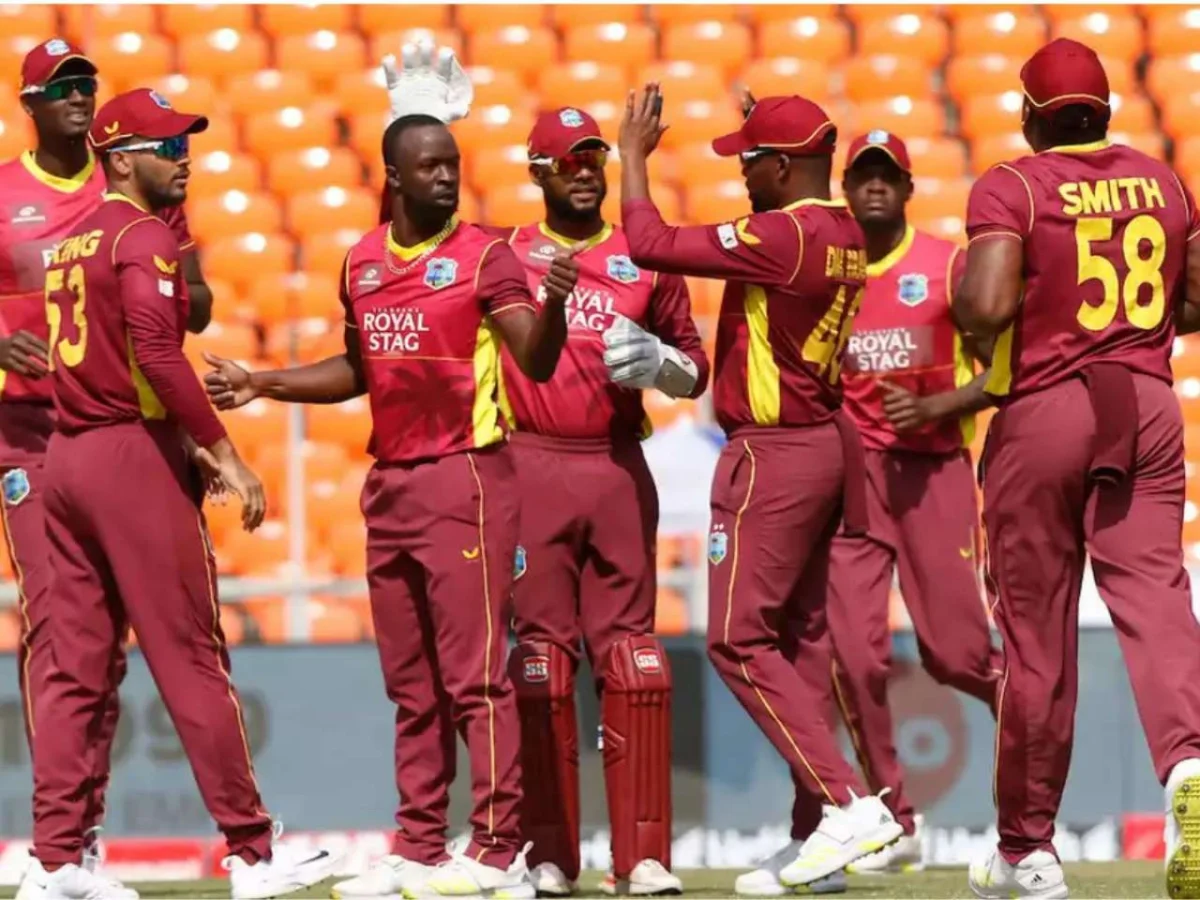
CRICKET – The International Cricket Council (ICC) has unveiled a revamped and significantly more challenging qualification pathway for the 2027 Men’s ODI World Cup, setting the stage for a high-stakes battle where only the most resilient will prevail. At the heart of this unfolding drama is the precarious position of former two-time champions West Indies, who once again find themselves teetering on the brink of a mandatory qualification tournament, a scenario that evokes the painful memories of their historic absence from the 2023 showpiece event.
The new format, designed to inject greater competitiveness and provide a clearer, merit-based progression for nations across the cricketing spectrum, will see a 10-team qualifying tournament determine a solitary direct entrant into the main draw. This stringent approach means that traditional cricketing powerhouses, if they falter in their automatic qualification bids through the ICC rankings, will be forced to navigate a treacherous path alongside a blend of established and emerging nations. The stakes have never been higher, particularly for teams like the West Indies, whose recent form has cast a long shadow over their aspirations.
Main Facts
The road to the 2027 ODI World Cup, scheduled to be co-hosted by South Africa, Zimbabwe, and Namibia, is already fraught with tension. The ICC has finalized the schedule for the decisive Qualifiers tournament, a month-long crucible of cricketing ambition set to run from February 21 to March 23 next year. While the host nation for this critical event is yet to be announced, the format itself has undergone a radical overhaul, fundamentally reshaping how teams will secure their spot in the sport’s premier 50-over competition.
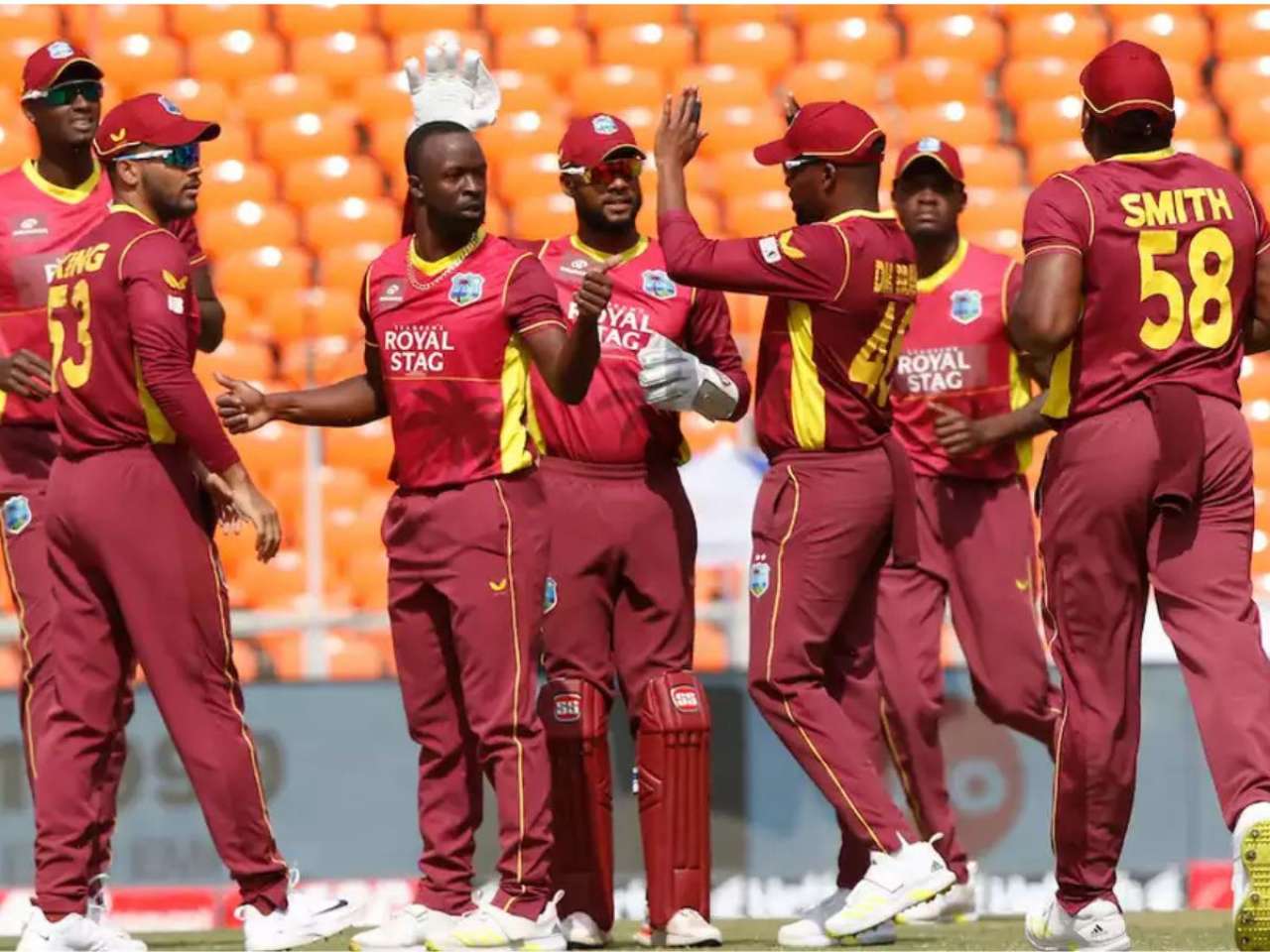
Under the new regulations, only the outright winner of the 10-team Qualifiers will earn a direct berth in the 14-team World Cup group stage. This is a stark departure from previous cycles, where multiple qualification spots might have been available from such tournaments. The teams finishing second, third, and fourth in the Qualifiers will not be immediately eliminated but will instead be relegated to a newly introduced ‘Super Series’ round. From this secondary stage, a mere single team will eventually advance to the main group, joining the Qualifier winner and the automatically qualified nations.
The main event itself, the 2027 ODI World Cup, is slated to commence on October 4 and conclude on November 11, with matches distributed across 12 different stadiums in the three host countries: South Africa, Zimbabwe, and Namibia. This tripartite hosting arrangement adds another layer of logistical complexity and excitement to the tournament.
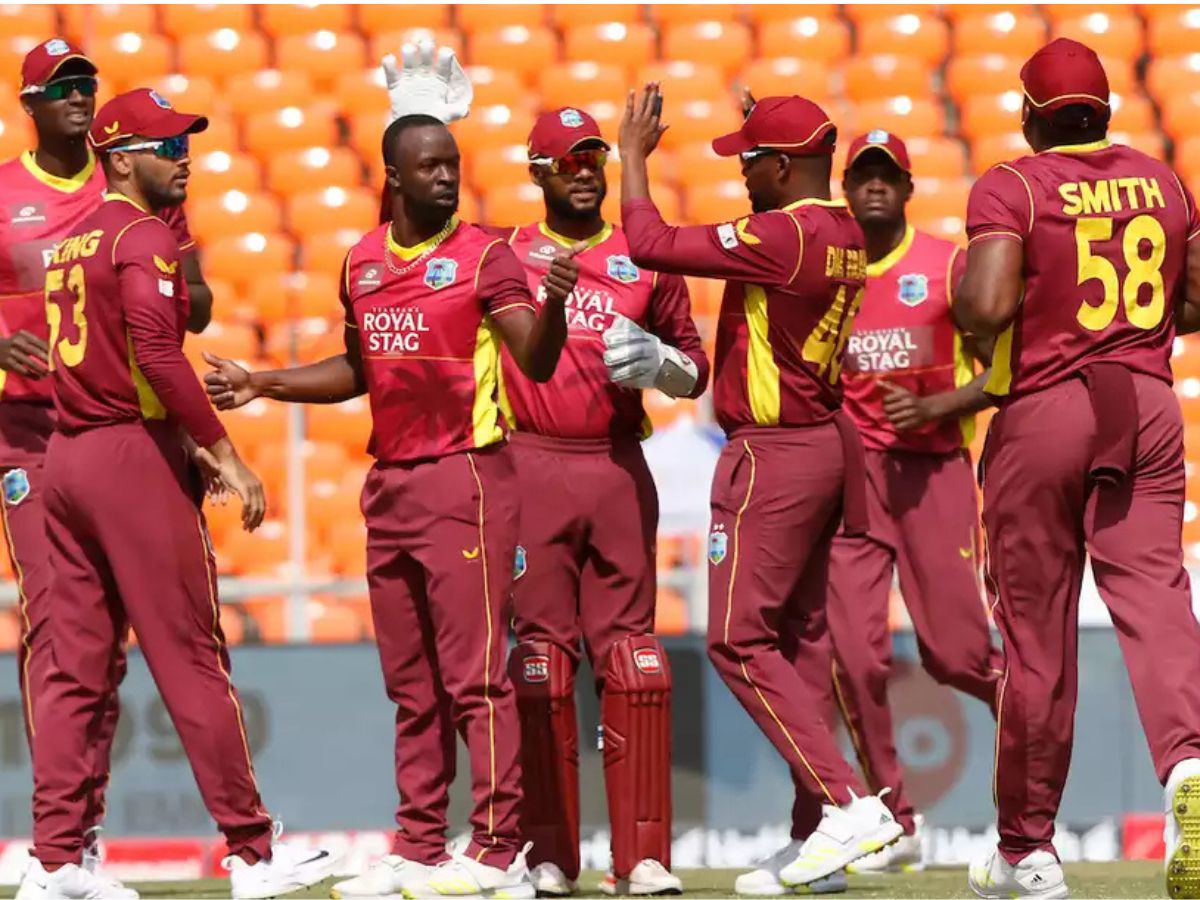
The composition of the 10 teams participating in the Qualifiers is a carefully calibrated mix:
)
- Two lowest-ranked full member nations (excluding the host nations South Africa and Zimbabwe) based on the ICC ODI rankings cutoff date of September 30, 2026.
- Four teams emerging from the ICC Cricket World Cup League 2.
- Four teams advancing from the World Cup Qualifier Playoff round.
For the West Indies, currently languishing at 10th in the ODI rankings, the implications of this new format are particularly severe. With only two crucial matches against India remaining before the September 30, 2026, cutoff, their fate hangs precariously. The outcome of the Afghanistan-Ireland ODI series also plays a significant role in their immediate ranking prospects. Should Ireland secure a dominant series victory (e.g., 4-1 or 5-0) and West Indies win their remaining matches, a slim chance of automatic qualification via the top eight remains. However, if Afghanistan emerges victorious in their series, West Indies will almost certainly be condemned to the arduous Qualifiers, reliving a nightmare scenario from the previous World Cup cycle.
Chronology of Qualification
The Road to 2027 Begins
The genesis of this new qualification structure can be traced back to July when the ICC formally announced the revised pathway for the 2027 ODI World Cup. This declaration initiated a critical period for all aspiring nations, marking the official start of their journey towards the pinnacle of 50-over cricket. The ICC’s decision underscores a commitment to fostering a more competitive global landscape, albeit one that demands unwavering performance from all participating teams.
The first significant milestone in this chronological journey is the September 30, 2026, cutoff date for the ICC ODI rankings. This date will serve as the definitive benchmark for determining which of the full member nations secure automatic qualification and which are relegated to the Qualifiers. The anticipation leading up to this date will transform every bilateral ODI series into a high-stakes encounter, with ranking points becoming as valuable as match victories.

Preceding the main 10-team Qualifiers, the pathways through the ICC Cricket World Cup League 2 and the World Cup Qualifier Playoff will have concluded. These multi-year and multi-stage tournaments provide a structured route for associate nations and those outside the top-ranked full members to earn their shot at the global stage. The culmination of these preliminary stages will funnel the successful teams into the decisive Qualifiers tournament.
The main Qualifiers themselves, running from February 21 to March 23 next year, represent the penultimate stage. It is here that the 10 vying nations will clash, their hopes and dreams riding on every run, every wicket, and every boundary. Only after this intense month-long battle will the direct qualifier be identified, alongside the three teams destined for the nail-biting ‘Super Series’. Finally, the entire qualification saga culminates with the 2027 ODI World Cup, scheduled from October 4 to November 11, where the world’s best will compete for the coveted trophy across South Africa, Zimbabwe, and Namibia.
Evolution of ICC Qualification Formats
The ICC’s approach to World Cup qualification has seen several iterations over the decades, reflecting the evolving landscape of international cricket and the organization’s strategic goals. Historically, the early World Cups featured a more direct entry system, often based on full membership status and invitation, with a smaller number of teams participating. As cricket expanded globally, the need for a more structured qualification process became evident.
)
The late 20th and early 21st centuries saw the introduction of preliminary tournaments, initially less formal, but gradually evolving into more defined pathways. The concept of an ‘ICC Trophy’ (now the Cricket World Cup Qualifier) emerged as a crucial stepping stone for associate nations to challenge for World Cup berths.
The 2011 and 2015 World Cups primarily relied on a combination of direct qualification for top-ranked full members and a separate qualifier tournament for others. However, a significant shift occurred with the introduction of the ICC Cricket World Cup Super League for the 2023 cycle. This league, comprising 13 full member nations, saw teams play a series of bilateral ODIs over a two-year period, with the top seven teams (plus hosts India) automatically qualifying. The remaining teams, along with qualifiers from the CWC League 2 and Qualifier Playoff, were then funneled into a final Qualifiers tournament.
The current 2027 format represents a refinement and, in some ways, a tightening of the screws compared to the Super League era. While still incorporating elements of ranking-based qualification and a multi-tiered league system for associate nations, the reduction of direct qualification spots from the final Qualifiers tournament (from two in 2023 to just one for 2027) signifies a heightened level of difficulty. The introduction of the ‘Super Series’ further complicates the path for those who don’t win the main Qualifier event, ensuring that almost every match in the qualification cycle carries immense weight. This evolution highlights the ICC’s continuous effort to balance inclusivity with the desire to ensure that only the most deserving and in-form teams reach the sport’s grandest stage.
)
Supporting Data and Mechanics of Qualification
The 10-Team Qualifier Structure
The intricate design of the 2027 ODI World Cup Qualifiers is a testament to the ICC’s ambition to create a meritocratic yet inclusive system. The 10 participating teams are drawn from three distinct pools, each representing a different stratum of international cricket:
-
Two Lowest-Ranked Full Member Nations: At the heart of the Qualifiers are the full member nations who fail to secure direct qualification through their ICC ODI rankings. As of the September 30, 2026 cutoff, the two lowest-ranked full members – explicitly excluding the host nations South Africa and Zimbabwe, who automatically qualify – will be mandated to compete in the Qualifiers. A "full member" nation holds permanent voting rights and a seat on the ICC board, representing the established cricketing powers. This clause ensures that even traditional giants, if their performance wanes, must prove their mettle against emerging talent.
-
Four Teams from ICC Cricket World Cup League 2: This crucial pathway provides a consistent competitive structure for associate nations and lower-ranked full members over a multi-year cycle. Cricket World Cup League 2 typically features seven teams playing a series of bilateral ODIs (often trilaterals) over an extended period. The top three teams from League 2 directly advance to the World Cup Qualifier, while the bottom four proceed to the World Cup Qualifier Playoff. For the 2027 cycle, the format might have slight adjustments, but its core purpose remains to elevate the standard and provide clear progression for these nations. The four teams from CWC League 2 who earn a spot in the main Qualifiers are those who have demonstrated consistent excellence over the league’s duration.
)
-
Four Teams from the World Cup Qualifier Playoff: This round serves as a vital second chance for teams who narrowly missed direct progression from League 2 or other regional qualification tournaments. It typically involves the bottom four teams from CWC League 2, alongside other top-performing associate nations from the Cricket World Cup Challenge League (a tier below League 2). The Playoff is a standalone tournament where these teams battle it out, with the top four earning the final coveted spots in the 10-team Qualifiers. This tiered system ensures that a broad range of cricketing nations has a realistic, albeit challenging, route to the World Cup.
The format within the Qualifiers tournament itself is equally unforgiving. A round-robin stage is highly probable, ensuring that every team plays against every other team, maximizing competitive fairness. However, the most significant change is that only the eventual winner of this entire tournament will secure a direct ticket to the 2027 World Cup. This "winner-take-all" approach for the primary qualification slot significantly ratchets up the pressure on all participants.
For those teams finishing second, third, and fourth in the Qualifiers, the journey is not over, but it becomes even more precarious. They will enter the ‘Super Series’ – a new, high-stakes playoff round. The exact format of this ‘Super Series’ (e.g., semi-finals and a final, or another mini-league) is yet to be fully detailed, but the core principle is clear: only one additional team from this trio will ultimately advance to the main World Cup. This adds a dramatic layer of sudden-death cricket, ensuring that World Cup qualification remains a tense affair until the very last ball.
)
West Indies’ Current Predicament
The West Indies, once the undisputed kings of ODI cricket, find themselves in a familiar and unenviable position. Currently ranked 10th in the ICC ODI rankings, they are precariously close to falling into the mandatory Qualifiers zone. With the September 30, 2026, cutoff looming, every match, every point, and even the performance of rival nations will dictate their fate.
Their immediate concern is a two-match ODI series against India. These are not merely bilateral contests but effectively qualification play-offs. To have any realistic chance of climbing into the top eight (which would guarantee automatic qualification alongside hosts South Africa and Zimbabwe), West Indies must secure convincing victories in both matches.
Adding to the complexity is the ongoing Afghanistan-Ireland ODI series. The outcome of this series holds significant sway over the rankings.
)
- Scenario 1: Ireland Wins Big: If Ireland manages to defeat Afghanistan decisively, say by a 4-1 or 5-0 margin, and the West Indies simultaneously sweep their series against India, there remains a slim, mathematically plausible chance for the Caribbean side to leapfrog into the top eight. This would require a significant swing in net points and a favorable outcome in other potential series involving teams like Sri Lanka or Bangladesh.
- Scenario 2: Afghanistan Dominates: Conversely, if Afghanistan triumphs emphatically in their series against Ireland, it would solidify their ranking position and push the West Indies further down the pecking order. In such a scenario, even if West Indies manage to win both their matches against India, their path to automatic qualification would be all but closed, almost certainly consigning them to the Qualifiers.
The statistical context for West Indies’ current standing is bleak. Their recent ODI form has been inconsistent at best, marked by periods of brilliance interspersed with frustrating collapses. This lack of sustained performance is precisely why they find themselves in this predicament, highlighting the urgent need for a turnaround in fortunes and a consistent application of their considerable talent.
The Ghosts of 2023
The current situation is eerily reminiscent of the lead-up to the 2023 ODI World Cup, a memory that still haunts West Indies cricket. For the first time in the tournament’s illustrious history, the West Indies failed to qualify for the main event. Their elimination came during the Qualifiers tournament in Zimbabwe, where a shocking loss to the Netherlands in a Super Over sealed their fate. This defeat was compounded by earlier losses to Zimbabwe and Scotland, exposing deep-seated issues within their 50-over setup.
The failure to qualify for 2023 was a seismic event, sending shockwaves through the Caribbean and the wider cricketing world. A team that had lifted the inaugural World Cup trophy in 1975 and again in 1979, and boasted an unparalleled legacy of cricketing legends, was relegated to the sidelines. This historical context amplifies the pressure on the current squad. Another failure to qualify for 2027, especially after the recent 2023 debacle, would not just be a sporting disappointment but a profound crisis for West Indies cricket, raising fundamental questions about its direction, talent development, and administrative efficacy. The specter of 2023 looms large, serving as a stark reminder of the consequences of underperformance and the unforgiving nature of the new qualification pathways.
)
Official Responses and Rationale
ICC’s Vision for Global Cricket
The International Cricket Council’s decision to implement these significant changes to the World Cup qualification format is rooted in a broader vision for the growth and competitiveness of global cricket. The ICC’s stated objectives behind such reforms typically revolve around several key pillars:
-
Enhancing Competitiveness: By making qualification more challenging, the ICC aims to ensure that only the most prepared and in-form teams reach the World Cup. This, in theory, should lead to a higher standard of play and more compelling matches in the main tournament. The ‘winner-take-all’ approach for the Qualifiers’ direct slot and the subsequent ‘Super Series’ are designed to amplify the stakes at every stage.
-
Providing Clear Pathways for Associate Nations: While the direct qualification for full members is tougher, the structured League 2 and Qualifier Playoff systems offer a defined and progressive path for associate nations. This inclusivity is crucial for the global development of the sport, allowing emerging cricketing countries to aspire to the highest level and gain valuable international experience. The ICC believes that by providing these clear pathways, it can incentivize investment in cricket development in non-traditional regions.
)
-
Increasing Engagement and Storylines: A more competitive qualification process generates more narratives, drama, and fan interest leading up to the World Cup. Every bilateral series for top-ranked teams becomes critical for ranking points, and the Qualifiers tournament itself becomes a compelling standalone event. The potential for upsets and the rise of new cricketing nations adds excitement and broadens the appeal of the sport.
-
Meritocracy: The underlying philosophy is to create a more meritocratic system where performance, rather than historical standing or administrative power, dictates World Cup participation. While full member status still offers certain advantages, the new format significantly reduces the safety net for underperforming established nations.
ICC officials, while not directly quoted in the provided text, have historically emphasized the importance of a dynamic qualification system. They would likely articulate that these changes are necessary to keep the game vibrant, challenge the status quo, and ensure that the World Cup truly features the best teams in the world at that specific point in time, regardless of their historical pedigree. The move towards a 14-team World Cup from 10 (in 2019 and 2023) also aligns with the broader goal of expanding participation while maintaining a high standard.
)
Stakeholder Reactions
The new qualification format is likely to elicit varied responses from different stakeholders within the cricketing community.
-
Full Member Nations on the Fringe: Teams like the West Indies, Sri Lanka, Ireland, Afghanistan, and Zimbabwe (who are not co-hosts) will undoubtedly feel immense pressure. Their boards and coaching staff will be acutely aware of the financial and reputational implications of missing out on a World Cup. There might be some apprehension or even criticism regarding the increased difficulty, especially for nations already grappling with consistency issues. The focus will shift even more intensely to ODI performance in the lead-up to the cutoff date.
-
Established Top-Tier Full Members: For teams like Australia, India, England, and New Zealand, who are consistently at the top of the rankings, the impact might be less direct. However, the increased pressure on their competitors could lead to more competitive bilateral series, which benefits the sport as a whole. They might endorse the changes as a way to ensure only the strongest teams reach the main event.
)
-
Associate Nations: Teams from CWC League 2 and the Qualifier Playoff will likely view the expanded pathways as a positive development, offering them clearer, albeit still challenging, routes to the World Cup. The prospect of playing against full members in the Qualifiers provides invaluable exposure and experience, regardless of the outcome. This format reinforces the dream for nations like Scotland, Netherlands, Nepal, Oman, and USA, among others, that a World Cup appearance is within reach.
-
Former Players and Analysts: Opinion among pundits might be divided. Some will laud the ICC for fostering greater competition and providing opportunities for emerging nations, arguing that it makes the World Cup more exciting. Others might express concern over the possibility of iconic cricketing nations missing out, potentially diminishing the historical allure of the tournament. There will be discussions about whether the balance between traditional powerhouses and developing teams has been struck correctly. The dramatic nature of the 2023 Qualifiers, where the West Indies missed out, suggests that these events will be highly compelling.
The overall sentiment from the ICC’s perspective is that these changes are necessary for the long-term health and global appeal of ODI cricket. While challenging for some, they aim to create a more dynamic, engaging, and ultimately more rewarding qualification journey for all involved.
)
Implications and Future Outlook
Impact on West Indies Cricket
For the West Indies, the prospect of another mandatory qualification battle, and potentially another failure, carries profound implications across multiple facets of their cricketing ecosystem.
Identity and Legacy: West Indies cricket is steeped in a rich history of dominance and flair. Repeated failures to qualify for the World Cup threaten to erode this legacy and diminish the sport’s standing within the Caribbean. It impacts the pride of the region and the connection fans feel with their national team.
Financial Ramifications: World Cup participation brings significant financial benefits through ICC distributions, sponsorship opportunities, and increased media rights. Missing out again would be a severe blow to Cricket West Indies’ (CWI) already strained finances, potentially impacting grassroots development, domestic structures, and player contracts. This financial strain can create a vicious cycle, making it harder to invest in the future.
)
Talent Pipeline and Player Morale: The inability to compete at the highest level can demotivate aspiring young cricketers and potentially lead talented athletes to pursue other sports or opportunities. For the current squad, the psychological toll of fighting for qualification, especially after the 2023 experience, is immense. It puts immense pressure on players, coaches, and the entire CWI administration to deliver. The need for a coherent long-term strategy, rather than reactive measures, becomes critical.
Administrative Scrutiny: Another World Cup miss would undoubtedly lead to intense scrutiny of the CWI board, its selection policies, coaching appointments, and overall strategic direction. Calls for systemic change and accountability would likely intensify, further destabilizing an already complex administrative landscape. The pressure to innovate and rejuvenate the game in the islands is paramount.
Broader Consequences for Global Cricket
The new qualification format has far-reaching consequences for the global cricketing landscape:
)
Increased Stakes for Bilateral Series: Every ODI series involving nations on the qualification bubble now carries immense weight beyond mere bragging rights. Ranking points become a precious commodity, transforming otherwise routine tours into high-pressure encounters. This can lead to more intense competition and strategic team selections in bilateral cricket.
Potential for More Upsets and Compelling Storylines: The stricter qualification path means that no team, regardless of its history, is safe from the Qualifiers. This opens the door for more dramatic upsets and compelling narratives, as seen in 2023 with the Netherlands defeating West Indies. The possibility of another major cricketing nation missing out adds an element of unpredictability that can captivate audiences.
The Role of "Minnows" and Associate Nations: The structured pathways, while challenging, provide a genuine opportunity for associate nations to prove themselves. Should more associate nations qualify for the main World Cup, it would validate the ICC’s development programs and inspire further growth of cricket in non-traditional territories. This inclusivity is vital for cricket’s ambition to become a truly global sport.
)
Economic Implications: Host nations for the Qualifiers tournament stand to benefit economically, attracting fans and generating revenue. For participating teams, the financial incentives of World Cup qualification are significant, influencing their investment in ODI cricket. The overall health of the ODI format itself could be boosted by the increased stakes and drama surrounding qualification.
The Road Ahead
As the countdown to the September 30, 2026, ranking cutoff intensifies, and the Qualifiers tournament approaches, the cricketing world watches with bated breath. The new ICC format has undeniably created a more demanding and exciting qualification journey, ensuring that every match counts. For the West Indies, this period represents a crucial test of their resilience, talent, and strategic planning. Their ability to navigate this gauntlet will not only define their immediate future but also significantly impact the narrative of one of cricket’s most storied nations.
The 2027 ODI World Cup promises to be a spectacle of elite cricket, but the journey to get there will be a captivating drama in itself, full of twists, turns, and the raw emotion of sporting ambition. The qualification cycle is now a tournament within a tournament, setting the stage for an unforgettable chapter in the annals of One-Day International cricket.
