

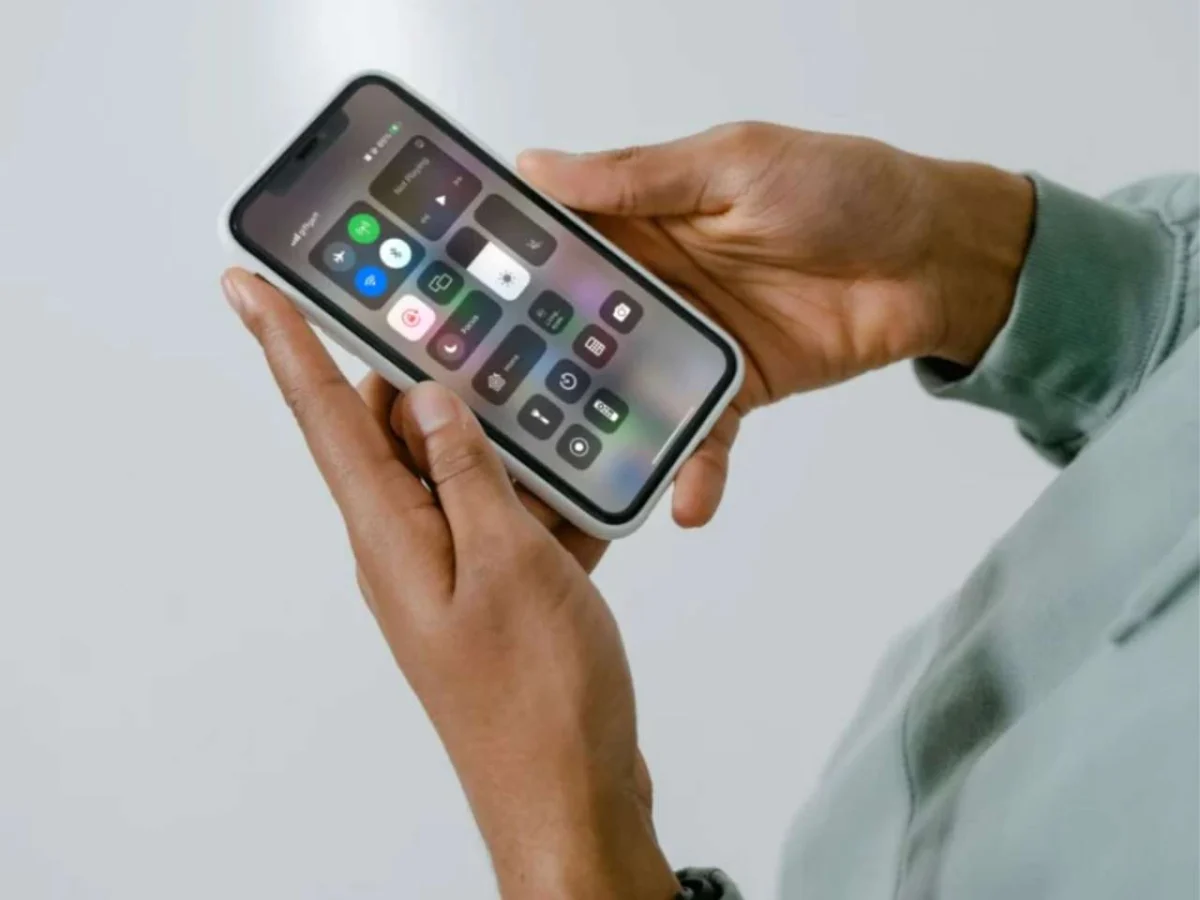
Main Facts: Apple’s AI Leap with Siri
CUPERTINO, CA – In a move poised to redefine the landscape of personal digital assistants, Apple Inc. officially unveiled a monumental artificial intelligence overhaul for Siri at its annual Worldwide Developers Conference (WWDC26). This groundbreaking announcement, a centerpiece of the highly anticipated keynote, introduces a significantly more intelligent and context-aware Siri, deeply integrated across the forthcoming iOS 27, iPadOS 27, and macOS 27 Golden Gate operating systems. The upgrade represents Apple’s strategic push into advanced generative AI, promising a seamless and profoundly personalized user experience across its vast ecosystem.
No longer merely a voice command interface, the next-generation Siri is positioned as a truly intuitive digital assistant, capable of understanding intricate user intent, referencing on-screen content, and orchestrating complex actions across a multitude of applications. This evolution is not just an incremental update but a foundational shift, transforming Siri from a helpful utility into a proactive and deeply integrated intelligence layer within Apple’s devices. Developers, too, are being empowered with a suite of new tools designed to unlock unprecedented levels of integration, promising an era where natural language commands can effortlessly navigate, summarize, and act upon information residing within third-party applications. This pivotal moment at WWDC26 signals Apple’s firm commitment to leading the charge in the AI-powered future, all while reiterating its steadfast dedication to user privacy through on-device processing.
Chronology: From Voice Command to Cognitive Assistant
The Genesis of Siri: A Decade of Evolution
Siri’s journey within Apple began over a decade ago, acquired by the tech giant in 2010 and subsequently launched as a flagship feature with the iPhone 4S in 2011. Initially hailed as a revolutionary voice assistant, Siri promised a natural language interface to control device functions, set reminders, and answer queries. However, over the years, as competitors like Google Assistant and Amazon Alexa rapidly advanced, Siri often faced criticism for its perceived limitations in context awareness, multi-turn conversations, and deep integration with third-party applications. While it remained a ubiquitous presence in Apple’s ecosystem, many users yearned for a more robust, intelligent, and proactive assistant. The pressure on Apple to deliver a significant AI leap mounted steadily, particularly with the explosive growth of generative AI models and large language models (LLMs) from rival companies in the preceding years.
Anticipation Builds for WWDC26
Leading up to WWDC26, the tech world was abuzz with speculation regarding Apple’s long-awaited "AI moment." Industry analysts and consumers alike eagerly anticipated how the traditionally cautious and privacy-focused company would integrate cutting-edge artificial intelligence into its product lineup. Rumors of a massive Siri overhaul, codenamed internally with various monikers hinting at enhanced cognitive abilities, permeated tech blogs and financial reports. Expectations were high that Apple would not only catch up with its competitors but also set new standards, particularly in areas like on-device AI processing and user data privacy – hallmarks of the Apple brand. The stage was set for WWDC26 to be Apple’s definitive declaration of its AI strategy, with Siri at its very core.
)
The WWDC26 Keynote: A Vision Unveiled
The atmosphere at Apple Park during the WWDC26 keynote was electric. Following opening remarks from CEO Tim Cook, who emphasized Apple’s unwavering commitment to innovation and user experience, the spotlight shifted to Craig Federighi, Senior Vice President of Software Engineering, who dramatically unveiled the "Apple Intelligence" initiative. He described it not just as a feature set, but as a holistic framework designed to imbue Apple’s devices with a profound understanding of their users and their context.
The highlight of Federighi’s presentation was the comprehensive demonstration of the revitalized Siri. On a massive screen, a sleek, reimagined Siri interface appeared, showcasing its new capabilities in real-time. Demonstrations included Siri effortlessly summarizing an email thread while referencing a calendar appointment, composing a complex message using context from a recent web search, and even performing multi-step actions across different applications with a single, natural language command. The audience witnessed Siri intelligently recognizing elements on screen, understanding nuanced user requests, and proactively offering assistance based on learned patterns and real-time information. A significant reveal was also the introduction of a standalone Siri app, offering a dedicated chat interface for more extended and complex conversational interactions, while maintaining its deep integration with the operating system.

Rollout and Availability
The new AI-powered Siri, as part of the broader Apple Intelligence suite, will be integrated into the next major operating system updates: iOS 27 for iPhone, iPadOS 27 for iPad, and macOS 27 Golden Gate for Mac. Following the WWDC26 presentation, developer betas of these operating systems, including the enhanced Siri features, were immediately made available to registered developers. A public beta program is anticipated to follow later in the summer, allowing a wider audience to test the new capabilities and provide feedback. The general release of iOS 27, iPadOS 27, and macOS 27 Golden Gate, bringing the full suite of AI enhancements to millions of users worldwide, is slated for the fall of 2026, consistent with Apple’s traditional annual software release cycle.
Supporting Data: The Technical Underpinnings of a Smarter Siri
Unprecedented Context Awareness and On-Screen Understanding
The most heralded feature of the new Siri is its dramatically improved context awareness. Apple detailed how the assistant can now "understand and reference content displayed on a user’s screen." This capability moves beyond simple keyword recognition, allowing Siri to interpret the semantic meaning of what the user is seeing and interacting with. For instance, if a user is viewing an email containing flight details, they could simply say, "Siri, add this flight to my calendar," and Siri would intelligently extract the relevant dates, times, and destinations from the on-screen email. Similarly, while browsing a photo album, a user could ask, "Siri, find all photos of my dog from last summer and share them with my mom," and the assistant would sift through images, identify the subject, filter by timeframe, and initiate the sharing process – all without requiring the user to manually switch between apps or input specific search terms.
)
Furthermore, Siri’s ability to "pull in information from a mix of apps and devices" significantly enhances its utility. This cross-application and cross-device intelligence allows Siri to synthesize information from various sources to provide more comprehensive and contextually relevant replies. Imagine asking, "Siri, what’s the best route to that new restaurant Sarah recommended earlier?" Siri would not only recall the restaurant from a message conversation, but also check your calendar for existing appointments, factor in real-time traffic data, and even suggest booking a reservation through a linked restaurant app, all in one fluid interaction. This "ambient intelligence" creates a truly personalized experience that learns and adapts to the user’s daily routines and preferences.
The new Siri also boasts enhanced real-time web integration, allowing it to "fetch current info from the web" directly within the conversation. This means users no longer need to explicitly open a web browser for up-to-date information. If you ask Siri about current events, stock prices, or breaking news, it will seamlessly pull and summarize the most relevant information, delivering it directly within the Siri interface, enriching the conversational flow and saving valuable time.
)
Deep App Integration: Empowering Developers with New Frameworks
A cornerstone of Siri’s transformation lies in the robust new developer-focused frameworks introduced at WWDC26, designed to foster unprecedented integration with third-party applications. These tools are crucial for transforming Siri into the "operating system-wide action layer" that industry observers predict.
- App Entities: This framework allows developers to define and expose specific data entities within their applications to Siri. For example, a food delivery app could define "order," "restaurant," or "dish" as entities, enabling Siri to understand and reference these concepts directly.
- App Intents: Building on the existing Intents framework, App Intents provide a more granular and powerful way for developers to expose specific actions and workflows from their apps to Siri. Users will be able to trigger these actions using natural language, such as "Order my usual coffee from Starbucks" or "Start a meditation session in Headspace."
- App Schemas: These schemas allow developers to provide structured metadata about their app’s content and capabilities, making it easier for Siri to discover and understand what an app can do and what kind of information it contains. This enhances Siri’s ability to summarize content or answer questions about an app’s data without needing to open the app itself.
- View Annotations: Perhaps one of the most innovative additions, View Annotations enable developers to tag specific UI elements within their apps with semantic meaning. This allows Siri to understand the visual context on the screen, even within a third-party application. For instance, if a user is looking at a specific product in a shopping app, they could say, "Siri, what are the reviews for this item?" and Siri would understand "this item" by referencing the annotated product information on screen.
These frameworks collectively aim to make app content and actions "more discoverable by Siri," paving the way for users to "search, summarize, and do actions in apps, all with natural language commands." This level of integration promises a future where the distinction between using an app and interacting with Siri becomes increasingly blurred, leading to a more intuitive and efficient user experience.
)
Privacy at the Core: On-Device and Secure System-Level Intelligence
True to Apple’s long-standing philosophy, privacy remains a paramount concern in this AI overhaul. The company emphasized that the new Siri is "built with privacy in mind, using on-device processing together with secure system-level intelligence." This multi-layered approach ensures that sensitive personal data largely remains on the user’s device, reducing the need to send information to cloud servers for processing.
On-device processing significantly enhances privacy by keeping personal data local, reducing the risk of data breaches and unauthorized access. It also offers advantages in terms of speed and responsiveness, as requests are processed directly on the device’s neural engine, minimizing latency. For tasks that require more computational power than the device can provide, Apple introduced a concept of "secure system-level intelligence," which utilizes private, secure cloud infrastructure. However, Apple stressed that even in such instances, user data is processed in a way that is designed to maintain privacy, often through techniques like differential privacy and anonymization, ensuring that individual user data is never directly accessible or used for profiling. This commitment to privacy is a crucial differentiator for Apple in the competitive AI landscape, aiming to build user trust as AI becomes more deeply embedded in daily life.
)
The Standalone Siri App: A New Conversational Hub
While the core Siri functionality is deeply integrated into the OS, Apple also rolled out a standalone Siri app. This app serves as a dedicated conversational interface, allowing users to engage in more extended, complex, and potentially multimodal interactions with the AI assistant. This separate environment might offer a more chat-like experience, similar to popular AI chatbots, where users can delve deeper into topics, refine queries, and manage ongoing tasks. It complements the quick, integrated commands by providing a space for more thoughtful and prolonged AI assistance, ensuring that Siri can cater to both immediate, context-driven needs and more intricate, multi-turn dialogues.
Official Responses: Apple’s Vision for Human-Computer Interaction
"This is a transformative moment for Siri and for Apple Intelligence as a whole," stated Tim Cook, Apple’s CEO, during the keynote. "For years, we’ve envisioned a future where our devices understand us not just by what we say, but by what we mean, by what we’re doing, and by the context of our lives. With this new Siri, we are delivering on that promise, ushering in an era of truly personal and proactive assistance. And as always, we’ve built this with privacy at its very foundation, empowering users without compromising their data."
)
Craig Federighi elaborated on the technical and philosophical underpinnings: "Our goal was to create an intelligent assistant that feels less like a tool and more like an extension of your own thoughts. The advancements in context awareness, coupled with the incredible new developer frameworks, allow Siri to bridge the gap between intent and action across your entire digital life. It’s about making your Apple devices not just smart, but truly intelligent, anticipating your needs and seamlessly helping you navigate your day."
These statements underscore Apple’s strategic intent to position Siri as the central nervous system of its ecosystem’s AI capabilities. The emphasis on "personal and proactive assistance" highlights a shift from reactive commands to predictive intelligence. By opening up Siri’s capabilities to developers through comprehensive frameworks, Apple is also signaling a collaborative approach, recognizing that the true power of an operating system-wide AI layer comes from the collective innovation of its vast developer community. The initial response from developers at WWDC26 was overwhelmingly positive, with many expressing excitement about the new possibilities for creating more intuitive and powerful app experiences.
)
Implications: Reshaping the Digital Landscape
Reshaping the Competitive Landscape
The launch of the new AI-powered Siri marks a significant escalation in the ongoing AI arms race among tech giants. For years, Apple was seen by some as lagging behind competitors like Google and Amazon in AI assistant capabilities. This comprehensive overhaul, however, repositions Apple as a formidable contender, potentially setting new benchmarks for on-device AI processing, privacy-centric design, and deep operating system integration. Google Assistant, Amazon Alexa, and Microsoft Copilot will now face renewed pressure to innovate further, particularly in areas where Apple has traditionally excelled: seamless hardware-software integration and a unified ecosystem experience. This move could spur further advancements across the industry, benefiting consumers with more sophisticated and ethical AI solutions.
A New Paradigm for User Experience
For the average Apple user, the implications are profound. The enhanced Siri promises to simplify daily tasks, increase productivity, and fundamentally change how they interact with their devices. Mundane actions that previously required multiple taps, swipes, or app switches can now be accomplished with simple, natural language commands. From managing schedules and communications to navigating information and controlling smart home devices, Siri’s newfound intelligence will act as a pervasive, intuitive layer of assistance. This could lead to a reduction in cognitive load, allowing users to focus more on tasks and less on the mechanics of device interaction, ultimately leading to a more fluid and enjoyable digital experience. The "operating system-wide action layer" concept means that the digital assistant is no longer confined to specific apps but can orchestrate complex workflows across the entire device, mirroring real-world human problem-solving.
)
Empowering the Developer Ecosystem
The new developer frameworks are a game-changer for Apple’s vast developer community. By providing tools like App Entities, App Intents, App Schemas, and View Annotations, Apple is enabling developers to make their apps far more accessible and functional through Siri. This could spark a new wave of innovation, fostering the creation of apps with deeper, more intelligent integrations than ever before. Developers can now design experiences where users interact with their app’s content and functionalities using natural language, potentially leading to increased app engagement and discoverability. This shift could also reduce the learning curve for new apps, as users can intuitively interact with them via Siri, rather than needing to learn complex UI hierarchies.
Ethical Considerations and Challenges
While the advancements are exciting, they also bring forth crucial ethical considerations and challenges. Apple’s strong emphasis on "privacy by design" and on-device processing is a significant step in addressing concerns about data security and surveillance. However, as Siri gains access to more personal context and information across apps, the scrutiny on Apple’s privacy policies will intensify. Ensuring transparency in how data is used, processed, and secured will remain paramount.
)
Another challenge lies in the accuracy and reliability of an AI assistant with such broad capabilities. As Siri orchestrates actions across multiple apps and interprets complex contexts, any misinterpretations or errors could have significant consequences. Apple will need to continuously refine its AI models and provide robust feedback mechanisms for users. Furthermore, the computational demands of sophisticated on-device AI processing will push the boundaries of hardware capabilities, particularly for older devices. Ensuring equitable access to these advanced features across Apple’s diverse product range will be an ongoing consideration. Finally, the global rollout of such a complex AI system will require extensive localization, ensuring Siri understands and responds accurately to diverse languages, accents, and cultural nuances.
The Future Outlook: Beyond WWDC26
The WWDC26 announcement is merely the beginning of Siri’s renewed journey. Looking ahead, we can anticipate even deeper integration with emerging Apple platforms like Apple Vision Pro, offering spatial computing AI experiences. Future iterations of Siri might feature even more proactive suggestions, leveraging learned user patterns and real-time data to anticipate needs before they are explicitly voiced. Advanced personalization, where Siri truly understands and adapts to individual preferences over time, will likely be a key focus. This evolution positions Siri not just as a reactive assistant, but as a truly intelligent, anticipatory companion that enhances every facet of the Apple user experience. The future of human-computer interaction, spearheaded by a reimagined Siri, promises to be more intuitive, efficient, and profoundly personal than ever before.
