

PERSONAL FINANCE
New Delhi, India – June 21, 2026 – The precious metals market in India continues to navigate a complex interplay of global economic forces, robust domestic demand, and volatile currency fluctuations. As of June 21, 2026, both gold and silver prices have shown distinct movements, reflecting a dynamic environment influenced by international investor sentiment, inflationary pressures, and seasonal buying patterns within the subcontinent. This comprehensive analysis delves into the current pricing structure, examines the historical context shaping these rates, dissects the multifaceted factors at play, gathers expert insights, and explores the broader implications for consumers, investors, and the Indian economy.
Current Market Snapshot: Gold and Silver Prices on June 21, 2026
The opening of markets on June 21, 2026, saw gold prices in India exhibiting a slight uptick, largely propelled by persistent global demand and prevailing inflationary concerns. This upward momentum underscores gold’s enduring appeal as a safe-haven asset amidst economic uncertainties. Silver, while generally experiencing less dramatic swings than gold, also registered significant value, affirming its dual role as an industrial commodity and an investment vehicle.
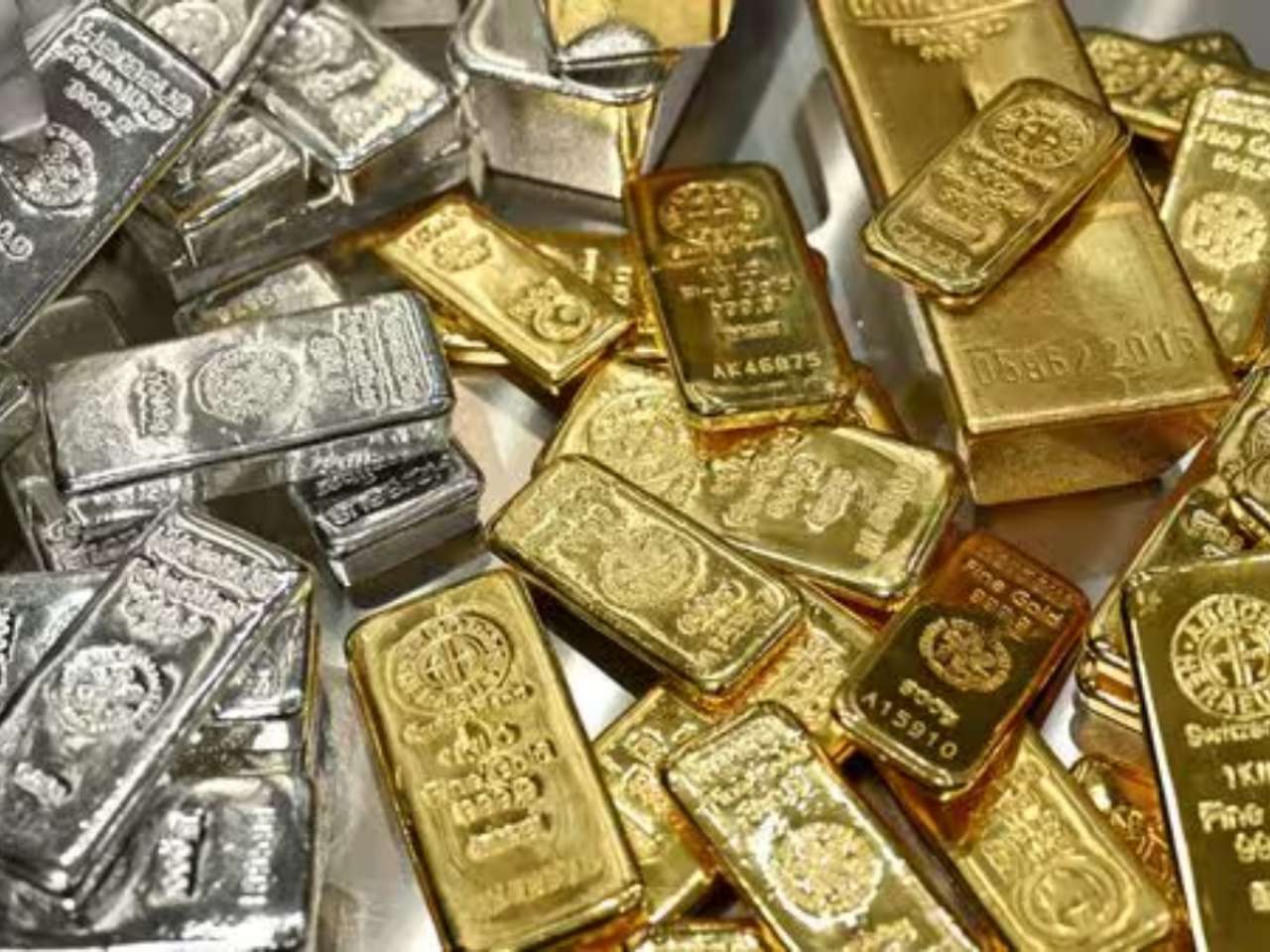
Across the nation, the average price for 24K gold (999 purity) stands at Rs 14,608 per gram. For jewellery enthusiasts and buyers, 22K gold (91.67% pure), the standard for most adornments, is priced at Rs 13,390 per gram. These national averages, however, mask regional variations driven by local taxes, transportation costs, and specific market dynamics.
Similarly, silver prices have maintained a strong trajectory. The national average for 999 pure silver is approximately Rs 2,50,000 per kilogram, translating to Rs 2,500 per 10 grams. Sterling silver (925 purity), commonly used in intricate designs, is quoted at Rs 2,49,000 per kilogram.
This daily pricing mechanism is a sophisticated reflection of real-time trading on international commodity exchanges, the prevailing US Dollar-Indian Rupee exchange rate, and the intricate balance of supply and demand within India’s vast consumer base.
)
A Look Back: Recent Trends and Chronology Shaping Precious Metals
To fully appreciate the current price levels, it is imperative to examine the trajectory of gold and silver over the preceding months and years. The period leading up to mid-2026 has been characterized by a series of significant global and domestic events that have profoundly influenced precious metal valuations.
2024-2025: Post-Pandemic Recovery and Geopolitical Realities:
The years 2024 and 2025 witnessed a complex recovery from the global economic disruptions of the early 2020s. Initial phases of recovery were marked by robust inflationary pressures, as supply chains grappled with increased demand and geopolitical tensions (such as ongoing conflicts and trade disputes) fueled uncertainty. Central banks globally, particularly the US Federal Reserve, embarked on aggressive monetary tightening cycles to curb inflation. These rate hikes initially put downward pressure on non-yielding assets like gold, as higher interest rates made bonds more attractive. However, persistent inflation and the specter of a global economic slowdown often reignited safe-haven demand for gold, leading to a seesaw pattern. Silver, benefiting from increased industrial activity during the recovery phase, also saw its demand rise, especially in sectors like solar energy and electric vehicles.
Early 2026: Shifting Economic Narratives and Sustained Demand:
As 2026 began, the narrative started to shift. While inflation remained a concern, the pace of interest rate hikes had largely plateaued, with some discussions even pointing towards potential rate cuts later in the year, depending on economic data. This prospect of lower future interest rates tends to be bullish for gold, as it reduces the opportunity cost of holding the metal. Furthermore, geopolitical tensions, rather than subsiding, often intensified, providing a continuous undercurrent of uncertainty that bolstered gold’s appeal. India, in particular, saw a steady revival in consumer confidence and disposable incomes, especially in urban centers, translating into sustained demand for jewellery and investment-grade precious metals. Rural demand, though more susceptible to monsoon patterns and agricultural output, also contributed significantly during auspicious periods.

April-May 2026: Pre-Monsoon & Wedding Season Impetus:
The months leading up to June are typically crucial for India’s gold market. The Hindu calendar often features numerous auspicious dates for weddings and festivals like Akshaya Tritiya, driving a significant surge in jewellery purchases. This consistent domestic demand provides a strong floor for gold prices, often insulating them somewhat from larger global downturns. Investment demand also saw a pickup as savvy investors looked to hedge against potential market volatility or currency depreciation. The Indian Rupee, subject to global capital flows and trade balances, experienced moderate fluctuations against the US Dollar during this period, directly impacting the landed cost of imported gold and silver.
The cumulative effect of these trends – sustained global uncertainty, persistent inflation, potential shifts in monetary policy, and robust domestic consumption – has set the stage for the current pricing landscape observed on June 21, 2026.
Supporting Data: Detailed City-Wise Rates and Market Fundamentals
The national average prices for gold and silver serve as a benchmark, but the real picture emerges when examining the specific rates in major Indian cities. These variations highlight the localized factors, including state taxes, local levies, and logistical costs, which differentiate pricing across the country.
)
Gold Prices on June 21, 2026 (Per Gram):
-
Delhi:
- 24K Gold (999 purity): Rs 14,623
- 22K Gold (91.67% purity): Rs 13,405
- Delhi often reflects a blend of investment and consumer demand, being a major commercial hub.
-
Mumbai:
)
- 24K Gold (999 purity): Rs 14,608
- 22K Gold (91.67% purity): Rs 13,390
- Mumbai, as India’s financial capital, is highly sensitive to global market movements and acts as a key trading hub.
-
Kolkata:
- 24K Gold (999 purity): Rs 15,608
- 22K Gold (91.67% purity): Rs 13,390
- Kolkata, with its strong cultural affinity for gold, often sees distinct pricing patterns influenced by regional demand peaks.
-
Chennai:
- 24K Gold (999 purity): Rs 15,837
- 22K Gold (91.67% purity): Rs 13,600
- Chennai and South India, in general, are known for their exceptionally high gold consumption, which can lead to slightly higher prices due to consistent demand.
These city-wise rates, sourced from reliable market aggregators like Good Returns, provide crucial transparency for consumers and traders.
)
Silver Prices on June 21, 2026 (Per 10 Grams / Per Kilogram):
-
National Average (999 Purity):
- Per Kilogram: Rs 2,50,000
- Per 10 Grams: Rs 2,500
-
City-Wise Rates for Silver 999 (Per 10 Grams):
)
- Delhi: Rs 2,500
- Mumbai: Rs 2,500
- Kolkata: Rs 2,500
- Chennai: Rs 2,500
- Unlike gold, silver prices often show less regional variation in base rates across major cities due to its broader industrial application and more unified supply chains.
Deep Dive into Driving Factors:
-
Global Market Trends: The international price of gold, primarily dictated by futures trading on exchanges like COMEX, remains the most significant determinant. Factors influencing global prices include:
- US Dollar Index (DXY): A stronger dollar typically makes gold more expensive for holders of other currencies, potentially dampening demand. Conversely, a weaker dollar often boosts gold prices.
- Interest Rates: Higher real interest rates increase the opportunity cost of holding non-yielding gold, making debt instruments more attractive. The expectation of rate cuts, however, makes gold more appealing.
- Geopolitical Stability: Conflicts, political instability, and global trade tensions invariably drive investors towards safe-haven assets like gold.
- Crude Oil Prices: High oil prices can fuel inflation, which in turn enhances gold’s appeal as an inflation hedge.
- Economic Growth Data: Weaker global economic forecasts or recession fears often lead to increased gold demand.
-
Local Demand Dynamics: India is one of the world’s largest consumers of gold, and domestic factors play a pivotal role.
)
- Festive and Wedding Seasons: These periods witness an exponential surge in demand for gold jewellery and coins, forming a significant demand floor.
- Investment Demand: A growing segment of the Indian population views gold as a traditional store of wealth and a hedge against economic volatility, distinct from its ornamental value.
- Rural Demand: Heavily influenced by agricultural income and monsoon performance, rural India’s buying power significantly impacts national gold consumption.
-
Currency Fluctuations: The exchange rate between the US Dollar and the Indian Rupee (USD-INR) directly impacts the landed cost of imported gold and silver. Since India imports a substantial portion of its precious metal requirements, a weaker Rupee translates to higher prices in local currency terms, even if international dollar prices remain stable. On June 21, 2026, the Rupee’s performance against the Dollar was a key variable in determining local prices.
-
Inflationary Pressures: The current inflationary environment, both global and domestic, continues to be a strong tailwind for gold. As the purchasing power of fiat currencies erodes, investors flock to gold as a tangible asset that historically preserves value during periods of rising prices.
-
Industrial Demand (for Silver): Silver’s unique properties make it indispensable in numerous industries, including solar panels, electronics, medical imaging, and photography. The robust growth in these sectors worldwide, particularly in renewable energy, has significantly boosted industrial demand for silver, influencing its price independent of its investment appeal.
)
Official Responses and Expert Perspectives
The intricate dance of global and local factors necessitates insights from market experts and official bodies. While direct "official responses" in terms of government statements on daily prices are rare, the views of economists, financial analysts, and industry leaders offer critical perspectives.
"The slight increase in gold prices today reflects a continued global appetite for safety, largely driven by lingering inflation concerns and cautious monetary policy outlooks," stated Dr. Anjali Sharma, Chief Economist at Zenith Financial Services. "While the US Federal Reserve has signaled a more measured approach to interest rates, the uncertainty surrounding global growth prospects and persistent geopolitical tensions in Eastern Europe and the Middle East mean that gold’s role as a hedge remains paramount. For India, the strength of the Rupee against the Dollar is a critical variable; a weakening Rupee immediately translates to higher local prices for imported gold."
Mr. Rajesh Kumar, President of the All India Jewellers’ Association, highlighted the domestic demand component. "We are seeing consistent demand from consumers, particularly as we approach the mid-year period, which often sees preparatory buying for the upcoming festive and wedding season. Despite the higher prices, gold holds immense cultural and emotional value in India, making demand relatively inelastic to minor price fluctuations. However, significant jumps can temporarily dampen consumer enthusiasm, leading them to opt for lighter jewellery or silver alternatives."
)
On silver, Ms. Priya Singh, a Senior Commodities Analyst at Capital Markets India, commented, "Silver’s performance is currently a blend of its safe-haven appeal and robust industrial demand. The global push for renewable energy, especially solar power, is consuming vast quantities of silver. This industrial backbone provides a strong floor for silver prices, often making it less volatile than gold in certain periods, but also more sensitive to industrial output and manufacturing data. For Indian investors, silver offers a more accessible entry point into precious metals compared to gold, and its growth potential from industrial applications is highly attractive."
Experts generally concur that the Indian government’s import duty policies on gold and silver, while aimed at managing the current account deficit, also play a role in setting domestic prices. Any adjustments to these duties can immediately alter the cost structure for importers and, consequently, the final price for consumers. The Reserve Bank of India’s (RBI) currency management policies also indirectly impact precious metal prices by influencing the USD-INR exchange rate.
Implications for Consumers, Investors, and the Economy
The current pricing trends for gold and silver on June 21, 2026, carry significant implications across various segments of the Indian populace and the broader economy.
)
For Consumers:
- Affordability: Higher prices mean that consumers seeking to purchase gold jewellery for weddings, festivals, or as investments will need to allocate a larger budget. This might lead to a shift towards lighter-weight designs, opting for 22K over 24K, or exploring silver as an alternative, particularly for those with budget constraints.
- Buying Decisions: Consumers often time their purchases to coincide with auspicious dates or perceived dips in prices. The current upward trend may prompt some to defer non-essential purchases, while others might expedite buying if they anticipate further price increases.
- Cultural Significance: Despite price volatility, gold’s deep cultural roots in India ensure a baseline demand, especially for life events like weddings, where it remains an indispensable gift and asset.
For Investors:
- Diversification: Gold and silver continue to serve as crucial tools for portfolio diversification, acting as a hedge against equity market volatility and inflation.
- Safe-Haven Status: In an environment of global uncertainty, both metals offer a sense of security, attracting investors looking to preserve capital.
- Long-Term vs. Short-Term: Long-term investors may view current prices as a continuation of an upward trend, while short-term traders might look for opportunities arising from daily fluctuations.
- Alternative Investment Avenues: The availability of Gold Exchange Traded Funds (ETFs), sovereign gold bonds, and digital gold platforms provides alternative, often more liquid, ways to invest in gold without the need for physical storage. Silver, too, is gaining traction as an investment asset, beyond its traditional physical form.
For the Indian Economy:
)
- Import Bill: India’s substantial reliance on gold and silver imports contributes significantly to its import bill. Higher global prices and a weaker Rupee can exacerbate this, potentially widening the current account deficit.
- Foreign Exchange Reserves: Increased expenditure on precious metal imports can put pressure on the nation’s foreign exchange reserves.
- Jewellery Industry: The vast Indian jewellery sector, a major employer, is directly impacted by price movements. Higher prices can affect sales volumes, while stable or moderately rising prices can foster growth. The industry adapts by innovating designs, offering lighter jewellery, and promoting exchange schemes.
- Macroeconomic Stability: The flow of gold into the country also has implications for illicit trade and money laundering, necessitating vigilant government policies.
Future Outlook and Conclusion
Looking ahead, the precious metals market in India is likely to remain influenced by a dynamic interplay of global macroeconomic indicators, geopolitical developments, and domestic consumption patterns. Analysts generally foresee continued support for gold prices, given the persistent global inflation, the potential for central banks to ease monetary policy in the medium term, and the ever-present geopolitical risks. Silver’s trajectory will also be bolstered by its industrial applications, especially in the burgeoning green energy sector, alongside its appeal as a more affordable investment alternative.
For consumers and investors in India, staying informed about these multifaceted drivers will be crucial. Monitoring international gold futures, the USD-INR exchange rate, and domestic economic indicators will provide valuable insights for making informed decisions regarding purchases or investments in these revered metals. While the prices on June 21, 2026, reflect a specific moment in time, they are part of a larger, evolving narrative that underscores gold and silver’s enduring value and strategic importance in the Indian context. As the nation progresses, its deep-rooted relationship with these precious metals will undoubtedly continue to shape its economic and cultural landscape.
