

BUSINESS
Global financial markets are navigating a treacherous landscape, caught between the cautious optimism surrounding a nascent US-Iran framework deal and the immediate, volatile realities of escalating geopolitical tensions in the Middle East. While hopes for a durable ceasefire and the crucial reopening of the Strait of Hormuz buoy investor sentiment, a recent surge in hostilities between Israel and Iranian-backed forces in southern Lebanon, coupled with a stark warning from Tehran, underscores the fragility of the current détente. The intricate dance between diplomacy, military posturing, and central bank policy is creating a dynamic and unpredictable environment for oil, equities, commodities, and cryptocurrencies alike.
The framework agreement, slated for finalization by Friday, holds the promise of easing global oil supply concerns, yet its details remain opaque. Simultaneously, reports of Israeli ceasefire violations and a subsequent "harsh response" warning from Iran cast a long shadow over energy markets, particularly given the Strait of Hormuz’s pivotal role in global energy flows. This precarious balance is further complicated by upcoming monetary policy decisions from major central banks, particularly the Federal Reserve, whose signals are keenly awaited by risk-averse investors.
The Geopolitical Chessboard: US-Iran Deal and Regional Volatility
The current market movements are inextricably linked to the ongoing efforts to forge a framework deal between the United States and Iran. This agreement, if realized, aims to address long-standing points of contention, potentially including Iran’s nuclear program and its regional influence, in exchange for sanctions relief. For energy markets, the most critical aspect hinges on a verifiable, durable ceasefire in regional conflicts and, crucially, the guaranteed safe passage through the Strait of Hormuz.
)
The Strait of Hormuz: A Global Chokepoint Under Threat
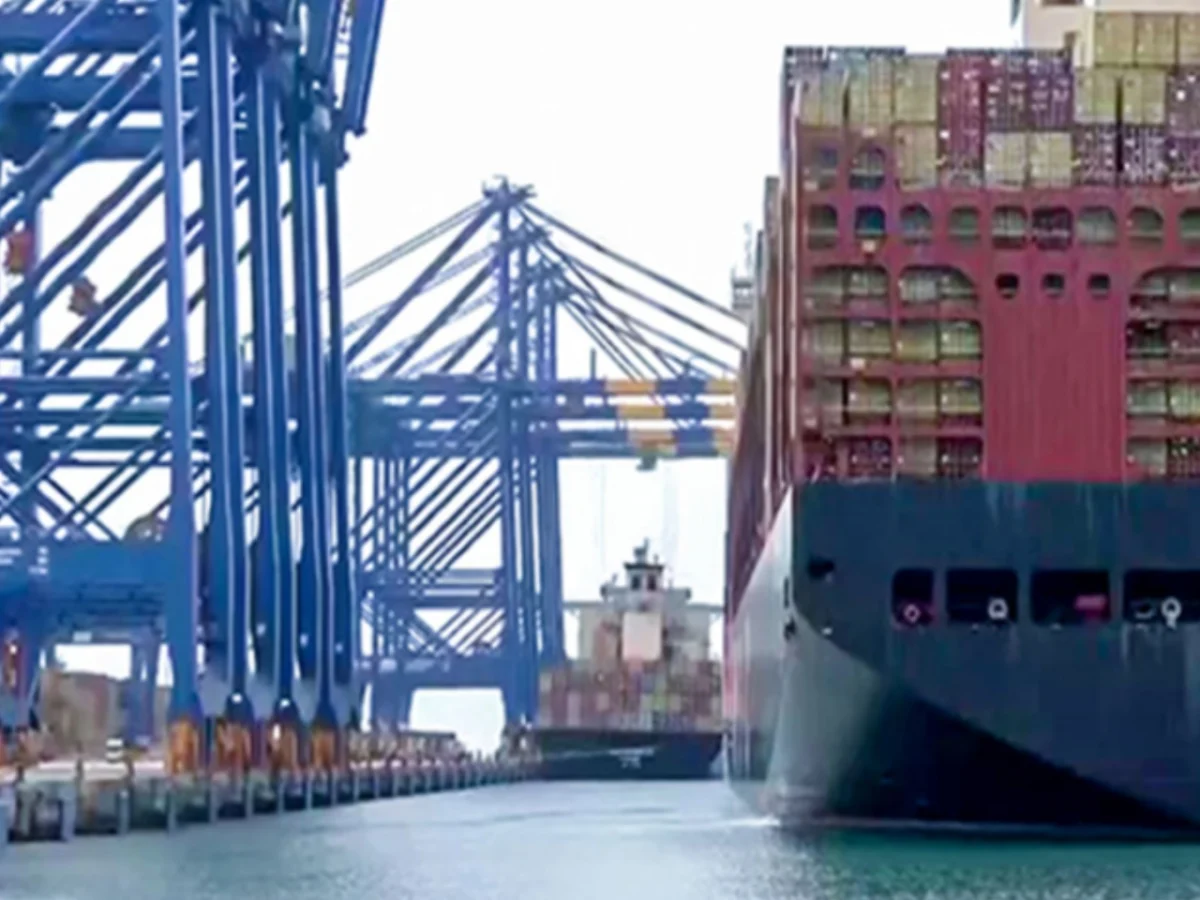
The Strait of Hormuz, a narrow waterway connecting the Persian Gulf with the Arabian Sea, is arguably the world’s most vital oil transit chokepoint. Approximately 20% of global oil consumption and a significant portion of the world’s liquefied natural gas (LNG) pass through this strategic passage daily. Any disruption, blockage, or perceived threat to navigation in the Strait can send immediate shockwaves through global energy markets, leading to sharp price increases and heightened supply insecurity. The prospect of its "reopening" implies a period of previous constraint or heightened risk, and its guaranteed stability is a core demand for market confidence. The memory of a reported three-month block of the Strait, which has demonstrably drained inventories, further amplifies its importance.

Escalation in Southern Lebanon: A Dangerous Flashpoint
The delicate market optimism was significantly challenged by reports emerging from the region. Iran’s military explicitly accused Israel of violating the ceasefire in southern Lebanon an alarming 84 times over the preceding two days. These accusations were substantiated by concrete events, including Israeli strikes that reportedly killed at least four individuals in Nabatieh, a city in southern Lebanon, with drone hits on vehicles specifically cited.
)
Nabatieh, a significant urban center in the region, has historically been a flashpoint in conflicts between Israel and various Lebanese factions. Strikes in this area, particularly those resulting in casualties, are viewed with extreme gravity. Following these incidents, Iran issued a stark warning of a "harsh response" should the attacks continue. This direct threat from Tehran, a principal backer of various groups operating in southern Lebanon, immediately raised fears of a broader regional conflagration. The interconnectedness is clear: any significant escalation near the Strait of Hormuz, directly or indirectly linked to these regional hostilities, could instantly reverse any gains in oil prices and plunge markets into deeper uncertainty.
Oil Market on Edge: Supply, Demand, and Geopolitics
Oil prices initially edged higher in early trading on Wednesday, June 17, reflecting a cautious optimism among investors who were weighing the potential for a peaceful resolution to the US-Iran situation and the reopening of the Strait of Hormuz. Brent crude, the international benchmark, gained 47 cents, or 0.6%, reaching $79.43 a barrel. Concurrently, US West Texas Intermediate (WTI) crude rose by 48 cents, or 0.6%, to $76.53 a barrel.
)
However, this early buoyancy proved fleeting. By 9:14 am, the market sentiment had shifted, with Brent crude easing by 0.19% to $78.81/barrel, and WTI crude falling by 0.38% to $75.76. This rapid fluctuation underscores the extreme sensitivity of energy markets to unfolding geopolitical events and speculative trading. The initial gains were largely driven by the hopeful narrative surrounding the US-Iran deal and the potential for increased stability in the critical shipping lanes. Yet, the subsequent retreat highlighted the market’s underlying anxieties, particularly concerning the reliability of any ceasefire and the specter of continued regional instability.
The Sanctions Waiver Factor: A Double-Edged Sword
)
A significant development that contributed to the downward pressure on oil prices was the statement from a senior US official indicating that Washington would waive sanctions on Iranian oil as part of the broader deal to end the conflict. This news, reported by Reuters, immediately suggested the potential for a substantial increase in global oil supply, possibly adding millions of extra barrels to the market. The prospect of Iranian oil, previously restricted, re-entering global circulation can significantly alter the supply-demand balance, often leading to a bearish outlook for prices. While beneficial for consumers, such an influx could pressure prices lower, affecting oil-producing nations and companies.
Persistent Supply Worries and Dwindling Reserves
)
Despite the potential for increased Iranian supply, underlying concerns about global oil supply remain elevated. Several factors contribute to this apprehension:
- Lack of Deal Details: The US-Iran framework deal, despite its impending Friday deadline, still lacks comprehensive details. The ambiguity surrounding its implementation, monitoring, and specific commitments creates uncertainty, preventing markets from fully pricing in its potential impact.
- Strait of Hormuz Blockage Impact: The article references a "3-month Hormuz block" that has already drained global inventories. This historical or ongoing disruption highlights the vulnerability of the global supply chain to geopolitical events. The lingering effects of such a blockage mean that even with a deal, restocking efforts could be prolonged and challenging.
- Depleted US Strategic Petroleum Reserves (SPR): Critically, US oil reserves are reportedly at their lowest level since 1983. The SPR serves as an emergency buffer, designed to mitigate supply shocks during crises. Its depletion significantly reduces the United States’ ability to respond to future disruptions, leaving the global market more exposed to volatility. This factor alone adds a layer of systemic risk to the supply outlook.
The confluence of these factors – the promise of a deal, the threat of renewed conflict, the potential for Iranian oil, and critically low strategic reserves – creates a highly volatile and unpredictable environment for the global oil market.
)
Global Markets in Flux: Equities, Commodities, and Crypto
Beyond oil, the broader global financial landscape reflects a complex interplay of hope, anxiety, and anticipation of central bank actions. Stock markets exhibited a mixed performance, commodities showed cautious movements, and cryptocurrencies remained sensitive to macroeconomic signals.
Equities – A Mixed Picture Across Continents
)
- U.S. Futures: Early on June 17, U.S. futures showed a mixed tone, indicative of investor indecision. Dow Jones futures edged up 44 points, or 0.08%, to 52,043.85, suggesting some underlying resilience in blue-chip stocks. However, S&P 500 futures slipped 0.57% to 7,511.35, and Nasdaq futures fell 1.15% to 26,376.34. The divergence between the Dow and the tech-heavy Nasdaq often points to sector-specific concerns or a broader rotation out of growth stocks towards more stable, value-oriented companies amidst uncertainty.
- European Markets: European markets closed higher on June 16, signaling a more robust risk appetite in the region. The FTSE 100 in London rose 0.61% to 10,494.21, while France’s CAC 40 gained 0.75% to 8,447.27. Germany’s DAX, a bellwether for the Eurozone economy, was relatively flat but still saw a marginal rise of 0.07% to 24,910.41. These gains might reflect a relatively stronger economic outlook in Europe or a more contained perception of the Middle East conflict’s immediate impact on the continent.
- Asian Markets: Asian markets presented a split performance, reflecting diverse regional dynamics. Japan’s Nikkei 225 jumped 0.79% to 69,955, and Singapore’s Straits Times climbed 1.13% to 5,174.80, both classified as "Very Bullish" – likely driven by country-specific economic data or investor confidence. Conversely, Hong Kong’s Hang Seng dropped 0.33% to 24,412. Taiwan’s weighted index fell 1.11%, and South Korea’s KOSPI slipped 0.14%. The Shanghai Composite, despite edging down 0.18% to 4,084.54, managed to stay in "Bullish" territory. India’s GIFT Nifty was nearly flat, up a mere 0.03% at 24,033. This mixed bag underscores the localized factors influencing Asian markets, from trade relations to domestic policy.
Other Commodities and Currencies
In the broader commodities market, movements mirrored the cautious sentiment. As previously noted, Brent crude eased 0.19% to $78.81/barrel, and WTI crude fell 0.38% to $75.76, both exhibiting "Bearish" trends. Gold, traditionally a safe-haven asset, was surprisingly flat, down a marginal 0.01% at $4,330.88, also labeled "Bearish." This lack of a significant rally in gold suggests that while geopolitical risks are present, the market’s focus might be more heavily weighted towards interest rate expectations and the strength of the U.S. dollar. The Dollar Index, which measures the greenback against a basket of major currencies, dipped 0.04% to 99.53, indicating slight weakness. Concurrently, the USD/INR currency pair weakened by 0.32% to 94.41, reflecting potential capital outflows or domestic economic concerns in India.
)
Cryptocurrency Volatility: Bitcoin’s Predicament
The cryptocurrency market, often a barometer of broader risk appetite, saw Bitcoin trading in a narrow range between $65,000 and $67,000. Investors in the digital asset space are keenly awaiting guidance from the upcoming Federal Open Market Committee (FOMC) meeting, underscoring the increasing correlation between traditional macroeconomic policy and crypto valuations.
)
Akshat Siddhant, Lead quant analyst at Mudrex, offered crucial insights into Bitcoin’s current position. "While markets largely expect the Federal Reserve to keep rates unchanged, the recent 75-basis-point rate hike by the Bank of Japan has heightened sensitivity to the Fed’s outlook and policy commentary," Siddhant noted. This indicates that any unexpected hawkishness from the Fed could have a disproportionate impact, given recent tightening elsewhere.
Siddhant also highlighted a technical indicator: "On the other hand, the Sharpe ratio, a metric that measures return relative to volatility, dropped to -20, a threshold that marked major Bitcoin bottoms in every bear market since 2015." This suggests that from a historical perspective, Bitcoin might be nearing a significant support level. He outlined the potential scenarios: "A dovish tone from the Fed today could improve risk appetite and help Bitcoin break above the $68,000 resistance. However, a more hawkish stance may trigger fresh selling pressure, potentially pushing BTC back toward the $60,000 level." This analysis vividly illustrates the central role of monetary policy in shaping the immediate future of the crypto market.
)
Central Banks in Focus: The Fed’s Pivotal Role
Amidst the geopolitical turbulence, the spotlight remains firmly on central banks, particularly the U.S. Federal Reserve. Traders across all asset classes are keenly awaiting the outcomes and commentary from the FOMC meeting, especially as it marks Kevin Warsh’s first meeting as Federal Reserve chair.
Kevin Warsh’s Debut and FOMC Expectations
)
The entry of a new Fed chair often brings a period of increased scrutiny and anticipation regarding potential shifts in monetary policy philosophy or communication style. While the market consensus largely anticipates the Federal Reserve to maintain current interest rates, the nuances of the policy statement, economic projections, and any forward guidance from Warsh and the committee will be meticulously dissected. Investors will be looking for clues regarding the Fed’s assessment of inflation, employment figures, and the overall trajectory of the U.S. economy. Any hint of a more aggressive or dovish stance than expected could trigger significant market reactions.
Divergent Global Monetary Policies
)
The heightened sensitivity to the Fed’s outlook is also a direct consequence of the recent 75-basis-point rate hike by the Bank of Japan (BoJ). This move by the BoJ represented a notable shift away from its long-standing ultra-loose monetary policy, marking a significant divergence from the global trend of either pausing or considering rate cuts. The contrast between the BoJ’s tightening and the Fed’s expected hold creates complex dynamics in currency markets and capital flows. A hawkish Fed, following the BoJ’s lead, could exacerbate global liquidity concerns and strengthen the dollar, impacting everything from commodity prices to emerging market economies. Conversely, a dovish Fed might alleviate some pressure, allowing for greater risk appetite.
Broader Implications and Future Outlook
The current confluence of geopolitical instability, energy market volatility, and central bank policy uncertainty creates a challenging environment for global economic stability and investor confidence.
)
The Fragility of Optimism: The "cautious optimism" surrounding the US-Iran framework deal is inherently fragile. Its success hinges not only on diplomatic breakthroughs but also on the immediate cessation of regional hostilities, particularly between Israel and Iranian-backed forces. The escalating tensions in southern Lebanon serve as a stark reminder that a diplomatic agreement can quickly unravel if underlying conflicts are not addressed. The prospect of a "harsh response" from Iran keeps the market on tenterhooks, acutely aware of the potential for a wider conflict that could eclipse any gains from a deal.
Energy Security Revisited: The Strait of Hormuz remains the ultimate litmus test for global energy security. Its reliable operation is non-negotiable for stable oil and LNG supplies. The historical precedent of a three-month block, which has already drawn down inventories, combined with critically low US strategic reserves, means that any future disruption would have far more severe and immediate consequences than in previous years. Nations reliant on these energy flows are likely to redouble efforts to diversify supply chains and seek alternative routes, though such changes are slow and costly.
)
Investment Climate: The prevailing uncertainty makes for a cautious investment climate. While some sectors might benefit from volatility (e.g., defense, certain commodities), broader market sentiment leans towards risk aversion. The mixed performance of global equities reflects this hesitancy, with investors likely to favor assets perceived as safer until clearer signals emerge from both geopolitical negotiations and central bank policies. Corporate planning, particularly for energy-intensive industries, will be significantly impacted by the unpredictable trajectory of oil prices.
Geopolitical Ramifications: Beyond the immediate economic impact, the success or failure of the US-Iran deal will have profound geopolitical ramifications. A successful deal could pave the way for a period of de-escalation in the Middle East, potentially reshaping alliances and fostering greater regional stability. Conversely, its collapse, especially against a backdrop of ongoing conflict, could lead to a more entrenched and dangerous confrontation, drawing in other regional and global powers. The interplay between the United States, Iran, Israel, and Saudi Arabia will continue to define the power dynamics of this critical region.
)
In conclusion, the global financial markets are at a critical juncture, finely balanced between the promise of diplomatic resolution and the palpable threat of regional escalation. The coming days, particularly leading up to the Friday deadline for the US-Iran framework deal and the Federal Reserve’s policy announcement, will be pivotal in determining the near-term trajectory for oil prices, equity markets, and the broader global economic outlook. Investors and policymakers alike remain on high alert, understanding that the stakes could not be higher.
