

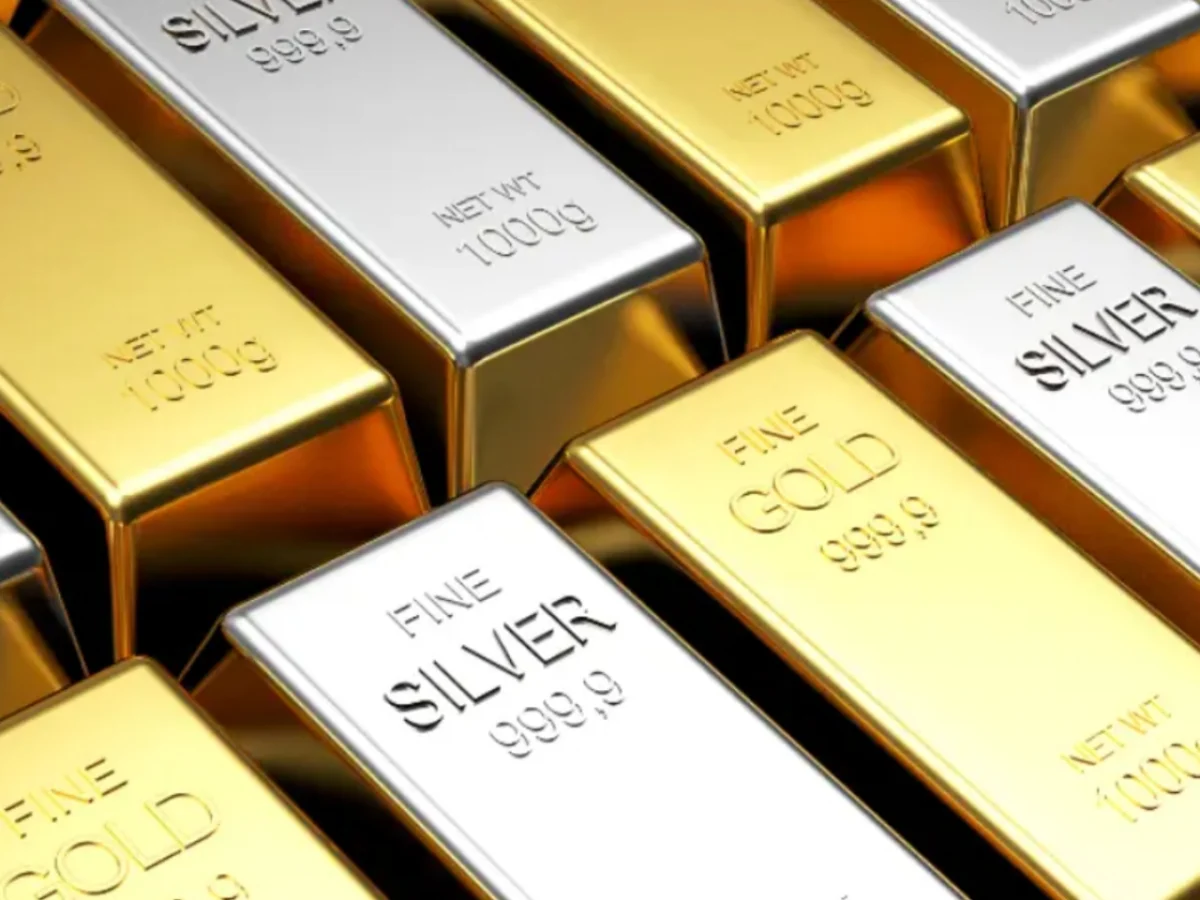
Mumbai, India – June 17, 2026 – India’s vibrant bullion market continues to be a focal point for investors and consumers alike, with gold and silver prices demonstrating their characteristic responsiveness to a confluence of global and domestic factors. As of June 17, 2026, the precious metals have shown nuanced movements, influenced by international market trends, the dynamic interplay of local demand, and the ever-fluctuating currency exchange rates. This comprehensive analysis delves into the current price landscape, the underlying economic forces, and the broader implications for stakeholders across the nation.
Main Facts: A Snapshot of Today’s Precious Metal Prices
Today, June 17, 2026, the Indian bullion market registered a slight uptick in gold prices, largely attributable to sustained global demand and persistent inflationary pressures. Silver, while generally less volatile than gold, also reflected global market shifts, with industrial demand playing a significant role in its valuation.
The price of 24-carat gold (999 pure gold) stands at Rs 15,136 per gram nationally, with 22-carat gold (91.67% pure, commonly used in jewellery) priced at Rs 13,874 per gram. For silver, the rate for 999 purity is approximately Rs 2,64,900 per kilogram, while Silver 925 (sterling silver) is quoted at Rs 2,59,000 per kilogram. These national benchmarks, however, exhibit slight variations across major Indian cities, reflecting localized market dynamics.
Chronology: Understanding the Daily and Recent Trajectories
The current pricing on June 17, 2026, is not an isolated event but rather the culmination of ongoing market activities and recent trends. Over the past few weeks, the global precious metals market has experienced a period of moderate volatility, driven by shifting geopolitical landscapes, central bank monetary policy adjustments, and varying economic data releases from major economies.
Recent Trends Leading to June 17, 2026:
The preceding quarter saw gold maintain its status as a safe-haven asset, benefiting from renewed concerns over global economic stability and continued inflationary expectations. Silver, with its dual role as a monetary metal and an industrial commodity, has tracked both gold’s movements and the performance of key manufacturing sectors globally. A notable trend has been the strengthening of the US Dollar in earlier trading sessions this month, which typically exerts downward pressure on dollar-denominated commodities like gold. However, today’s slight increase suggests that other factors, such as sustained investor appetite and inflation hedges, have outweighed the dollar’s influence.
The Daily Price Discovery Process:
Each day, including June 17, 2026, gold and silver prices in India are influenced by international spot prices that are active around the clock. The London Bullion Market Association (LBMA) fixings, the COMEX futures market in New York, and trading in Asian markets all contribute to the global price discovery. Indian markets then factor in the INR-USD exchange rate, import duties, state taxes (like GST), and local supply-demand dynamics to arrive at the daily indicative prices. The slight increase observed today reflects active trading and a net positive sentiment from the morning’s global cues. Throughout the day, these prices are subject to minor adjustments based on real-time currency fluctuations and domestic trading volumes, though the reported figures typically represent the opening or prevailing mid-day rates.
)
Supporting Data: A Deeper Dive into Prices and Influencing Factors
The current prices of gold and silver in India are a complex mosaic influenced by several critical factors. Understanding these elements provides a clearer picture of the market’s behavior.
Gold Prices on June 17, 2026: Purity and City-wise Breakdown
Gold, a timeless store of value, is primarily traded in two purities in India: 24K and 22K.
- 24K Gold (999 Pure Gold): This is the purest form of gold, containing 99.9% pure gold. It is typically purchased for investment purposes (bullion, coins) due to its high purity.
- 22K Gold (91.67% Pure Gold): Commonly known as ‘hallmark gold,’ this contains 91.67% gold and 8.33% other metals (like copper or silver) to increase durability, making it ideal for crafting intricate jewellery.
National Benchmark Prices (June 17, 2026):

- 24K Gold: Rs 15,136 per gram
- 22K Gold: Rs 13,874 per gram
City-wise Gold Rates (June 17, 2026): According to data compiled from various market sources, including Good Returns, the prices vary slightly across key metropolitan areas:
-
Gold prices in Delhi:
- 24K Gold: Rs 15,151 per gram
- 22K Gold: Rs 13,889 per gram
- Analysis: Delhi, a major consumption hub, often sees prices influenced by robust local demand and its status as a significant distribution center for bullion. The slight premium here reflects these factors.
-
Gold prices in Mumbai:
)
- 24K Gold: Rs 15,136 per gram
- 22K Gold: Rs 13,874 per gram
- Analysis: As India’s financial capital and a primary port of entry for gold imports, Mumbai often sets the baseline for national prices, reflecting a direct link to international rates and a highly competitive market.
-
Gold prices in Kolkata:
- 24K Gold: Rs 15,136 per gram
- 22K Gold: Rs 13,874 per gram
- Analysis: Kolkata’s prices typically align closely with Mumbai, given its strong historical connection to the bullion trade and similar market dynamics in terms of supply chains and consumer base.
-
Gold prices in Chennai:
- 24K Gold: Rs 15,337 per gram
- 22K Gold: Rs 14,059 per gram
- Analysis: Chennai consistently registers slightly higher prices than other metros. This can be attributed to several factors including stronger regional demand (especially for traditional jewellery), local taxes, and potentially higher logistical costs for distribution in South India. The region’s cultural affinity for gold also contributes to sustained demand, even during price fluctuations.
Silver Prices on June 17, 2026: Purity and City-wise Breakdown
Silver, often considered the ‘poor man’s gold,’ holds significant value both as an investment and an industrial metal.
)
- Silver 999 (Pure Silver): This is 99.9% pure silver, primarily used for investment in bars and coins, and for industrial applications.
- Silver 925 (Sterling Silver): This alloy contains 92.5% silver and 7.5% other metals (usually copper), enhancing its durability and making it suitable for jewellery, silverware, and decorative items.
National Benchmark Prices (June 17, 2026):
- Silver 999: Rs 2,64,900 per kilogram (or Rs 2,649 per 10 grams)
- Silver 925: Rs 2,59,000 per kilogram
City-wise Silver Rates (June 17, 2026):
-
Silver price in Delhi today:
)
- Silver 999: Rs 2,649 per 10 grams
- Analysis: Delhi’s silver market, like its gold market, is robust, driven by industrial demand from various manufacturing sectors and significant consumer purchases for household items and traditional gifts.
-
Silver price in Mumbai today:
- Silver 999: Rs 2,649 per 10 grams
- Analysis: Mumbai serves as a central hub for silver trading, with prices closely mirroring international movements due to its pivotal role in imports and exports.
-
Silver price in Kolkata today:
- Silver 999: Rs 2,649 per 10 grams
- Analysis: Kolkata maintains a stable silver market, reflecting the broader national trends and a consistent demand base for both investment and utility purposes.
-
Silver price in Chennai today:
)
- Silver 999: Rs 2,749 per 10 grams
- Analysis: Similar to gold, Chennai exhibits a higher silver price. This premium is often linked to strong regional demand for silver ornaments and utensils, particularly in South Indian traditions, alongside potential logistical and tax variations.
Macroeconomic Factors and Market Dynamics
1. Global Market Trends: The international spot price of gold and silver is the most significant determinant. Factors like interest rate decisions by central banks (e.g., US Federal Reserve, European Central Bank), global economic growth forecasts, and geopolitical tensions directly influence these prices. A dovish stance by central banks or heightened global uncertainty typically boosts demand for safe-haven assets like gold.
2. The US Dollar Exchange Rate: Since gold is priced in US Dollars globally, a stronger dollar makes gold more expensive for holders of other currencies, potentially dampening demand. Conversely, a weaker dollar makes it more affordable. Today’s slight increase in gold prices in India, despite recent dollar strength, suggests that underlying demand and inflation concerns are proving to be more influential. The INR-USD exchange rate also plays a crucial role; a depreciating Rupee makes imported gold more expensive in local currency terms.
3. Inflationary Pressures: Gold is widely regarded as a hedge against inflation. With global inflationary pressures remaining a concern for 2026, investor interest in gold as a safeguard against purchasing power erosion has been consistently high, contributing to the upward price trajectory. Economic indicators such as Consumer Price Index (CPI) data, Producer Price Index (PPI), and wage growth figures are closely watched.
)
4. Domestic Demand: India is one of the world’s largest consumers of gold. Domestic demand, particularly ahead of and during the festive season (Diwali, Akshaya Tritiya) and wedding season, significantly impacts local prices. Cultural significance and traditional investment patterns ensure a continuous baseline demand. While June 17, 2026, is outside the peak festive period, steady consumer interest and ongoing wedding purchases contribute to the market’s resilience.
5. Industrial Demand for Silver: Unlike gold, a substantial portion of silver’s demand comes from industrial applications, including solar panels, electronics, photography, and medical devices. The health of the global manufacturing sector, technological advancements, and the push for green energy solutions directly impact silver’s industrial demand and, consequently, its price. Robust economic growth forecasts for key manufacturing regions can drive silver prices higher.
6. Government Policies: Import duties on gold and silver, as well as changes in Goods and Services Tax (GST) rates, can directly impact the landed cost and retail price in India. Any alterations to these policies are closely monitored by the bullion industry.
)
Official Responses: Expert Insights and Industry Perspectives
While specific "official responses" to daily price fluctuations are rare, the broader market sentiment and analyses from industry experts and bodies provide valuable context.
Analysts’ Views on Gold’s Enduring Appeal:
Market analysts generally concur that gold’s current performance reflects its enduring role as a safe haven and an inflation hedge. "Despite short-term volatility driven by currency movements or interest rate speculation, the long-term fundamentals for gold remain strong," states a commodity expert from a leading financial institution. "Persistent global economic uncertainties, coupled with central banks continuing to diversify their reserves, ensure a floor for gold prices." Many anticipate that if global inflation remains sticky or if there’s a significant economic slowdown, gold could see further upward momentum.
Industry Body Statements:
The Indian Bullion and Jewellers Association (IBJA) or similar industry bodies often release statements highlighting the stability or volatility of the market, advising consumers on purchasing patterns. They frequently emphasize the transparency of pricing, noting that fluctuations are a natural part of a globally connected market. Their communications often focus on the importance of purchasing hallmarked jewellery and understanding purity standards.
)
Central Bank Policies and Precious Metals:
Central banks worldwide, including the Reserve Bank of India (RBI), play a pivotal role. Their decisions on interest rates, quantitative easing or tightening, and foreign exchange interventions directly influence economic growth, inflation, and currency strength, all of which ripple through to precious metal prices. While the RBI does not directly comment on daily price movements, its monetary policy stance is a key driver of the domestic economic environment that underpins local demand and the Rupee’s value.
Implications and Future Outlook
The current pricing trends for gold and silver on June 17, 2026, carry significant implications for various stakeholders.
For Investors: Navigating Volatility and Diversification
For investors, both retail and institutional, precious metals remain a critical component of a diversified portfolio.
)
- Short-Term Investors: Those looking to capitalize on daily or weekly movements must remain highly vigilant of global economic news, central bank announcements, and currency fluctuations. The slight increase today might present a short-term buying opportunity if the upward trend continues, or a selling point for those looking to lock in gains.
- Long-Term Investors: For investors with a longer horizon, gold and silver continue to serve as hedges against inflation and economic instability. The current prices, while elevated, are often viewed through the lens of protecting wealth against systemic risks. The sustained global demand and inflationary environment suggest that precious metals could continue to appreciate over the coming years.
For Consumers: Strategic Purchases
Indian consumers, particularly those planning weddings or festive purchases, need to consider these price points strategically.
- Wedding Season: Gold jewellery is an integral part of Indian weddings. Families often plan purchases months in advance, and today’s rates will factor into their budgeting.
- Festive Demand: While major festivals are still some months away, any dips in prices are typically met with increased buying activity, demonstrating the price sensitivity of Indian consumers. The slight increase today might encourage a ‘wait and watch’ approach for non-urgent purchases.
- Purity Awareness: Consumers are increasingly aware of purity standards (24K vs. 22K for gold, 999 vs. 925 for silver) and the importance of hallmarking to ensure authenticity and fair value.
Impact on India’s Economy
India’s substantial reliance on gold imports makes its price movements a significant economic factor.
- Trade Deficit: Higher gold prices and increased import volumes can widen India’s trade deficit, putting pressure on the Rupee.
- Forex Reserves: Fluctuations can impact the country’s foreign exchange reserves, as a significant amount of foreign currency is used to finance these imports.
- Local Industry: The jewellery manufacturing sector, a major employer, is directly impacted by raw material costs. Stable or predictable price trends are beneficial for business planning, while extreme volatility can create challenges.
Short-Term and Long-Term Forecasts
Short-Term (Next few weeks): Market analysts predict continued volatility. Key factors to watch will be upcoming inflation data from major economies, any new geopolitical developments, and the tone of central bank communications. If inflation proves more stubborn than expected, gold and silver could see further gains. Conversely, a sudden hawkish shift by central banks or de-escalation of global tensions could lead to a correction.
)
Long-Term (Next 6-12 months): The consensus among experts suggests a constructive outlook for precious metals. Gold is expected to maintain its role as a key portfolio diversifier and inflation hedge, with potential for further appreciation if global economic growth slows or if geopolitical risks persist. Silver’s trajectory will likely be a blend of gold’s safe-haven appeal and the health of the industrial sector, particularly with the global push towards renewable energy technologies, which are silver-intensive.
Conclusion
As of June 17, 2026, the Indian gold and silver markets reflect a complex interplay of international and domestic forces. The slight increase in prices observed today underscores the persistent global demand, inflationary pressures, and the enduring cultural and investment significance of these precious metals in India. While daily prices remain subject to the ebb and flow of global markets and currency rates, the long-term outlook for gold and silver appears robust, solidifying their position as critical assets for investors and cherished commodities for consumers across the nation. Staying informed about these multifaceted influences will be crucial for making prudent financial decisions in the dynamic world of bullion.
Find your daily dose of All Latest News including Sports News, Entertainment News, Lifestyle News, explainers & more. Stay updated, Stay informed- Follow DNA on WhatsApp.
