

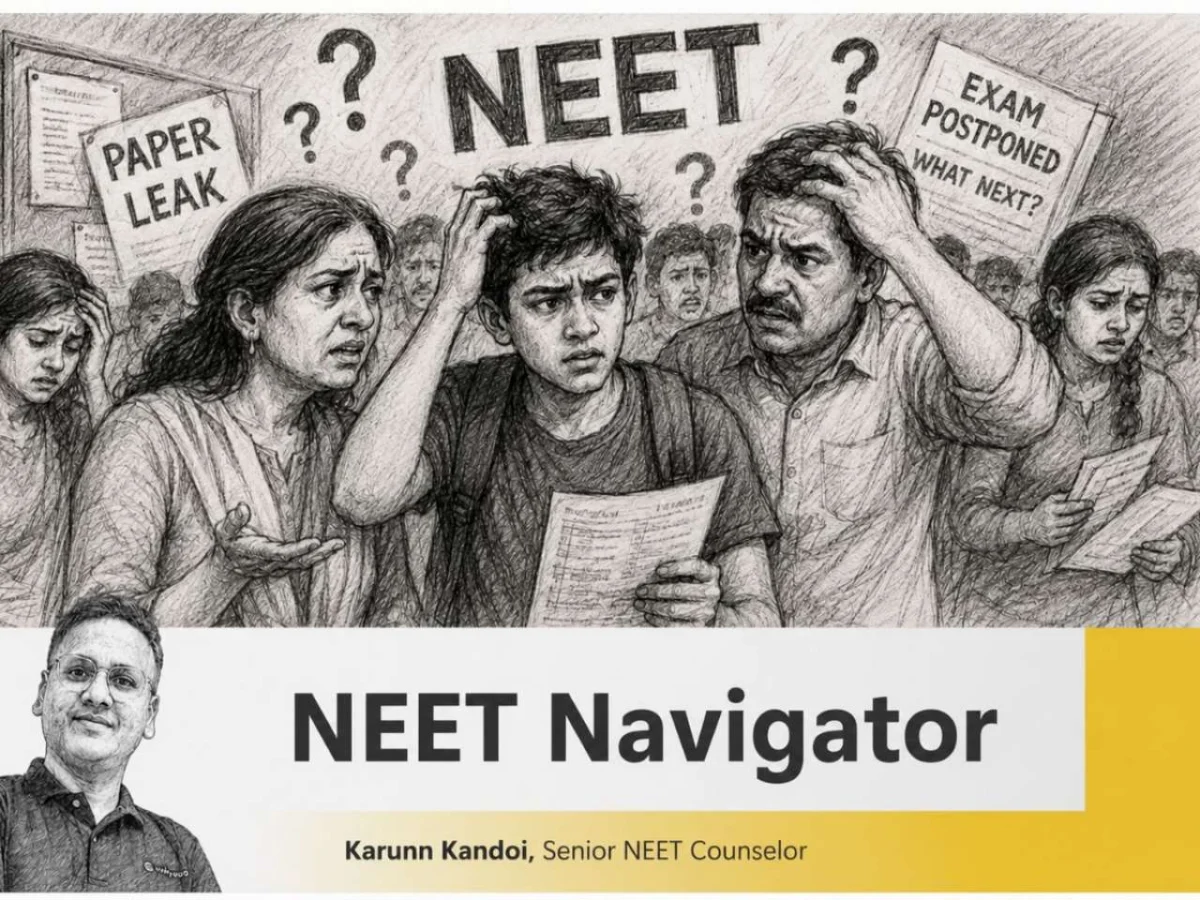
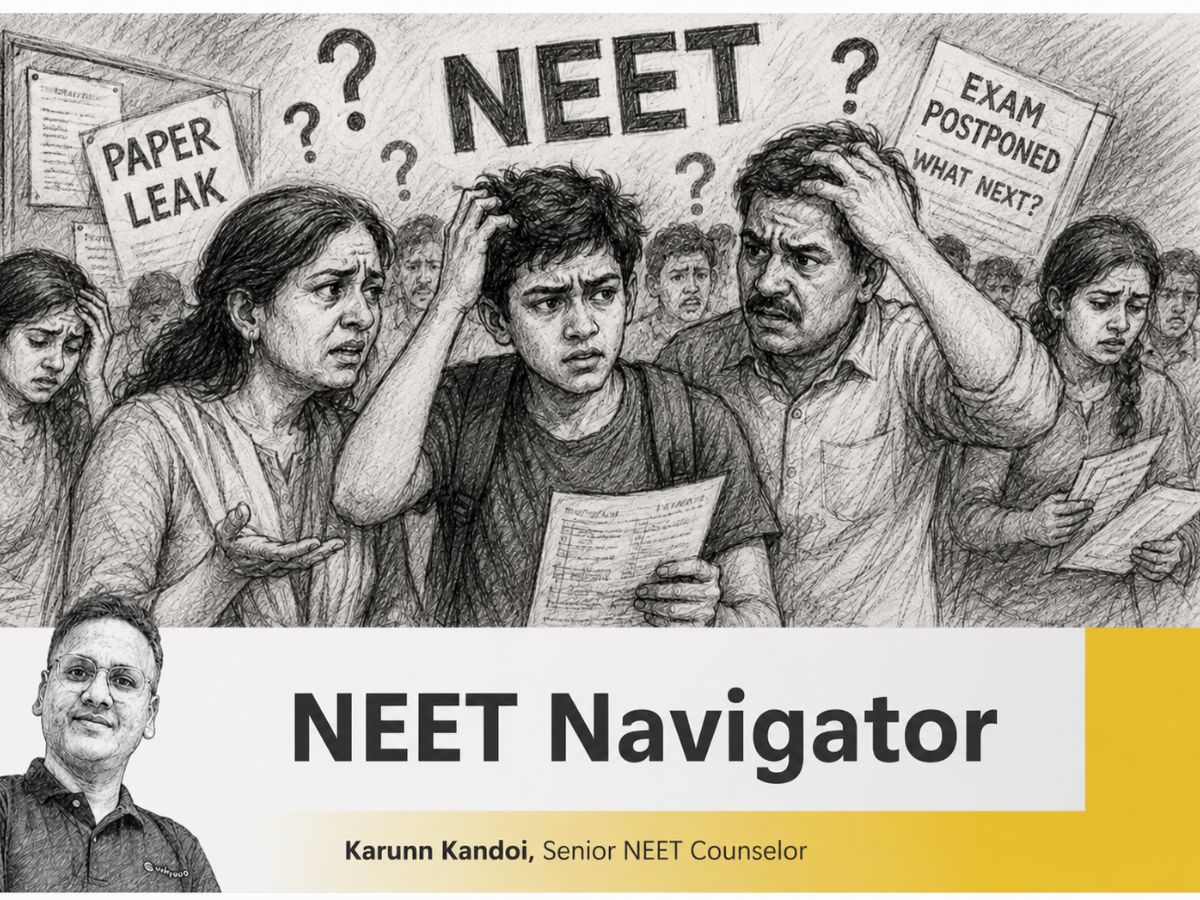
The National Eligibility cum Entrance Test (NEET) is more than just an examination; it is a watershed moment for millions of aspiring medical professionals and their families across India. As the intense pressure of the exam subsides, a new, equally critical phase begins: the strategic navigation of the post-exam landscape. This period, often characterized by a volatile mix of anticipation, anxiety, and burgeoning hope, necessitates a calm, informed, and proactive approach from parents. This article provides a comprehensive guide for parents in New Delhi, offering a roadmap to effectively support their children through the intricate journey of medical admissions, from understanding the nuances of rank-based selection to exploring alternative high-growth career paths.
The Unseen Game: Beyond Raw Scores in Medical Admissions
The immediate aftermath of NEET often sees a flurry of activity around predicted scores and unofficial answer keys. However, it is crucial for parents to understand that raw marks, while important, are not the sole determinant of securing a medical seat. The true arbiter in the fiercely competitive medical admissions arena is the All India Rank (AIR). This rank is a dynamic entity, its value fluctuating annually based on several factors, most notably the difficulty level of the NEET paper.
For instance, an examination perceived as easier, such as the 2024 NEET, can lead to a general surge in scores. Consequently, a student achieving a certain score might find themselves with a lower rank compared to a previous year where the paper was more challenging. Conversely, a tougher paper, as potentially anticipated for 2025, can compress the range of "safe" scores for admission into government medical colleges, making rank even more paramount.
Vijay Soni, Director of the renowned Allen Institute, aptly highlights this crucial distinction: "A NEET score opens possibilities, but the right counseling strategy converts those possibilities into a medical seat. Parents who understand ranks, cut-offs, and choice filling early always stay ahead." This underscores the imperative for parents to move beyond just score predictions and to develop a sophisticated understanding of the entire admission process, with a keen focus on rank-based allocation and effective counseling strategies.
)
A Chronological Roadmap: The 4-Step Strategic Action Plan Post-NEET
The transition from exam hall to admission offer requires a structured approach. Parents play an indispensable role in guiding their children through this complex phase. Here’s a strategic, step-by-step plan designed to ensure a smooth and informed journey:
Step 1: The 48-Hour Decompression Zone – Prioritizing Well-being
Upon their child’s return from the examination hall, the natural instinct for many parents is to immediately inquire about their performance. However, this can inadvertently add to the existing stress. It is vital to provide a crucial 48-hour buffer period for rest and mental decompression. Shield your child from the often-speculative and anxiety-inducing unofficial answer keys circulating online. Allow them the space to disconnect from the intense academic pressure and begin their recovery. This period is about emotional support and reassurance, not immediate performance evaluation.

Step 2: July’s Imperative – Proactive Document Preparation
This year’s medical counseling schedule is exceptionally compressed. Therefore, it is imperative to begin compiling all necessary documentation throughout July, without waiting for the official results to be declared. Meticulous attention to detail is paramount. Parents must thoroughly cross-verify every detail on their child’s Class 10/12 certificates and Aadhaar Card, ensuring absolute accuracy in names, parent names, and dates of birth. Any discrepancies, however minor, can lead to significant delays or even disqualification.
Furthermore, ensure that all category certificates (such as OBC-NCL, EWS) and Domicile certificates are up-to-date and have been issued within the current financial year’s format. Delays in obtaining or updating these crucial documents can have serious repercussions on seat allocation. Proactive preparation during this phase can save considerable stress and potential setbacks later in the process.
)
Step 3: August’s Insight – Decoding Central and State Seat Allocation
Medical seat allocation in India operates through two primary governmental channels, both of which run concurrently in August. Understanding these distinct quotas is fundamental to strategic planning:
-
All India Quota (AIQ – 15% Seats): This quota accounts for 15% of the total seats in state government medical colleges, along with all seats in Central Institutes like AIIMS and JIPMER. The allocation for AIQ is managed centrally through the Medical Counselling Committee (MCC) portal (mcc.nic.in). Admission under this quota is based solely on the NEET rank, irrespective of the candidate’s domicile state.
)
-
State Quota (85% Seats): This quota reserves the remaining 85% of seats in state government medical colleges for candidates who hold a valid domicile certificate of that particular state. The counseling and seat allocation for the State Quota are administered by the respective state’s Directorate of Medical Education (DME) portal. For parents in New Delhi, this would typically involve navigating the Delhi DME portal. Close and parallel attention must be paid to both the AIQ and State Quota counseling processes, as they unfold simultaneously and offer distinct opportunities.
Step 4: Lowering Risks in Choice Filling – A ₹2 Lakh Decision
Choice filling is arguably the most critical and potentially consequential stage of the NEET counseling process. A single misstep or an ill-informed decision here can have significant financial ramifications and impact future opportunities. Prioritizing an expensive private medical college incorrectly can inadvertently lead to the forfeiture of a chance to secure a seat in a more desirable government institution.
)
Parents must be acutely aware of the security deposit forfeiture rules. While central counseling typically requires a security deposit of approximately ₹10,000, Deemed Universities often demand a substantially larger sum, frequently around ₹2 Lakhs. This deposit is typically non-refundable if a candidate accepts a seat in Round 2 and subsequently withdraws or fails to join. Therefore, a thorough evaluation of the financial implications, alongside a clear understanding of personal preferences and the realistic chances of securing a seat in various institutions, is absolutely essential before finalizing the choice-filling list. This decision is not just about securing a seat; it’s about making an economically sound and strategically advantageous choice.
Supporting Data and Expert Opinions
The NEET examination and its subsequent admission process are governed by specific regulations and historical data that inform strategic decisions.
)
- Cut-off Trends: Analyzing past cut-off trends for both AIQ and State Quota across different categories (General, SC, ST, OBC-NCL, EWS) is crucial. While previous years’ data are not definitive predictors, they offer valuable insights into the competitive landscape. For instance, understanding how the cut-off for a particular state has varied over the last five years can help in setting realistic expectations.
- Seat Matrix: The number of seats available in government and private medical colleges, and the distribution of these seats under AIQ and State Quota, changes annually. Official notifications from the MCC and state DMEs provide the definitive seat matrix for each counseling round.
- Expert Guidance: The advice from experienced coaching institutes and educational consultants is invaluable. As emphasized by Priyansh Sogani, a Senior NEET Faculty & Academic Mentor, "One exam does not define a student’s future. The decisions made after NEET—guided by patience, planning, and proper mentorship—often shape success more than the score itself." This highlights the importance of seeking qualified advice during the counseling phase.
Official Responses and Regulatory Framework
The NEET examination and the subsequent counseling process are regulated by the National Medical Commission (NMC) and the Ministry of Health and Family Welfare (MoHFW). The MCC oversees the AIQ counseling, while state DMEs manage their respective State Quota counseling. Official websites of these bodies are the primary source for crucial information regarding application dates, counseling schedules, seat matrices, and eligibility criteria. Parents must rely on these official sources and be wary of misinformation.
Implications for Students and Families
The post-NEET period carries significant implications beyond the immediate goal of securing a medical seat:
)
- Mental Health and Well-being: The immense pressure and uncertainty surrounding NEET can take a toll on students’ mental health. Parents’ support, reassurance, and focus on holistic development are crucial for navigating this phase without compromising their child’s emotional well-being.
- Financial Planning: The cost of medical education, especially in private institutions, can be substantial. Understanding the fee structures, scholarship opportunities, and the implications of security deposits is vital for responsible financial planning.
- Career Diversification: While the dream of becoming a doctor is aspirational, it’s important to acknowledge that not every student will secure a seat through the traditional MBBS route. The medical field itself offers a plethora of high-growth alternative career paths.
Beyond the Clinical Path: Exploring High-Growth Alternative Careers in Healthcare
The medical field is a vast and evolving ecosystem, offering a spectrum of rewarding career opportunities beyond the traditional MBBS degree. For students who may not secure a medical seat, or for those seeking alternatives to the demanding cycle of re-attempts, exploring these avenues can lead to fulfilling and impactful careers. The modern healthcare landscape is dynamic and expanding, presenting numerous opportunities:
- Healthcare Data Research: With the explosion of health-related data, the demand for professionals skilled in its analysis and management is skyrocketing. This field involves working with electronic health records, clinical trial data, and public health statistics to improve patient care and inform policy.
- Biomedical Sciences: This high-impact domain encompasses a wide range of disciplines focused on medical research, diagnostics, and laboratory innovations. It includes fields like microbiology, immunology, genetics, and pharmacology, all of which are critical for advancing medical knowledge and developing new treatments.
- Genomics & Bioinformatics: This interdisciplinary field seamlessly integrates genetics, coding, and data science. Professionals in this area analyze genetic information to understand diseases, develop personalized medicine, and contribute to breakthroughs in areas like gene therapy and drug discovery.
- Public Health and Epidemiology: These fields focus on understanding and preventing disease on a population level. They are crucial for addressing public health challenges, managing outbreaks, and promoting community well-being.
- Health Informatics: This specialized area combines healthcare and information technology, focusing on the management and use of health information to improve patient care, streamline operations, and enhance research capabilities.
As Priyansh Sogani aptly concludes, "One exam does not define a student’s future. The decisions made after NEET—guided by patience, planning, and proper mentorship—often shape success more than the score itself."
)
A Concluding Thought for Parents
It is essential to remember that the number on a scorecard is merely a guide, not a definitive measure of your child’s inherent worth or potential. As they step out of the examination center, offer them your unwavering support and reassure them that the path forward will be navigated together. The words of encouragement, "Step out calmly, without any fear. Your task inside is complete, and we are here to navigate the path forward together," can provide immense comfort. This period demands strategic decisions and profound emotional support. By fostering informed choices and encouraging a broader perspective on career possibilities, parents can empower their children to build a successful and fulfilling future, whether it lies within the traditional medical path or through the many other dynamic avenues available. The journey is as important as the destination, and with informed guidance and unwavering support, your child can navigate the post-NEET landscape with confidence and resilience.
