

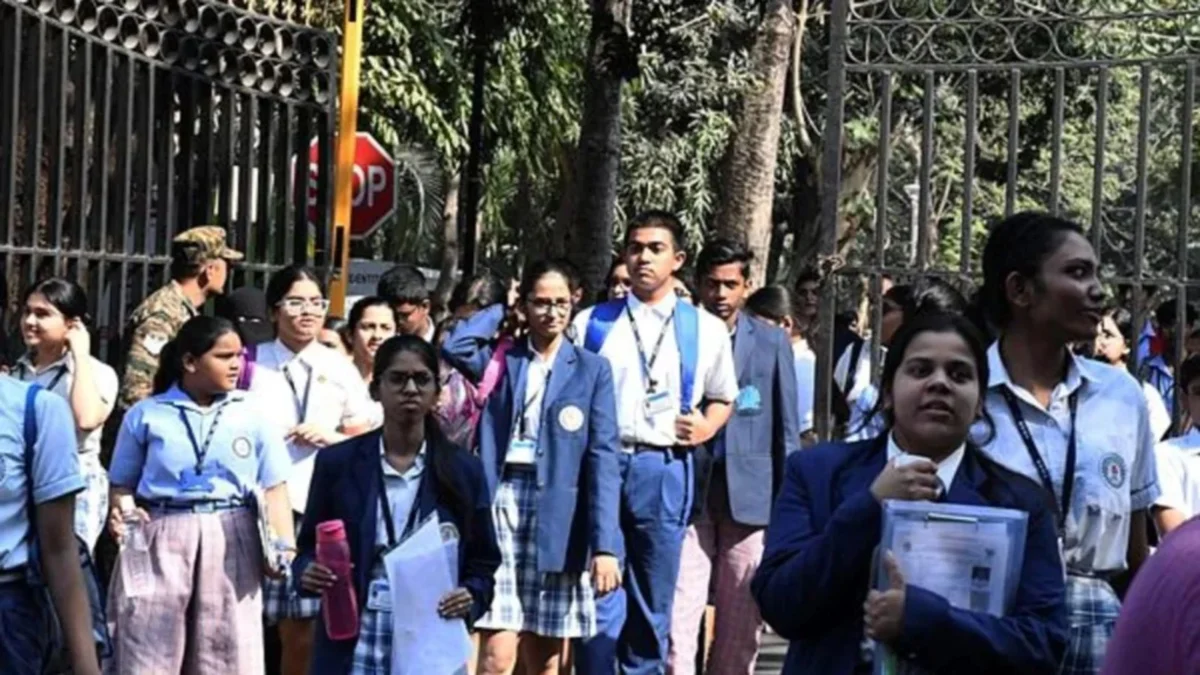
New Delhi, September 21, 2026 – The West Bengal Council of Higher Education (WBCHSE) commenced its Higher Secondary Semester-III examinations today, with an impressive turnout of over 7.18 lakh students. The crucial examination, which began on Monday morning, marks a significant step in the state’s revised academic structure, emphasizing a semester-based evaluation system for Classes 11 and 12. The commencement of these examinations has been meticulously planned and executed, incorporating enhanced security measures and introducing a novel OMR sheet evaluation process, signaling a commitment to academic integrity and efficiency.
A Grand Scale of Participation
The inaugural day of the Semester-III examinations saw a total of 7,18,620 candidates appearing for the first language paper. This substantial number underscores the scale of the state’s higher secondary education system. Breaking down the participation figures, 3,15,731 candidates were male, while a larger contingent of 4,02,889 were female students, highlighting the significant representation of women in higher education. The examination session for the first language paper was scheduled from 11 am to 12:30 pm, ensuring a focused and manageable testing period for the students.
The examinations are slated to continue until October 14, a duration that has seen a minor revision in its schedule. This adjustment was necessitated by the announcement of by-elections in Nandigram and Rejinagar on October 6, and also in consideration of upcoming holidays, demonstrating the authorities’ proactive approach to accommodating unforeseen circumstances while maintaining the academic calendar.
Rigorous Examination Infrastructure and Security Protocols
The WBCHSE has deployed an extensive network of examination centers and venues to facilitate the smooth conduct of these high-stakes examinations. A total of 825 centers have been established across the state, encompassing 2,105 individual venues. Of these, 99 venues have been identified as "sensitive," indicating a heightened level of scrutiny and security deployment in these locations to preempt any potential disruptions or malpractices.
The authorities have reported a clean slate for the first day of examinations, with no untoward incidents being reported. This success can be attributed to the comprehensive security measures put in place, which were outlined by the WBCHSE president, Mosiur Rahaman Sardar. He emphasized a strict invigilation policy, with two invigilators assigned to every examination room, maintaining an optimal student-to-invigilator ratio of one to twenty. This ensures adequate supervision and personalized attention to students during the examination process.
Furthermore, a stringent prohibition on electronic devices has been enforced. Mobile phones, calculators, and other electronic gadgets are strictly forbidden inside the examination venues. The WBCHSE has issued a stern warning that any student found in possession of such devices will face immediate cancellation of both their examination and enrollment, underscoring the zero-tolerance policy towards academic dishonesty.
To bolster security at the entry points, metal-detector frisking was conducted at the main gates of all examination centers. The premises were also under constant surveillance through CCTV, with cameras installed at the gates and in the rooms of venue supervisors. These measures are designed to create a secure and transparent examination environment, deterring any attempts at malpractice or the introduction of unauthorized materials.
Embracing Innovation: The OMR Evaluation System
A significant development in this year’s Semester-III examinations is the introduction of OMR (Optical Mark Recognition) sheets for the first time for evaluation. This technological integration marks a departure from traditional paper-based evaluation methods and is expected to enhance the efficiency and accuracy of the grading process. The WBCHSE has partnered with India Post for the crucial task of collecting and transporting the completed OMR answer sheets from various examination centers to its regional offices. This collaboration ensures a secure and timely transit of these vital documents.
The implementation of OMR sheets is a forward-looking initiative by the WBCHSE, aimed at streamlining the evaluation process, reducing the potential for human error, and expediting the declaration of results. This move aligns with the broader trend of digital transformation in educational institutions across the country.
Addressing Concerns and Ensuring Transparency
The WBCHSE president, Mosiur Rahaman Sardar, also took the opportunity to address students directly, urging them to remain focused and avoid succumbing to rumors or misinformation during the examination period. This proactive communication aims to foster a calm and conducive environment for the students, allowing them to concentrate on their academic performance.
To further prevent malpractice and the leakage of question papers, a robust system has been implemented. Question papers are now issued with unique serial numbers, and the sealed packets containing the papers are opened in the presence of the students just before the commencement of the examination. This measure ensures the integrity of the question papers from the point of distribution to their use in the examination hall.
The Evolving Landscape of Higher Secondary Education in West Bengal
The current Semester-III examination is an integral part of the semester system that the WBCHSE has adopted for Classes 11 and 12. This shift from a traditional annual examination pattern to a semester-based approach is a significant reform designed to provide a more continuous and comprehensive assessment of students’ learning. The semester system aims to:
- Reduce Examination Pressure: By distributing the syllabus and evaluations over multiple semesters, the burden on students is lessened, allowing for a more consistent and less stressful learning experience.
- Promote Regular Study Habits: The semester system encourages students to engage with the curriculum regularly, fostering better study habits and a deeper understanding of the subject matter.
- Timely Feedback and Intervention: Regular assessments provide students and educators with timely feedback on academic progress, enabling prompt identification of learning gaps and facilitating targeted interventions.
- Modernization of Curriculum Delivery: The semester system often aligns with more modern pedagogical approaches, encouraging interactive learning and a focus on conceptual clarity.
The successful implementation of this semester system, including the Semester-III examinations, is a testament to the WBCHSE’s commitment to modernizing its examination and evaluation framework. The council’s proactive approach to security, its embrace of new technologies like OMR, and its clear communication strategies all contribute to a more robust and reliable educational ecosystem in West Bengal.
As the examinations progress, the focus remains on ensuring a fair, transparent, and secure environment for all students, paving the way for their successful academic futures. The insights gained from this large-scale examination, particularly the OMR evaluation, will undoubtedly inform future academic practices within the state. The successful conduct of these examinations is a crucial step in shaping the educational trajectory of thousands of young minds in West Bengal.
