

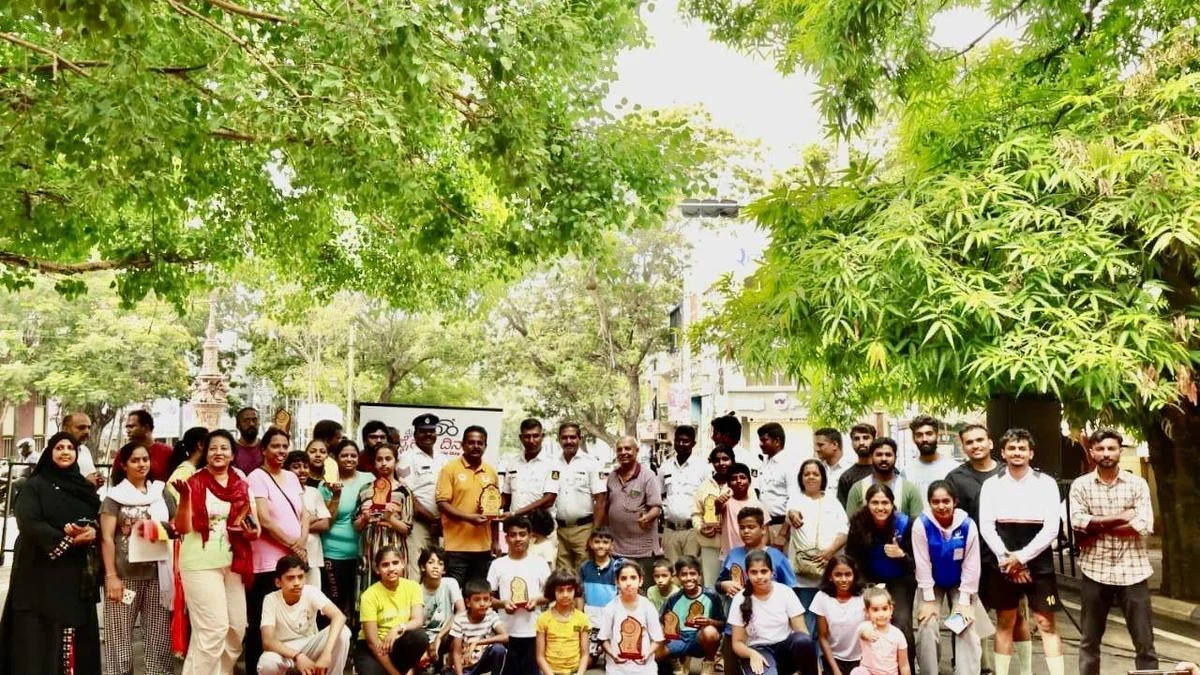
Mysuru, India – May 11, 2026 – In a resounding affirmation of its commitment to environmental stewardship and public well-being, Mysuru City Corporation (MCC) successfully hosted the fourth iteration of its highly anticipated "Mysuru Cycle Day" on Monday. The vibrant event, held in the bustling Saraswathipuram area, witnessed an outpouring of community enthusiasm, underscoring a growing collective desire for sustainable urban mobility, cleaner air, and more people-centric public spaces. This year’s edition, building on the momentum of previous successes, further solidified Mysuru’s position as a forward-thinking city dedicated to fostering a healthier and more environmentally conscious lifestyle for its residents.
A Day Dedicated to Green Wheels and Community Spirit
The core of the Mysuru Cycle Day celebration was a spirited five-kilometer cycle rally that snaked through the city. Hundreds of participants, ranging from seasoned cycling enthusiasts and eager students to local residents, pedaled in unison, their collective movement a powerful visual testament to the growing adoption of cycling as a viable and enjoyable mode of transportation. The event, meticulously organized by the MCC in strategic collaboration with GIZ (Deutsche Gesellschaft für Internationale Zusammenarbeit) and ESAF (Environmental and Scientific Awareness Foundation) under the umbrella of the Sustainable Urban Mobility-Air Quality initiative, aimed to transcend a simple sporting event. It was conceived as a multifaceted platform to champion critical issues such as environmental conservation, the paramount importance of public health, and the tangible benefits of pollution-free urban living.
Beyond the exhilarating cycle rally, the "Open Street" concept was a significant feature, transforming a section of the city’s thoroughfares into a pedestrian and cyclist haven. This innovative approach encouraged a reimagining of urban spaces, demonstrating how roads can be repurposed to foster community interaction and recreation, rather than being exclusively dedicated to the constant flow of vehicular traffic. Traditional games and activities were interspersed throughout the day, further enhancing the festive and inclusive atmosphere, turning the event into a vibrant showcase of Mysuru’s community spirit and its embrace of sustainable living principles.
A Growing Movement: Chronology of Mysuru Cycle Day
The genesis of Mysuru Cycle Day can be traced back to a growing awareness of the environmental challenges faced by rapidly urbanizing cities. Recognizing the detrimental impact of vehicular emissions on air quality and public health, the MCC, in partnership with organizations like GIZ and ESAF, embarked on a mission to promote eco-friendly transportation alternatives.
The inaugural Mysuru Cycle Day, held several years ago, served as a nascent attempt to gauge public interest and lay the groundwork for a larger movement. While participation was modest, the positive feedback and the visible enthusiasm of the early adopters signaled a promising future. Subsequent editions saw a steady increase in participation, with each event building upon the lessons learned from the previous one.
The second and third editions were characterized by expanding outreach and a more comprehensive integration of activities, moving beyond just cycling to include broader discussions on urban planning and sustainability. This year’s fourth edition marks a significant milestone, with a more robust organizational framework, enhanced community engagement, and a clear articulation of the long-term vision for sustainable mobility in Mysuru. The event has now firmly established itself as a recurring fixture on the city’s calendar, a testament to its growing impact and the MCC’s persistent dedication.
Supporting Data and the Urgency for Sustainable Solutions
The rationale behind events like Mysuru Cycle Day is underscored by a growing body of data highlighting the adverse effects of urban pollution. According to recent reports from environmental agencies, vehicular emissions are a primary contributor to air pollution in many Indian cities, leading to a surge in respiratory illnesses, cardiovascular diseases, and other health complications. The World Health Organization (WHO) consistently ranks air pollution as one of the most significant environmental threats to public health globally, with developing nations often bearing the brunt of its impact.
Mysuru, like many other burgeoning urban centers, faces the challenge of balancing economic growth with environmental sustainability. The increasing vehicular density on its roads not only contributes to air and noise pollution but also exacerbates traffic congestion, impacting the quality of life for its citizens. By promoting cycling, the MCC is actively encouraging a shift towards a mode of transport that offers a multitude of benefits:
- Environmental Impact: Cycling produces zero direct emissions, contributing to cleaner air and a reduced carbon footprint.
- Public Health Benefits: Regular cycling is an excellent form of aerobic exercise, leading to improved cardiovascular health, weight management, and reduced risk of chronic diseases.
- Economic Advantages: Cycling is an affordable mode of transport, reducing individual expenditure on fuel and vehicle maintenance.
- Reduced Congestion: Increased cycling can alleviate traffic congestion, leading to smoother commutes and less time wasted in traffic jams.
- Community Building: Events like Mysuru Cycle Day foster a sense of community and encourage social interaction.
The success of this year’s Mysuru Cycle Day, with its substantial turnout, indicates a growing public receptiveness to these benefits and a willingness to embrace more sustainable lifestyle choices. The visual of hundreds of individuals actively choosing to cycle underscores a cultural shift that, if sustained and amplified, can lead to significant positive transformations in the city’s environmental and health landscape.
Official Responses and Future Aspirations
The Mysuru City Corporation has consistently championed the cause of sustainable urban development, and Mysuru Cycle Day is a flagship initiative in this endeavor. Officials from the MCC expressed immense satisfaction with the overwhelming response to the event.
"The enthusiastic participation in this year’s Mysuru Cycle Day is truly heartening," stated a senior official from the MCC. "It validates our belief that our citizens are increasingly aware of the need for cleaner air and healthier lifestyles. Our collaboration with GIZ and ESAF has been instrumental in amplifying our message and bringing innovative concepts like ‘Open Streets’ to our city."
The official further elaborated on the long-term vision, stating, "We see Mysuru Cycle Day not just as an annual event, but as a catalyst for sustained behavioral change. Our aim is to integrate cycling and other sustainable modes of transport into the daily fabric of Mysuru. This includes developing better cycling infrastructure, promoting cycling education in schools, and creating more car-free zones within the city."
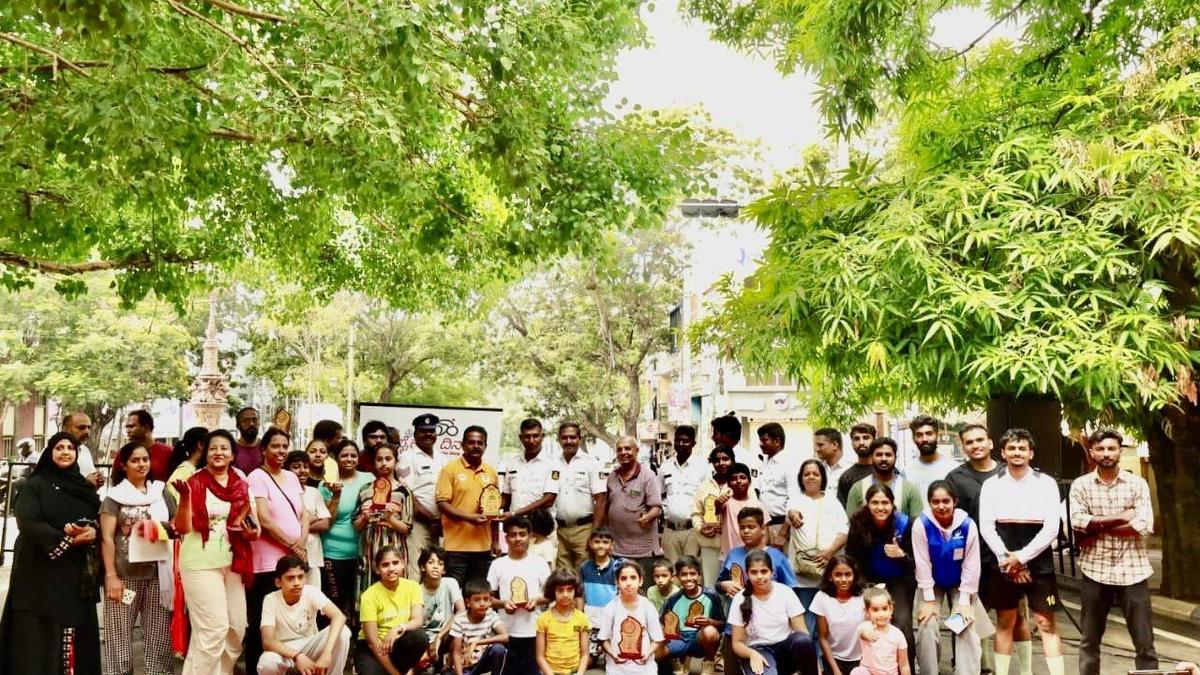
The support from the Mysuru city police and traffic police was crucial to the seamless execution of the event, ensuring the safety of participants and the smooth flow of traffic in designated areas. The involvement of NCC cadets and various government departments further highlighted the collaborative spirit driving this initiative.
GIZ, a key partner, emphasized the global relevance of such local initiatives. "Mysuru is demonstrating how cities can proactively address the challenges of urbanization and climate change," said a representative from GIZ. "By promoting sustainable mobility, Mysuru is not only improving the quality of life for its residents but also contributing to broader global efforts to combat climate change and build resilient urban environments."
ESAF echoed these sentiments, highlighting the crucial link between environmental health and public well-being. "Events like Mysuru Cycle Day are vital in raising public awareness about the interconnectedness of our environment and our health," stated an ESAF spokesperson. "We are proud to be associated with this initiative, which empowers citizens to take active steps towards a healthier and more sustainable future."
Broader Implications for Urban India
The success of Mysuru Cycle Day carries significant implications beyond the city limits, offering a potential blueprint for other urban centers in India grappling with similar challenges. The event demonstrates that:
- Community Engagement is Key: Successful urban sustainability initiatives require strong community buy-in and active participation. Mysuru Cycle Day’s broad appeal across different demographics is a testament to this.
- Public-Private Partnerships are Effective: Collaborations between municipal bodies, international organizations, and local NGOs can significantly enhance the reach and impact of such programs.
- Innovative Urban Planning is Essential: Concepts like "Open Streets" offer creative solutions for reclaiming public spaces and fostering a more people-friendly urban environment.
- Behavioral Change is Achievable: Through consistent awareness campaigns and accessible alternatives, a cultural shift towards sustainable practices is not only possible but also desirable.
As India continues its trajectory of rapid urbanization, the lessons learned from Mysuru Cycle Day offer a beacon of hope. By prioritizing sustainable mobility, investing in green infrastructure, and fostering a culture of environmental responsibility, cities like Mysuru are paving the way for a healthier, cleaner, and more vibrant future for all their citizens. The image of hundreds cycling through Mysuru on a Monday morning is more than just a snapshot of an event; it’s a powerful symbol of a city actively pedaling towards a brighter, more sustainable tomorrow.
