

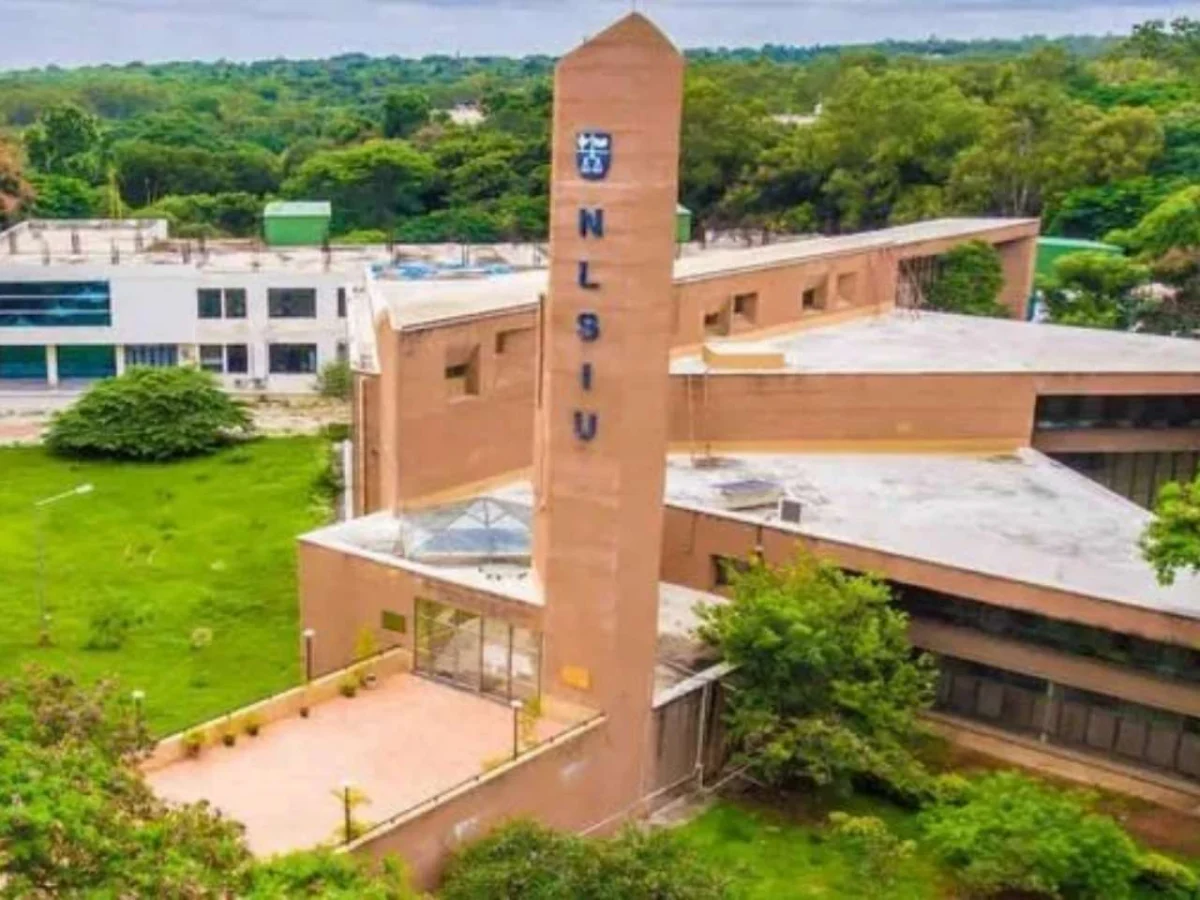
Bengaluru: The National Law School of India University (NLSIU), Bengaluru, has made the unprecedented decision to cancel its 34th Annual Convocation ceremony for the graduating batch of 2026. This abrupt cancellation, announced on August 27, comes in the wake of a significant controversy that erupted over the proposed presence of Chief Justice of India (CJI) Surya Kant and Bar Council of India (BCI) Chairman Manan Kumar Mishra as distinguished guests at the event. The university cited "unavoidable circumstances" as the reason for the cancellation, a statement that has been met with considerable scrutiny and speculation.
The convocation, initially scheduled for September 12, was intended to be a landmark event celebrating the academic achievements of the graduating students. However, reports suggest that a section of the student body expressed strong objections to the participation of CJI Surya Kant and Mr. Mishra. While the precise nature and extent of these objections remain somewhat veiled, their influence proved potent enough to trigger the cancellation of a cornerstone academic tradition.
In lieu of a physical ceremony, NLSIU has stated that the degrees of all graduating students will be conferred in absentia, pending approval from the university’s governing bodies. Students will be afforded the option to receive their degree certificates either by courier or through collection from the campus. The university has pledged to provide further details and a dedicated form to facilitate this process for the affected batch.
The Genesis of the Controversy: A Ripple Effect from NALSAR
The current controversy at NLSIU is not an isolated incident but appears to be intricately linked to a similar, albeit resolved, dispute at the NALSAR University of Law in Hyderabad. Earlier this year, NALSAR faced a similar student objection regarding the proposed participation of CJI Surya Kant as the chief guest at their convocation. This situation escalated when the Bar Council of India, under the leadership of Chairman Manan Kumar Mishra, issued an order that threatened to freeze the enrolment of NALSAR’s entire 2026 graduating batch with state bar councils. The BCI’s stated rationale was to conduct an inquiry into the matter.
)
However, following a period of intense deliberation and, reportedly, a reassessment of the student sentiment, the BCI eventually rescinded its restrictive order. The Council concluded that the majority of NALSAR students had not intended to engage in any act of disrespect. This amended order paved the way for all NALSAR graduates to proceed with their enrolment in state bar councils of their choice, effectively de-escalating the crisis at that institution.
The NLSIU situation appears to have drawn parallels from this NALSAR episode, suggesting a potential pattern of student dissent and regulatory response within the legal education ecosystem. The involvement of both the Chief Justice of India and the head of the Bar Council of India in these convocation ceremonies, and the subsequent student objections, highlights a complex interplay between institutional authority, student activism, and the perception of justice and fairness within the legal fraternity.

A Chronology of Events Leading to the Cancellation:
-
Initial Announcement: NLSIU Bengaluru had previously informed its graduating batch of 2026 about the upcoming 34th Annual Convocation, scheduled to take place on September 12. This announcement would have typically been met with anticipation and preparation by the students.
-
Emergence of Objections: Reports indicate that a section of the graduating students began to raise objections concerning the proposed presence of Chief Justice of India Surya Kant and BCI Chairman Manan Kumar Mishra as guests of honour at the convocation. The precise nature of these objections has not been explicitly detailed by the university.
)
-
Broader Context of NALSAR Controversy: The student objections at NLSIU occurred against the backdrop of a similar controversy at NALSAR University of Law, Hyderabad, where students had also opposed CJI Surya Kant’s participation as chief guest. This prior event likely influenced the discourse and potential mobilization of student sentiment at NLSIU.
-
BCI Intervention at NALSAR: Following the NALSAR objections, the Bar Council of India initially issued an order to freeze the enrolment of NALSAR’s entire 2026 graduating batch, pending an inquiry. This action underscored the BCI’s perceived role in safeguarding the integrity of the legal profession and its response to perceived challenges.
)
-
Resolution at NALSAR: The BCI subsequently withdrew its restrictive order on NALSAR graduates after concluding that the majority of students did not intend disrespect. This resolution allowed NALSAR students to proceed with their professional aspirations.
-
NLSIU’s Decision: On August 27, NLSIU Bengaluru issued a notice announcing the cancellation of its 34th Annual Convocation for the 2026 batch, citing "unavoidable circumstances." This decision came shortly after the student objections gained traction.
)
-
In Absentia Degree Conferral: In response to the cancellation, NLSIU confirmed that degrees would be conferred in absentia, with options for students to receive their certificates via courier or campus collection.
Supporting Data and Context: The Significance of Convocation Ceremonies
Convocation ceremonies are more than just formal gatherings; they represent the culmination of years of rigorous academic endeavor and a significant milestone in the lives of graduating students. For law students, in particular, these ceremonies often mark their formal entry into the legal profession. The presence of esteemed figures from the judiciary and legal fraternity as chief guests or distinguished attendees is typically seen as an honor and an endorsement of the institution’s standing and the graduates’ potential.
)
The fact that NLSIU, a premier institution of legal education in India, has opted for cancellation rather than seeking an alternative resolution underscores the gravity of the situation. The decision to cancel a convocation, especially one involving such high-profile dignitaries, is a rare occurrence and suggests that the university perceived no viable path forward to conduct the ceremony as planned without compromising its integrity or the experience of its students.
The financial and logistical implications of such a cancellation, while not the primary focus, are also noteworthy. The university would have already invested resources in planning and organizing the event. However, the intangible cost of disrupting a cherished tradition and potentially impacting student morale might be considered far more significant.
)
Official Responses and Perspectives: Silence and Speculation
As of the latest reports, direct official statements from Chief Justice of India Surya Kant or Bar Council of India Chairman Manan Kumar Mishra regarding the NLSIU cancellation have not been widely publicized. The initial statement from NLSIU cited "unavoidable circumstances," a broad phrase that leaves room for interpretation.
However, the reaction from civil society and advocacy groups has been more vocal. Saurav Das, co-convenor of the "Cockroach Janta Party," a self-styled collective often critical of institutional practices, expressed his views on the matter. Das stated, "I hope the NLSIU graduating batch organises their own graduation ceremony and invites the most honourable guest to felicitate them. Do it the Gen-Z way!" This statement, while informal, hints at a sentiment that the students might seek alternative avenues to celebrate their achievements, potentially bypassing established protocols.
)
The silence from the key dignitaries involved, coupled with the university’s brief statement, has fueled speculation about the exact nature of the student objections and the underlying reasons for the cancellation. It is possible that the objections were related to specific policy stances, judicial pronouncements, or perceived institutional biases that the students felt were represented by the presence of these figures. Without further clarity from NLSIU or the involved parties, the precise motivations behind the student dissent and the university’s decision remain subjects of conjecture.
Implications and Future Considerations: Navigating Student Dissent and Institutional Prerogatives
The cancellation of the NLSIU convocation carries several significant implications for legal education in India and the broader relationship between students, institutions, and regulatory bodies.
)
-
Student Agency and Dissent: The incident highlights the growing assertiveness of student bodies in articulating their concerns and influencing institutional decisions. It raises questions about the channels available for students to express dissent constructively and how institutions should respond to such feedback. While student voice is crucial, the method and impact of its expression remain a subject of debate.
-
The Role of Regulatory Bodies: The Bar Council of India’s prior intervention in the NALSAR matter and its potential influence on the NLSIU situation underscore the BCI’s significant role in shaping the landscape of legal education and the professional lives of law graduates. The BCI’s actions, whether perceived as protective or restrictive, have tangible consequences for students.
)
-
Institutional Autonomy vs. External Pressures: NLSIU, as a leading academic institution, likely faces a delicate balancing act between maintaining its institutional autonomy and responding to pressures, whether from students, regulatory bodies, or public opinion. The decision to cancel the convocation suggests that the perceived pressures outweighed the benefits of proceeding with the ceremony.
-
Precedent for Future Events: This incident could set a precedent for how similar situations are handled in the future. Institutions may become more cautious in their selection of chief guests or may develop more robust protocols for addressing student concerns prior to finalizing convocation arrangements.
)
-
The Perception of Justice and Fairness: The underlying reasons for student objections, even if not fully disclosed, touch upon fundamental perceptions of justice and fairness within the legal system. Such controversies can prompt broader discussions about the values and principles that legal education should uphold and represent.
The cancellation of the NLSIU convocation is a complex event with ramifications that extend beyond the immediate graduating class. It serves as a potent reminder of the dynamic and often contentious nature of academic traditions, the evolving role of student activism, and the intricate web of relationships that govern higher education in India’s legal sphere. As the dust settles, the legal education community will undoubtedly be examining the lessons learned from this unprecedented decision.
