

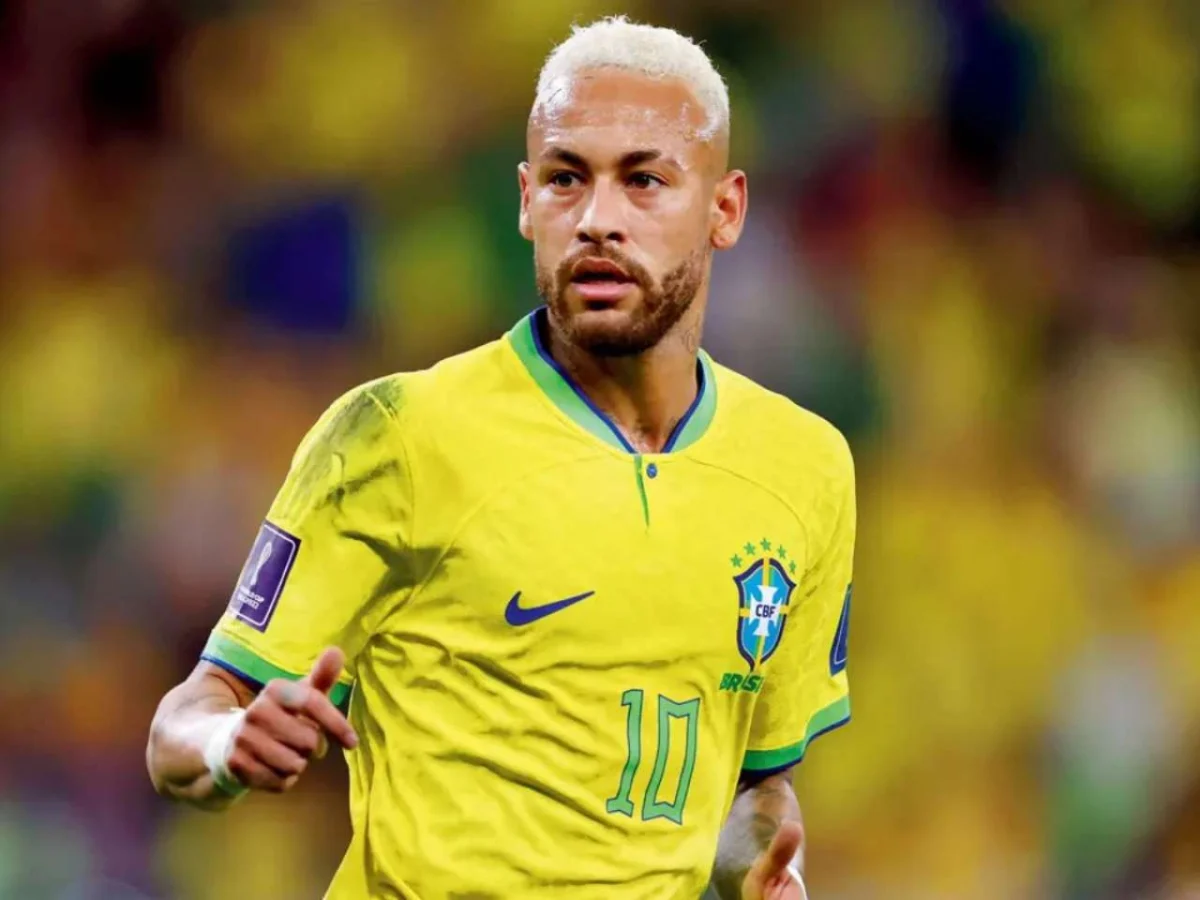
MIAMI, USA – June 24, 2026 – The footballing world holds its breath as Brazil, five-time FIFA World Cup champions, prepare for a pivotal Group C encounter against a resilient Scotland side. The atmosphere in the Brazilian camp has been electrified by the news that superstar forward Neymar Jr. has returned to full fitness and is available for selection. This development offers a significant psychological and tactical boost to the Seleção as they push to secure their place in the Round of 32.
However, despite the palpable excitement surrounding his comeback, head coach Carlo Ancelotti has adopted a cautious approach, indicating that the 34-year-old playmaker will likely start on the bench and might not feature at all in the crucial Wednesday clash. This strategic decision underscores Brazil’s depth and Ancelotti’s commitment to a long-term vision for the tournament, prioritizing player welfare and optimal team performance.
Official Confirmation and the Coach’s Stance
The eagerly anticipated news was confirmed by coach Carlo Ancelotti himself during a press conference at Miami Stadium. "Neymar’s available," Ancelotti told reporters, a statement that immediately sent ripples of relief and anticipation through the global football community. "He’s been working all week and is available for the match. It’s great to have him back. His quality obviously helps the team."
Ancelotti’s words, while confirming Neymar’s readiness, were tempered with a pragmatic assessment of his immediate role. The veteran coach made it clear that while Neymar is physically capable, his integration into the starting XI would be gradual. "Brazil’s main man will probably start on the bench – and he might not even play at all," Ancelotti stated, highlighting the delicate balance between utilizing a generational talent and ensuring he is fully prepared for the rigors of a World Cup campaign.
)
This measured approach speaks volumes about Ancelotti’s experience and his understanding of the pressures and physical demands of tournament football. Rushing a player of Neymar’s calibre, especially one recovering from a calf injury, could have detrimental consequences for both the player and the team’s ambitions. The coach’s priority remains the long-term success of the squad, rather than immediate gratification.
The Chronology of Recovery: Neymar’s Arduous Journey Back
Neymar’s path back to the pitch has been a challenging one, marked by uncertainty and intense rehabilitation. His calf injury, sustained just before the FIFA World Cup 2026 kicked off, cast a shadow over Brazil’s preparations. The injury not only sidelined him for the opening two group matches but also extended what has been a significant period away from international duty.

Indeed, the upcoming match against Scotland could mark Neymar’s first appearance for Brazil in an astonishing three years. This extended absence, whether due to previous injuries, club commitments, or a strategic rest period, adds a layer of significance to his potential return. For a player who has been the undisputed talisman of the Seleção for over a decade, such a hiatus from the national team is rare and speaks to the challenges he has faced in recent years.
His recovery process involved a meticulous regimen, moving from initial rehab exercises to full training sessions with the squad this past week. Ancelotti praised Neymar’s dedication during this period. "I’ve really gotten to know him this week. He’s been serious about his recovery, and he wants to help the team as soon as possible." This commitment, even from a player of his stature, underscores the profound desire to contribute to his nation’s quest for a record sixth world title. The physical healing process is only one part of the equation; the mental fortitude required to push through rehabilitation and maintain focus while the team competes is equally demanding.
)
Brazil’s Group C Campaign: A Mixed Bag So Far
Brazil’s journey in Group C has been a testament to both their potential and the inherent challenges of World Cup football. Their opening match saw them surprisingly held to a 1-1 draw against a spirited Morocco side, a result that immediately put pressure on the South American giants. While not a disaster, it served as a stark reminder that no opponent can be underestimated on the global stage.
They quickly regrouped, however, delivering a more convincing performance in their second fixture, securing a comfortable 3-0 victory over Haiti. This win not only boosted team morale but also placed Brazil firmly in control of Group C, positioning them well to advance. With four points from two games, a win against Scotland would guarantee their spot in the Round of 32, allowing them to potentially manage player fitness and tactics in their final group game if needed.
)
Ancelotti acknowledged the team’s progression. "The first match wasn’t great. The second one was better. Now we’re confident the third will be our best yet." This statement reflects a coach who is constantly striving for improvement and understands the importance of building momentum as the tournament progresses. The gradual improvement in performance, coupled with Neymar’s return, creates a narrative of a team finding its rhythm at a crucial juncture.
Supporting Data and Tactical Implications
Neymar, at 34, brings not just unparalleled skill but also immense experience to the squad. His vision, dribbling ability, and clinical finishing are assets that few players in world football can match. However, his age also necessitates careful management, especially after a calf injury. His potential role off the bench offers Ancelotti a potent weapon to unlock stubborn defenses or to provide a late surge of energy and creativity.
)
The absence of Raphinha, who is also sidelined with a hamstring injury, further complicates Ancelotti’s tactical choices for the Scotland match. Raphinha’s pace and directness on the wing have been key elements of Brazil’s attack. His replacement will need to step up, potentially opening opportunities for other forwards like Rodrygo, Vinicius Jr., or Gabriel Martinelli to cement their places. The depth of Brazil’s attacking talent is undeniable, but integrating these players seamlessly is Ancelotti’s immediate challenge.
The coach’s willingness to hold Neymar back, even with Raphinha out, signals a strong belief in the collective strength of his squad. It also suggests a desire to ensure Neymar is 100% for the knockout stages, where his individual brilliance could be the deciding factor in tight encounters. The psychological impact of having Neymar on the bench, even if he doesn’t play, cannot be overstated. Opposing defenses will have to remain wary, knowing that the former Barcelona and PSG star could be unleashed at any moment.
)
The Scotland Challenge: A Formidable Foe
Ancelotti was quick to dispel any notions of complacency regarding Scotland. He lauded their organizational prowess and fighting spirit, characteristics that have defined Scottish football for generations. "Scotland’s a strong team," he stated. "They fight, they’re organized, and guys like McTominay and McGinn are used to these big games."
Scotland’s midfield, anchored by the likes of Manchester United’s Scott McTominay and Aston Villa’s John McGinn, is known for its tenacity, work rate, and ability to disrupt opposition play. These players bring significant Premier League experience and a never-say-die attitude that can make them incredibly difficult to break down. Their disciplined defensive shape and willingness to engage in physical battles will present a stern test for Brazil’s creative attackers.
)
"It’ll be tough, as always. The days of easy matches at the World Cup are long gone. We’re ready for a battle," Ancelotti concluded. This statement perfectly encapsulates the modern World Cup landscape, where tactical sophistication and physical conditioning have narrowed the gap between traditional powerhouses and perceived underdogs. Scotland will undoubtedly be motivated to cause an upset and keep their own qualification hopes alive, making this a true test of Brazil’s championship credentials.
Implications for Brazil’s World Cup Dream
Neymar’s return, even in a limited capacity, carries profound implications for Brazil’s quest for a sixth World Cup title.
)
1. Psychological Boost: His presence, whether on the field or on the bench, injects confidence into the Brazilian squad. Knowing that their most creative and impactful player is ready to contribute can lift spirits and sharpen focus. For opponents, it adds an extra layer of concern and planning.
2. Tactical Flexibility: Ancelotti gains a formidable option off the bench. Neymar’s ability to change the tempo of a game, break lines with his dribbling, or deliver a killer pass is unparalleled. This flexibility allows Brazil to adapt to various match situations, whether chasing a goal or protecting a lead.
)
3. Legacy and Last Dance: For Neymar himself, this World Cup holds immense personal significance. At 34, this could realistically be his final opportunity to lead Brazil to World Cup glory. His past World Cup campaigns have been marred by injury (2014) and heartbreak (2018, 2022). A strong performance in 2026, especially after such a prolonged absence from the national team, would solidify his legacy as one of Brazil’s all-time greats. His motivation to perform will be sky-high.
4. Managing Expectations: Ancelotti’s cautious approach helps manage external expectations. While fans and media will clamor for Neymar’s immediate return to the starting XI, the coach is sending a clear message: the team comes first, and individual brilliance will be utilized judiciously. This prevents undue pressure on Neymar to perform miracles immediately and allows him to ease back into competitive action.
)
5. Message to Rivals: The news of Neymar’s fitness sends a clear message to other tournament contenders: Brazil’s full arsenal is slowly coming online. Even if he’s not fully unleashed against Scotland, the threat he poses in the later stages of the tournament will be a major talking point among opposing coaches.
Beyond the Pitch: Neymar’s Influence
Ancelotti also highlighted Neymar’s importance beyond his on-field contributions. "I’m happy with him – even if he doesn’t play, his experience and knowledge lift the squad. He helps the younger guys. He’s in a good place," the coach remarked.
)
This speaks to the invaluable role of veteran players in a World Cup squad. Neymar, having experienced the highs and lows of multiple World Cups, can mentor younger talents like Rodrygo, Vinicius Jr., and Endrick. His presence in the dressing room, his advice, and his leadership can be instrumental in fostering a winning mentality and helping less experienced players navigate the immense pressure of the global stage. This intangible benefit is often as crucial as any goal or assist.
Conclusion: A Calculated Risk and a Renewed Hope
Brazil’s encounter with Scotland is more than just a Group C fixture; it’s a litmus test for their World Cup aspirations and a crucial step in Neymar’s personal journey back to the pinnacle of international football. Ancelotti’s decision to bring Neymar back with such a measured approach reflects a coach who understands the long game of a World Cup. It’s a calculated risk, balancing the immediate need for points with the strategic imperative of having a fully fit and firing Neymar for the knockout rounds.
)
The Seleção, buoyed by their talisman’s return, albeit cautiously, will aim to deliver their "best yet" performance against a tenacious Scottish side. The eyes of the footballing world will be fixed on Miami Stadium, not just to witness Brazil’s pursuit of qualification, but to catch a glimpse of Neymar’s potential return, a moment that could define Brazil’s FIFA World Cup 2026 campaign. The journey to a sixth star is arduous, but with their biggest star back in contention, hope in the Brazilian camp burns brighter than ever.
