

Introduction: A Seasonal Obsession
In the coastal state of Goa, the arrival of April does not merely signal the peak of the tropical summer; it marks the commencement of a ritualistic consumption of "liquid gold." As the sweltering heat settles over the Konkan coast, a unique fragrance—heavy, sweet, and slightly fermented—wafts from the village orchards. This is the scent of the cashew apple, and for the local population, it heralds the return of Urrak.
Urrak is the first distillate of fermented cashew apple juice. Unlike its more famous and potent successor, Feni, which undergoes a second distillation, Urrak is an ephemeral, seasonal treasure. It is cloudy, fruity, and contains a relatively low alcohol content (typically between 12% and 15%), making it the quintessential "cooler" for the parched months of April and May. For these few fleeting weeks, the Goan social fabric is woven together by the barter of freshly filled, reused glass bottles and the proud proclamation that a particular batch—usually sourced from the remote hinterlands of Quepem or Canacona—is "the best."
The Chronology of a Distillate: From Tree to Glass
The production of Urrak is a masterclass in traditional, artisanal chemistry, following a timeline that has remained largely unchanged for centuries.

The Harvest (February – March)
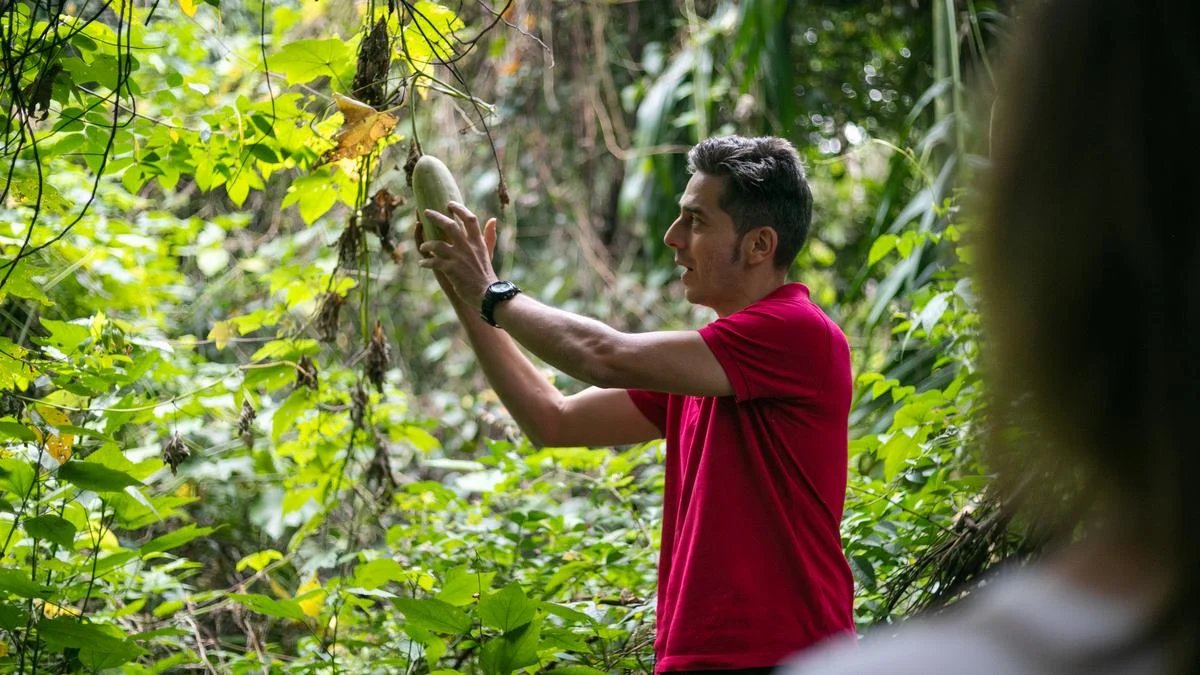
The process begins with the ripening of the cashew fruit. While the world prizes the cashew nut, in Goa, the "apple" (the accessory fruit) is the star. Workers gather the fallen fruit, ensuring they are at the peak of ripeness. The nuts are separated for roasting, while the apples are collected in large baskets.
The Crushing and Fermentation (March – April)
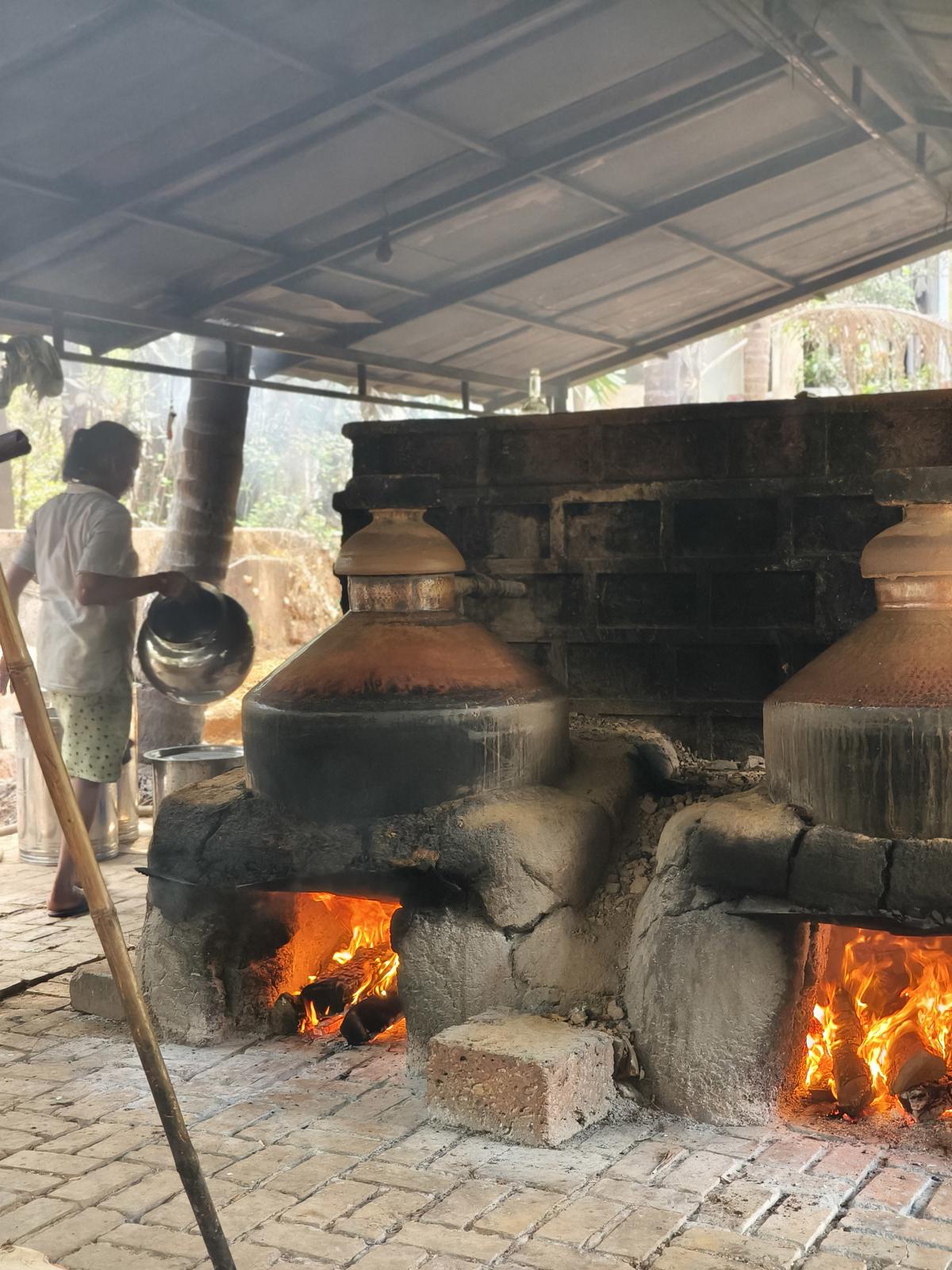
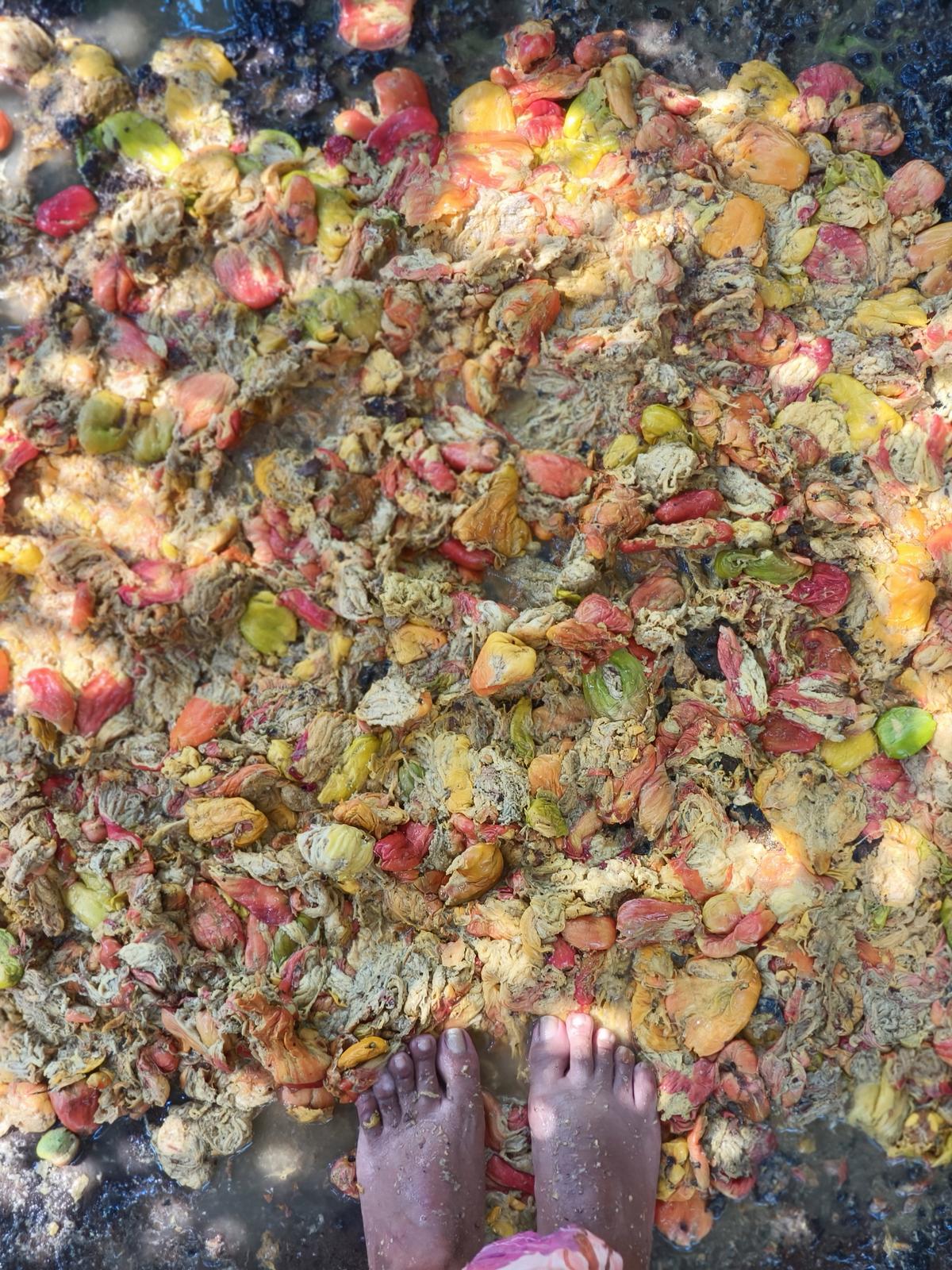
Traditionally, the juice is extracted by crushing the fruit underfoot in a stone basin known as a kolmbi. This method, though increasingly supplemented by mechanical presses, is still preferred by purists who believe it prevents the bitter tannins of the seeds from tainting the juice. The extracted juice, called niro, is then poured into large earthen or plastic vats and buried underground or kept in cool sheds to ferment. Over two to three days, the natural yeasts convert the sugars into alcohol.
The First Distillation: The Birth of Urrak
The fermented juice is transferred to a bhaan—a traditional copper pot still. A fire is lit beneath it, often using dried cashew wood. As the vapors rise, they pass through a cooling conduit (traditionally a bamboo pipe wrapped in wet cloth, now often a plastic or metal pipe submerged in water) and condense into a clear-to-cloudy liquid. This first run is Urrak.
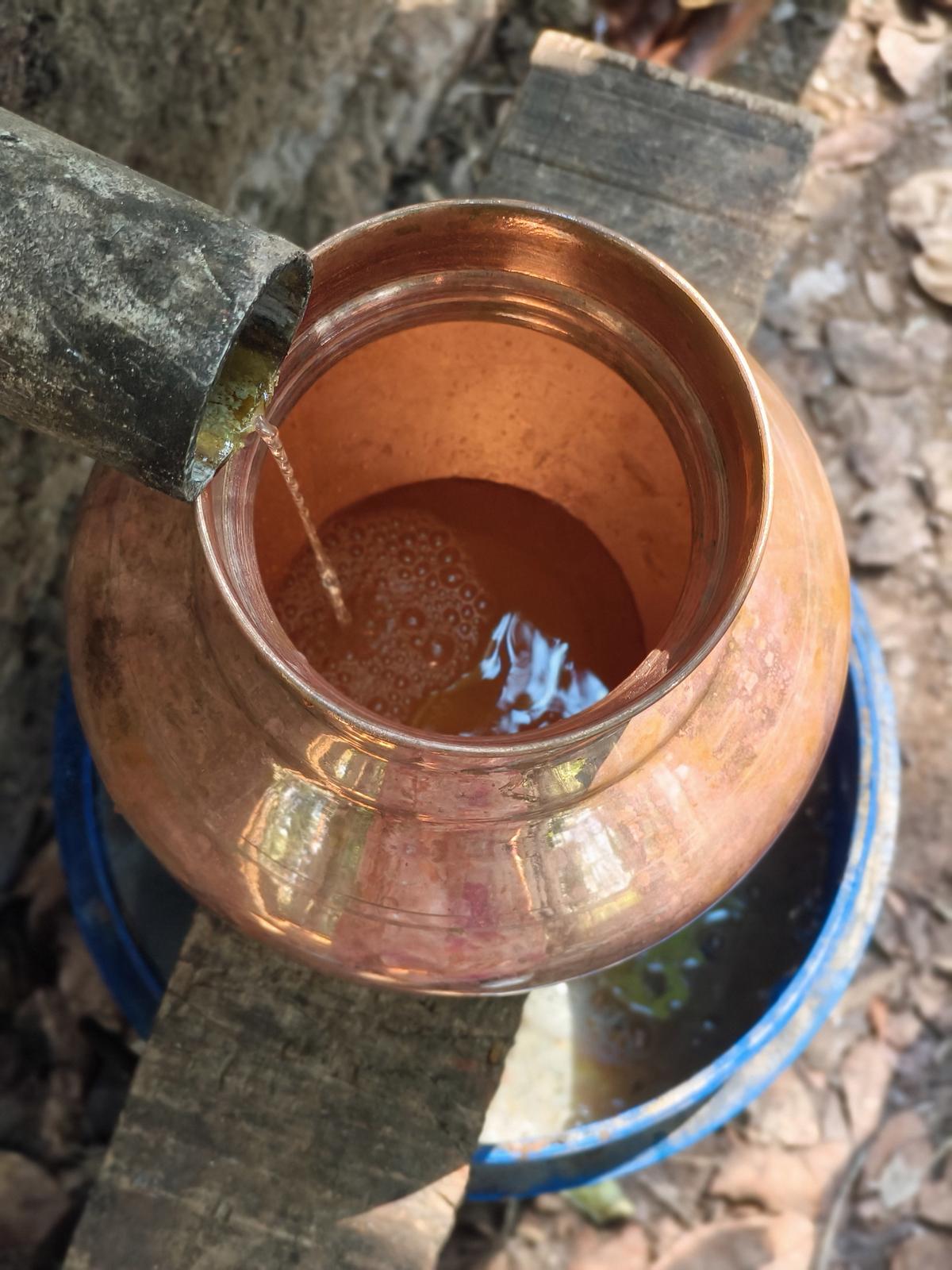
If this liquid were to be mixed with more fermented juice and distilled a second time, it would become Feni. However, for the Goan local, the first distillate is the ultimate summer prize.
Supporting Data: The Economics of the "Urrak Season"
The impact of Urrak on the local liquor economy is profound and disruptive. Solomon Diniz, a prominent stakeholder in South Goa’s beverage industry and the visionary behind Adinco Distilleries’ premium Tinto brand, highlights a fascinating market trend.
"During these two months of the year, sales of all our other premium liquors—including aged Fenis and whiskies—drop drastically," Diniz explains. "Everyone is only drinking freshly brewed Urrak."
This seasonal monopoly creates a unique micro-economy. Small-scale village distillers become the most sought-after individuals in the state. Because Urrak has a short shelf life and does not age well (it is best consumed within weeks of distillation), it bypasses the traditional long-term retail cycle, moving directly from the farm to the consumer’s table.
Case Study: Four Generations of Heritage at Cotombi
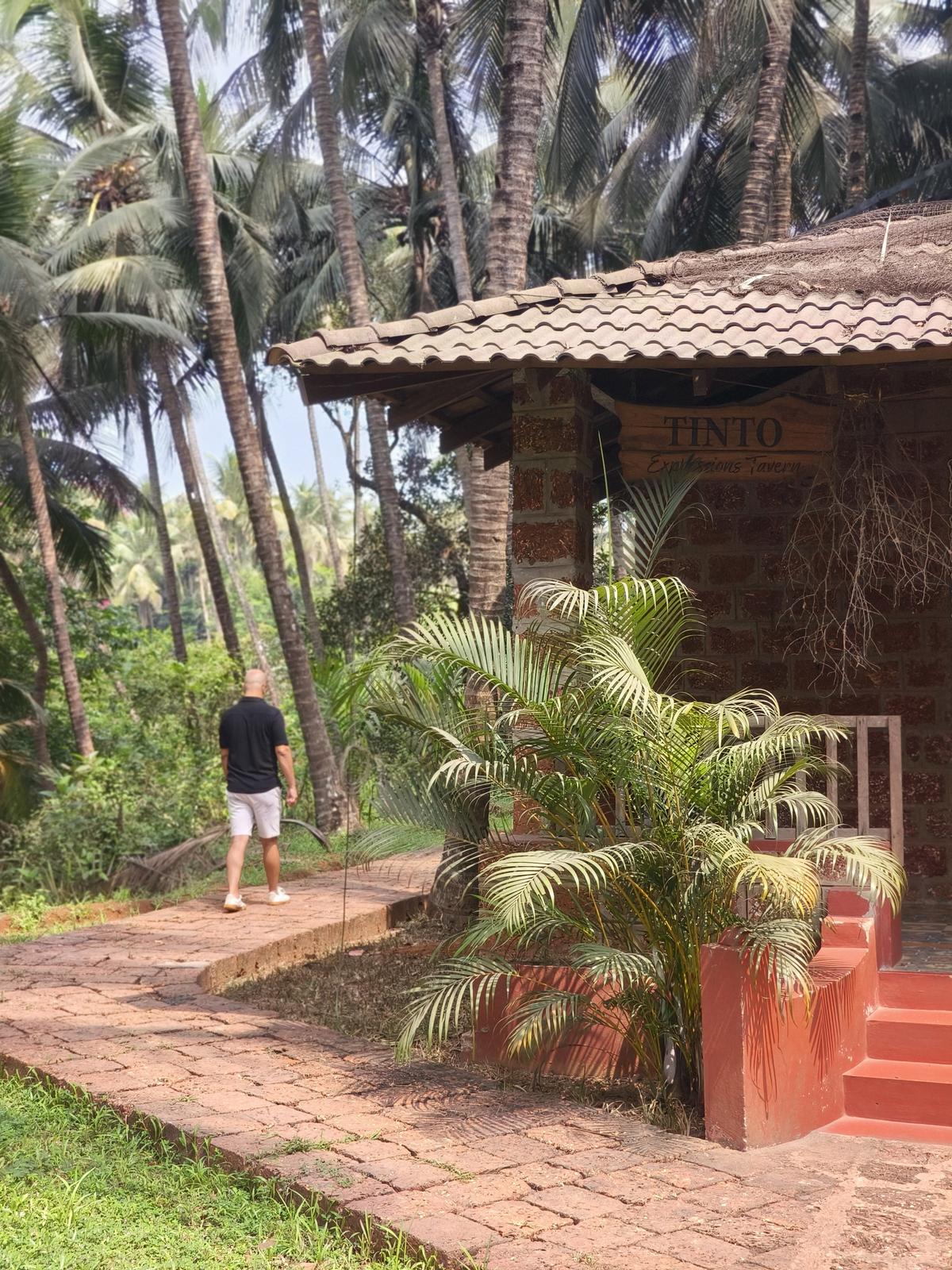
To understand the cultural weight of Urrak, one must travel to the village of Cotombi in Quepem. Here, the Diniz family has been refining the art of distillation since the late 1800s. Their operation serves as a bridge between ancestral tradition and modern connoisseurship.
The journey to Cotombi is a sensory immersion into "Old Goa." The landscape is dominated by terraced paddy fields glowing gold under the summer sun and mango trees sagging under the weight of ripening fruit. At the Tinto Expressions Tavern, the Diniz family showcases the bhaan not just as a tool, but as a monument to Goan identity.
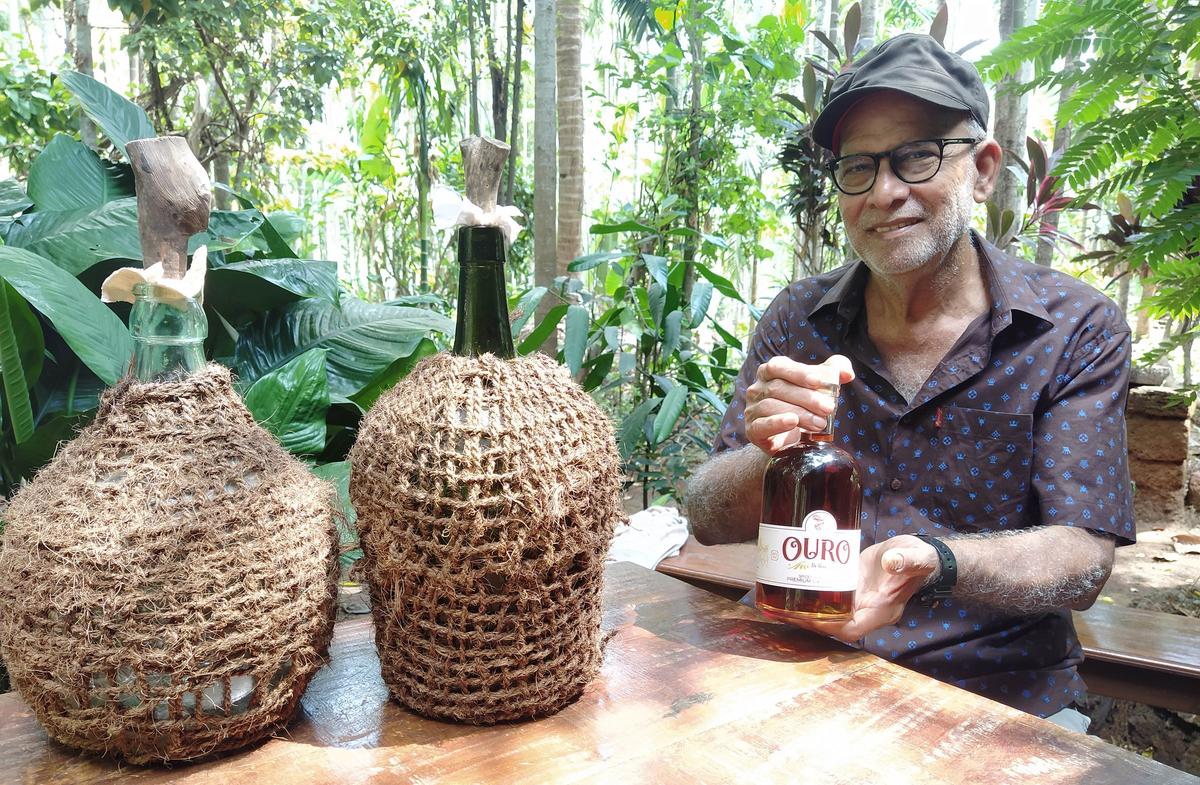
The Urrak produced here is distinctive because it is sourced entirely from the family’s own cashew groves. This "estate-bottled" approach ensures a consistency of flavor that is rare in the unregulated village market. For the Diniz family, Urrak is not just a product; it is a legacy that has survived four generations, maintaining its relevance even as the world around it moves toward industrial mass production.
Philosophy and Sustainability: The Dudhsagar Plantation
While some look at Urrak through the lens of commerce, others see it as an ecological philosophy. Deep in the folds of the Western Ghats, near the Mollem National Park, lies the Dudhsagar Plantation.
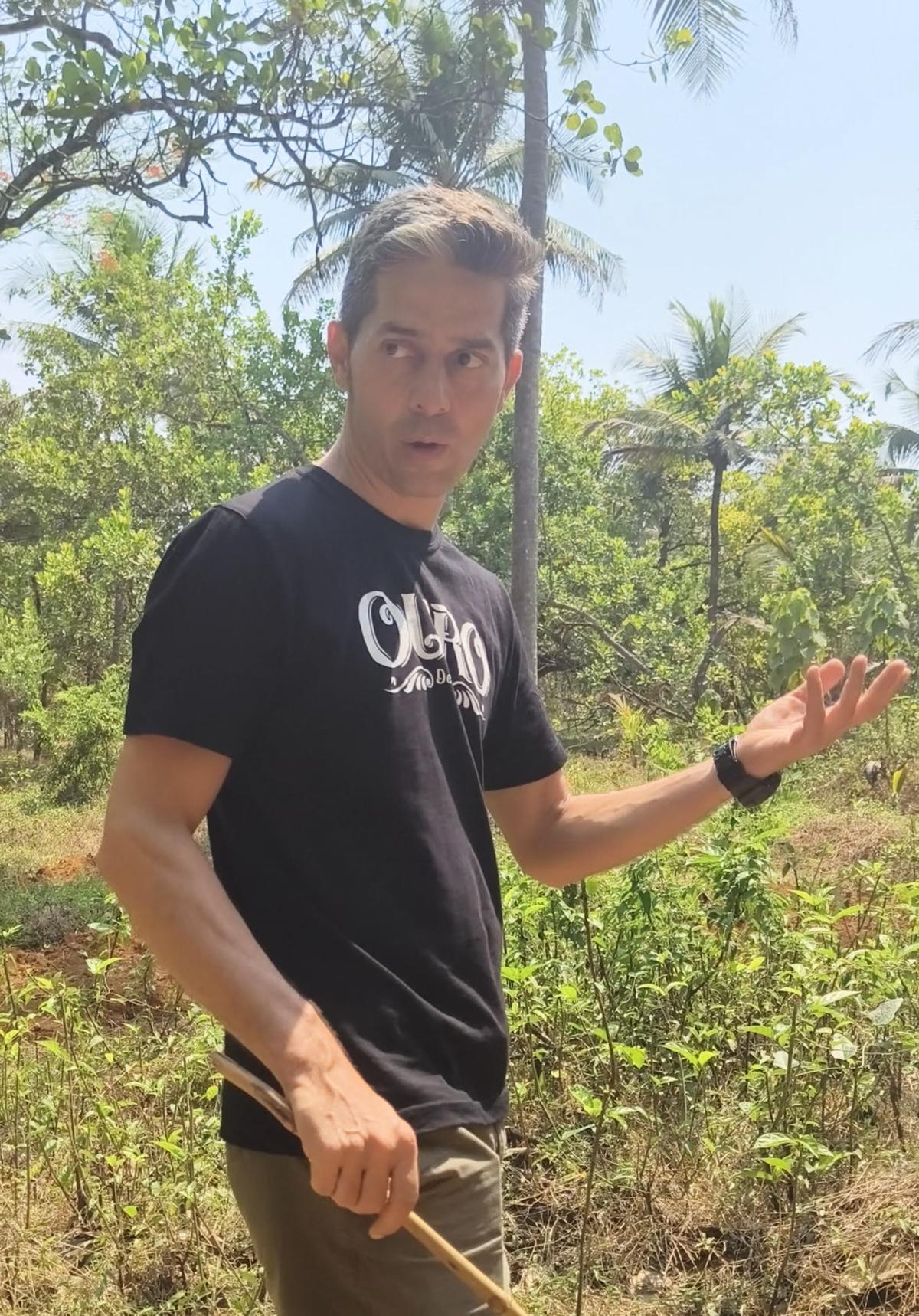
In the 1980s, Ajit Malkarnekar took on the challenge of transforming 50 acres of barren, red-rust laterite soil into a horticultural sanctuary. Today, the plantation is a dense thicket of tropical biodiversity. His son, Ashok Malkarnekar, now manages the estate with a commitment to "circular living."
At Dudhsagar, the production of Urrak is part of a zero-waste system:
- The Fruit: Used for juice.
- The Nut: Sold for processing.
- The Pulp: After crushing, the remains of the cashew apple are used as organic fertilizer or cattle feed.
- The Wood: Fallen branches provide the fuel for the distillation fires.
Ashok Malkarnekar emphasizes a "slow" approach to Urrak. "Know your trees, know your fruit, don’t rush anything," he says. In an era of instant gratification, the Malkarnekars’ refusal to accelerate the fermentation or distillation process is a radical act of preservation. Their copper bhaan and cottage-style fermentation vats are open to visitors, turning the "farm-to-glass" concept into an educational experience.
Expert Opinion: The Etymology and History of the Word
The origin of the name "Urrak" has long been a subject of debate among historians and spirits experts. Hansel Vaz, the founder of Cazulo Feni and a self-styled "Feni Dotor" (Doctor of Feni), has conducted extensive research into the linguistic roots of the drink.

During a recent symposium, Vaz argued that the word Urrak (historically recorded as hurrak, urrac, or urraca) has deep links to Arabic trade. The term is likely a derivative of Arak, a broad category of distilled spirits found across the Middle East and Southeast Asia.
"The early references do not point to a cashew distillate at all," Vaz insists. Historically, the term was associated with the sap of the coconut tree (toddy). However, when the Portuguese introduced the cashew tree from Brazil to India in the 16th century—primarily to prevent soil erosion—the plant thrived in Goa’s climate.
Vaz posits that the juice of the cashew fruit "hijacked" the existing vocabulary. Because the cashew apple was so fragrant and its juice so sweet and easily fermented, it became the dominant source for the local Arak, eventually evolving into the specific Goan Urrak we recognize today.
Implications: Tourism, Heritage, and the Future
The rise of "Urrak Tourism" represents a significant shift in Goa’s travel landscape. No longer content with just beaches and nightlife, travelers are increasingly seeking "unhurried cultural experiences."
The Rise of Experiential Travel
Plantation tours, such as those offered by Adinco and Dudhsagar, allow visitors to witness the crushing of the fruit and the firing of the stills. This transparency adds value to the product, allowing it to command a premium price (tours often start at ₹750) and elevating Urrak from a "country liquor" to a sophisticated artisanal spirit.
Geographical Indication (GI) Status
Feni received its Geographical Indication (GI) tag in 2009, but Urrak remains its overshadowed sibling. However, the current movement to document and preserve the traditional methods of Urrak production is crucial. By protecting the process—from the use of the copper bhaan to the specific fermentation periods—Goa ensures that its heritage cannot be replicated or diluted by industrial spirits from other regions.
Social and Cultural Cohesion
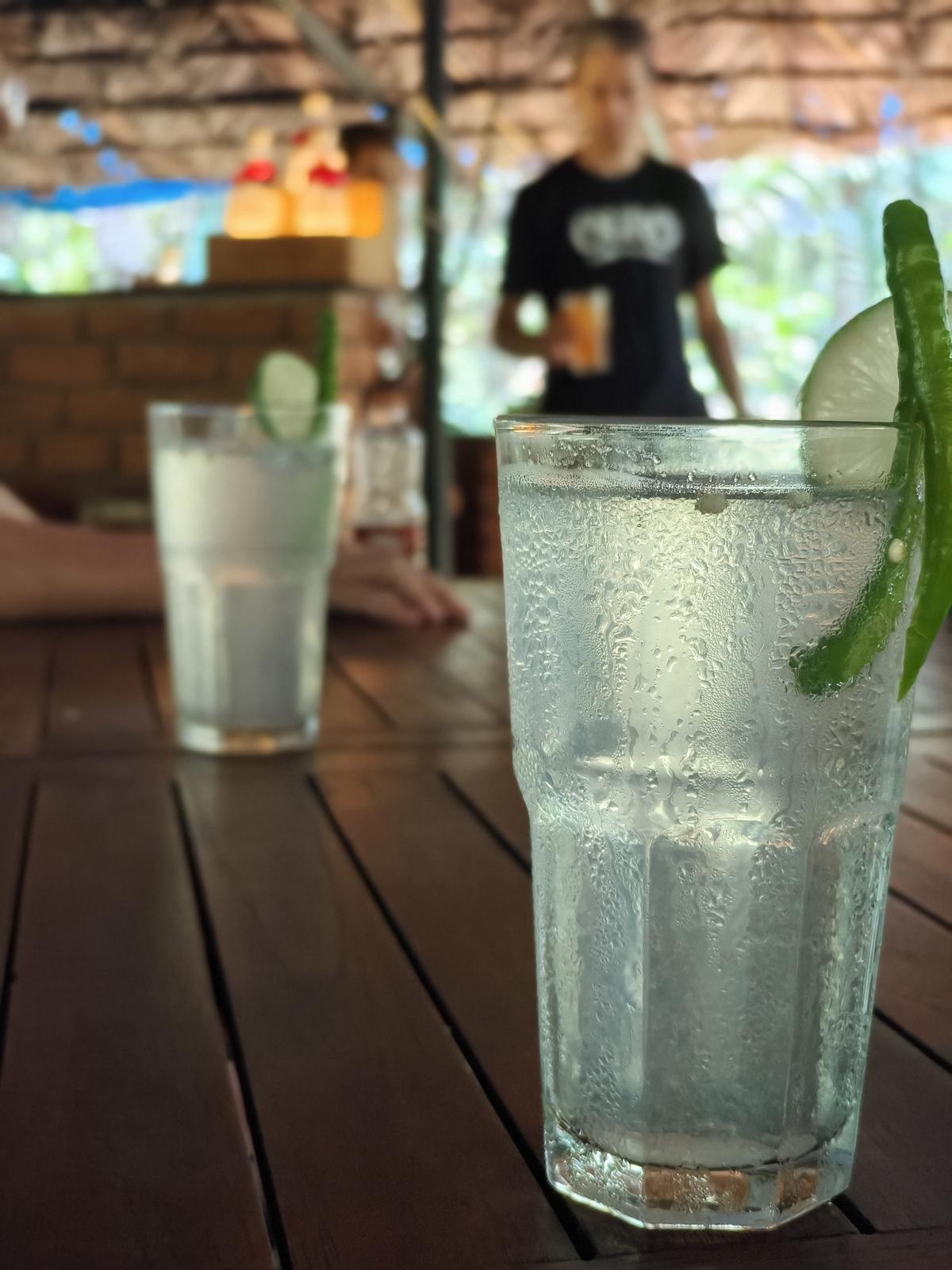
Beyond economics, Urrak remains a social equalizer. In April, the drink is found on the tables of the wealthy and the porches of the village laborers alike. It is served simply: a large pour of Urrak, a splash of Limca or lemonade, a pinch of salt, and a single green chili slit down the middle to provide a sharp, spicy contrast to the drink’s tropical sweetness.
Conclusion: The Ephemeral Spirit
As the first rains of the monsoon approach in June, the Urrak season abruptly ends. The stills are cleaned and stored, and the cashew trees begin their quiet cycle of regrowth.
Urrak is a reminder that some of the best things in life cannot be mass-produced or made available year-round. It is a drink defined by the sun, the soil, and the specific heat of a Goan summer. For those who know how to appreciate it—best consumed at the source, under the shade of a jackfruit or cashew tree—Urrak is more than just a precursor to Feni. It is the bottled essence of Goa itself: unhurried, traditional, and deeply rooted in the land.
In a world of globalized flavors, the persistence of this "lightly spiked" seasonal ritual is a testament to the power of local heritage. As long as the cashew apples fall in the orchards of Quepem and Canacona, the people of Goa will be there to catch them, distill them, and raise a glass to the best summer drink in the world.
