

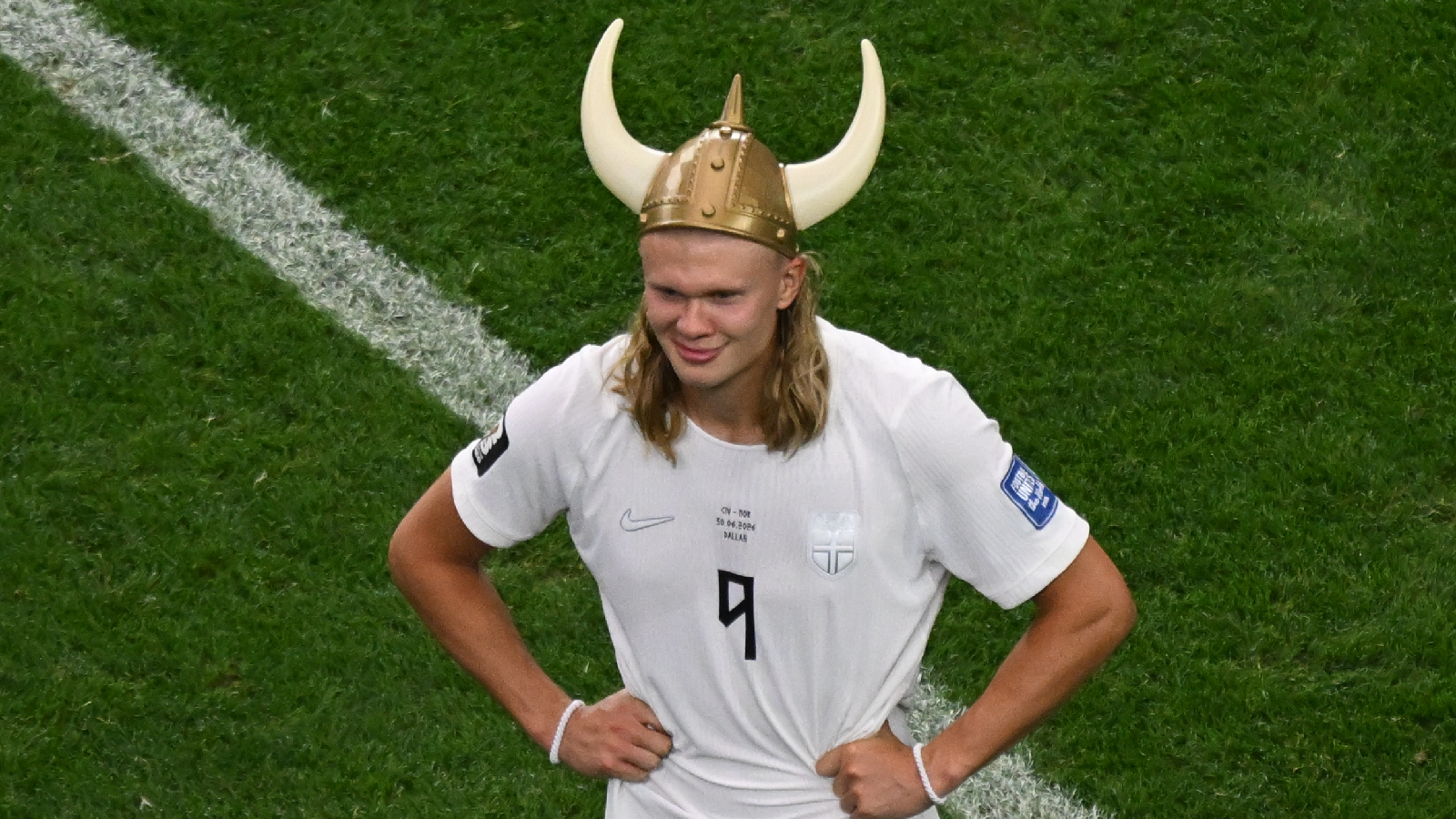
ARLINGTON, TEXAS – July 1, 2026 – In a FIFA World Cup Round of 32 clash that will be etched into Norwegian football folklore, Erling Haaland once again proved his ‘inexorable’ moniker, scoring a dramatic late winner to secure Norway a hard-fought 2-1 victory over a resilient Ivory Coast. The triumph, achieved in the scorching Texas heat near Dallas on Tuesday, June 30, 2026, marks Norway’s first appearance in the World Cup knockout stages in 28 years, ending a generation-long wait for the Nordic nation.
The decisive goal, arriving just as the match seemed destined for extra time, saw the Manchester City phenom capitalize on a fortunate deflection, guiding the ball past Ivory Coast goalkeeper Yahia Fofana. This moment of individual brilliance capped a pulsating encounter, ignited earlier by Antonio Nusa’s exquisite curling strike in the first half and momentarily pegged back by Amad Diallo’s equally stunning equalizer for the Elephants. For Norway, the path now leads to a daunting Round of 16 showdown against footballing giants Brazil, while a valiant Ivory Coast departs the tournament with heads held high, having pushed one of the competition’s most potent attacking forces to its absolute limit.
A Return to Glory: Norway Ends 28-Year Knockout Drought
The anticipation leading into this Round of 32 fixture was palpable. For Norway, this wasn’t just another match; it was a chance to break a nearly three-decade-long jinx, their last World Cup knockout appearance dating back to France ’98. That year, they famously beat Brazil in the group stage before falling to Italy in the last 16. This 2026 squad, however, arrived in the United States with a different aura, spearheaded by a generational talent in Erling Haaland and a supporting cast brimming with skill and youthful exuberance.
From the outset, the narrative was clear: Norway’s prolific attack against Ivory Coast’s formidable defense. Ståle Solbakken’s side had been a goal-scoring machine, plundering an astonishing 37 goals in eight qualifying matches, a tally they augmented with another eight in the group stage of the World Cup. Leading this charge was, of course, Haaland, responsible for an incredible 20 of those 45 goals, and who, with his early tournament contributions, had already become his nation’s leading World Cup goal-scorer in just 43 minutes of play.
However, any expectation of an easy ride was quickly dispelled by Emerse Faé’s Ivory Coast. The African side had built its reputation on an ironclad defense, having not conceded a single goal across 10 qualifying matches. Their plan for Norway was evident: frustrate, deny space, and absorb pressure. And for much of the first half, it worked to perfection, turning what many expected to be an open, end-to-end affair into a tactical battle of wills.
Chronology of a Tense Encounter
First Half: Tactical Stalemate Broken by Nusa’s Magic
The opening exchanges at the AT&T Stadium in Arlington were marked by an unexpected tranquility, a stark contrast to Norway’s reputation as one of the tournament’s most explosive attacking units. For the first 37 minutes, Ivory Coast’s defensive shield held firm, suffocating Norway’s creative outlets and denying Haaland any meaningful service. The prodigious striker, usually a whirlwind of movement and menace, managed just a solitary touch in the first 20 minutes, a testament to the disciplined pressing and compact lines of the Ivorian midfield and defense. Norway’s only real sniff at goal in this period was a tame half-attempt that posed little threat to Yahia Fofana.
Then, just as the half seemed destined to conclude goalless, Antonio Nusa decided to take matters into his own hands. Receiving a precise pass from captain Martin Ødegaard down the right flank, Nusa found himself surrounded by three orange shirts. What followed was a breathtaking display of individual brilliance, a sequence of events that unfolded in a mere three seconds. First, he wrong-footed Nicolas Pepe with a magician’s deception, a feint that created a sliver of space. Then, with the flexibility of a gymnast, he opened his body, setting himself for the shot. Finally, with the accuracy of an archer, he curled an immaculate strike that nestled perfectly between the outstretched hand of Fofana and the desperate lunge of Franck Kessie. The stadium erupted. Norway had breached the Ivorian fort, and with Nusa’s sumptuous curling effort, they took a crucial 1-0 lead into the halftime interval, shifting the momentum and forcing Ivory Coast to rethink their strategy.
Second Half: Ivory Coast’s Resurgence and Diallo’s Brilliance
The halftime break offered Emerse Faé a chance to rally his troops, and the Elephants emerged for the second half with renewed vigor and a clear mandate: attack. Their defensive solidity, while admirable, now had to give way to an offensive urgency. They committed more players forward, increased their pressing intensity, and began to pepper the Norwegian goal with attempts. The statistics reflected this shift dramatically: nine attempts in the second half, a significant increase from the five they managed in the entire first period.
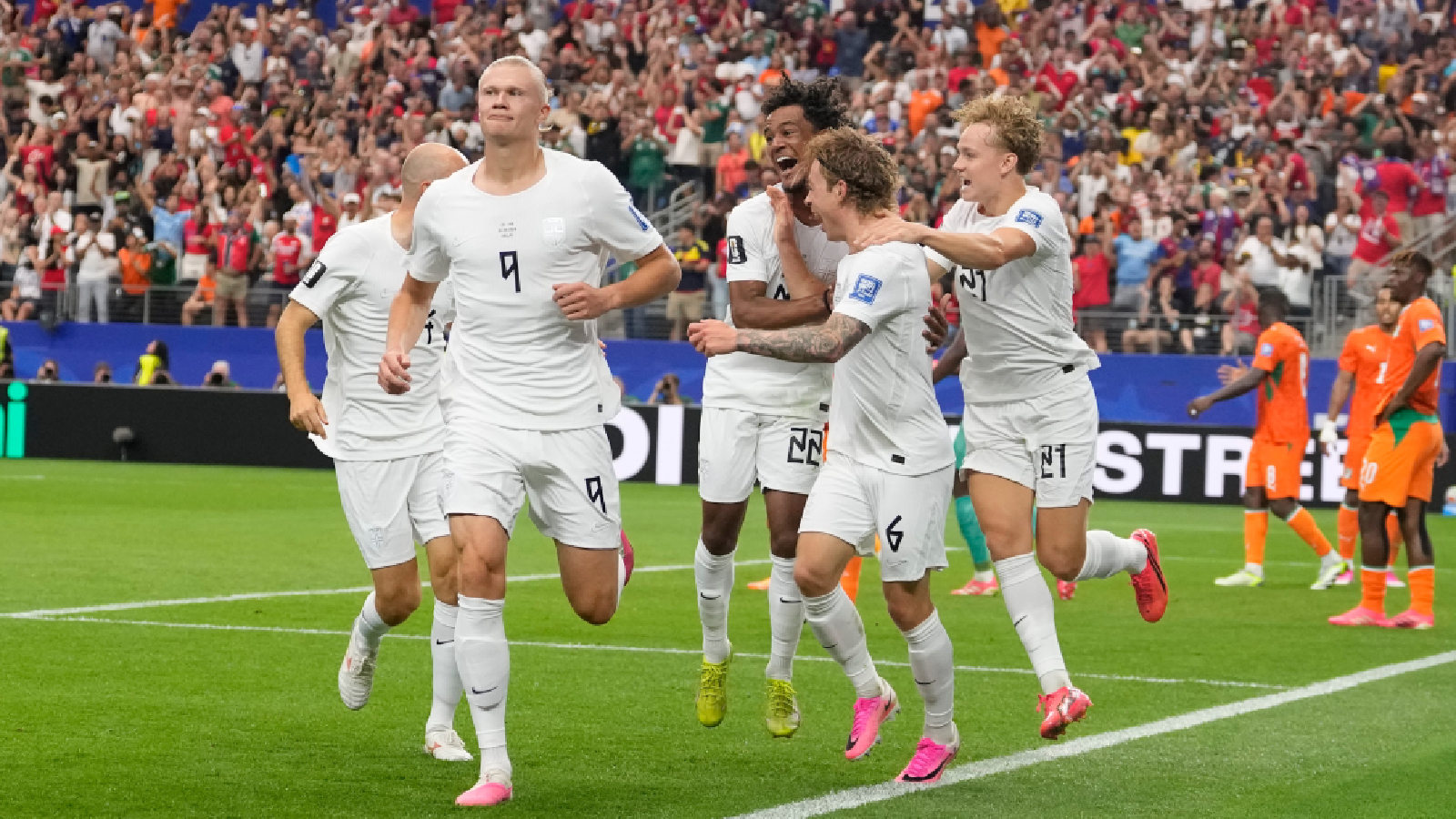
Norway, perhaps hoping to absorb pressure and hit on the counter, found themselves increasingly on the back foot. The game became a test of their defensive resolve, a quality often overshadowed by their attacking prowess. The pressure mounted, and in the 74th minute, Ivory Coast’s persistence finally paid off. Amad Diallo, who had been a constant threat with his pace and trickery, produced a moment of individual genius. Gliding effortlessly past David Møller Wolfe and Sander Berge, as if they simply didn’t exist, Diallo created the space he needed before steering an immaculate finish beyond the reach of Norway’s goalkeeper, Ørjan Nyland. The stadium, now filled with a mix of Norwegian anxiety and Ivorian jubilation, witnessed the equalizer. At 1-1, the momentum had swung decisively in favor of the African side, and the prospect of extra time loomed large.
Haaland’s Inexorable Moment: A Late Winner
With the clock ticking down and the tension almost unbearable, the match seemed destined for an additional 30 minutes of play. Both teams battled fiercely in midfield, wary of making a mistake but also desperate to find a winner. It was in this crucible of high stakes that Ivory Coast learned, firsthand, why Erling Haaland is considered inexorable.
The build-up to the decisive goal was swift and incisive. Oscar Bobb, a dynamic presence off the bench, sliced through Faé’s prized defense with a perfectly weighted pass, releasing Patrick Berg into a dangerous position. Berg, with remarkable composure, understood his task: return the ball into the danger area with complete faith that Haaland would occupy the space. He did, as he so often does. The pass was squared across the box, finding Haaland in a scramble. With a touch that might have been fortuitous in its execution but utterly decisive in its outcome, Haaland nudged the ball past the despairing dive of Fofana and into the back of the net. The roar from the Norwegian contingent was deafening, a mixture of relief, exhilaration, and sheer disbelief. Norway had snatched victory from the jaws of extra time, 2-1.
The final whistle confirmed the outcome. The chaos engineered by Nusa and Haaland had ultimately broken through the proud defensive wall of the Ivorians, not once but twice, delivering a victory that will resonate through Norwegian football for years to come.
Supporting Data and Tactical Nuances
Norway’s journey to this point has been characterized by a blend of raw attacking power and a newfound tactical discipline under Ståle Solbakken. Their offensive statistics speak volumes: 45 goals scored across qualifiers and group stages before this match, a testament to their philosophy of relentless forward pressure and clinical finishing. Haaland’s contribution of 20 goals within that tally underscores his central role, not just as a finisher but as the focal point around which their entire attacking strategy revolves. His ability to find space, his explosive runs, and his formidable aerial presence make him a constant nightmare for defenders.
Antonio Nusa, the young winger, offers a different dimension. His goal, a moment of pure individual brilliance, highlights the flair and audacity he brings to the team. His self-professed admiration for Neymar, "Because my idol Neymar creates chaos on the pitch with his dribbling, just like me," perfectly encapsulates his style. This "chaos," as Haaland himself echoed, "I enjoy the chaos around me," is a deliberate and effective strategy for Norway, designed to disrupt organized defenses and create opportunities where none seem to exist.
On the other side, Ivory Coast’s defensive record – zero goals conceded in 10 qualifiers – was not merely a statistic; it was a reflection of Emerse Faé’s meticulous tactical planning and the discipline of his players. Their ability to stifle Haaland for significant periods demonstrated their quality. Players like Franck Kessie anchored the midfield, while the backline maintained a rigid structure. Amad Diallo’s equalizer, a moment of individual brilliance, showed that the Elephants were not just a defensive unit; they possessed the attacking talent to hurt opponents when given the chance. Their performance, despite the defeat, earned them considerable respect, highlighting their potential for future tournaments.
The match also showcased the contrast in goalkeeping styles. Yahia Fofana for Ivory Coast, despite conceding twice, made several crucial saves and commanded his area well. Ørjan Nyland for Norway, while less busy in the first half, was tested significantly in the second and made a pivotal save to keep Norway in the game before Diallo’s equalizer.
Official Responses: A Mix of Jubilation and Heartbreak
Following the final whistle, emotions ran high in both camps.
Ståle Solbakken, Norway Coach:
"This is an incredible moment for Norwegian football. Twenty-eight years is a long time, and to break that barrier in such a dramatic fashion, against a truly excellent Ivory Coast side, fills me with immense pride. We knew it would be tough. Their defensive record speaks for itself. But we never stopped believing, even when they equalized. Erling, as always, found a way. Nusa’s goal was world-class. It wasn’t our most fluid performance, but the resilience, the fight, the sheer will to win was there. We celebrate tonight, but tomorrow, our focus shifts entirely to Brazil. It’s a massive challenge, but this team thrives on challenges."
Erling Haaland, Norway Striker:
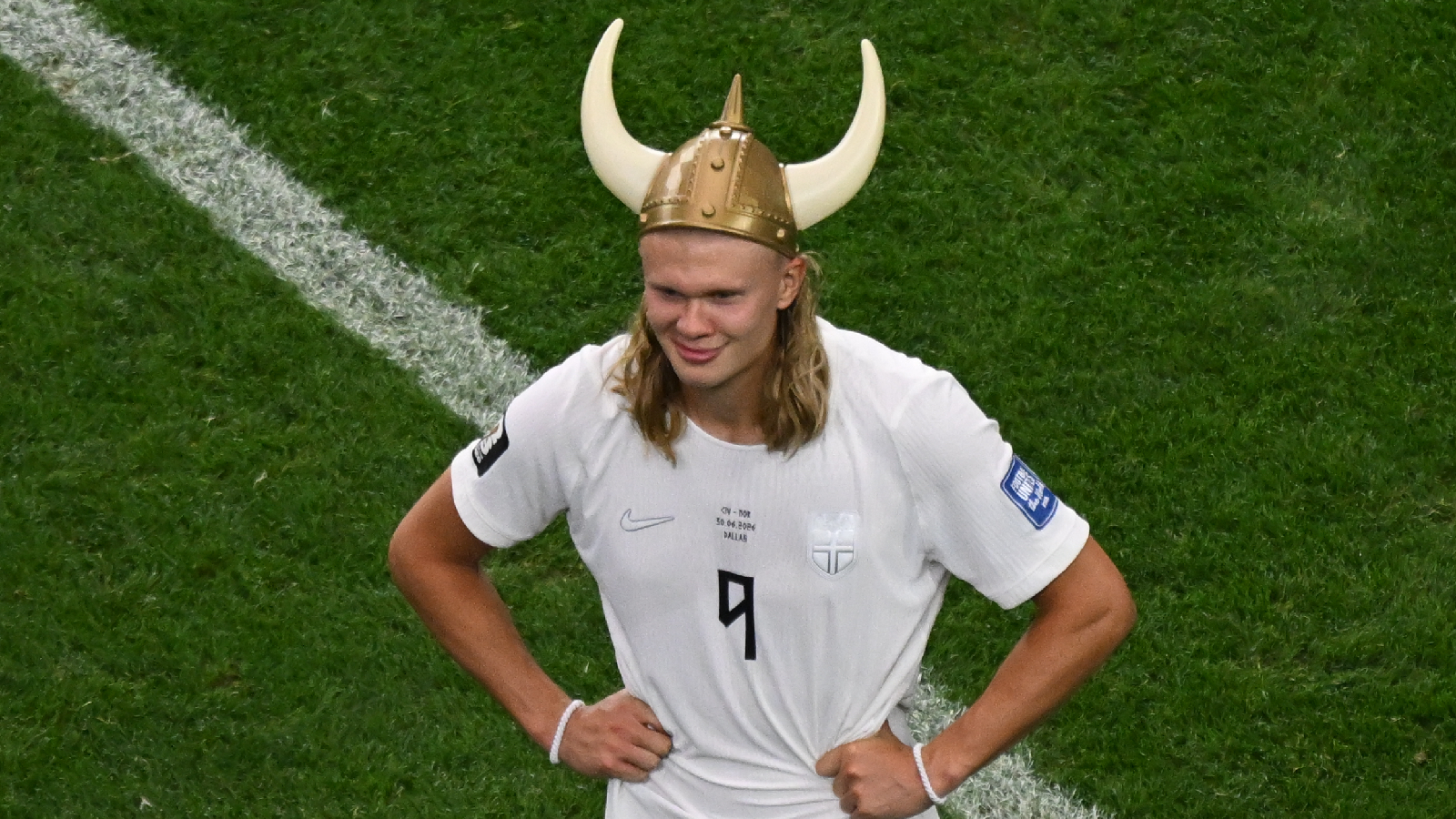
"It feels amazing, truly amazing. When the ball went in, it was just pure adrenaline. I enjoy the chaos, yes, and today was definitely chaotic! Ivory Coast made it incredibly difficult for us. They are a strong team, very organized. We had to dig deep. Patrick [Berg] made a great pass, and sometimes you just need a bit of luck, but you have to be in the right place, too. This is what we play for, these moments. Now, Brazil. It’s going to be huge, but we are ready to fight."
Antonio Nusa, Norway Winger:
"My goal felt fantastic, a real dream come true on this stage. When Martin [Ødegaard] passed it, I just focused on creating space and hitting it right. It’s about being brave, trying things, creating that ‘chaos’ my idol Neymar talks about. We needed that goal to open things up. This team has so much character. To win like this, it gives us so much belief for what’s to come, even against Brazil."
Emerse Faé, Ivory Coast Coach:
"This is a bitter pill to swallow. My players gave absolutely everything. To concede so late, it’s heartbreaking. We executed our defensive plan almost perfectly for large parts of the game, limiting one of the world’s best strikers. Amad’s goal was fantastic, and at 1-1, I truly believed we could win it or at least take it to extra time. We showed the world our strength, our discipline, and our fight. I am incredibly proud of every single player. We leave the tournament with our heads held high, knowing we pushed a top team to the very brink. This experience will only make us stronger for the future."
Martin Ødegaard, Norway Captain:
"A rollercoaster of emotions, truly. Ivory Coast were incredibly tough, probably the toughest defensive side we’ve faced. But that’s what the World Cup is about. Nusa’s goal opened the door, and then for Erling to step up again in the crucial moment… it’s why he’s so special. As captain, I couldn’t be prouder of the team’s spirit. We fought for every ball, every inch. Now, we face the ultimate test in Brazil, but we’ve shown we can compete with anyone."
Implications: A Date with Destiny and Lessons Learned
For Norway, this victory is more than just progression to the Round of 16; it’s a statement. It signifies their return to relevance on the global football stage after decades in the wilderness. The win injects a massive boost of confidence into Solbakken’s squad, proving they can not only outscore opponents but also grind out results against tactically astute teams. The ‘Viking’ spirit, often referenced in connection with their heritage and even their jersey font design (inspired by the oldest runes), was on full display. They have demonstrated resilience, individual brilliance, and a collective belief that could make them a dangerous dark horse. The looming encounter with Brazil in the Round of 16 will be the ultimate litmus test, a monumental challenge that will require an even higher level of performance, but one they will approach with newfound conviction.
For Ivory Coast, the exit is undoubtedly painful, but it is far from a failure. Emerse Faé’s team showcased an incredible defensive solidity that stifled one of the world’s most feared attacks for long periods. Their ability to transition from a compact defensive block to incisive attacking moves, exemplified by Diallo’s equalizer, speaks to their tactical versatility and individual talent. Players like Diallo and the experienced Kessie proved their class on the biggest stage. This World Cup campaign will serve as invaluable experience for their relatively young squad, laying a strong foundation for future tournaments. They leave with the respect of their opponents and a clear indication that African football continues to evolve and challenge the established order.
The match itself will be remembered as a classic World Cup knockout tie, a testament to the drama and unpredictability that makes the tournament so captivating. It highlighted the fine margins at this level, where moments of individual brilliance, a touch of fortune, and unwavering belief can tilt the balance. As Norway looks ahead to their date with destiny against Brazil, the footballing world will watch with keen interest, wondering if Haaland and his Viking warriors can continue to rewrite history.
