

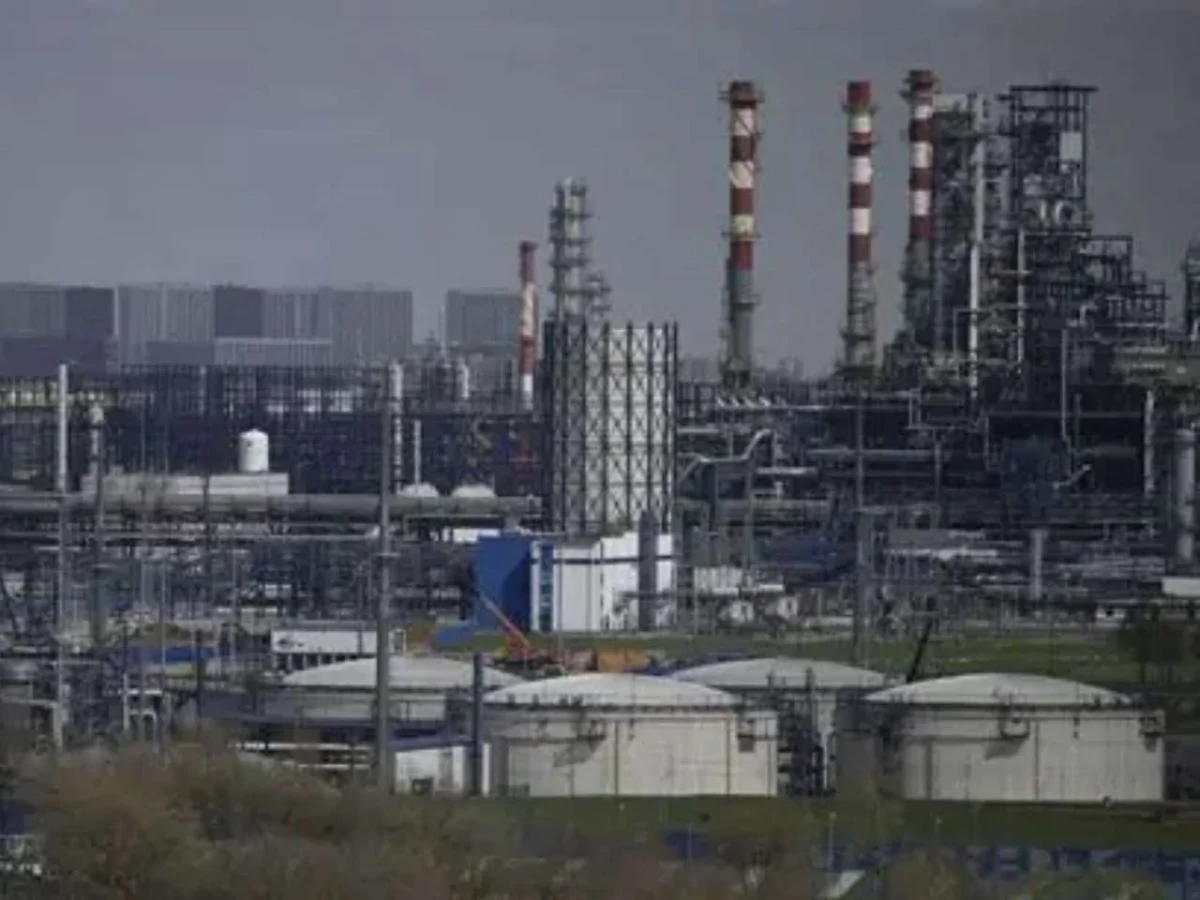
New Delhi/Moscow – In an unprecedented turn of events that underscores the escalating economic and strategic ramifications of the ongoing conflict in Ukraine, Russia, one of the world’s leading oil and gas producers, has reportedly commenced importing gasoline from India. This surprising development comes as the Kremlin grapples with severe fuel shortages across its vast territory, largely triggered by a sustained campaign of Ukrainian drone attacks targeting critical Russian oil refineries. The move highlights Russia’s growing vulnerability to these strikes and the intricate, evolving dynamics of global energy trade and geopolitical alliances.
Main Facts: An Unlikely Energy Lifeline from India
The decision by Moscow to seek refined petroleum products from India, a nation that has simultaneously become a significant buyer of discounted Russian crude oil, marks a pivotal moment. Reports from Reuters indicate that Russia has initiated gasoline imports from India to alleviate acute domestic shortages that have led to long queues at filling stations and record price hikes across its 11 time zones.
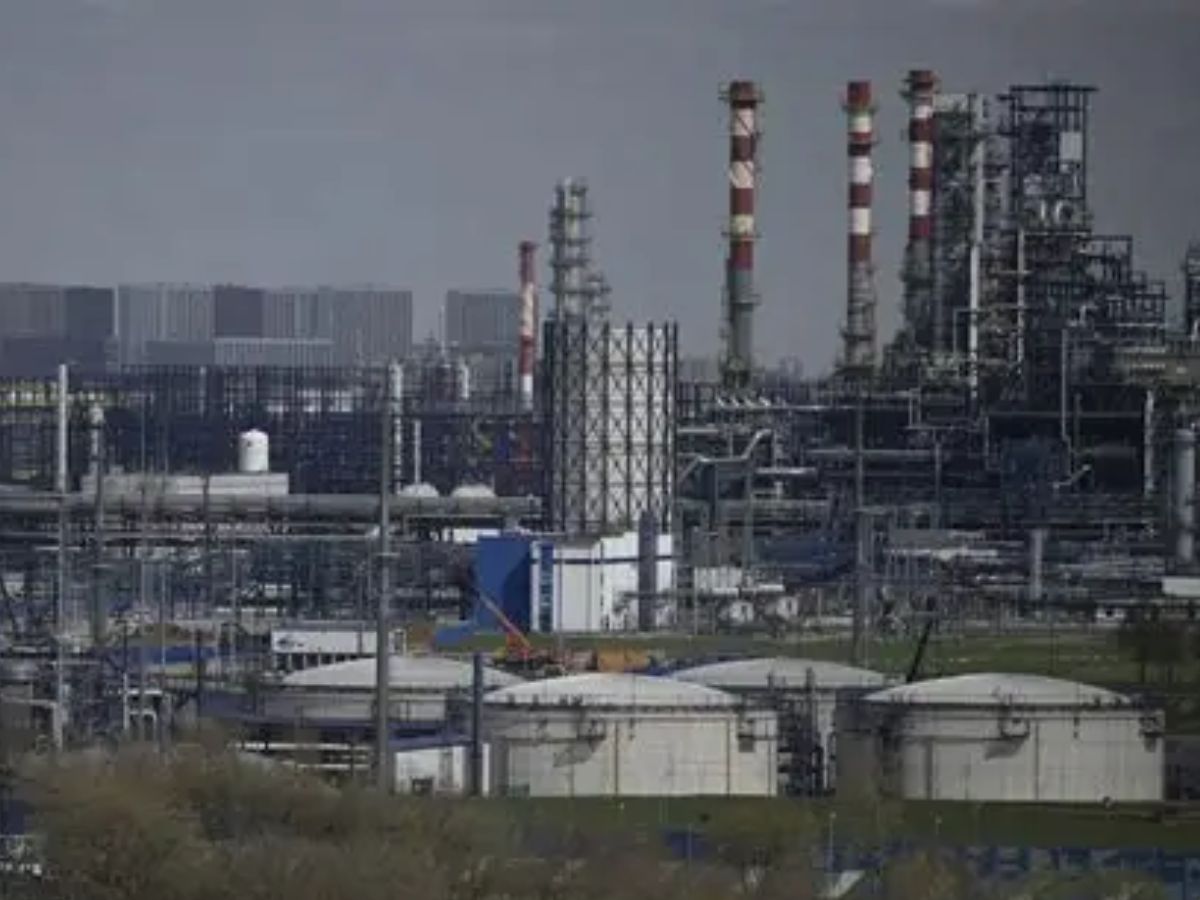
This situation is a direct consequence of relentless Ukrainian drone assaults on Russian oil refineries over recent weeks, which have severely disrupted domestic refining capacity. While Russia is an undisputed energy superpower, its refining infrastructure has proven vulnerable to these targeted strikes, impacting its ability to meet domestic demand for gasoline, particularly as the summer season drives up consumption.
India, having emerged as a crucial processing hub for Russian crude since the imposition of Western sanctions, now finds itself in the unique position of supplying refined fuel back to its energy source. This complex trade loop not only highlights India’s strategic importance in the global energy market but also underscores the shifting geopolitical landscape where traditional energy flows are being rerouted and redefined. The Kremlin has acknowledged the fuel crisis and is reportedly exploring import options from various "friendly" nations, with initial shipments from India already reported.
)
Chronology: From Refinery Strikes to International Imports
The current fuel crisis in Russia has unfolded over several months, escalating significantly in recent weeks due with the intensification of Ukrainian drone attacks.
Late 2023 – Early 2024: Ukraine begins to scale up its drone capabilities, developing longer-range unmanned aerial vehicles (UAVs) capable of striking deep within Russian territory. Initial attacks on oil infrastructure are sporadic but serve as a precursor to a more concerted campaign.

March – May 2024: Ukrainian drone strikes on Russian oil refineries intensify significantly. Major facilities in regions such as Ryazan, Nizhny Novgorod, Samara, and Krasnodar are targeted, causing substantial damage and forcing temporary shutdowns or reductions in operational capacity. Russian officials acknowledge the damage but initially downplay the long-term impact on domestic fuel supply.
Early June 2024: Reports begin to surface of localized fuel shortages in various Russian regions. Consumers face longer queues at petrol stations, and wholesale gasoline prices start to climb sharply. The issue, initially regional, begins to spread across the country. The Kremlin remains largely silent on the extent of the problem.
)
Mid-June 2024: The scale of the fuel crisis becomes undeniable. Media reports, corroborated by industry sources, detail widespread shortages affecting regions across Russia’s vast geographical expanse. Prices reach unprecedented levels, and public discontent grows.
June 28, 2024 (Sunday): Russian President Vladimir Putin publicly acknowledges the impact of Ukrainian drone strikes on oil refineries during a meeting with ministers and officials. He concedes that these attacks have triggered fuel shortages in some regions but assures the public that Russia is actively addressing the issues. This marks the first high-level admission of the severity of the problem.
)
June 29, 2024 (Monday): Reuters reports that Russia has commenced importing gasoline from India. Industry sources confirm that at least 60,000 metric tons of gasoline have already been dispatched from India, with two tankers, each carrying 30,000 to 40,000 tons, reportedly on their way or having already arrived.
June 30, 2024 (Tuesday): The Kremlin confirms that Russia is actively discussing the prospect of fuel imports from other countries at "acceptable prices." Simultaneously, Russia’s parliament approves amendments to its tax code aimed at coping with the fuel shortages. These amendments include offering subsidies on fuel imports, crucially pegged to Indian delivery costs and prices, solidifying India’s role in this emergency supply chain.
)
Ongoing: Efforts to secure additional imports continue, with plans to bring in a total of 400,000 tons of petrol monthly from various countries, including neighboring Belarus, which has already significantly ramped up its fuel exports to Russia. Repair efforts at damaged refineries are also underway, though the timeline for full restoration remains uncertain.
Supporting Data: The Scale of Russia’s Fuel Predicament
The data emerging from Russia and its trading partners paints a clear picture of a nation struggling to maintain its domestic fuel supply amidst external pressures.
)
Refining Capacity Under Duress
Russia possesses a substantial refining capacity, typically processing millions of barrels of crude oil daily to meet domestic demand and export refined products. However, Ukrainian drone attacks have reportedly put a significant portion of this capacity out of action. While official figures on the exact percentage of damaged capacity are scarce and often disputed, industry estimates suggest that at least 10-15% of Russia’s primary refining capacity has been impacted at various times, leading to a noticeable drop in gasoline and diesel output. The cumulative effect of repeated strikes on various facilities has severely hampered the country’s ability to produce sufficient volumes of key fuels.
Shortages and Price Hikes
The direct consequence of reduced refining output has been a nationwide fuel crisis. Reports indicate:
)
- Widespread Shortages: Fuel shortages are being felt across Russia’s 11 time zones, from its western borders to the Far East. This geographical spread indicates a systemic problem, not isolated incidents.
- Long Queues: Consumers are experiencing extended waiting times at filling stations, a phenomenon reminiscent of economic crises rather than an energy-rich nation.
- Record Gasoline Prices: The price of gasoline has surged, reaching unprecedented levels. While specific nationwide averages are difficult to ascertain due to market volatility and regional variations, local reports indicate significant double-digit percentage increases in a short span. This adds to inflationary pressures and impacts the purchasing power of ordinary citizens.
Import Quantities and Sources
To counter these shortages, Russia is actively pursuing multiple import channels:
- From India: At least 60,000 metric tons of gasoline have reportedly been sent from India to Russia. Industry sources confirm two tankers, each carrying between 30,000 to 40,000 tons, have been part of these initial shipments. The exact Indian refiner supplying the fuel has not been publicly confirmed, but India’s major refiners, which have been processing discounted Russian crude, are prime candidates.
- Overall Import Strategy: Russia plans to import a total of 400,000 tons of petrol every month from various countries. This substantial figure underscores the depth of the domestic deficit.
- From Belarus: Neighboring Belarus, a staunch ally, has significantly increased its gasoline rail supplies to Russia. In the first half of June alone, Belarusian supplies surged to more than 70,000 tons, nearly three times the volume supplied in the first half of May. This demonstrates Belarus’s role as a critical immediate relief valve for Russia’s fuel needs.
Consumption Patterns
Gasoline consumption in Russia typically experiences a seasonal peak during the summer months due to increased travel, agricultural activities, and general economic movement. Daily consumption can rise to at least 110,000 metric tons per day during this period. The current shortages are therefore occurring at a time of high demand, exacerbating the crisis. The 400,000 tons monthly import target represents roughly 13,300 tons per day, indicating that while significant, it addresses only a fraction of the daily peak demand, highlighting the need for internal production recovery or even larger import volumes.
)
India’s Evolving Energy Trade with Russia
The shift in energy dynamics between India and Russia is also supported by recent data on crude oil imports. India’s crude oil imports from Russia reached a record high in June, according to ship tracking data from LSEG and Kpler. Indian refiners have been actively purchasing discounted Russian crude, especially to mitigate the impact of disruptions in other supply routes, such as the Strait of Hormuz closure. This pre-existing robust crude trade relationship provides the logistical and commercial framework for the current gasoline imports, demonstrating a deepening energy nexus between the two nations.
Official Responses: Acknowledgment and Policy Adjustments
The gravity of Russia’s fuel crisis has necessitated direct responses from the highest levels of government, coupled with legislative action to mitigate the economic impact.
)
Kremlin’s Stance and President Putin’s Acknowledgment
Initially, the Kremlin maintained a relatively tight-lipped approach regarding the extent of the damage to its refining capacity and the subsequent fuel shortages. However, as the crisis became undeniable, affecting daily life across the country, a shift in official rhetoric became apparent.
On Sunday, June 28, President Vladimir Putin addressed the issue directly during a meeting with his ministers and other officials. He explicitly acknowledged that Ukrainian drone strikes on oil refineries had indeed "triggered fuel shortages in some regions." This was a significant admission, moving beyond earlier downplaying of the attacks’ effectiveness. Crucially, Putin sought to reassure the public, stating that Russia was "dealing with them," implying that the government was actively engaged in resolving the crisis. This public acknowledgment aimed to manage public sentiment and demonstrate a proactive response to a burgeoning domestic problem.
)
The Kremlin further elaborated on its strategy on Tuesday, stating that Russia was actively "discussing the prospect of fuel imports from other countries at acceptable prices." This official statement underscored the government’s recognition of the need for external supply and its commitment to finding economically viable solutions, signaling a pragmatic approach to an urgent national challenge.
Legislative and Policy Interventions
In parallel with executive assurances, Russia’s parliament has moved swiftly to introduce legislative measures designed to address the financial and logistical aspects of the fuel shortages.
)
Last week, the Russian parliament approved amendments to its tax code. These amendments are specifically aimed at coping with the fuel shortages caused by the Ukrainian drone attacks. A key component of this legislative package involves offering subsidies on fuel imports. Significantly, these subsidies are "pegged to Indian delivery costs and prices." This detail is highly revealing, as it formalizes the importance of the Indian supply chain in Russia’s emergency fuel strategy. By linking subsidies to Indian costs, Moscow is acknowledging India as a primary and reliable source for these critical imports, potentially making it more financially attractive for Russian entities to procure fuel from India. This policy move not only facilitates the import process but also strengthens the economic ties between the two nations in the energy sector.
Furthermore, these legislative adjustments are likely designed to stabilize domestic fuel prices, which have seen record increases, and ensure a smoother flow of imported fuel into the Russian distribution network. They represent a comprehensive effort to manage both the supply-side deficit and the economic repercussions for consumers and businesses.
)
Implications: A Shifting Global Energy Landscape
The unfolding situation, where an energy superpower like Russia is compelled to import gasoline from a former client, carries profound implications across economic, geopolitical, and strategic dimensions.
For Russia: Strategic Vulnerability and Economic Strain
The most immediate implication for Russia is the stark exposure of its strategic vulnerability. Despite being one of the world’s largest oil producers and exporters, its refining capacity has proven susceptible to sustained external attacks. This not only undermines its energy security but also highlights a critical weakness in its war effort. The inability to consistently supply fuel domestically could strain logistics for both civilian and military operations.
)
- Economic Impact: The fuel shortages translate into higher operational costs for businesses, increased inflation, and reduced economic activity. The need for imports, even from friendly nations, means diverting financial resources that could otherwise be used for other priorities, including the war effort.
- Public Discontent: Long queues and soaring prices breed public dissatisfaction, potentially eroding support for the government and its policies.
- Dependence on Allies: This situation forces Russia into greater dependence on countries like India and Belarus for essential supplies, potentially impacting its leverage in bilateral relations.
- Long-term Infrastructure Challenges: The need to repair and potentially harden its refining infrastructure against future attacks will require significant investment and time, diverting resources and attention from other sectors.
For India: A Rising Geopolitical and Energy Player
For India, this development solidifies its increasingly pivotal role in the global energy landscape and its strategic autonomy.
- Economic Opportunity: The export of refined petroleum products to Russia represents a significant commercial opportunity for Indian refiners, who have already been benefiting from discounted Russian crude. This strengthens India’s position as a refining hub, processing crude for global markets.
- Geopolitical Balancing Act: India continues to deftly navigate its complex relationships with both Russia and the West. While it faces pressure from Western allies regarding its trade with Russia, its role as a crucial supplier to Moscow positions it as an indispensable partner for both sides, enhancing its strategic leverage.
- Energy Security: By becoming a refiner and exporter of refined products derived from Russian crude, India diversifies its energy portfolio and strengthens its own energy security.
- US Sanctions and Nuanced Diplomacy: The simultaneous news of the US removing four Indian companies from its sanctions list, which were accused of supplying advanced technology to Russia’s military-industrial base, adds another layer of complexity. This move suggests a nuanced approach by the US, perhaps acknowledging India’s strategic importance and its efforts to address concerns, even while India continues energy trade with Russia. It indicates that while the US seeks to isolate Russia, it is also keen to maintain a robust relationship with India, a key partner in the Indo-Pacific. This delicate diplomatic dance allows India to maintain ties with both power blocs, albeit with careful calibration.
For the War in Ukraine: Effectiveness of Asymmetric Warfare
The success of Ukraine’s drone campaign against Russian refineries demonstrates the effectiveness of asymmetric warfare in pressuring a larger adversary.
)
- Disrupting Russia’s War Machine: By targeting fuel supplies, Ukraine aims to directly impact Russia’s military logistics and its ability to sustain its operations. While the full extent of this impact is yet to be seen, the need for imports suggests a significant disruption.
- Economic Pressure: The attacks are designed to inflict economic pain on Russia, making the war more costly and potentially eroding domestic support.
- Escalation Risks: The continued targeting of Russian infrastructure could provoke retaliatory strikes, escalating the conflict further.
Broader Geopolitical Shifts and Global Energy Markets
This situation underscores a broader re-alignment in global energy trade and geopolitics.
- New Trade Routes: Sanctions and conflicts are forcing the creation of new trade routes and partnerships, challenging established norms.
- Sanctions Evasion and Mitigation: The India-Russia energy trade highlights how nations are finding ways to mitigate the impact of Western sanctions through alternative markets and supply chains.
- Multipolar World Order: The emergence of countries like India as significant players in these complex energy dynamics reinforces the notion of a multipolar world order, where power is diffused and alliances are fluid.
- Impact on Global Prices: While Russia’s domestic fuel crisis might not immediately send shockwaves through global oil prices (as Russia continues to export crude), it does affect regional markets and the availability of refined products, potentially creating localized price pressures.
In conclusion, Russia’s pivot to India for gasoline imports is more than just a logistical solution to a domestic crisis. It is a powerful symbol of the profound and unexpected consequences of the war in Ukraine, highlighting Russia’s vulnerabilities, India’s growing strategic importance, and the complex, constantly evolving nature of global energy politics and international relations. The intricate web of trade, diplomacy, and conflict continues to reshape the contours of the 21st-century world order.
