

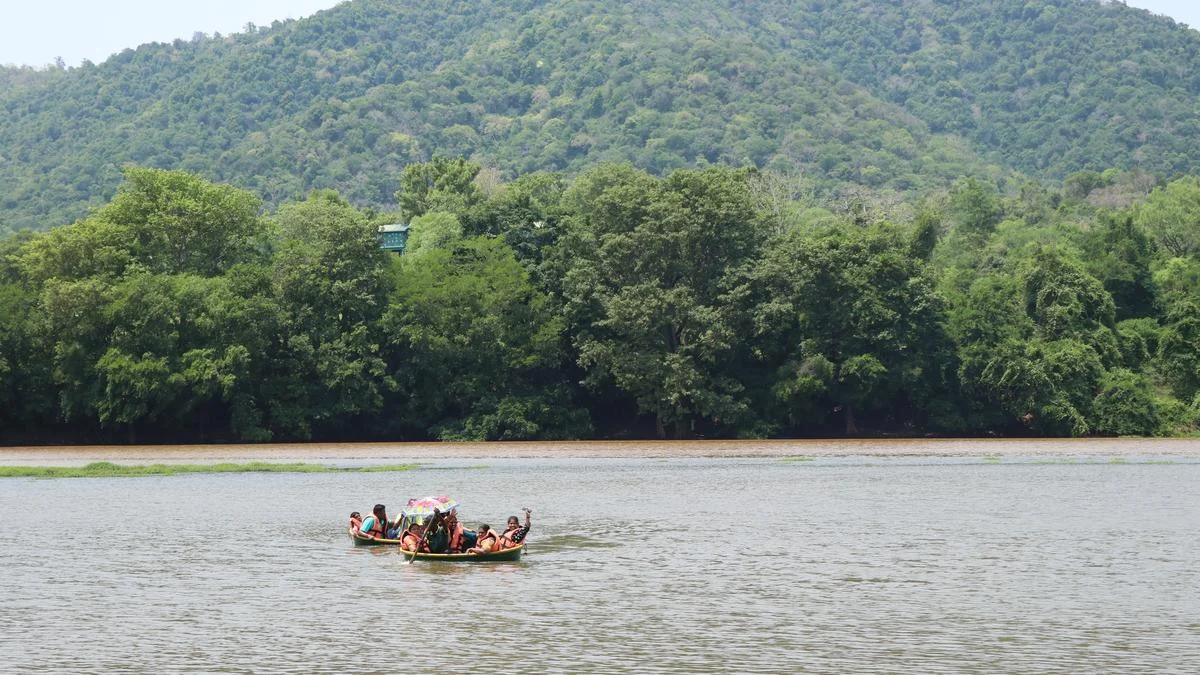
COIMBATORE, India – As the morning sun begins to burn through the misty canopy of the Karamadai Forest Range, the air transitions from the humid bustle of Coimbatore city to the crisp, oxygen-rich atmosphere of the Western Ghats. Located approximately 70 kilometers from the urban center, Baralikadu has emerged as more than just a weekend getaway; it is a flagship model for community-based conservation that has successfully harmonized tribal livelihoods with environmental stewardship.
The heart of this initiative beats along the banks of the River Bhavani, where the backwaters of the Pilloor Dam—a critical water lifeline for millions—provide a serene backdrop for an experiment in sustainable living that has been nearly two decades in the making.
Main Facts: A Symphony of Nature and Culture
Baralikadu Eco-Tourism is a collaborative venture between the Tamil Nadu Forest Department and the indigenous Irula tribal communities. Since its inception, the project has evolved from a fledgling experiment into a high-revenue conservation engine.

The core experience for visitors is designed to be immersive yet low-impact. Upon arrival, guests are greeted with sukku coffee—a traditional brew of dry ginger and jaggery—served under the sprawling branches of a massive banyan tree. The itinerary includes a 45-minute coracle ride across the shimmering Bhavani, a traditional tribal lunch prepared by local self-help groups, cultural performances, and a supervised dip in the river’s clean waters.
The project operates under strict ecological guidelines. To prevent "over-tourism," the Forest Department caps visitor numbers at 250 per day, primarily on weekends. Bookings are managed through an online portal to ensure transparency and regulated footfall. The revenue generated is not merely profit; it is reinvested into tribal welfare, anti-poaching operations, and the mitigation of human-animal conflicts in the region.
Chronology: From Necessity to Sustainability
The transformation of Baralikadu began in 2007. To understand its success, one must look at the historical context of the region. For generations, the Irula tribes lived in remote hamlets such as Poochamarathur, often cut off from the mainland by the river.

2007: The Visionary Spark
The project was the brainchild of I. Anwardeen, then a local forest official and currently the Principal Chief Conservator of Forests (Research and Education) in Chennai. The Forest Department initially invested a modest sum of approximately ₹2 lakhs. The goal was twofold: to provide the Irulas with an alternative source of income that did not rely on forest exploitation and to create a sense of ownership over the local ecosystem.
The Evolution of the Coracle
Historically, coracles (circular boats) were not a leisure activity; they were a lifeline. Crossing the Bhavani by coracle takes 10 minutes, whereas the alternative road journey covers 20 kilometers of rugged terrain. In the early days, these vessels were crafted from logs and coconut fronds, later evolving into bamboo structures. Today, in a nod to safety and durability, the project utilizes fiber coracles equipped with modern safety features and life jackets for every passenger.
2010–2020: Scaling the Model
Over the last decade, the initiative transitioned from a local secret to a nationally recognized model. The introduction of the Thamarai Self-Help Group allowed tribal women to take the lead in hospitality, while the formation of cultural troupes ensured that traditional music and dance were preserved and monetized.

Supporting Data: The Economics of Conservation
The success of Baralikadu can be quantified through its significant economic and social impact on the 20 tribal settlements in the Karamadai Range.
- Revenue Generation: Since 2007, the project has generated over ₹7.5 crores in total revenue.
- Livelihood Support: The initiative provides sustainable income for over 100 tribal families.
- Household Income: Many families involved in the project now earn between ₹25,000 and ₹30,000 per month, a stark contrast to the era of precarious daily labor.
- Infrastructure: The revenue has funded the electrification of remote settlements and provided agricultural support using water from the Pilloor Dam, which was previously inaccessible to these hamlets.
- Biodiversity Monitoring: The presence of trained tribal guides has led to better tracking of local wildlife, including the Red-vented bulbul, the Lesser golden-backed woodpecker, and frequent sightings of elephants and leopards.
The dietary component of the experience also supports local agriculture. The meals feature ragi kali (finger millet balls), spinach gravy made with foraged greens, and forest produce like kanthari (bird’s eye) chillies and wild sweet potatoes. By serving these traditional foods, the project creates a market for indigenous crops and foraging knowledge.
Official Responses: The Philosophy of "Partnership, Not Patronage"
Forest officials emphasize that the success of Baralikadu lies in the shift from a "policing" mindset to a "partnership" mindset.

Joseph Stalin, the Karamadai Forest Range Officer, highlights the necessity of the project’s economic foundations. "The idea was simple," Stalin explains. "If we wanted the forests to remain sustainable for future generations, we had to create alternative sources of income. By making the community the primary stakeholders, they became the forest’s most vigilant protectors."
I. Anwardeen, reflecting on the project’s origins, recalls the moment he realized the potential of the Irula community. "When we first came for inspection, the villagers ferried us across the river. The crossing was effortless, and the landscape was breathtaking. I saw women carrying babies rowing these coracles with remarkable ease. That expertise was a resource. We didn’t need to bring in outside experts; we just needed to become partners with the people who already knew the river."
The community voice echoes this sentiment. Thaiamma, a member of the Thamarai Self-Help Group, notes the social transformation. "Before 2007, there was hardly any income. We worked as daily laborers with no certainty. Now, we are entrepreneurs. We cook, we manage, and we confidently interact with tourists from all over the world."

Implications: A Template for the Future of Eco-Tourism
The Baralikadu model offers several critical lessons for the global conversation on eco-tourism and indigenous rights.
1. Cultural Preservation as a Product
One of the most profound implications of the project is the revitalization of tribal culture. As dusk settles, the cultural troupe performs using traditional instruments like the porai, thavilu, jalra, and pogal. These songs are oral histories of weddings, farming, and wildlife. By performing for tourists, the younger generation of Irulas sees value in their heritage, ensuring that these traditions do not fade into obscurity.
2. Responsible Tourism Standards
Baralikadu sets a high bar for environmental ethics. The prohibition of soap in the river, the strict monitoring of plastic waste, and the cap on visitor numbers demonstrate that profitability does not have to come at the cost of ecological integrity. This "low-volume, high-value" approach is increasingly seen as the only viable path for tourism in sensitive biospheres.

3. Human-Wildlife Coexistence
By funding anti-poaching camps and human-animal conflict mitigation through tourism revenue, the project has turned a potential flashpoint into a managed relationship. Tourists are educated on wildlife movement, which fosters a broader public understanding of the challenges faced by those living on the forest fringe.
4. Empowerment of Women
The Thamarai Self-Help Group has fundamentally altered the power dynamics within the tribal settlements. Women are now primary earners and decision-makers, managing large-scale catering and hospitality operations. This economic independence has led to better educational outcomes for their children and improved healthcare access for their families.
Conclusion: The Ripple Effect
As the sun dips behind the blue-tinged hills of the Western Ghats, the sounds of the porai drum echo across the Bhavani. For the Gen Z traveler seeking an escape from the digital grind, or the urban family looking to reconnect with nature, Baralikadu offers a rare, unvarnished experience.

However, its true value lies in the "ripple effect" it has created. It proves that conservation is not a zero-sum game where humans must be excluded for nature to thrive. Instead, when indigenous knowledge is respected and economically empowered, the community becomes the forest’s strongest shield.
Nearly twenty years after that first experimental coracle ride, Baralikadu stands as a testament to the fact that the best way to protect a landscape is to ensure that the people living within it have a reason to cherish it. As the Forest Department looks to replicate this model in other ranges, Baralikadu remains the gold standard for how to walk softly on the earth while lifting up those who call it home.
Travel Information:
- Location: Baralikadu, Karamadai Range (70km from Coimbatore).
- Booking: Online via coimbatorewilderness.com.
- Availability: Weekends (Saturday and Sunday); weekdays for groups of 50+.
- Highlights: Coracle rides, tribal lunch, cultural dance, and river bathing.
