

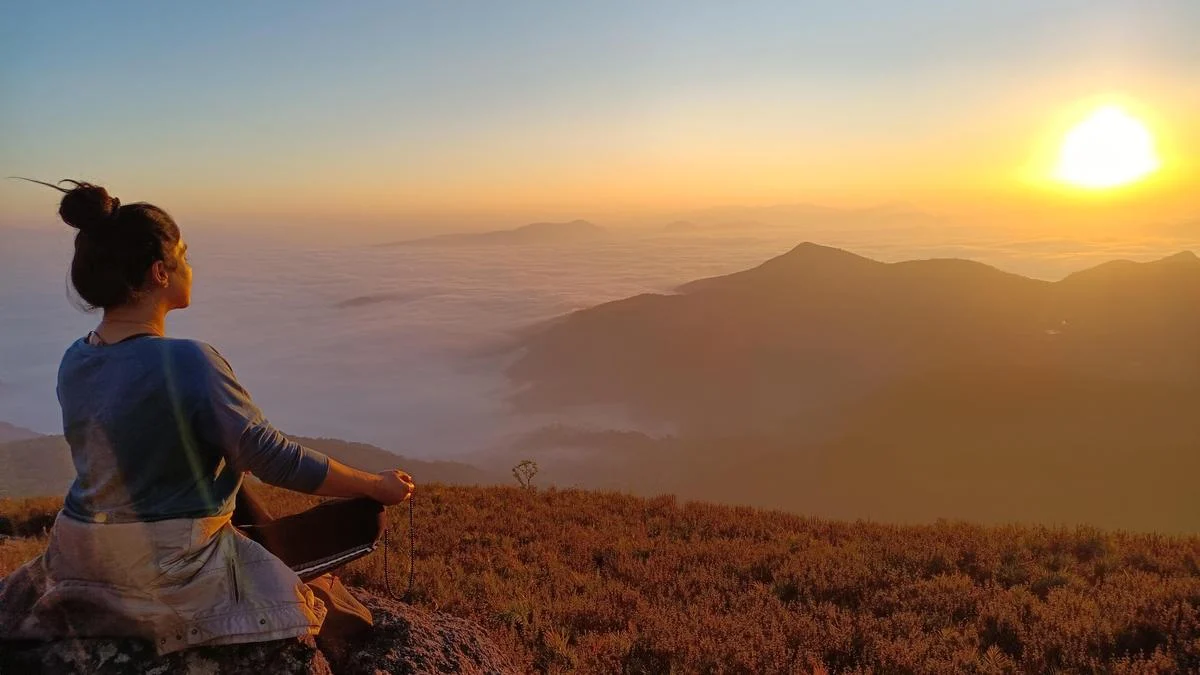
The Eastern Ghats do not merely welcome the monsoon; they undergo a profound metamorphosis. As the first seasonal showers sweep across the ridgelines of North Andhra Pradesh, the parched, tawny landscapes of summer are replaced by a drifting veil of mist and a symphony of awakening streams. For the trekking community, this transition marks the beginning of the most vibrant season of the year—a time when the ancient mountains shed their dormant character to reveal a world that is cooler, quieter, and pulsating with life.
In recent years, the hills of the Visakhapatnam and Alluri Sitharama Raju districts have seen a surge in "monsoon tourism," specifically guided trekking expeditions that cater to everyone from hardcore mountaineers to families seeking a weekend escape. Groups such as Eco Hikes and Hikoi Adventures are at the forefront of this movement, documenting a shift in how urban populations interact with the region’s rugged interior.
Main Facts: A Landscape Reimagined
The Eastern Ghats, often overshadowed by the more famous Western Ghats or the Himalayas, offer a unique ecological niche. During the monsoon, the higher elevations—typically those above 1,000 metres—provide a sanctuary from the humid heat of the plains.
The High-Altitude Advantage
According to experts, the monsoon experience in the Eastern Ghats is distinct because of the altitude-dependent weather patterns. While the foothills may experience heavy, torrential downpours that make outdoor activity difficult, the higher ridges, such as those at Arma Konda (Jindhagada Peak) and Galikonda, often exist within a different microclimate. At these heights, the weather is characterized by a "cool drizzle," passing cloud banks that obscure the trails, and refreshing, high-velocity winds.
Key Trekking Destinations
The region boasts several significant peaks and trails that become the focal point of monsoon activity:
- Arma Konda (Jindhagada Peak): Standing at 1,690 metres, it is the highest point in both Andhra Pradesh and the entire Eastern Ghats. It offers dramatic cloud movements and expansive views.
- Galikonda: Known for having one of the longest trekking routes (28 to 35 kilometres), it transforms into a rolling expanse of lush green grasslands.
- Endric Peak: Sitting above 4,500 feet, it is favored for overnight stays due to its dense forests and valleys filled with drifting clouds.
- Waterfall Circuits: For those seeking shorter excursions, the trails to Jalada, Tamkota, and Tarabu waterfalls offer 2-to-5-kilometre walks that are popular with families and beginners.
Chronology: From Summer Aridity to Monsoon Splendour
The trekking calendar in North Andhra Pradesh follows a strict seasonal rhythm, with the monsoon acting as the Great Reset for the local ecosystem.

The Pre-Monsoon Transition (March – June)
During the summer months, the Eastern Ghats are characterized by dry deciduous forests and yellowed grasslands. Trekking during this period is often a test of endurance against the heat. Water sources at higher elevations frequently dry up, limiting the length and complexity of expeditions.
The Onset of the Rains (July – September)
The arrival of the southwest monsoon triggers an immediate ecological response. Within days of the first heavy rains, dormant seeds germinate, and the "fishtail palms" that dot the higher ridges begin to stand out against the new green backdrop. This is when trekking groups launch their primary monsoon itineraries.
The Rise of Organized Trekking (2021 – Present)
While individual trekking has existed for decades, the period since 2021 has seen a professionalization of the activity. Hikoi Adventures and Eco Hikes have formalized routes, established safety protocols, and integrated local tribal knowledge into their programs. This "organized era" has made the mountains more accessible to the general public while emphasizing conservation.
Supporting Data: Altitudes, Distances, and Diversity
The appeal of the Eastern Ghats is backed by its impressive geographical and biological diversity. Unlike the dense, often impenetrable canopy of the Western Ghats, the higher reaches of the Eastern Ghats open into vast grasslands, providing a sense of scale and openness.
Elevation and Terrain Data
| Location | Elevation (Metres) | Primary Feature | Trek Grade |
|---|---|---|---|
| Arma Konda | 1,690 | Highest Peak | Moderate |
| Endric Peak | 1,370+ | Grasslands/Forest | Moderate |
| Galikonda | 1,300+ | Longest Trail (35km) | Moderate/Difficult |
| Heaven Valley | 1,200+ | Mist/Streams | Easy/Moderate |
| Madugula Cascades | 600 – 800 | Waterfalls | Easy |
Flora and Fauna Observations
The monsoon season is the primary window for observing the region’s unique flora. Trekkers frequently report sightings of the "fishtail palm" (Caryota urens) and various orchid species that bloom only during the rains. The grasslands above 1,300 metres provide a stark contrast to the Himalayan meadows, offering a subtropical alpine experience that is unique to the Indian peninsula.
Official Responses: Insights from the Trailblazers
Leaders in the local trekking community emphasize that while the mountains are beautiful, they require respect and professional navigation.

The Professional Perspective on Safety
Naveen Rongali of Eco Hikes highlights the necessity of guided exploration. "There is still no comprehensive network of officially marked trails in the Eastern Ghats," he notes. "Until that develops, beginners should always join guided treks. Reaching the summit is never more important than safety."
Rongali also points out the logistical advantages of the rainy season. The availability of water from natural springs along the higher sections of the trail allows groups to take longer, more ambitious routes that would be impossible in the winter or summer due to dehydration risks.
Community and Ecology
Vamsi Thenakani of Hikoi Adventures stresses the importance of the "human element" in these mountains. The treks often pass through the lands of indigenous communities, including the Bhagata, Valmiki, and Kondadora tribes.
"The monsoon coincides with the start of the farming season," Thenakani explains. "Trekkers get an opportunity to witness traditional farming practices and understand how people have lived in harmony with these mountains for generations." He also notes that Hikoi Adventures adheres strictly to "Leave No Trace" principles, ensuring that the increasing foot traffic does not degrade the very environment people come to see.
Implications: The Future of the Eastern Ghats
The growing popularity of monsoon trekking in North Andhra Pradesh brings with it both opportunities and significant challenges.
Ecological Red Flags
Regular visitors and trek leads have begun to notice worrying shifts in the environment. Vamsi Thenakani reports a noticeable decline in wild date plants, which were once abundant at the 4,000-foot mark. Furthermore, the unpredictability of rainfall—characterized by sudden, intense bursts followed by dry spells—has begun to alter the flowering and fruiting cycles of native plants. These observations suggest that the Eastern Ghats are not immune to the broader impacts of climate change.

The Need for Responsible Tourism
As the number of trekkers increases, the pressure on the local ecosystem grows. The lack of "officially marked trails" mentioned by Naveen Rongali leads to "trail braiding," where multiple paths are carved out, leading to soil erosion. There is an urgent need for the state tourism and forest departments to collaborate with experienced trekking groups to create sustainable, marked paths that protect the core biodiversity areas.
Safety and Preparedness
The "Implication" for the average trekker is a need for higher standards of preparation. The monsoon terrain is notoriously slippery, and "flash floods" in seasonal streams are a real danger. Trekking organizations are now calling for better weather monitoring systems and emergency evacuation protocols in these remote areas.
Socio-Economic Impact
On a positive note, the rise of trekking has provided an alternative source of income for tribal communities. By acting as guides, porters, and providing local hospitality, these communities are finding ways to monetize their deep ecological knowledge. This economic incentive is a powerful tool for conservation, as it aligns the interests of the local people with the preservation of the forest.
Conclusion: A Fragile Splendour
The monsoon trekking season in the Eastern Ghats is a window into a world of "drifting mist and countless shades of green." It offers a rare chance for urban dwellers to reconnect with nature in its most raw and revitalized state. However, the beauty of Arma Konda or the mists of Heaven Valley come with a responsibility.
As we look to the future, the survival of this "emerald awakening" depends on a delicate balance: the passion of the trekker, the expertise of the guide, and a collective commitment to protecting one of India’s most underrated ecological treasures. For those willing to walk wisely, the Eastern Ghats during the rains offer not just a hike, but a profound lesson in the resilience and beauty of the natural world.
Trekking Resources:
- Eco Hikes: Specializing in waterfall treks and high-altitude ridges. (Instagram: @ecohikes)
- Hikoi Adventures: Focused on summit expeditions and geological exploration. (Instagram: @_hikoi_adventures)
