

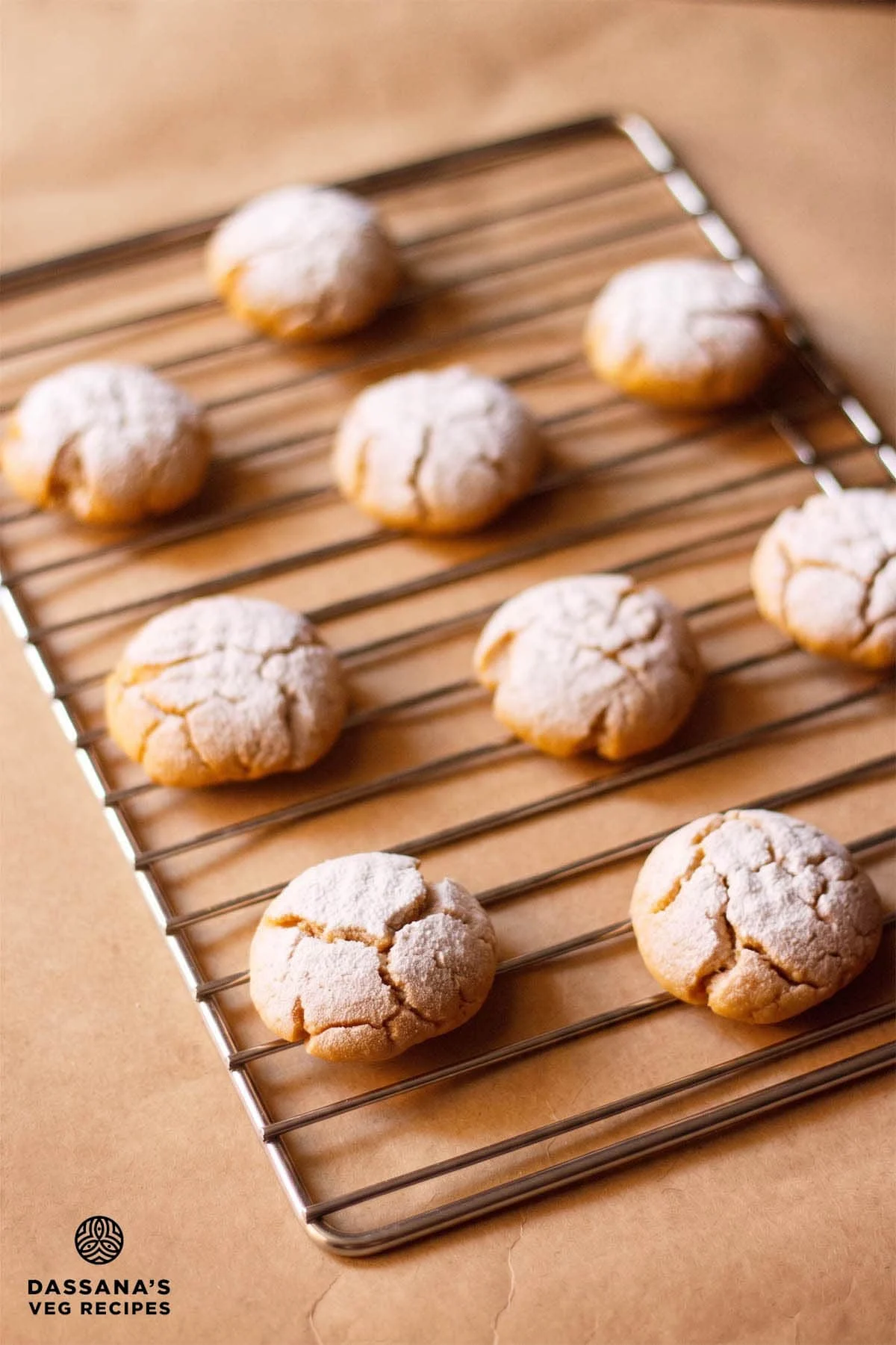
In the evolving landscape of modern culinary arts, a significant shift is occurring within the domestic kitchens of India and beyond. The traditional "biscuit"—often a processed, sugar-laden accompaniment to afternoon tea—is undergoing a sophisticated transformation. At the forefront of this movement is a recipe that synthesizes health-conscious choices with vibrant, seasonal flavors: the Whole Wheat and Gram Flour Orange Cookie. This vegan, eggless creation is more than just a snack; it represents a broader trend of "clean-label" home baking that prioritizes fresh ingredients over industrial additives.
Main Facts: A Synthesis of Health and Flavor
The Orange Cookie, often referred to in the Indian subcontinent as an "Orange Biscuit," is a soft-textured confectionery that breaks away from the traditional crumbly or snappy profile of commercial biscuits. Its development is rooted in the philosophy of utilizing easily accessible, unrefined ingredients to produce a gourmet result.

The primary differentiator of this recipe is its flour base. Unlike standard bakery cookies that rely on refined all-purpose flour (maida), this iteration utilizes a strategic blend of whole wheat flour and gram flour (besan). This combination provides a complex nutty undertone while significantly boosting the fiber and protein content. Furthermore, the recipe is strictly vegan, substituting traditional dairy butter with sunflower oil. This choice is not merely dietary; it is functional. The use of oil results in a lighter, more moist crumb that remains soft over several days, a feat often difficult to achieve with butter-based vegan alternatives.
The flavor profile is anchored by the dual use of citrus: fresh-pressed orange juice and meticulously grated orange zest. This ensures a multi-dimensional sensory experience where the juice provides the sweet-tart base and the zest provides the aromatic essential oils that define the cookie’s character.

Chronology: The Lifecycle of a Zesty Creation
The production of these orange biscuits follows a precise chronological sequence that ensures the structural integrity of the dough and the vibrancy of the citrus notes.
Phase I: Essence Extraction
The process begins with the preparation of the citrus components. Culinary experts emphasize that the foundation of the flavor lies in the zest. One medium orange is thoroughly rinsed and dried before the flavedo (the outermost colored layer) is grated. The timing is crucial here; zest begins to lose its volatile oils as soon as it is exposed to air, meaning it must be prepared immediately before being integrated into the dough. Following the zesting, the orange is juiced, blended, and strained to extract approximately one-third of a cup of pure liquid, free of seeds and bitter pith.

Phase II: Emulsification and Integration
The second phase involves the "wet-mix" stage. Sunflower oil, sugar, and the fresh orange juice are whisked together. In the absence of eggs, which usually act as emulsifiers, this vigorous whisking is essential to ensure the sugar is fully dissolved and the oil is evenly suspended in the juice. Once a uniform consistency is reached, the dry ingredients—whole wheat flour, baking powder, and baking soda—are sifted directly into the wet mixture. This sifting serves a dual purpose: removing lumps and aerating the flour to contribute to the cookie’s soft texture.
Phase III: The Final Assemblage
In the final stage of preparation, the gram flour and reserved zest are added. The dough is brought together gently. A critical chronological rule in this process is the "no-knead" policy. Over-working the dough at this stage would develop the gluten in the wheat flour, turning a soft cookie into a tough, bread-like disk. The dough is immediately divided into 12 to 14 portions, shaped, and placed into a preheated oven.

Phase IV: Thermal Transformation
Baking occurs at 200 degrees Celsius (392 degrees Fahrenheit) for a duration of 20 to 25 minutes. During this window, the cookies undergo the Maillard reaction, developing a golden-brown hue, while the leavening agents react with the acidic orange juice to create the characteristic "crinkled" or cracked tops.
Supporting Data: Nutritional and Technical Analysis
The nutritional profile of the Orange Biscuit offers a compelling argument for its status as a "better-for-you" snack. According to the provided data, a single serving (one cookie) contains approximately 177 calories.

| Nutrient | Amount per Serving |
|---|---|
| Carbohydrates | 22g |
| Protein | 3g |
| Total Fat | 9g |
| Fiber | 2g |
| Sugar | 9g |
| Vitamin C | 5mg |
| Iron | 1mg |
From a technical standpoint, the inclusion of gram flour (besan) is a masterstroke in moisture management. Gram flour is highly absorbent and helps retain the liquid from the orange juice, preventing the cookies from drying out during the high-heat baking process. Additionally, the 28mg of sodium is relatively low for a baked good, making it a viable option for those monitoring salt intake.
The reliance on sunflower oil provides a profile rich in monounsaturated fats (7g per serving) and Vitamin E (4mg), which is a significant departure from the saturated fats found in butter-based or palm-oil-based commercial biscuits.

Official Responses and Expert Insights
While there is no "official" regulatory body for home-baked cookies, lead recipe developers and culinary experts—most notably Dassana, the creator of this specific formulation—have provided extensive technical guidance to ensure the success of the recipe.
In her expert commentary, Dassana highlights several "make-or-break" factors for the recipe. She notes that the quality of the orange is the primary determinant of the final product. "Always use fresh orange juice and zest for the best flavor," she advises, cautioning against the use of the white pith which can introduce an unwanted bitterness.

Regarding the texture, the expert response addresses a common concern among beginner bakers: the difference between a cookie and a biscuit. While the Indian market often uses the terms interchangeably, this recipe is intentionally designed to be "soft and moist," rather than the "crisp and snappy" texture of a traditional British-style biscuit. Furthermore, the expert advice suggests that for those who prefer a more decadent, non-vegan version, melted butter can be substituted for oil, though it will alter the lightness of the crumb.
Dassana also provides a critical storage directive: because these cookies are moist and contain fresh fruit juice, they are more susceptible to humidity than dry, commercial crackers. They must be stored in airtight containers and, in tropical climates, refrigeration is recommended to maintain freshness beyond three days.

Implications: The Future of Domestic Baking
The popularity of the Orange Biscuit recipe has broader implications for the food industry and domestic consumption patterns.
1. The De-industrialization of the Snack
As consumers become more wary of preservatives, emulsifiers, and artificial flavorings found in "store-bought" biscuits, recipes like this empower the individual to take control of their food supply. The use of whole wheat and gram flour suggests a return to traditional grains, moving away from the dominance of refined white flour.

2. Seasonal and Sustainable Eating
By centering the recipe around fresh, seasonal oranges, it encourages a "farm-to-table" ethos even within the context of baking. This reduces the carbon footprint associated with artificial citrus flavorings and encourages the support of local citrus farmers during peak harvest seasons.
3. The Vegan Mainstream
The success of an eggless, dairy-free cookie that does not compromise on texture or taste indicates that vegan baking is no longer a "niche" requirement but a mainstream preference. The use of oil as a fat source proves that high-quality patisserie results can be achieved without animal products, making inclusive baking easier for households with varied dietary needs.

4. Culinary Education
The straightforward, "no-special-equipment" nature of this recipe serves as an entry point for culinary education. By teaching beginner bakers about the interaction between acids (orange juice) and bases (baking soda), and the importance of zest in flavor layering, it builds a foundation of kitchen literacy that can be applied to more complex culinary endeavors.
In conclusion, the Orange Biscuit is not merely a tea-time treat; it is a testament to the sophistication of modern home baking. It proves that with a few simple, wholesome ingredients and a clear understanding of technique, the domestic kitchen can produce results that rival the best artisanal bakeries—all while maintaining a commitment to health and sustainability. As this trend continues to grow, the "soft and sweet" orange cookie stands as a zesty symbol of a more mindful way of eating.
