

In the heart of Southeast Asia, Myanmar stands as a geographical and cultural bridge between the Indian subcontinent and the Orient. While its neighbors might view tea primarily as a beverage to be steeped and sipped, Myanmar treats tea as a fundamental pillar of its culinary and social identity. In this nation, you do not just drink your tea; you eat it. This unique gastronomic tradition, centered around the humble tea shop, is the focus of a new culinary expedition by the acclaimed restaurant chain Burma Burma.
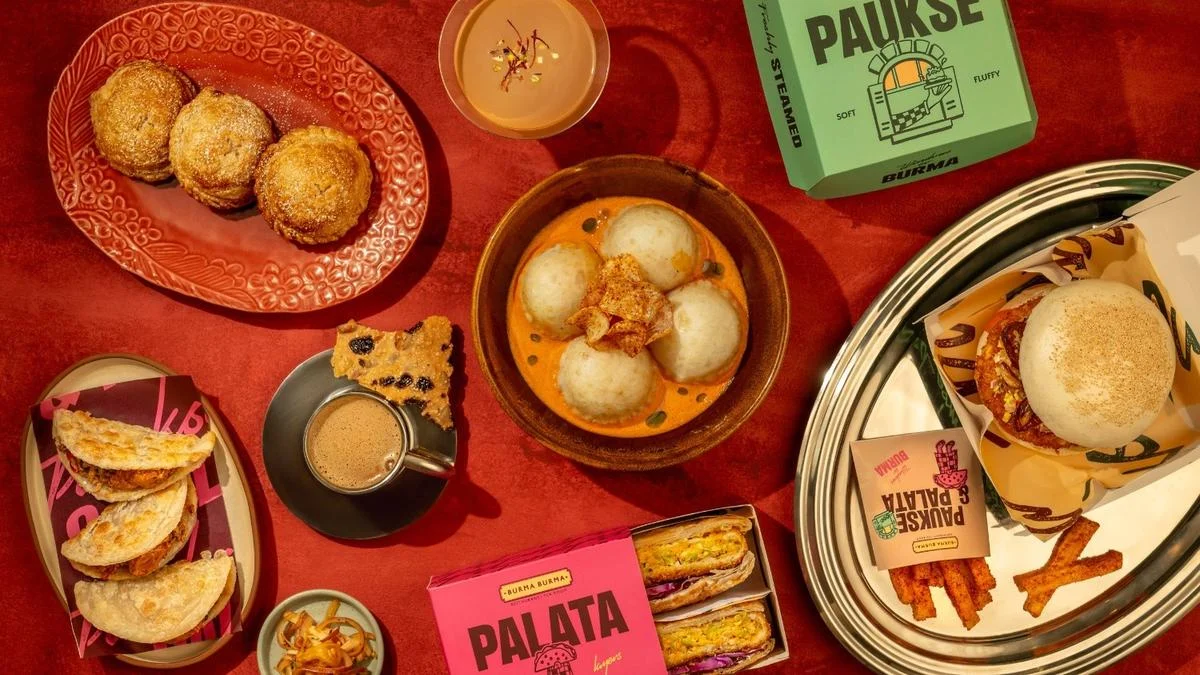
Through their limited-edition menu, "PaukSe & Palata: Windows to Burma," available until August 31 across major Indian metros, the brand is attempting more than just a seasonal promotion. It is a meticulous effort to translate the "parliament of the common people"—the Burmese tea shop—into a contemporary dining experience.
1. Main Facts: The Gastronomy of the Tea Leaf
The cornerstone of Burmese food culture is laphet, or fermented tea leaves. Unlike the delicate Darjeeling or the robust Assam familiar to Indian palates, laphet is treated as a vegetable. It is often tossed into vibrant salads (laphet thoke) featuring tomatoes, fried garlic, bird’s eye chilies, toasted sesame seeds, and crunchy peanuts. This duality—tea as food and tea as drink—defines the Burmese tea shop.

The "PaukSe & Palata" Menu
The current festival at Burma Burma focuses on two staples:
- PaukSe: Soft, steamed buns (similar to the Chinese bao) stuffed with a variety of savory and sweet fillings.
- Palata: A Burmese evolution of the South Indian parotta, these are flaky, layered flatbreads served with curries or used as wraps.
The menu is currently being served in Mumbai, Delhi NCR, Bengaluru, Chandigarh, Ahmedabad, Kolkata, and Hyderabad. It features a curated selection of three PaukSe variants, four Palata preparations, a suite of desserts, and specialized beverages including Burmese pulled teas and artisanal house-made sodas.
2. Chronology: From the Streets of Yangon to the Indian Table
The journey of this menu did not begin in a test kitchen, but rather through years of field research in the streets of Yangon, Mandalay, and the Shan State.

The Research Phase (2014–2023)
Co-founder Ankit Gupta, whose maternal family has deep roots in Myanmar, spent nearly a decade bridging the gap between his heritage and the Indian market. The restaurant’s inception required three to four years of initial research just to secure a stable supply chain for authentic ingredients like fermented tea leaves and Balachaung (spicy condiment).
The "Flipping" Pilgrimage
Before the launch of the current menu, Chef Ansab Khan (Head Chef and Director of Culinary Operations) and his team undertook a specialized three-day intensive course in Myanmar dedicated solely to the art of "palata flipping" and tea pulling. This immersion was necessary to master the physics of the Burmese Palata, which differs from its Indian ancestor in its lightness and specific layering technique.
The Monsoon Launch (August 2024)
The decision to launch "Windows to Burma" in August was strategic. In Myanmar, tea shops serve as sanctuaries during the heavy monsoon rains. The menu was designed to reflect the shifting nature of these shops throughout the day: from the heavy, comforting noodles of breakfast to the lighter, fried snacks of the afternoon.

3. Supporting Data: The Socio-Economic Fabric of the Tea Shop
To understand the menu, one must understand the data of Burmese social life. In Myanmar, the restaurant culture, as defined by formal sit-down establishments, is relatively sparse. Instead, the social life of the nation—spanning all economic classes—revolves around the tea shop.
The "Parliament" Concept
The Myanmar Tea Association famously describes these establishments as the "parliament of the common people." Unlike high-end cafes, these are democratic spaces where:
- Demographics: A retired teacher, a Buddhist monk, a university student, and a street hawker may share the same long table.
- Utility: They serve as informal offices for business deals, venues for romantic rendezvous, and community centers for watching televised football matches.
- Frequency of Consumption: While the West adheres to a three-meal structure, Burmese culture often embraces a "16 meals a day" philosophy. Food is consumed in small, frequent portions throughout the day, making the tea shop a permanent fixture of daily life regardless of the hour.
The Transnational Evolution of the Palata
Data from culinary historians suggests that the Burmese palata is a direct descendant of the South Indian parotta. Brought over by the Indian diaspora and traders during the British colonial era, the bread was adapted to local tastes. The Burmese version is typically lighter, more multi-layered, and carries a subtle sweetness, often served with a sprinkle of sugar or a side of vatana (yellow pea) curry.

4. Official Responses: Insights from the Founders
The leadership at Burma Burma emphasizes that their goal is cultural preservation through modern interpretation.
Ankit Gupta, Co-founder, on Authenticity:
"To open a restaurant of this nature, we require around 50 to 60 dishes across different categories. It took us multiple visits to Burma to get the supply chain sorted. My mother was born and raised there, so there is a personal responsibility to represent the flavors correctly. A lot of the ingredients you see at Burma Burma are imported directly to maintain that integrity."
Chef Ansab Khan on Culinary Technique:
"Palata is made from ordinary maida flour, yet its preparation is anything but ordinary. The dough is stretched and folded until it can be inflated into a huge balloon, trapping air between the layers. The result is a bread that shatters and flakes when torn. We spent time learning the specific ‘flipping’ techniques that give it that unique texture, which is quite different from the Indian paratha."

On the Art of the "Pulled Tea":
Gupta explains that Burmese tea is a complex blend. "They mix three different types of tea together: a standard black tea and a roasted black tea, finished with a pinch of salt and condensed milk. The pulling process isn’t just for show; it aerates the tea and creates a specific mouthfeel that is very unique to the region."
5. Implications: Resilience, Vegetarianism, and Cultural Diplomacy
The "Windows to Burma" initiative carries implications that extend beyond the plate, touching on the resilience of a nation often overshadowed by political turmoil.
A Study in Resilience
By focusing on the tea shop, Burma Burma highlights the "everyday world" of Myanmar. Even during years of internal conflict and isolation, the tea shops have remained open. They are symbols of continuity and resilience, proving that the communal act of sharing tea and bread is a fundamental human need that persists despite political instability.

The Vegetarian Adaptation
One of the most significant implications of Burma Burma’s success in India is its strictly vegetarian format. While Myanmar is predominantly a non-vegetarian society, it possesses a deep repertoire of vegetable-forward cooking rooted in Buddhist traditions. During the Buddhist Lent, many Burmese citizens abstain from meat.
The "PaukSe & Palata" menu utilizes this tradition to create authentic experiences without meat. For instance, the OG Burmese Taco uses a "keema" palata made with spicy minced mock meat and chili garlic butter. This demonstrates how traditional cuisines can be adapted for global dietary trends (like veganism and vegetarianism) without losing their cultural soul.
Culinary Diplomacy
As Myanmar remains a difficult destination for many international travelers due to current events, menus like this act as a form of "gastro-diplomacy." They provide a window into a culture that is often misunderstood or ignored, allowing the "common people’s" traditions to travel where they currently cannot.

6. Practical Information and Menu Highlights
For those looking to experience this cultural transposition, the menu offers several standout items that encapsulate the Burmese tea shop spirit:
- The Cold Teas: Notable for their complexity, such as the Sea Salt Honeycomb (finished with lemon mousse) and the Jasmine Rice and Brown Sugar tea (layered with soft cheese foam).
- The Pistachio and Saffron Pulled Tea: A hot, thick, milky beverage anointed with star anise and fennel, providing an earthy, rich flavor profile.
- Khow Suey Pairing: The signature coconut-milk noodle dish, traditionally a breakfast staple, is paired with these artisanal teas to recreate a full morning meal.
Logistics:
- Locations: Stephen Court, Park Street (Kolkata) and other national outlets.
- Availability: Lunch and Dinner until August 31.
- Pricing: PaukSe and Palata items are priced at approximately ₹450 each. Beverages range from ₹320–₹380, and desserts are ₹400.
- Average Cost for Two: ₹1,800 plus taxes.
In conclusion, "PaukSe & Palata: Windows to Burma" is more than a seasonal menu; it is a sophisticated culinary narrative. It successfully bridges the gap between the chaotic, vibrant street corners of Yangon and the refined dining spaces of urban India, proving that the most profound way to understand a country is, indeed, through its everyday rituals.
