

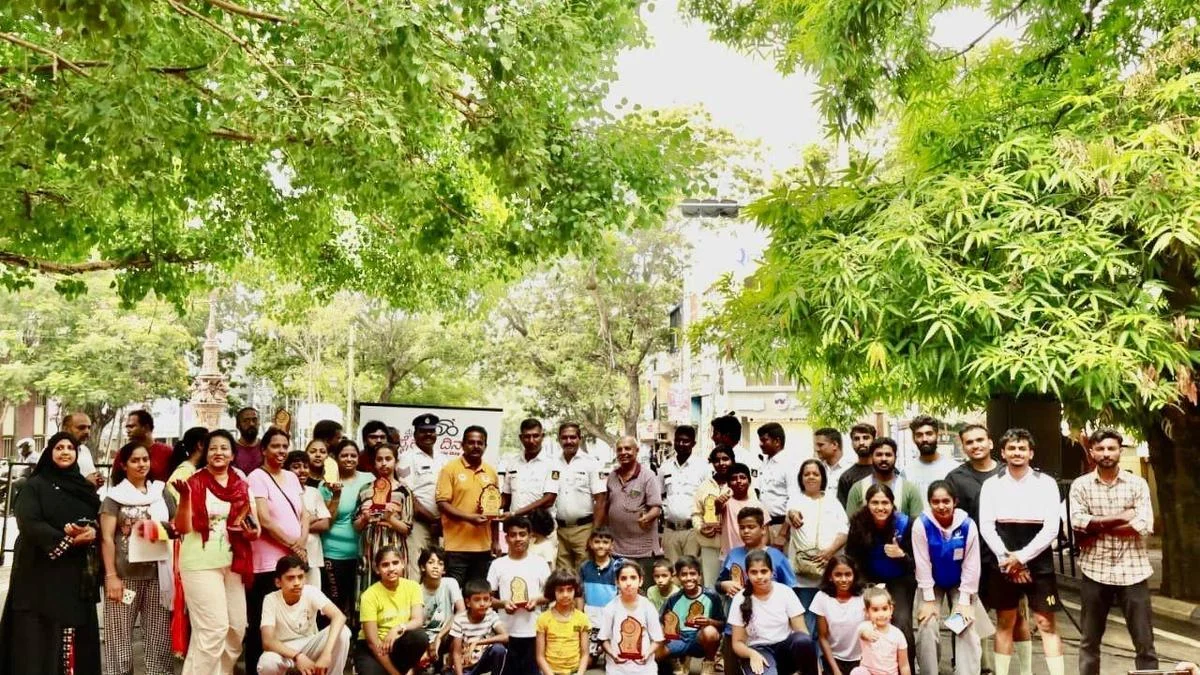
Mysuru, India – May 11, 2026 – The vibrant city of Mysuru reaffirmed its commitment to environmental stewardship and public well-being on Monday with the resounding success of its fourth annual "Mysuru Cycle Day." The event, a dynamic initiative spearheaded by the Mysuru City Corporation (MCC), transformed the Saraswathipuram area into a hub of sustainable activity, drawing hundreds of enthusiastic participants and underscoring the growing momentum behind eco-friendly urban living.
A Pedal Towards a Cleaner Future: Event Highlights and Objectives
Mysuru Cycle Day is more than just a recreational gathering; it is a carefully orchestrated campaign designed to foster a paradigm shift in urban mobility and environmental consciousness. The event’s core objective is to champion sustainable transportation alternatives, reduce vehicular emissions, and promote a healthier, more active lifestyle among its citizens. By temporarily reclaiming city streets for non-motorized use, organizers aim to demonstrate the potential for roads to serve as vibrant public spaces, fostering community engagement and a deeper connection with the urban environment.
This year’s edition, held on a sun-drenched Monday, saw an impressive turnout. The focal point of the day was an exhilarating five-kilometer cycle rally that snaked through the Saraswathipuram neighborhood. This rally attracted a diverse crowd, ranging from seasoned cycling enthusiasts and energetic students to families and concerned residents, all united by a shared vision of a cleaner and greener Mysuru.
Beyond the adrenaline-pumping cycle rally, Mysuru Cycle Day embraced the concept of "Open Streets." This innovative approach saw sections of the road transformed into dynamic public plazas, alive with a variety of activities. Traditional games were organized, encouraging intergenerational interaction and a return to simpler forms of recreation. These "Open Street" zones served as powerful visual metaphors, illustrating how urban infrastructure can be reimagined to prioritize people over vehicles, thereby enhancing the quality of life for all residents.
The event was meticulously planned and executed with the invaluable support of several key stakeholders. The Mysuru City Police and Traffic Police played a crucial role in ensuring the safety and smooth flow of the rally and the "Open Streets" activities. The National Cadet Corps (NCC) cadets contributed significantly to the logistical organization and volunteer efforts. Furthermore, a strong collaboration with educational institutions and various government departments lent considerable weight and reach to the initiative, amplifying its message and impact.
A Collaborative Endeavor: Partnerships for Sustainable Urban Mobility
The success of Mysuru Cycle Day is a testament to the power of collaborative action. The Mysuru City Corporation (MCC) served as the primary organizing body, demonstrating strong civic leadership in championing sustainable urban development. The corporation’s commitment to this cause is evident in its consistent support for the annual event.
Crucially, this year’s Cycle Day was organized in close partnership with the German Agency for International Cooperation (GIZ) and the Environmental and Social Action Foundation (ESAF). These collaborations are integral to the broader "Sustainable Urban Mobility-Air Quality" initiative, a multi-faceted program aimed at addressing the interconnected challenges of urban transportation and air pollution. GIZ, with its extensive expertise in international development and sustainable practices, provides technical guidance and support, while ESAF contributes its on-the-ground knowledge and community outreach capabilities. This synergistic partnership ensures that Mysuru Cycle Day is not an isolated event but a vital component of a comprehensive strategy for achieving cleaner air and more sustainable urban environments.
The organizers explicitly acknowledged the critical contributions of volunteers, partner organizations, and the enthusiastic participation of the public. Their collective efforts were instrumental in transforming the vision of Mysuru Cycle Day into a tangible and impactful reality.
From Past to Present: The Evolution of Mysuru Cycle Day
The journey of Mysuru Cycle Day began four years ago, born from a nascent awareness of the pressing need for sustainable alternatives in a rapidly urbanizing landscape. The initial editions laid the groundwork, experimenting with different formats and engaging local communities. Each subsequent year has witnessed a growing awareness and a more robust participation, solidifying its position as a significant fixture in the city’s calendar.
Year 1: The inaugural Mysuru Cycle Day was a more modest affair, focused primarily on a localized cycle rally and raising initial awareness about the benefits of cycling. It served as a foundational step, introducing the concept to the public and garnering initial support from cycling groups and environmentally conscious citizens.
Year 2: Building on the momentum of the first year, the scope of Mysuru Cycle Day expanded. The inclusion of some "Open Street" elements and a wider range of participating organizations marked a significant step forward. The event began to articulate a clearer vision of transforming public spaces and promoting healthier lifestyles.
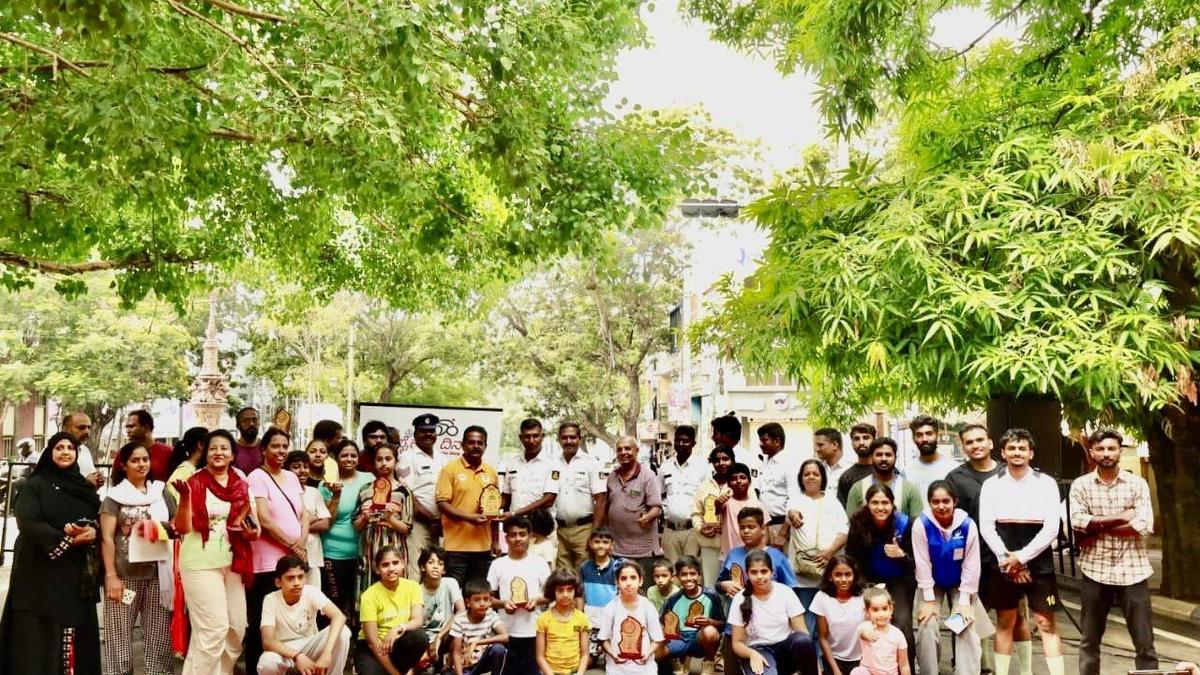
Year 3: The third edition saw a more organized and widespread engagement. Partnerships with educational institutions became more formalized, with schools actively encouraging student participation. The message of pollution-free urban living started to resonate more deeply within the community, and the event began to attract media attention, further amplifying its reach.
Year 4 (Present Edition): The current edition represents a maturation of the concept. The collaboration with GIZ and ESAF under the Sustainable Urban Mobility-Air Quality initiative has injected a more strategic and data-driven approach. The "Open Street" concept has been more comprehensively implemented, showcasing a clear vision of people-centric urban planning. The event has demonstrably evolved from a simple awareness campaign to a powerful platform for promoting tangible behavioral change and advocating for policy integration.
Supporting Data and the Urgency for Action
The impetus behind initiatives like Mysuru Cycle Day is deeply rooted in the growing body of evidence highlighting the detrimental effects of unchecked urban pollution and sedentary lifestyles. While specific data for Mysuru in the context of this event’s impact are still being collected and analyzed, broader trends provide a stark backdrop:
- Air Quality Concerns: According to the World Health Organization (WHO), air pollution is a major environmental risk to health, with an estimated 7 million deaths worldwide every year from exposure to fine particles in contaminated air. Urban areas, with their high concentration of vehicles and industrial activity, are particularly vulnerable. Mysuru, like many Indian cities, faces challenges in maintaining optimal air quality, especially during peak traffic hours. Promoting cycling directly contributes to reducing tailpipe emissions, a significant source of particulate matter and other harmful pollutants.
- Public Health Crisis: The increasing prevalence of non-communicable diseases such as obesity, diabetes, and cardiovascular conditions is directly linked to sedentary lifestyles and lack of physical activity. The WHO recommends at least 150 minutes of moderate-intensity aerobic physical activity per week for adults. Cycling offers an accessible and enjoyable way to meet these recommendations, improving cardiovascular health, strengthening muscles, and boosting mental well-being.
- Urban Congestion: Growing urban populations invariably lead to increased vehicular traffic, resulting in crippling congestion, longer commute times, and significant economic losses due to lost productivity and increased fuel consumption. Shifting even a small percentage of daily commutes to cycling can alleviate pressure on road networks, reduce travel times for all, and create a more fluid urban environment.
- Economic Benefits of Sustainable Mobility: Investments in cycling infrastructure, such as dedicated lanes and bike-sharing programs, can create jobs, boost local economies, and reduce healthcare costs associated with pollution-related illnesses. Furthermore, the economic burden of traffic congestion can be significantly mitigated by promoting alternative transportation modes.
The "Sustainable Urban Mobility-Air Quality" initiative, of which Mysuru Cycle Day is a part, aims to generate localized data to inform policy decisions and measure the impact of interventions. This includes monitoring air quality levels before and after such events, tracking changes in cycling adoption rates, and assessing public perception of sustainable transportation options.
Official Responses and Future Aspirations
The Mysuru City Corporation (MCC) has consistently voiced its strong commitment to fostering a sustainable and healthy urban environment. Speaking on the occasion, a senior official from the MCC expressed his satisfaction with the overwhelming public response to the fourth Mysuru Cycle Day.
"This event is a powerful testament to the collective will of Mysuru’s citizens to embrace a cleaner, healthier future," the official stated. "We are incredibly encouraged by the growing enthusiasm for cycling and the active participation in our ‘Open Streets’ initiatives. Our goal is to make Mysuru a model city for sustainable urban mobility, and Mysuru Cycle Day is a crucial step in that direction."
He further emphasized the corporation’s dedication to integrating the lessons learned from these events into long-term urban planning. "We are actively exploring ways to expand cycling infrastructure, improve road safety for cyclists, and create more pedestrian-friendly zones throughout the city," he added. "The feedback and energy generated by Mysuru Cycle Day will undoubtedly inform our policy decisions and accelerate our efforts to create a more livable and sustainable Mysuru for generations to come."
Representatives from GIZ and ESAF also conveyed their optimism about the event’s impact. They highlighted the importance of sustained efforts and community engagement in driving lasting change. The collaborative framework, they believe, will enable Mysuru to become a leader in implementing innovative solutions for urban mobility and air quality management.
Broader Implications: A Blueprint for Urban Transformation
The success of Mysuru Cycle Day extends beyond the immediate benefits of a single event. It serves as a compelling case study and a potential blueprint for other urban centers grappling with similar challenges. The event’s key takeaways and broader implications include:
- Empowering Citizens: Mysuru Cycle Day demonstrates the power of grassroots movements and community participation in driving positive change. By providing a platform for citizens to actively engage with sustainable solutions, it fosters a sense of ownership and responsibility.
- Reimagining Public Spaces: The "Open Streets" concept challenges the conventional notion of roads as solely conduits for vehicles. It highlights the potential for transforming them into vibrant, multi-functional public spaces that promote social interaction, recreation, and community building.
- Policy Integration: The strong collaboration between the MCC, GIZ, and ESAF underscores the importance of integrating sustainable mobility initiatives into broader urban development policies. This ensures that such events are not isolated occurrences but part of a long-term strategic vision.
- Health and Environmental Co-benefits: The event effectively communicates the interconnectedness of public health and environmental quality. By promoting cycling, it simultaneously addresses issues of air pollution, sedentary lifestyles, and urban congestion, delivering multiple co-benefits.
- Economic Opportunities: The growing focus on sustainable mobility can unlock new economic opportunities in sectors such as cycling manufacturing and repair, bike-sharing services, and the development of eco-tourism.
As Mysuru continues its journey towards a more sustainable and healthier future, the ripples of this fourth Mysuru Cycle Day are likely to inspire further action, encouraging more citizens to embrace the pedal-powered revolution and contribute to the creation of a truly livable and environmentally conscious city. The event stands as a vibrant reminder that positive change can be initiated with a simple, yet powerful, act: cycling towards a better tomorrow.
