

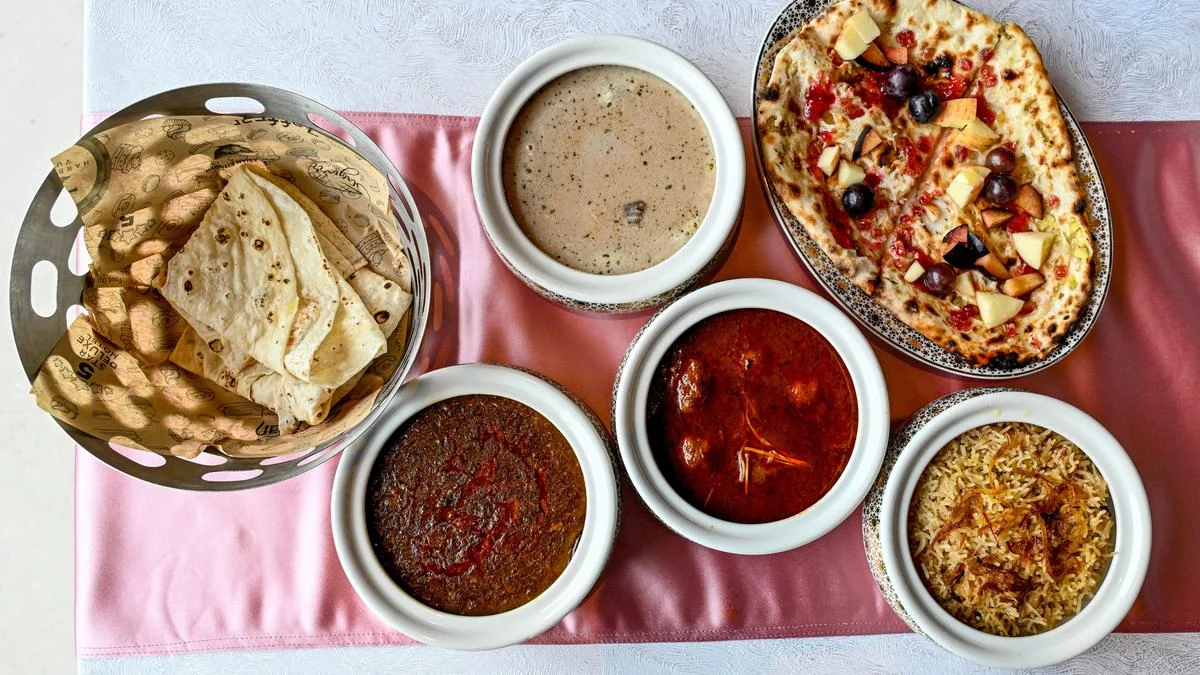
VISAKHAPATNAM – In an ambitious effort to bridge the geographical and cultural distance between the snow-capped peaks of the Himalayas and the sun-drenched shores of the Bay of Bengal, Novotel Visakhapatnam Varun Beach has unveiled its latest gastronomic extravaganza: Dawat-E-Wazwan. Hosted at the hotel’s signature fine-dining outlet, Zaffran, the festival is a curated exploration of Kashmiri cuisine, a tradition often misunderstood as merely "spicy" but revealed here as a sophisticated symphony of aromatics and slow-cooked precision.
Under the expert guidance of guest chefs Rehman and Abdul, the festival seeks to transport diners to the heart of the Kashmir Valley. Through a meticulously crafted menu, the event showcases the legendary Wazwan—a multi-course meal that is considered the pinnacle of Kashmiri hospitality and a symbol of the region’s rich, syncretic heritage.
Main Facts: Defining the Kashmiri Culinary Identity
The Dawat-E-Wazwan festival, which concludes on June 28, is not merely a buffet but a guided narrative of flavor. The core philosophy of the festival, as articulated by the visiting chefs, rests on the distinction between "heat" and "aroma." Unlike the fiery preparations often found in other North Indian regional cuisines, Kashmiri food relies on a delicate balance of spices that soothe the palate while stimulating the senses.
The menu at Zaffran is a testament to this balance. It features a robust selection of both vegetarian and non-vegetarian delicacies, ensuring that the diversity of the Valley’s pantry is represented. Key highlights include the iconic Rista (pounded mutton meatballs), Nadur Yakhni (lotus stem in yogurt gravy), and the fragrant Kong Phirni (saffron-infused rice pudding).
Strategically located overlooking the ocean, Zaffran provides a stark but beautiful contrast to the mountain-born cuisine it currently serves. The festival is priced at approximately ₹3,000 to ₹3,500 for two, positioning it as a premium cultural experience for the city’s burgeoning community of gourmands and travelers.
Chronology: The Evolution of the Wazwan Tradition
To understand the significance of the dishes served at Novotel, one must look back at the centuries-long evolution of the Wazwan.
The 14th Century Roots
The origins of the Wazwan can be traced back to the 14th century during the reign of Timur, the Turco-Mongol conqueror. It is believed that when Timur invaded India, he brought with him skilled artisans, weavers, and, most importantly, cooks from Samarkand. These cooks—known as Wazas—settled in the Kashmir Valley, blending Central Asian culinary techniques with the local ingredients found in the temperate climate of Kashmir.
The Development of the 36-Course Feast
Over the centuries, under the patronage of various Kashmiri rulers and the Mughal Empire, the Wazwan evolved into a highly ritualistic 36-course meal. The preparation became an art form passed down through generations of Wazas. The "Vasta Waza," or master chef, supervises the entire process, which traditionally takes place over a wood-fired hearth (Dan).

Modern Context and Global Outreach
In the 21st century, the Wazwan has moved beyond the traditional weddings and festivals of Srinagar to the international stage. Luxury hospitality brands like Novotel have played a crucial role in this transition. By inviting traditional chefs like Rehman and Abdul to cities like Visakhapatnam, the industry ensures that these labor-intensive techniques are preserved and shared with a global audience, maintaining the authenticity of the "slow food" movement long before it became a modern trend.
Supporting Data: The Science and Craft of Kashmiri Flavors
The success of Kashmiri cuisine lies in its unique ingredient profile and the physical labor involved in its preparation. At the Dawat-E-Wazwan festival, several technical aspects of the cooking process stand out:
The Importance of Hand-Pounding
The Rista served at the festival is a prime example of traditional technique. Unlike modern processed meats, the mutton for Rista and Gushtaba must be hand-pounded on a stone slab using wooden mallets. This process breaks down the muscle fibers into a smooth, paste-like consistency while retaining the fat, resulting in a texture that is simultaneously firm and melt-in-the-mouth. This labor-intensive method is what gives the meatballs their signature "springy" bite.
The Aromatic Quartet
The festival’s menu avoids the heavy use of garlic and onion common in other Indian styles. Instead, it relies on a specific "quartet" of flavorings:
- Fennel Powder (Saunf): Provides a cooling, sweet undertone.
- Dry Ginger (Sonth): Adds a subtle, warming pungency without the harshness of fresh ginger.
- Saffron (Kesar): Sourced from the fields of Pampore, it provides the golden hue and floral aroma found in the Kong Phirni.
- Kashmiri Red Chilli: Used primarily for its vibrant crimson color rather than its capsaicin content, ensuring the dishes are visually striking but mild on the tongue.
The Role of Dairy
Yogurt (curd) acts as the primary thickening agent in many dishes, such as the Nadur Yakhni. The use of yogurt provides a tangy creaminess that differentiates Kashmiri gravies from the nut-and-cream-heavy gravies of Mughlai cuisine.
Official Responses: Insights from the Culinary Experts
Chef Rehman, the lead curator of the festival, emphasizes that the hallmark of a true Waza is patience. "Wazwan is about patience and balance," he stated during the festival’s opening. "We don’t rely on heavy spices; instead, the flavors come from slow cooking and the quality of ingredients. If you rush a Rista or overheat the saffron, the soul of the dish is lost."
The management at Novotel Visakhapatnam Varun Beach noted that the decision to host a Kashmiri festival was driven by a desire to diversify the city’s culinary landscape. "Visakhapatnam is a city with a growing appetite for authentic experiences," a spokesperson for the hotel commented. "By bringing Chef Rehman and his team here, we are not just serving food; we are facilitating a cultural exchange. Our guests are looking for something beyond the standard restaurant fare—they want a story on their plate."
Critics and early diners have largely praised the authenticity of the offerings. While some noted that certain dishes, like the Badami kukar tikka, could benefit from bolder flavor profiles, the consensus remains that the festival successfully captures the "gentle" nature of the Valley’s food. The Kashish paya shorba (mutton trotter broth), in particular, was highlighted as a masterclass in extracting deep flavor from simple ingredients without the need for heavy oil or grease.

Implications: Tourism, Culture, and the Future of Regional Cuisine
The Dawat-E-Wazwan festival at Novotel carries implications that extend beyond the dining room of Zaffran.
Culinary Diplomacy
Such festivals serve as a form of "culinary diplomacy," humanizing a region that is often viewed through the narrow lens of political news. By showcasing the beauty and complexity of Kashmiri traditions, the festival fosters a sense of national integration and appreciation for the diverse heritage of India.
The Rise of Niche Food Tourism in Visakhapatnam
Visakhapatnam’s transformation into a "smart city" and a hub for the Indian Navy and IT sectors has created a sophisticated demographic of residents and travelers. The success of a niche festival like Dawat-E-Wazwan indicates that the city is ready to move beyond "multi-cuisine" buffets toward specialized, high-concept dining. This trend is likely to encourage more luxury hotels to bring in regional specialists, turning Vizag into a destination for food tourists.
Preservation of Traditional Techniques
As industrial food processing becomes the norm, the demand for hand-pounded meat and slow-cooked broths in five-star settings provides a vital economic lifeline for traditional craftsmen. The festival ensures that the skills of the Waza remain relevant in a modern economy, incentivizing the next generation of chefs to learn these time-honored methods.
In conclusion, the Dawat-E-Wazwan at Novotel Visakhapatnam Varun Beach is more than a seasonal promotion. It is a sensory bridge to the North, a tribute to the slow-cooking traditions of the past, and a clear indicator of the evolving palate of the modern Indian diner. As the aroma of saffron and fennel wafts over the Vizag coastline, it serves as a reminder that the best way to understand a culture is, quite often, through its kitchen.
Event Details:
- Festival: Dawat-E-Wazwan
- Venue: Zaffran, Novotel Visakhapatnam Varun Beach
- Date: Running through June 28
- Availability: Lunch and Dinner
- Cost for Two: ₹3,000–₹3,500 (plus taxes)
