

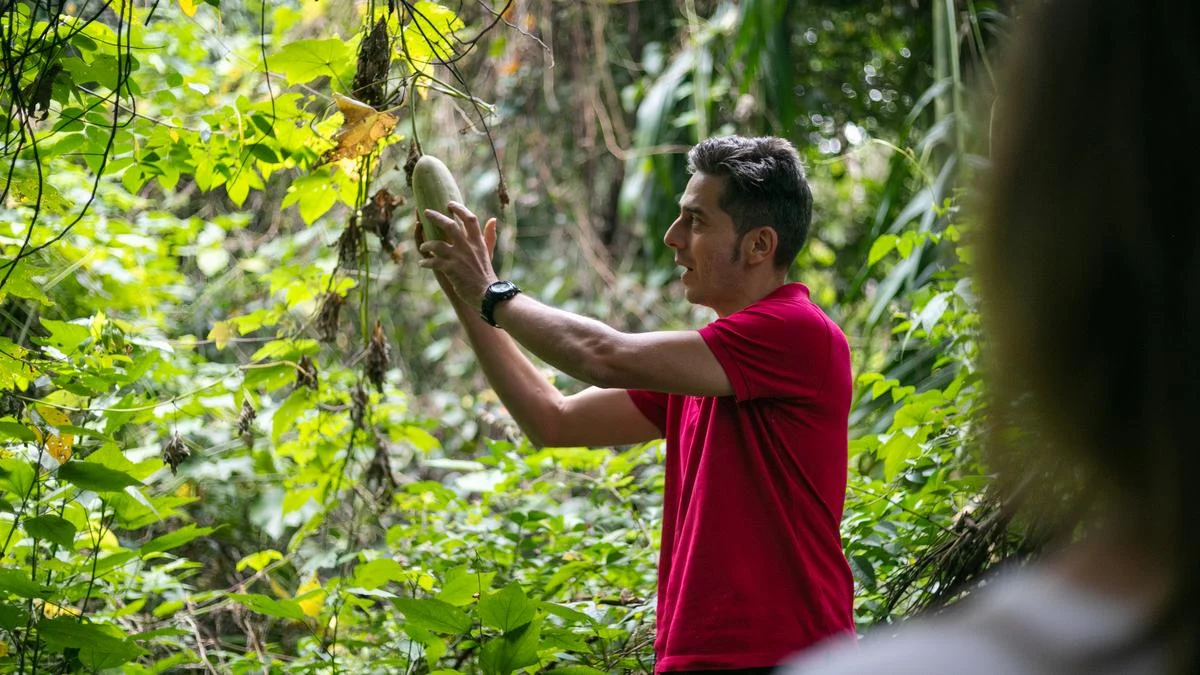
In the sweltering heat of the Goan summer, as the laterite soil turns a deep rust-red and the humidity hangs heavy over the Western Ghats, a transformation occurs within the coastal state’s social and culinary fabric. For a fleeting window between March and May, the commercial lure of premium spirits and craft gins recedes, replaced by a singular, seasonal obsession: urrak.
A cloudy, nectar-like distillate derived from the first pressing of fermented cashew apples, urrak is more than a beverage; it is a temporal marker of Goan identity. It represents the "first distill," a potent but smooth precursor to the more famous, double-distilled Feni. While Feni is built for longevity and export, urrak is a creature of the moment—highly perishable, intensely aromatic, and traditionally shared through a network of local barters and village-level expertise.

Main Facts: The Anatomy of a Seasonal Phenomenon
Urrak is the lifeblood of the Goan hinterland during the pre-monsoon months. Unlike many spirits that aim for high alcohol-by-volume (ABV) and clarity, urrak is prized for its low-to-mid alcohol content (typically ranging from 12% to 15%) and its distinctively fruity, pungent bouquet. It is the result of a single distillation process, capturing the raw essence of the cashew apple before it is refined into the more aggressive Feni.
The Seasonal Window
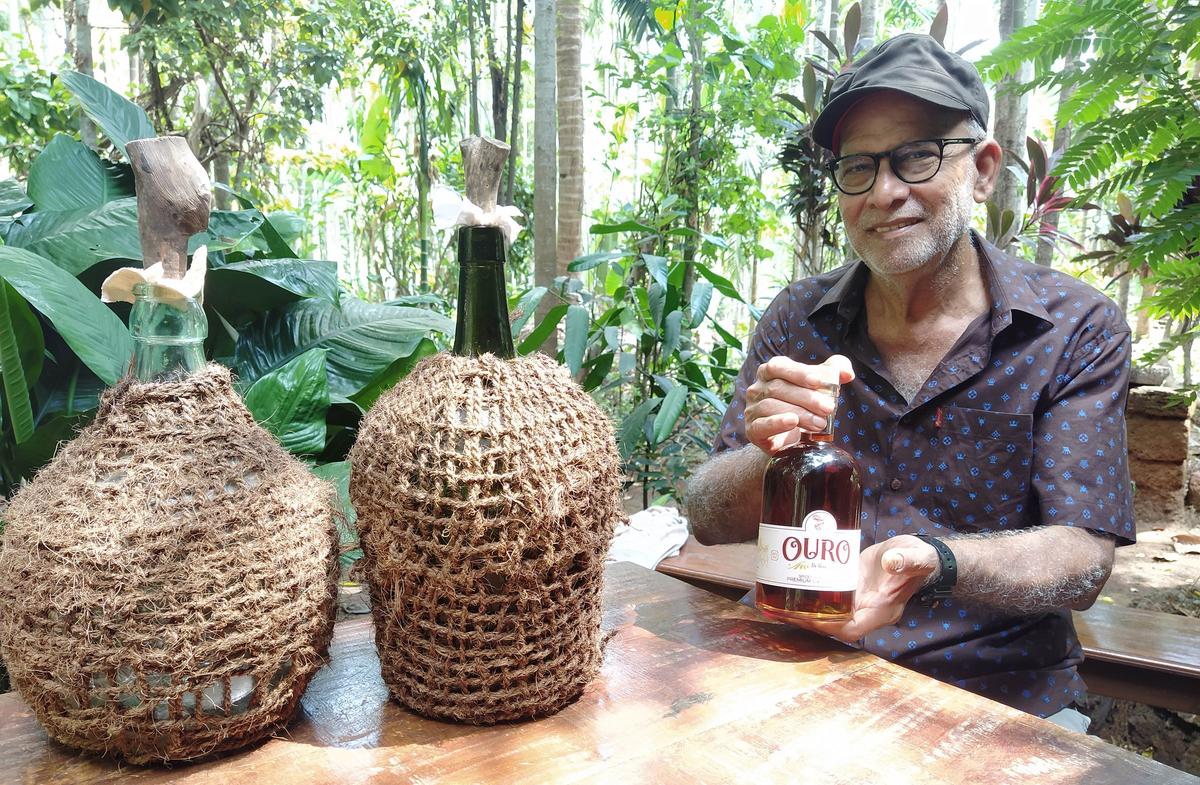
The production of urrak is strictly dictated by the cashew harvest. Once the cashew apples ripen and fall, they must be processed immediately. This creates a high-intensity, eight-week production cycle. For locals, the arrival of the first bottles—often recycled glass containers filled with the milky-white liquid—is a cause for celebration. In the southern talukas of Quepem and Canacona, these bottles serve as currency for social greetings and communal bonding.
The "Farm-to-Glass" Movement
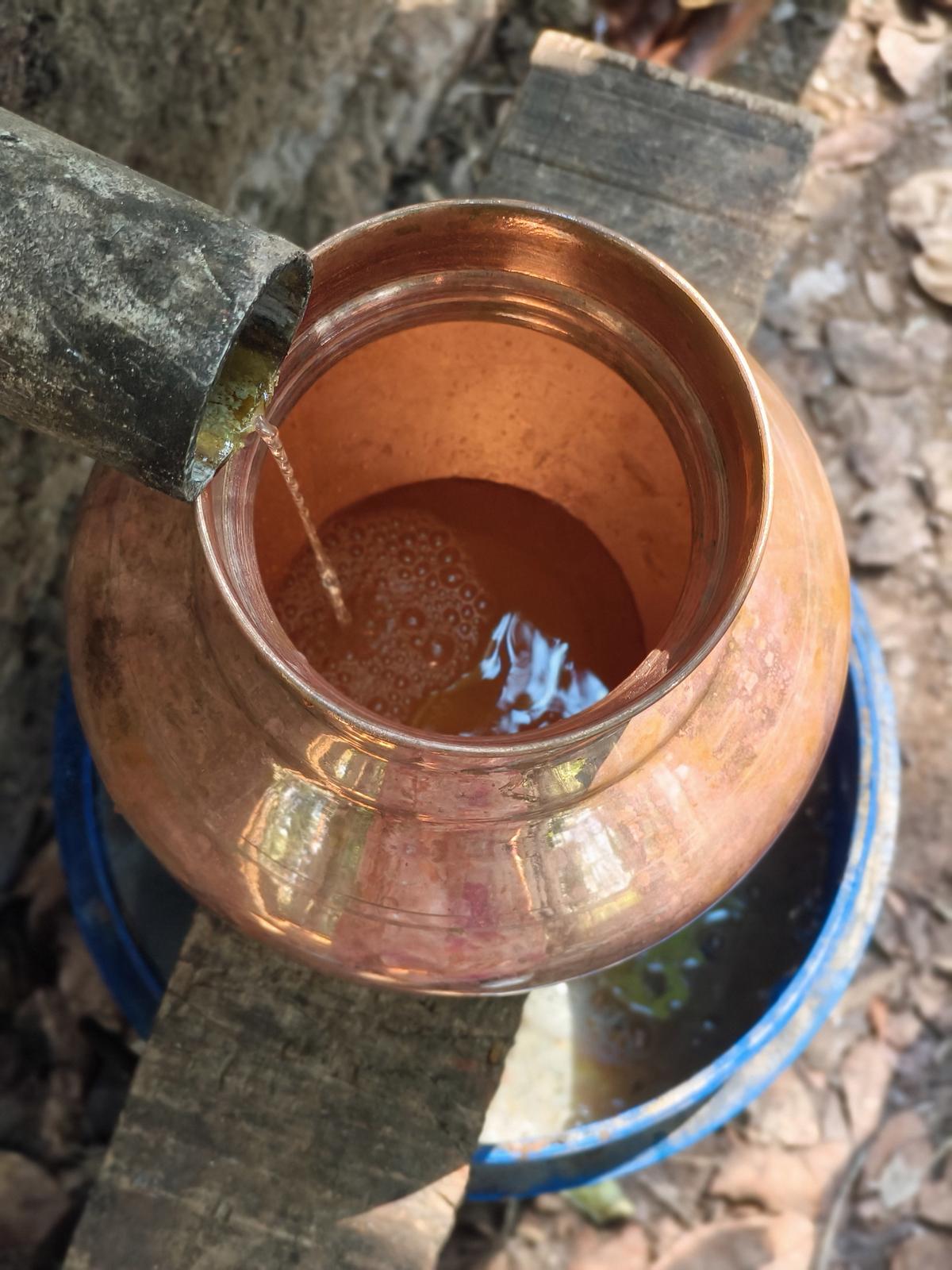
In recent years, urrak has transitioned from a rustic village secret to a centerpiece of Goan agro-tourism. Distillers and plantation owners are increasingly opening their gates to visitors, offering "plantation hops" that allow enthusiasts to witness the journey from the orchard to the bhaan (the traditional copper distillation pot). This shift reflects a broader global trend toward transparency in spirit production and the valuation of indigenous heritage.
Chronology: From 19th-Century Traditions to Modern Stewardship
The history of urrak and Feni is inextricably linked to the arrival of the cashew tree from Brazil, brought to Indian shores by the Portuguese in the 16th century. However, the refinement of the distillation process and the establishment of "distilling dynasties" took centuries to coalesce.
The Diniz Legacy (Late 1800s – Present)
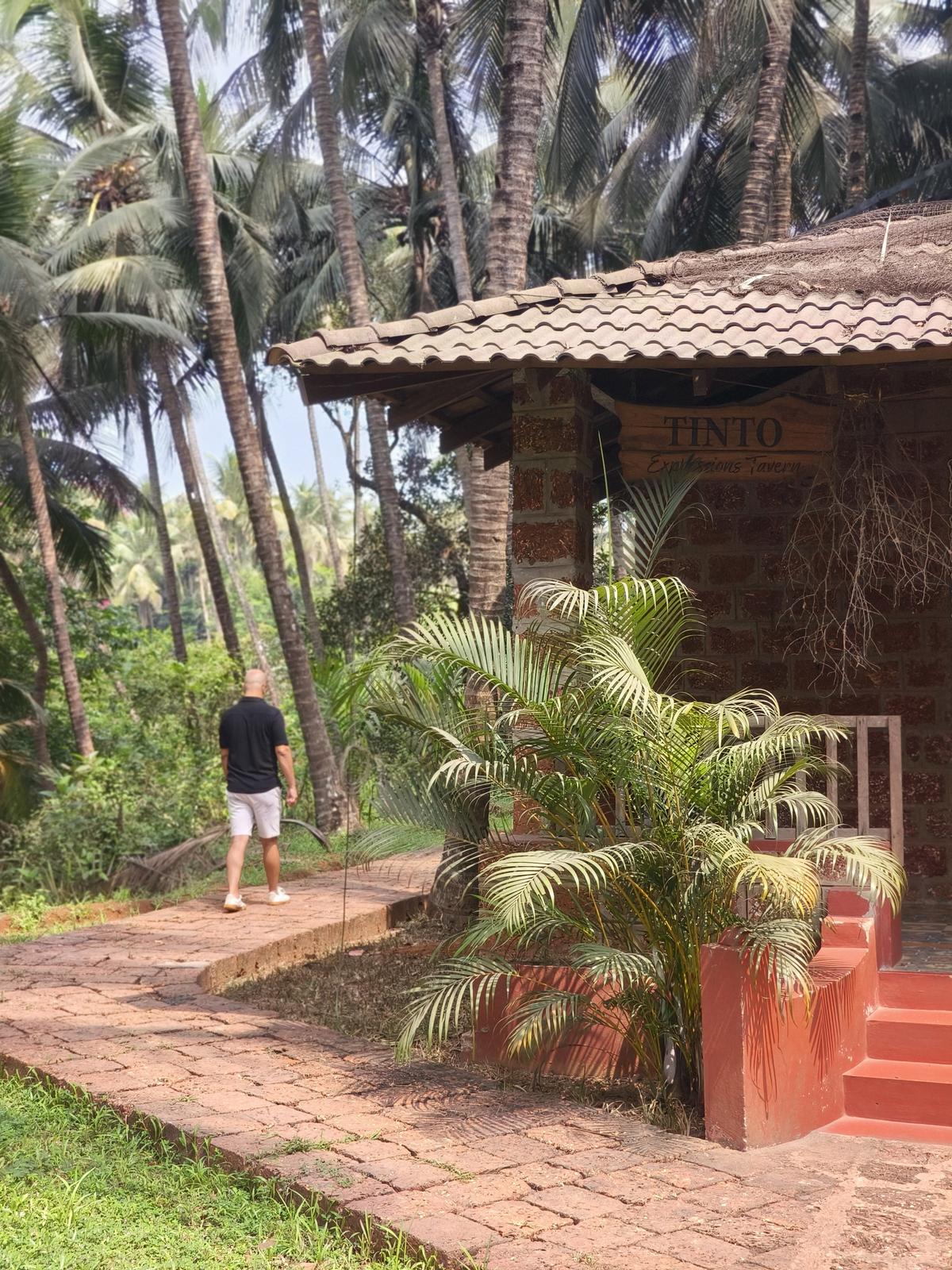
In the village of Cotombi, located within the Quepem taluka, the Diniz family has maintained a continuous distilling tradition since the late 19th century. For four generations, they have navigated the changing political and economic landscapes of Goa—from Portuguese rule to Indian statehood—without altering the fundamental mechanics of their craft. Solomon Diniz, the current patriarch and the force behind the Tinto Feni brand, represents the bridge between this historical weight and modern market demands.
The Malkarnekar Experiment (1980s – Present)
While the Diniz family represents continuity, the Malkarnekar family of Dudhsagar Plantation represents restoration. In the 1980s, Ajit Malkarnekar took on 50 acres of what was then considered barren, unyielding laterite soil in Karmane village. Over four decades, through a philosophy of "circular living," he transformed this wasteland into a lush, tropical polyculture. Today, his son Ashok Malkarnekar manages the estate, where urrak is produced as part of a balanced ecosystem that includes spices, tropical fruits, and sustainable tourism.
The Etymological Evolution
At a recent cultural symposium, Hansel Vaz, a prominent figure in the Goan spirit industry and founder of Cazulo Cashew Feni, provided a historical timeline for the word "urrak." Vaz traces the term—variously spelled as hurrak, urrac, or urraca—back to Arabic roots. He argues that the term originally referred to distillates made from coconut sap (toddy) and was spread through maritime trade routes across Asia. It was only later that the high-sugar cashew fruit "hijacked" the terminology, becoming the primary source of what we now know as urrak.
Supporting Data: The Art of the Bhaan and Circular Production
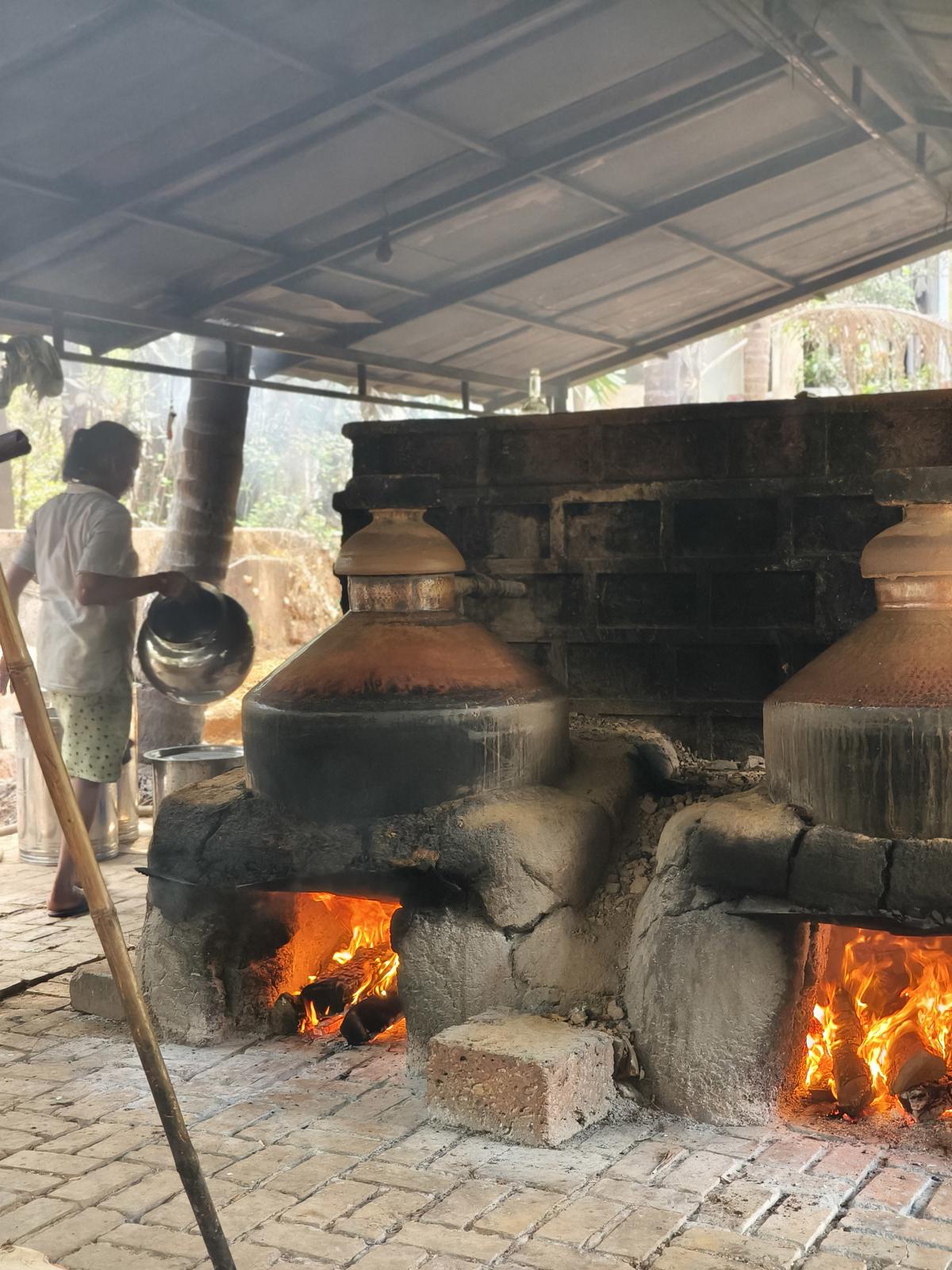
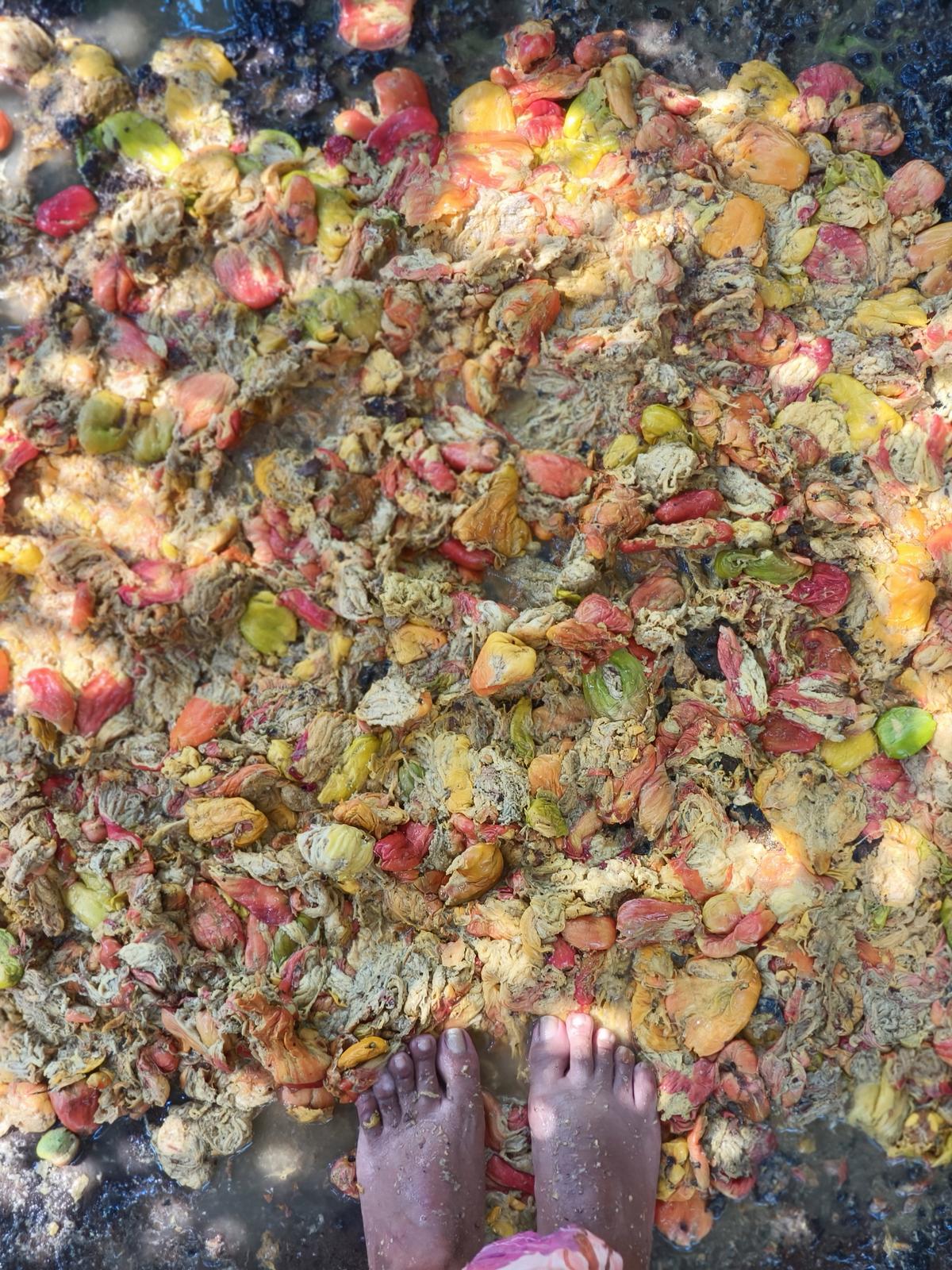
The production of urrak is a masterclass in low-tech, high-precision engineering. The process begins with the "stomping" of the cashew apples. While some larger operations have moved to mechanical presses, many traditional plantations still favor the human touch—or rather, the foot—to gently extract the juice without crushing the seeds, which would release unwanted oils.
The Distillation Process
- Extraction: The juice is collected in a large stone or cement vat.
- Fermentation: The juice is allowed to ferment naturally for two to three days. No external yeast is added; the process relies on the ambient wild yeast of the orchard.
- The First Distill: The fermented juice is poured into a bhaan, a traditional copper pot. This pot is sealed with a mixture of clay and cloth to ensure it is airtight.
- Condensation: As the liquid is heated (traditionally by a wood fire), the vapors pass through a cooling pipe—often submerged in water—and condense into urrak.
Sustainability and Zero Waste
At plantations like Dudhsagar, the process is a closed loop. The "pinj" (the leftover pulp after juice extraction) is used as organic fertilizer or cattle feed. The wood used for the fires often comes from fallen branches or old trees within the plantation. This "unhurried" delivery of the product ensures that the ecological footprint remains minimal, a stark contrast to industrial spirit production.
Official Responses and Expert Perspectives
The stakeholders in the urrak industry view the spirit through a lens of both pride and pragmatic concern.

Solomon Diniz, Tinto Feni:
Diniz highlights a unique economic irony regarding the spirit’s popularity. "During these two months of the year, sales of all our other premium liquors drop drastically," he notes. "Everyone is only drinking freshly brewed urrak!" For Diniz, the challenge lies in balancing the seasonal "frenzy" for urrak with the long-term goal of positioning Feni as a premium global spirit.
Ashok Malkarnekar, Dudhsagar Plantation:
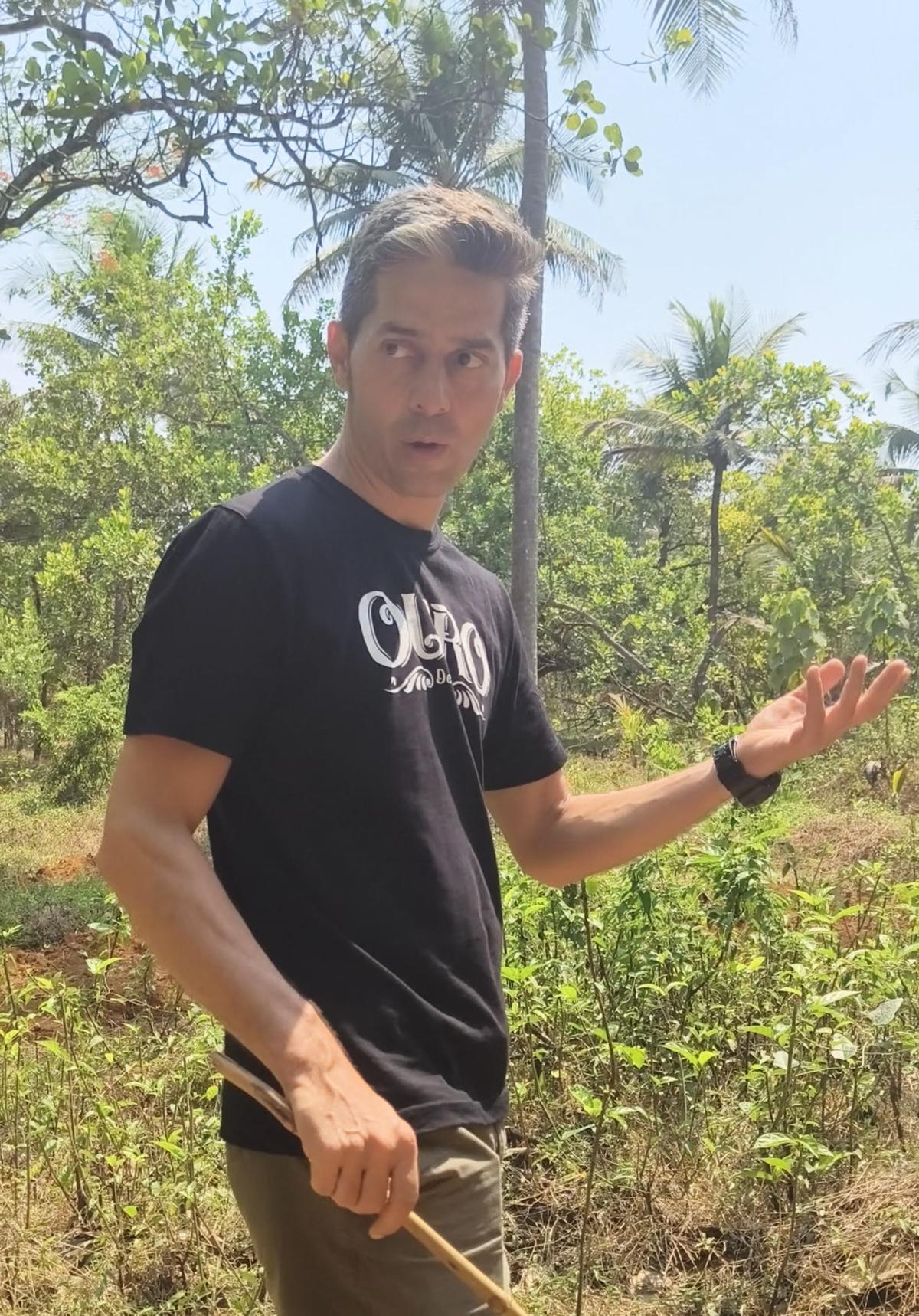
For the younger Malkarnekar, urrak is a testament to patience. "The philosophy is: know your trees, know your fruit, don’t rush anything," he explains. He views the next generation’s role not just as inheritors, but as conscious choosers of this lifestyle. In an age of "instant everything," he believes the radical act of waiting for the harvest is what gives the drink its value.
Hansel Vaz, Cazulo Cashew Feni:
Vaz, often referred to as the "Feni Doctor," emphasizes the importance of origin and nomenclature. By tracing the Arabic and coconut-based roots of the spirit, he seeks to elevate urrak from a "country liquor" to a sophisticated beverage with a deep, trans-continental history. He advocates for the preservation of the traditional methods, fearing that over-commercialization could dilute the "soul" of the drink.
Implications: Tourism, Economy, and Cultural Preservation
The rising profile of urrak has significant implications for Goa’s future, particularly as the state seeks to diversify its tourism offerings beyond its famous beaches.
The Rise of "Slow Tourism"
The "urrak experience"—tours that start at approximately ₹750—represents a shift toward "slow tourism." Visitors are no longer just consumers; they are students of the landscape. This provides a secondary income stream for farmers, making the preservation of cashew orchards more economically viable against the constant pressure of real estate development.
Cultural Identity in a Changing Goa
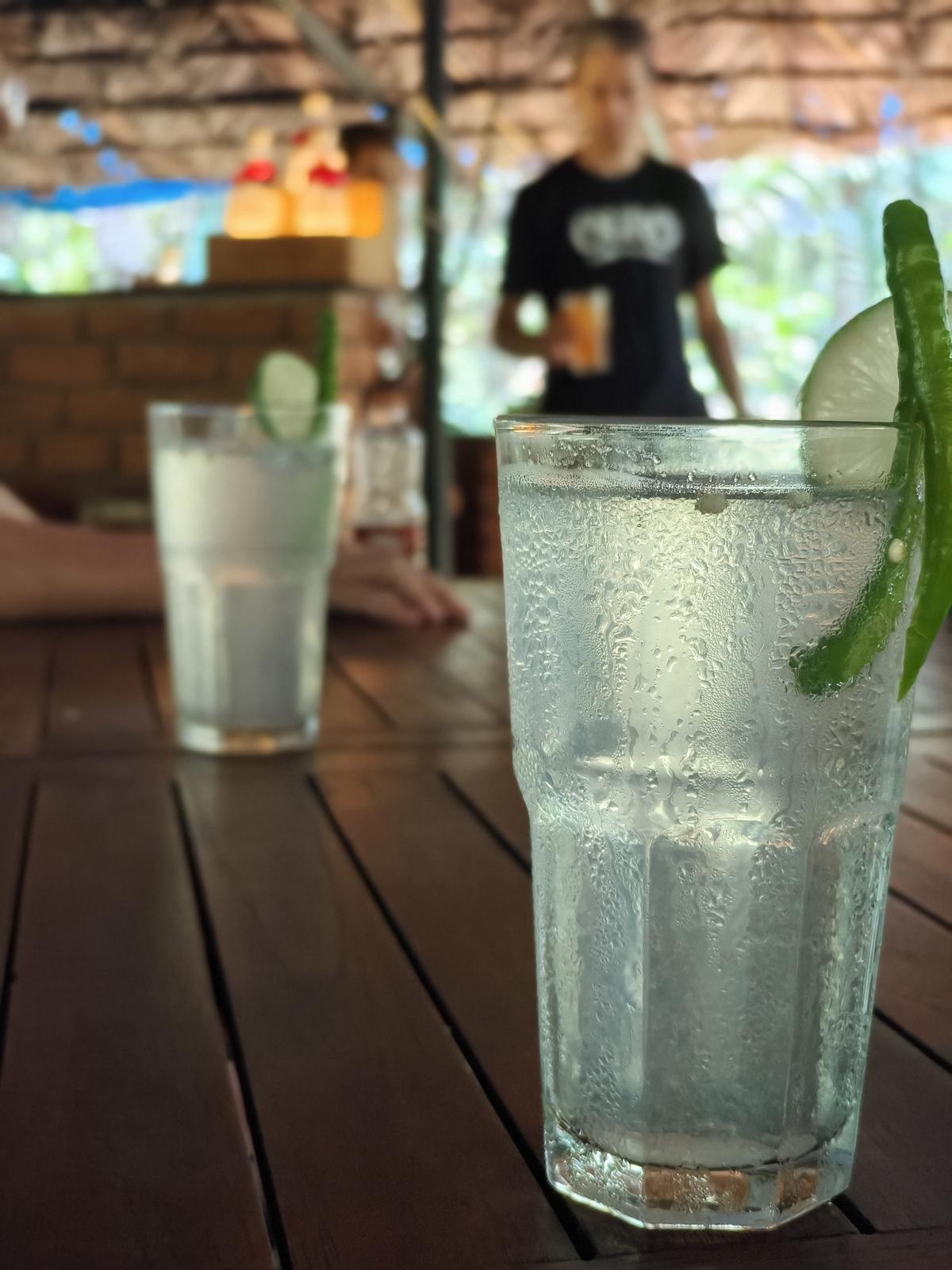
As Goa undergoes rapid urbanization, urrak serves as a cultural anchor. The ritual of drinking it—mixed with lemonade (or Limca), a pinch of salt, and a slit green chili—is a shared vernacular that cuts across class lines. The "barter" of urrak between villages reinforces community ties that are often frayed by modern life.
The "Feni" Transition
The success of urrak is essential for the success of Feni. As the first distillate, the quality of the urrak determines the quality of the eventual Feni. By focusing on the "source" and the "unhurried" process of the first press, distillers are ensuring that the GI-tagged (Geographical Indication) Goan Feni maintains its status as a world-class spirit.
In conclusion, urrak is more than a seasonal beverage; it is a liquid archive of Goan history, ecology, and social resilience. As long as the cashew apples fall in April and the bhaans are fired in the villages of Quepem, the spirit of the Goan summer remains secure, served cold with a side of salt and a dash of nostalgia.
