

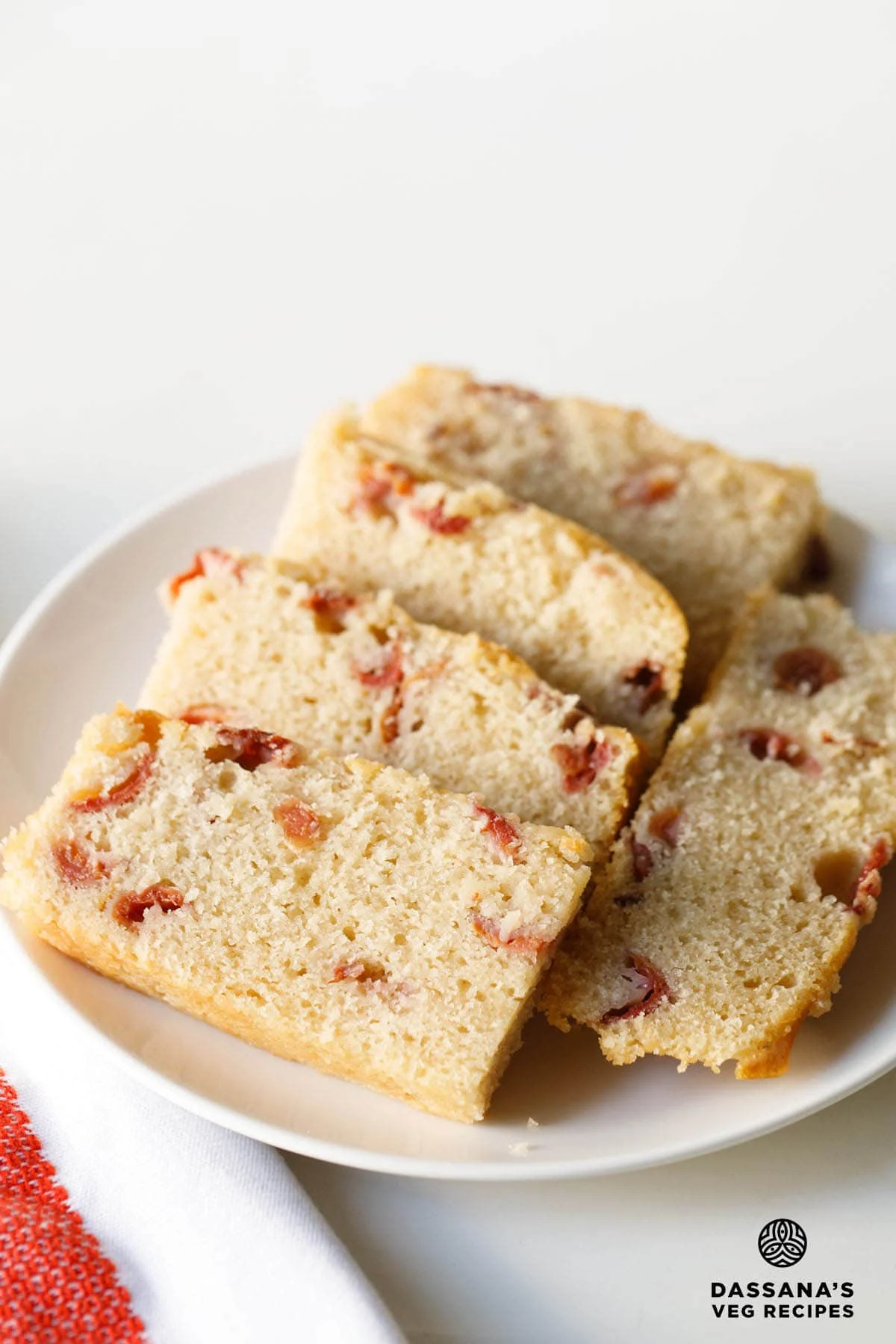
MUMBAI – As the summer heat gives way to the brief but vibrant window of the cherry harvest, home bakers and culinary enthusiasts are turning their attention to one of the season’s most delicate offerings: the Fresh Cherry Cake. In an era where dietary preferences are shifting toward plant-based and egg-free alternatives, the mastery of the "eggless" crumb has become a benchmark for the modern home chef. This report explores the technical precision, nutritional profile, and culinary significance of the seasonal cherry cake, a dessert that bridges the gap between simple tea-time fare and sophisticated patisserie.

Main Facts: The Architecture of an Eggless Classic
The fresh cherry cake is defined by its duality: the structural integrity of a soft, vanilla-infused sponge and the burst of moisture provided by whole, seasonal fruit. Unlike traditional European sponges that rely on eggs for leavening and emulsification, the contemporary eggless version utilizes a chemical interaction between acids and dairy (or plant-based alternatives) to achieve a comparable "crumb."

According to culinary data provided by Veg Recipes of India, the success of this specific bake relies on a precise ratio of flour to moisture. The recipe calls for 200 grams of fresh cherries, which are integrated into a batter composed of all-purpose flour, sugar, and a fat source—in this case, vegetable oil. The use of oil over butter is a strategic choice; oil remains liquid at room temperature, ensuring the cake stays moist for several days, whereas butter-based cakes can become firm when stored.

Key technical specifications include:

- Leavening Agent: A combination of baking powder and the reaction between vinegar (or lemon juice) and milk.
- Textural Modifier: The inclusion of cornstarch to lower the total protein content of the flour, resulting in a more tender, professional-grade texture.
- Fruit Management: A "flour-coating" technique used to prevent the dense fruit from sinking to the bottom of the pan during the thermal expansion of the batter.
Chronology: From Orchard to Oven
The process of creating a professional-standard cherry cake follows a rigorous chronological sequence, where temperature and timing are paramount.

Phase I: Fruit Preparation and "Avocado-Style" Pitting
The process begins with the selection of the fruit. While imported sweet cherries are often used, the use of local Indian cherries—known for their slight tartness—provides a complex flavor profile. The cherries must be rinsed, dried, and pitted. In the absence of specialized industrial equipment, bakers utilize a manual "twist-and-release" method, similar to pitting an avocado, to maintain the structural integrity of the cherry halves.

Phase II: The Activation of the "Buttermilk" Catalyst
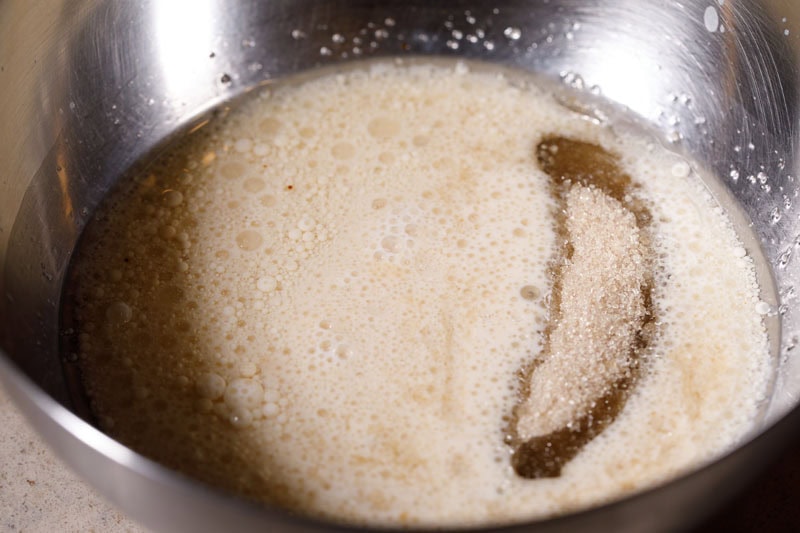
Approximately 15 minutes before the batter is assembled, the "buttermilk" mixture is prepared. By adding apple cider vinegar or lemon juice to milk, a mild curdling occurs. This is not merely for flavor; the acidity is essential to react with the leavening agents, producing carbon dioxide bubbles that lift the cake in the absence of egg proteins.

Phase III: The Integration of Dry and Wet Components
The dry ingredients—flour, cornstarch, and baking powder—are sifted to ensure aeration. Simultaneously, sugar is dissolved into the wet mixture. Journalistic observations of the process highlight the importance of the "folding" stage. Over-mixing at this point would develop the gluten in the flour, transforming a light cake into a bread-like, tough consistency.

Phase IV: Thermal Transformation
The cake is subjected to a steady heat of 180°C (356°F). Over the course of 50 to 55 minutes, the Maillard reaction occurs, browning the surface while the internal temperature rises sufficiently to set the crumb without overcooking the delicate cherries.

Supporting Data: Nutritional and Technical Metrics
A deep dive into the nutritional data reveals that the cherry cake is a carbohydrate-rich energy source, balanced by the micronutrients found in fresh fruit.

Nutritional Breakdown per Serving (Based on 8 servings):

- Energy: 262 kcal
- Carbohydrates: 44g (primarily from flour and 150g of raw sugar)
- Fats: 8g (with a focus on monounsaturated fats from vegetable oil)
- Protein: 3g
- Fiber: 1g
From a technical standpoint, the choice of baking vessel significantly alters the data. A 7-inch pan provides a taller, more traditional "tea cake" profile, whereas an 8-inch pan increases the surface area, leading to a flatter cake with a higher ratio of crust to crumb. Data suggests that the cherries release significant moisture during baking; this "juice migration" can create a thin, moist film at the base of the cake, which is often misinterpreted by novice bakers as under-baking, but is actually a hallmark of fresh fruit integration.
Official Perspectives: Expert Insights on Eggless Chemistry
While there is no "Ministry of Baking," leading culinary instructors and recipe developers, including Dassana Amit of Veg Recipes of India, provide what can be considered the "official" best practices for this genre of confectionery.

Amit emphasizes the "Cornstarch Variable." In professional baking, the protein content of flour dictates the "chew" of the product. By replacing a portion of the all-purpose flour with cornstarch, the baker effectively creates a DIY "cake flour." This reduces the gluten potential, ensuring that the cake remains "soft and tender," a phrase that appears consistently in the technical documentation of the recipe.

Furthermore, expert "official" advice warns against the use of canned cherries for this specific preparation. Canned fruits are often suspended in heavy syrups, which would alter the glycemic index of the batter and introduce excess moisture, potentially compromising the structural stability of the sponge. The "official" stance is clear: seasonal fresh fruit is non-negotiable for the intended flavor profile.

Implications: The Future of Home Baking and Seasonal Consumption
The popularity of the Fresh Cherry Cake carries broader implications for the culinary industry and consumer behavior.

1. The Democratization of Specialized Baking
The fact that this cake requires no "special equipment besides an oven" signals a shift in the baking landscape. High-quality, "artisan-style" desserts are no longer the exclusive domain of professional bakeries. With clear, stepwise instructions and common household ingredients (oil, vinegar, milk), the barrier to entry for complex fruit cakes has been significantly lowered.

2. The Rise of "Flexitarian" Desserts
The ease with which this recipe adapts to plant-based diets—simply by substituting dairy milk with almond or soy milk—reflects a growing trend in "flexitarian" baking. As consumers become more health-conscious and environmentally aware, the demand for recipes that do not rely on animal by-products like eggs is expected to rise.

3. Seasonal Awareness and Food Sovereignty
The emphasis on using "Indian cherries" when available highlights a movement toward seasonal and local eating. By centering recipes around the short harvest window of specific fruits, bakers are re-establishing a connection with the agricultural calendar, a practice that had been somewhat lost in the era of year-round supermarket availability.

4. Storage and Longevity in Tropical Climates
Given the moisture content of the fruit, the storage implications are vital. Journalistic testing indicates that while the cake remains stable at room temperature for 24 hours, the "moisture migration" from the cherries necessitates refrigeration for longer periods (up to 5 days). This highlights the challenges of home baking in humid or tropical climates, where fruit-based products are more susceptible to spoilage.

Conclusion
The Fresh Cherry Cake is more than a simple accompaniment to tea; it is a masterclass in the science of eggless baking. By balancing the acidity of vinegar with the softness provided by oil and cornstarch, and respecting the seasonal integrity of the cherry, home bakers are achieving results that rival traditional patisserie. As the "home baking renaissance" continues to evolve, the focus on technical precision, nutritional transparency, and seasonal sourcing will likely remain the gold standard for the industry.

For those looking to extend their repertoire, the implications are clear: the techniques mastered here—fruit coating, acid-base leavening, and crumb tenderizing—provide the foundational knowledge required to tackle a wide array of fruit-based desserts, from cobblers to elaborate Black Forest gateaus. The cherry season may be fleeting, but the culinary lessons it provides are perennial.
