

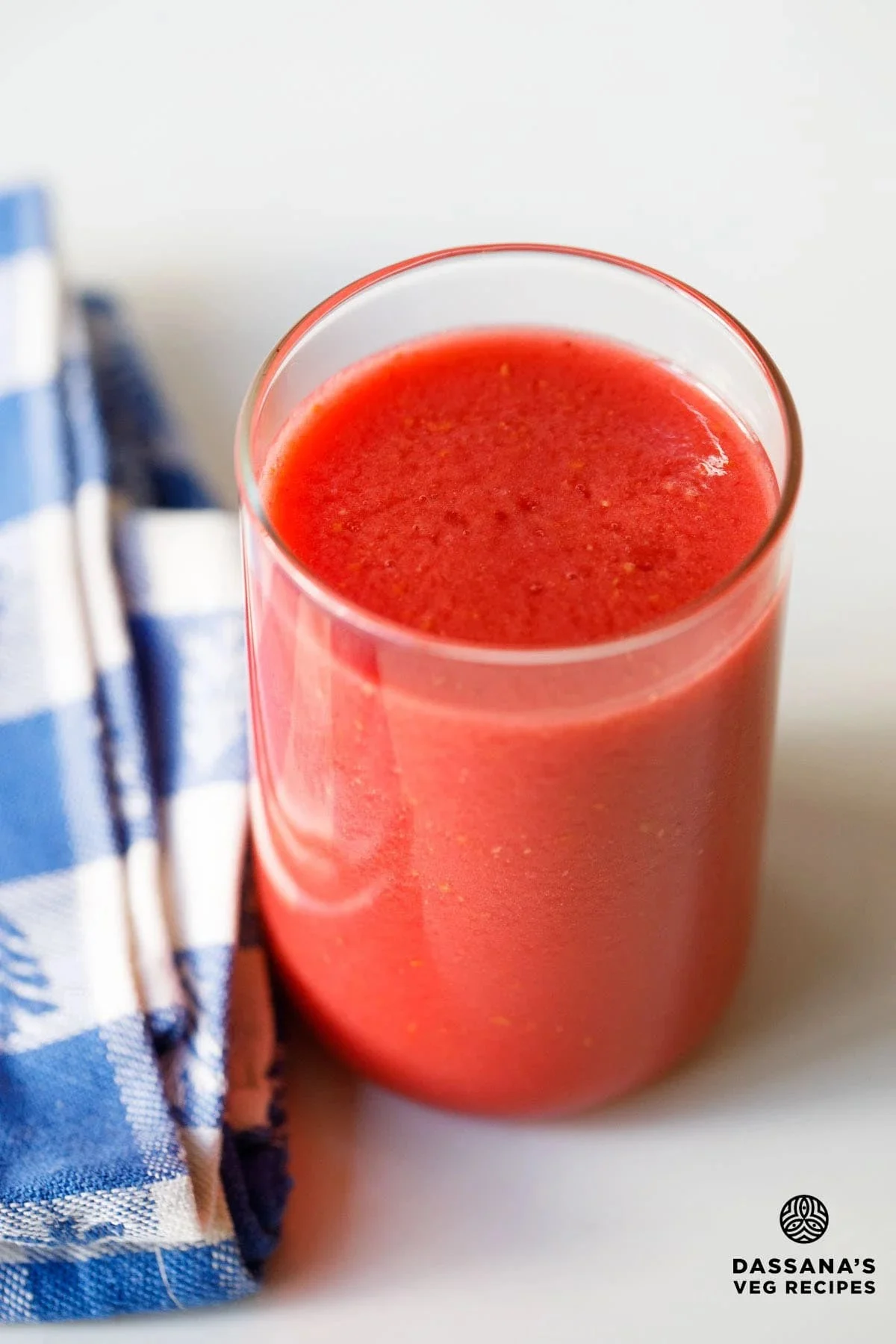
Main Facts: The Rise of Whole-Fruit Beverages
In an era increasingly defined by a shift toward "clean label" diets and the rejection of highly processed sugars, the humble homemade fruit juice has undergone a significant culinary transformation. No longer relegated to the back of breakfast menus, fresh, artisanal juices—specifically those derived from nutrient-dense berries—are taking center stage in the wellness and gastronomy sectors. At the forefront of this movement is the fresh Raspberry Juice, a beverage celebrated for its vibrant hue, complex sweet-tart profile, and remarkable ease of preparation.
According to culinary expert and Le Cordon Bleu-trained chef Dassana Amit, raspberry juice represents one of the most accessible yet sophisticated ways to enjoy the seasonal bounty of the Rubus idaeus (the European red raspberry). Unlike commercial juices that often rely on concentrates, artificial colorants, and high-fructose corn syrup, the homemade variant utilizes just three primary components: fresh fruit, filtered water, and a controlled amount of sweetener.
The appeal of raspberry juice lies in its versatility. It serves not only as a refreshing standalone beverage but also as a foundational element for mocktails, sorbet bases, and culinary glazes. In regions like India, where fresh raspberries can often lean toward a sharper, more acidic profile, the preparation of this juice becomes an exercise in flavor balancing—a task that requires a keen understanding of the fruit’s natural chemistry.

Chronology: From Harvest to Glass
The process of creating a premium raspberry juice is a study in minimal intervention. To achieve a professional-grade result, the preparation must follow a specific sequence that preserves the delicate volatile compounds responsible for the berry’s aroma and flavor.
Phase 1: Preparation and Purification
The process begins with the selection of 250 grams of high-quality raspberries. Whether sourced from local farmers’ markets or high-end grocers, the berries must be handled with extreme care due to their fragile cellular structure. The initial step involves a thorough but gentle rinsing in cold water. This is crucial for removing any residual dust, organic debris, or potential pesticides. After rinsing, the berries must be drained completely in a colander; excess external moisture can dilute the juice’s potency and alter the intended consistency.
Phase 2: The Blending Process
Once cleaned, the berries are transferred to a high-speed blender. At this stage, the "flavor architecture" is built. For a standard recipe yielding two medium glasses, approximately 4 to 5 tablespoons of sugar (or a preferred alternative sweetener) are added. This is followed by 1.5 cups of water. The choice of water temperature is critical; using chilled water at this stage ensures the juice is ready for immediate consumption without the need for excessive ice, which would eventually water down the flavor.

Phase 3: Emulsification and Refinement
The mixture is blended until it reaches a smooth, homogenous state. This is the point where the chef must make a stylistic choice regarding texture. Raspberries are known for their numerous small, fibrous seeds. While these seeds contain healthy oils and fiber, they can impart a "gritty" mouthfeel that some find unappealing.
For a rustic, fiber-rich drink, the juice is left as-is. However, for a refined, "velvet" texture—especially suitable for fine dining or for serving children and the elderly—the mixture is passed through a fine-mesh strainer. This mechanical separation results in a crystal-clear, bright red liquid that highlights the fruit’s natural pigment.
Phase 4: Final Adjustments and Serving
The final step is the "tasting adjustment." If the berries are particularly tart, a few drops of lemon juice can be added to brighten the flavor, paradoxically making the juice taste "fruitier." The juice is then poured into chilled glassware and served immediately to prevent the natural separation of solids and liquids.

Supporting Data: Nutritional Profile and Chemical Composition
The decision to consume fresh raspberry juice is backed by a robust nutritional profile. Data indicates that a single serving (based on the provided recipe) contains approximately 157 calories, but its value is better measured in its micronutrient density.
The Antioxidant Powerhouse
Raspberries are rich in anthocyanins—the flavonoids responsible for their deep red color. These compounds are potent antioxidants that help neutralize oxidative stress in the body. According to the nutritional breakdown, a single batch of this juice provides:
- Vitamin C (33 mg): Essential for immune function and collagen synthesis.
- Dietary Fiber (8 g): Even when strained, some soluble fiber remains, aiding in digestive health.
- Manganese and Vitamin K: Vital for bone health and blood coagulation.
Low-Fat, High-Impact
With only 1 gram of fat and negligible saturated fats, the juice is a heart-healthy alternative to dairy-based smoothies. It contains a significant amount of potassium (189 mg), which plays a key role in maintaining healthy blood pressure levels. Furthermore, the inclusion of folate (26 µg) and Vitamin E (1 mg) contributes to cellular repair and skin health.

The Glycemic Consideration
While the recipe includes 29 grams of sugar, it is important to note that a portion of this is naturally occurring fructose within the fruit. The high fiber content of raspberries (8g per serving) helps to mitigate the glycemic load, preventing the sharp insulin spikes often associated with processed fruit drinks.
Official Responses: Expert Insights from the Test Kitchen
Dassana Amit, the architect behind this specific formulation, emphasizes that the "perfect" raspberry juice is a matter of personal preference and seasonal awareness. Drawing on her training at Le Cordon Bleu, she offers several professional insights into the nuances of berry preparation.
On Temperature and Texture:
"Frozen raspberries work equally well in this recipe," Amit notes. "In fact, they can create a thicker, slightly slushy drink that is particularly refreshing in tropical climates." She suggests that for those seeking a fuller flavor, the water ratio should be kept strictly at 1.5 cups, as over-dilution is the most common mistake made by home cooks.

On Flavor Balancing:
Amit highlights a specific geographical challenge: "Fresh raspberries available in India are often slightly tart compared to their European counterparts. A little sugar isn’t just for sweetness; it’s a tool to balance that acidity and enhance the natural fruitiness." She also recommends the addition of lemon juice as a "flavor catalyst" for berries that lack a natural "zing."
On Storage and Stability:
From a food safety and quality perspective, the expert advice is clear: fresh is best. "Natural separation may occur if the juice sits," Amit warns. If storage is necessary, it should be limited to 4 to 5 hours in a refrigerated, covered glass bottle, with a vigorous stir required before serving to reintegrate the fruit solids.
Implications: The Broader Impact on Health and Gastronomy
The move toward homemade raspberry juice has broader implications for both public health and the beverage industry. As consumers become more literate in reading ingredient labels, the demand for "zero-additive" drinks is forcing a shift in how the industry approaches product development.

Health Implications
The high antioxidant content of raspberry juice aligns with the growing "food as medicine" trend. Regular consumption of berry-based polyphenols has been linked in various studies to improved cardiovascular health and reduced inflammation. By making these juices at home, consumers bypass the preservatives—such as sodium benzoate or potassium sorbate—that are standard in bottled versions.
Culinary Implications
In the world of professional gastronomy, raspberry juice is being rediscovered as a "mother ingredient." Its acidity makes it a perfect deglazing agent for savory dishes like roasted duck or lamb, while its color provides a natural dye for pastry applications. The "mocktail" movement, which has seen a 35% increase in popularity in urban centers over the last three years, relies heavily on high-quality fruit bases like this one to provide the complexity and "bite" usually offered by alcohol.
Economic and Environmental Impact
Choosing to make juice at home also carries environmental weight. It reduces the reliance on single-use plastic bottles and aluminum cans. Furthermore, by utilizing frozen berries during the off-season, consumers can enjoy the nutritional benefits of raspberries year-round without the carbon footprint associated with air-freighting fresh berries from the opposite hemisphere.

Conclusion: A Simple Path to Sophistication
The preparation of Raspberry Juice, as outlined by Dassana Amit, is more than a simple kitchen task; it is an act of culinary mindfulness. It proves that with three ingredients and five minutes of time, one can produce a beverage that rivals the complexity of any commercial offering. As we continue to navigate a world of complex dietary choices, the return to simple, whole-fruit preparations offers a refreshing—and delicious—path forward. Whether served as a cooling summer tonic or a vibrant breakfast accompaniment, raspberry juice remains a definitive example of how the best flavors are often those that are least manipulated.
