

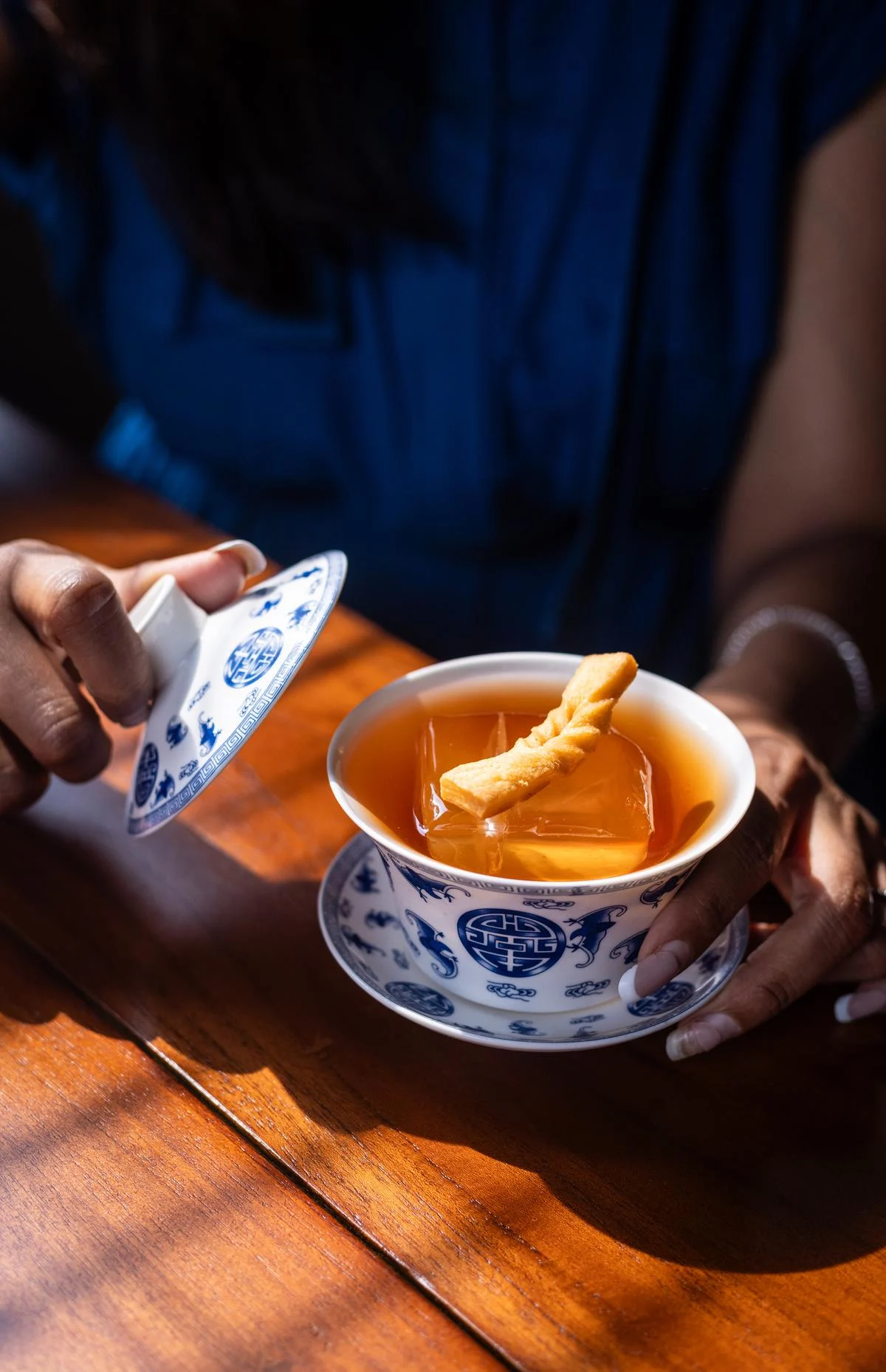
The first arrival of the monsoon in India is more than a change in weather; it is a profound sensory overhaul. As the parched earth meets the initial deluge, it releases petrichor—that earthy, evocative scent known locally as Sondi Khushboo. Historically, this olfactory cue has triggered cravings for hot ginger chai and fried pakoras. However, a new vanguard of Indian mixologists and craft spirit founders is redefining the seasonal palate. From the misty hills of Meghalaya to the humid coastlines of Goa and Chennai, the Indian bar scene is undergoing a "monsoon metamorphosis," utilizing indigenous ingredients and innovative techniques to capture the essence of the rains in a glass.
Main Facts: The Rise of Seasonal and Terroir-Driven Mixology
The contemporary Indian bar scene is no longer content with mimicking international classics. Instead, there is a burgeoning movement toward "hyper-localism," where the menu is dictated by the rhythm of the seasons. This monsoon, the focus has shifted toward ingredients that thrive in high humidity and heavy rainfall: piquant jamun (Indian blackberry), luscious jackfruit, aromatic guavas, and warming spices like ginger and black pepper.

Key industry figures, including Karan Dhanelia (World Class India Bartender of the Year 2026) and Minakshi Singh (co-founder of the award-winning Sidecar), are leading this transition. They are moving away from the traditional binary of "refreshing summer drinks" and "warming winter spirits." Instead, they are layering complex flavors—using techniques like fat-washing with ghee, creating hydrosols from earthen pots, and distilling rainwater—to create a liquid narrative of the Indian monsoon. This shift reflects a broader trend in the Indian F&B sector: the premiumization of indigenous flavors and the celebration of "terroir" in spirits.
Chronology: From Summer Harvests to the Monsoon Bounty
The transition of the Indian bar menu follows a strict agricultural timeline. As the scorching heat of May and June fades, the "Mango Season" gives way to a more diverse, albeit shorter-lived, botanical window.

- The Pre-Monsoon Transition (Late June): As the heat breaks, stone fruits like litchis and mulberries make their appearance. Bartenders begin infusing gins and vodkas with these delicate, floral notes to bridge the gap between summer freshness and monsoon depth.
- The Arrival of the First Rains (July): This is the peak period for "Petrichor" profiles. Mixologists focus on earthy, woody notes. This is when ingredients like Hojicha tea, custard apple (in parts of Maharashtra), and gooseberries are integrated into menus.
- The Mid-Monsoon Peak (August): This period sees the arrival of robust fruits like jackfruit and jamun. The humidity calls for "longer" drinks—tonics and fizzes—but with the added weight of preserves and syrups that can stand up to the cooling temperatures.
- The High-Altitude Influence: In regions like Delhi NCR, the monsoon menu is heavily influenced by the "Hill Station" culture. The influx of produce from the Himalayas, such as Darjeeling tea and Tibetan-inspired butter tea components, becomes the mainstay of the cocktail program.
Supporting Data: Case Studies in Monsoon Mixology
To understand the technical complexity of these drinks, one must look at the specific builds and ingredient profiles currently dominating top-tier Indian bars.
The Earthy Profile: Pehli Barish
Karan Dhanelia’s "Pehli Barish" (The First Rain) is perhaps the most literal interpretation of the season. It utilizes Don Julio Blanco, a Tequila known for its agave-forward earthiness. The "petrichor" effect is achieved through:

- Hojicha Tea Cordial: Provides a woody warmth reminiscent of wet tree bark.
- Earthen Pot Hydrosol: An innovative use of aerated water infused with the scent of clay, mimicking the smell of rain hitting dry soil.
- Seasonal Custard Apple: Adds a creamy, familiar sweetness.
The Himalayan Influence: Pho Cha
At The Brook and Sidecar, Minakshi Singh introduces the "Pho Cha," a cocktail that draws from the Tibetan tradition of butter tea.
- Technique: Ghee-washed vodka. This "fat-washing" process imbues the spirit with a velvety mouthfeel and a savory richness without the greasiness.
- Components: Tea wine and brown butter syrup, balanced with Himalayan pink salt. This drink challenges the notion that monsoon drinks must be cold, offering a "stirred and spirit-forward" alternative that provides internal warmth.
The Southern Nostalgia: Jackfruit and Gin
In Chennai, Karl Fernandes of Roc-a-Coe leverages the jackfruit—a fruit deeply embedded in South Indian heritage.

- The Preserve Method: By turning jackfruit into a jam (using castor sugar and lime), Fernandes extends the life of this fleeting seasonal fruit.
- The Result: The "South Indian Breakfast Martini" uses this preserve with gin and lime, while the "Jackfruit Whisky Sour" offers a richer, more indulgent version for those preferring dark spirits.
The Eastern Terroir: Rainwater Gin
Perhaps no spirit captures the monsoon more accurately than Cherrapunji Eastern Craft Gin. Founded by Mayukh Hazarika, this gin is distilled using actual rainwater collected in Cherrapunji, Meghalaya—one of the wettest places on earth.
- Botanicals: Khasi Mandarin and Kaji Nemu (Assam lemon) provide citrus brightness, while wild black pepper and smoky tea provide a "foggy" finish.
- The Signature Serve: The "Burmese Coriander Smash," which uses fresh coriander to provide a herbaceous lift, echoing the lush greenery of the North East during the rains.
Official Responses: Insights from the Industry Vanguard
The shift toward monsoon-specific menus is not merely a marketing gimmick; it is a response to evolving consumer psychology.

Minakshi Singh (Co-founder, Sidecar/The Brook):
"The monsoon in India is so important for our farmers, and the bounty we get during this season dictates our cocktails. We don’t necessarily buy into the myth of dark spirits only for cooler months. While Indians like dark spirits when it’s cold, we balance the white and dark. We have tequila, gin, and whisky all playing a role, often paired with fermented elements like kombucha or high-altitude teas."
Mayukh Hazarika (Founder, Cherrapunji Eastern Craft Gin):
"Drinking our gin during the rains feels like experiencing the landscape in liquid form. The fresh coriander and indigenous ingredients are amplified by the gin’s subtle smoky finish, which emerges gracefully on the palate when the weather turns."

Karl Fernandes (Curator, Roc-a-Coe):
"Jackfruit is sweet, aromatic, and deeply nostalgic. Turning it into a preserve not only captures its fleeting season but creates an ingredient that lends itself beautifully to cocktails. It bridges the gap between a traditional South Indian breakfast and a modern evening libation."
Implications: Cultural Identity and Market Trends
The enrichment of the Indian cocktail scene with monsoon-themed offerings has several long-term implications for the industry:

1. The "Vocal for Local" Movement
The reliance on indigenous fruits like jamun and kokum, and traditional techniques like ghee-washing, signals a move away from imported syrups and artificial flavors. This supports local agricultural supply chains and creates a unique "Indian identity" in the global mixology circuit. The inclusion of Indian bars in the Asia’s 50 Best longlists is a testament to the success of this authentic approach.
2. The Deconstruction of Seasonal Spirit Myths
As noted by Minakshi Singh, the traditional rulebook—white spirits for summer, dark for winter—is being rewritten. Bartenders are proving that Tequila Blanco can be "earthy" for the rains and that a Ghee-washed Vodka can be as "warming" as a Cognac. This encourages consumers to explore different spirit categories year-round.

3. The Rise of the "Sober Curious"
The monsoon menu is also catering to the non-alcoholic segment. The Jamun Mint Fizz (using Monin Spiced Jamun Syrup) demonstrates that seasonal fruit profiles are robust enough to carry a drink without the need for an alcohol base. This reflects a global trend toward "Zero ABV" drinks that do not compromise on complexity or seasonal relevance.
4. Intellectual Property in Mixology
The mention of the "Dark ‘n Stormy" trademark by Lolita Sarkar highlights a growing awareness of cocktail history and legalities. By creating the "Monsoon Ember" using Goa Dark (a jaggery-based spiced rum) and kokum dust, Indian founders are creating their own "protected" recipes that reflect local ingredients like jaggery and kokum, rather than relying on Caribbean templates.

Conclusion
The Indian monsoon is no longer just a season to endure; it has become a source of creative inspiration. By distilling the scent of the earth, the sweetness of the jackfruit, and the smoke of the hills into sophisticated libations, India’s bartenders are offering more than just a drink—they are offering a sensory map of the country’s diverse landscape. As the industry moves toward 2026 and beyond, the "Liquid Monsoon" stands as a symbol of a mature, confident, and culturally rooted Indian beverage identity.
