

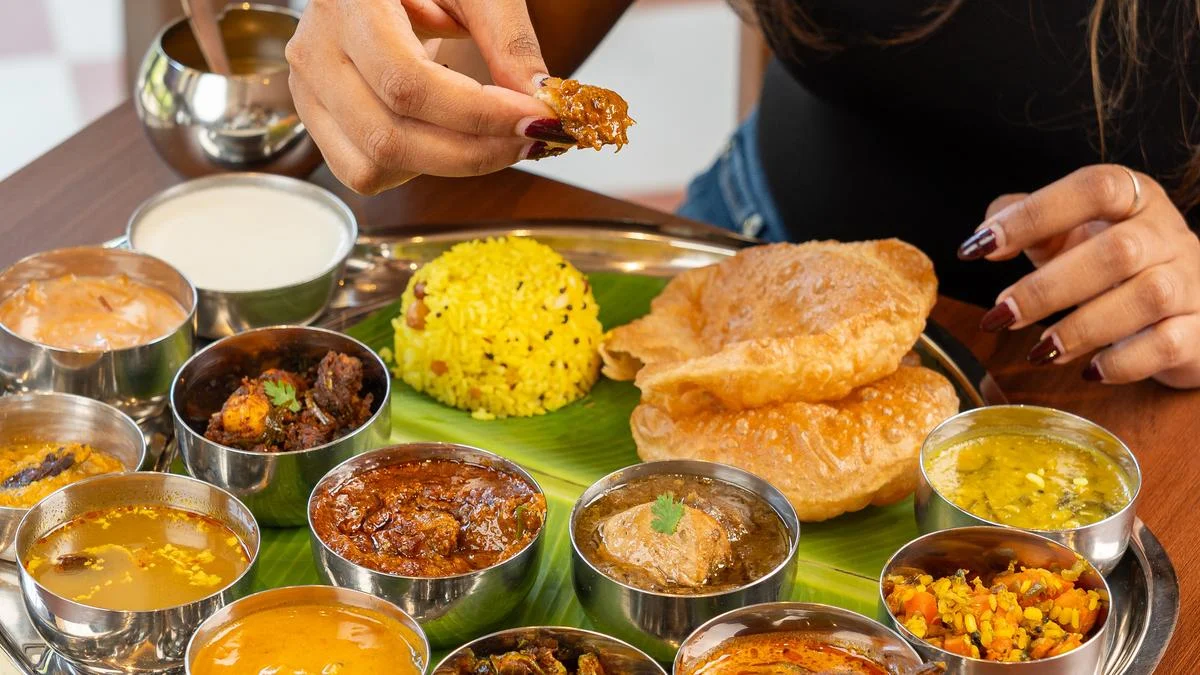
HYDERABAD – For decades, the culinary identity of Hyderabad has been synonymous with a single, towering dish: the Dum Biryani. To the outside world, and even to many residents, the city’s gastronomic map began and ended with fragrant basmati rice, tender meat, and the meticulous “dum” process. However, a quiet but profound revolution is currently simmering in the kitchens of the Telangana capital. Hyderabad’s food scene is undergoing a massive diversification, widening the table to include the fiery, tangy, and deeply traditional flavors of the broader Telugu-speaking regions.
The shift is not merely a trend but a structural change in how the city eats. From the rustic flavors of Telangana’s hinterlands to the seafood-rich traditions of coastal Andhra and the spice-laden heritage of Rayalaseema, Hyderabad is finally embracing its identity as the epicenter of Telugu cuisine.
Main Facts: A Culinary Identity in Transition
The current transformation of Hyderabad’s food landscape is marked by a departure from "one-dish" dominance. While biryani remains a staple, it is no longer the sole protagonist. A new wave of restaurants and cafes is foregrounding dishes that were once confined to home kitchens or rural eateries.
The culinary conversation has expanded to include a sophisticated lexicon of regional specialties: totakura (amaranth) liver fry, nimmakayya guddu bonda (lemon-infused egg fritters), seena roast, chepala pulusu (fish tamarind gravy), and natu kodi (country chicken). This movement represents a "re-vernacularization" of the palate. Diners who once calibrated their orders by "less, medium, or full masala" are now seeking the specific acidity of gongura (sorrel leaves), the earthy depth of muddapappu (thick pigeon pea dal), and the complex heat of vepudus (traditional stir-fries).
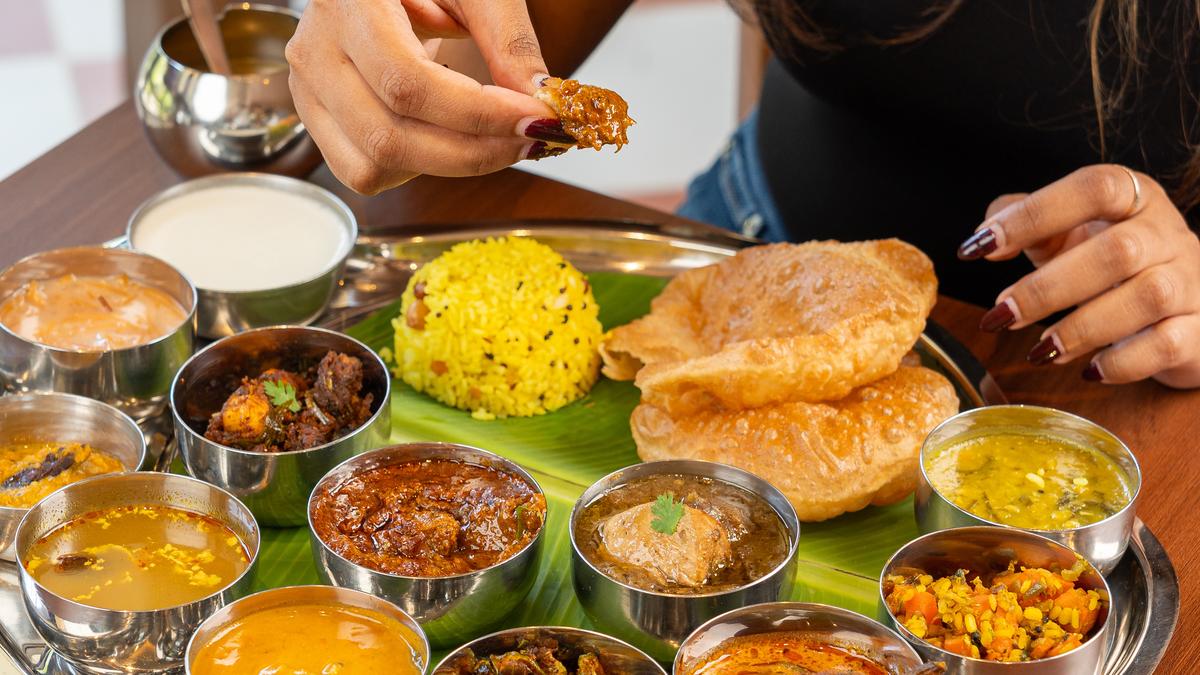
Key to this shift is the "hyperlocal" focus. Restaurants are no longer content with a generic "South Indian" or even "Andhra" label. Instead, they are spotlighting micro-cuisines, such as Karimnagar-style wings, Godavari-style seafood, and the unique pulse-based dishes of Uttar Andhra.
Chronology: From 1985 to the Neo-Telangana Era
The evolution of this movement can be traced through the history of the city’s iconic establishments and the emergence of modern "neo-regional" kitchens.
The Foundation: The Legacy of Hotel Indu Deluxe
The roots of this revival lie in the persistence of traditional eateries that refused to succumb to the "multicuisine" pressure. Hotel Indu Deluxe, founded by Venugopal Reddy in 1985, stands as a testament to this endurance. For nearly four decades, it served authentic Telugu fare to a loyal clientele. The recent decision by his son, Rohit Reddy, to open a second outlet in the upscale neighborhood of Banjara Hills marks a pivotal moment. It signals that traditional Telugu food has moved from the "functional meal" category to a "premium dining" experience.
The Rise of Regional Specialization (2010s–Present)
The last decade saw the emergence of players like Spicy Venue, which began popularizing staples like muddapappu avakaya annam (dal and mango pickle rice) in a formal setting. This period broke the myth that diners would only pay for "complex" dishes like biryani or butter chicken.
The Modern Renaissance (2023–2025)
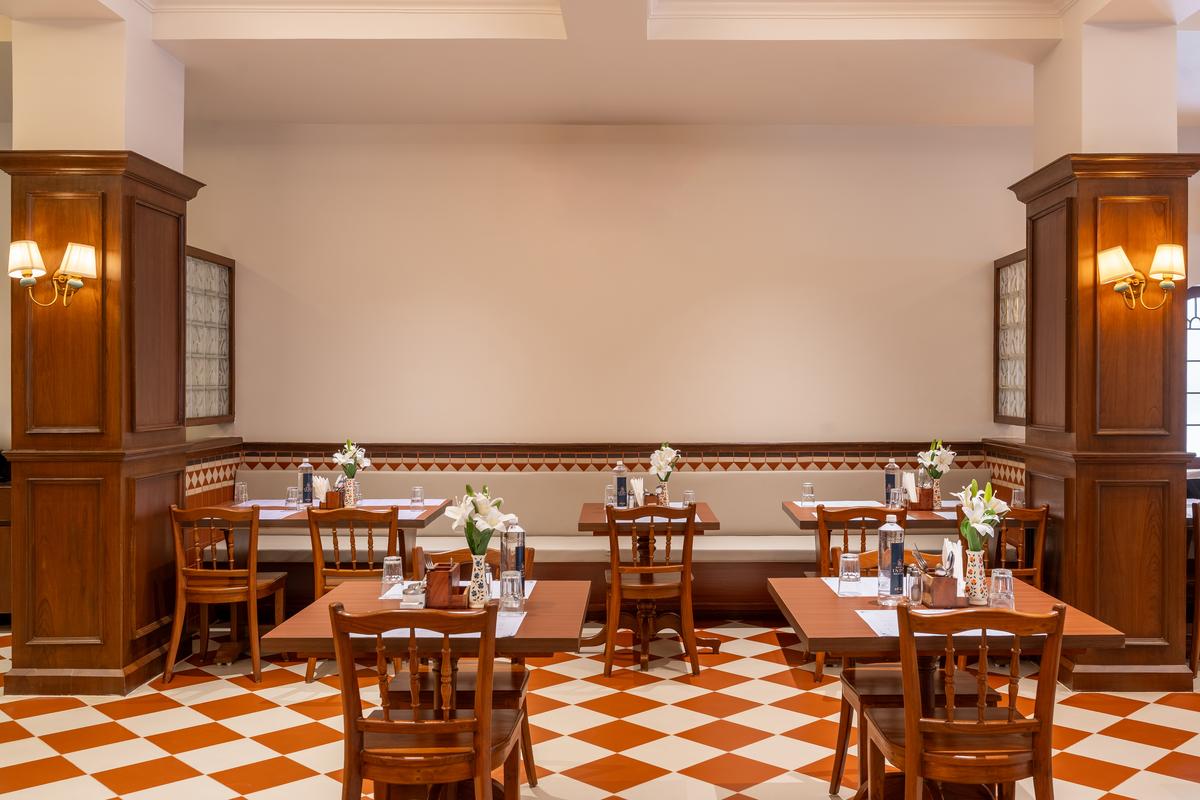
The current phase is characterized by an "archival" approach. New entrants like Terrai – Neo Telangana Kitchen & Bar and Theta Theta Telugu are not just serving food; they are curating history. They treat recipes as intangible heritage, reintroducing millets, robust shorbas, and traditional techniques that echo the Deccan’s rugged terrain and communal history.
Supporting Data: The Anatomy of the New Telugu Menu
The shift in consumer preference is backed by a significant diversification of the menu across three distinct categories:
- The Rise of the ‘Pappu’ and ‘Charu’: Dals (pappus) and lentil soups (rasam/charu) have been elevated from side dishes to stars. Gongura pappu, thotakura pappu, and mamidikaya (mango) pappu are now central to the dining experience, often served with vadiyalu (sun-dried crackers).
- The Pulao Over Biryani Movement: Unlike the long-grain basmati used in biryani, many regional Telugu celebrations use short-grain rice. Restaurants are now highlighting uniquely flavored pulaos that focus on the interplay between meat juices and indigenous rice varieties.
- Street Food Sophistication: Cafes like Coffee Sangam are bringing street-side favorites like punugulu (deep-fried lentil dumplings) and mokka jonna dahi puri (corn-based yogurt snacks) into hygienic, air-conditioned environments, catering to a demographic that craves nostalgia but demands quality.
- Micro-Regional Representation: The inclusion of Uttar Andhra cuisine—led by home chefs like Sowjanya Narsipuram—introduces Hyderabad to flavors built on pulses, beans, and mustard powder, such as matki pappu and jeedi kobbari paala koora (cashew and coconut milk curry).
Official Responses: Voices from the Culinary Frontline
Industry leaders emphasize that this shift is driven by a combination of cultural pride and a maturing market.
Rohit Reddy, Manager of Hotel Indu Deluxe, highlights the self-sufficiency of the cuisine: "Everyone is inquisitive about Telugu cuisine. Our cuisine has so much to offer that we don’t need a multicuisine menu. Our cooks are from Bheemavaram, Warangal, West Godavari, and Rajahmundry. There is no need to borrow dishes from elsewhere."

Sampath Tummala, Owner of Spicy Venue and Theta Theta Telugu, discusses the need for elevated presentation: "There has to be a distinction between a rushed lunch and one you plan to celebrate. Telugu food was long identified with the thali, but now it’s time for individual dishes to shine. We serve chepala pulusu in a stone pot, bubbling as it reaches the table."
Chef Vignesh Ramachandran of Coffee Sangam points to the psychological comfort of regional flavors: "As Indians, we return to familiar flavors for comfort. When you compare our regional cuisine with Western offerings, the variety and flavor give us an edge."
Gopi Bylapula of Culinary Lounge looks toward global recognition: "Showcasing regional food can drive cultural and culinary tourism while preserving intangible heritage. In 2025, UNESCO inscribed Italian cuisine… Telugu cuisine, too, must aim for global recognition, given its depth and centuries-old techniques."
Implications: Cultural Tourism and the Future of the Plate
The broadening of Hyderabad’s food scene has several long-term implications for the city’s economy and cultural standing.

1. The Death of the ‘Standard’ Menu
The "overkill of kebabs" and cream-heavy gravies that dominate much of North Indian and North-Indian-influenced menus is being challenged. Diners like Ankita Choudhary, founder of the ad agency Concept Crate, note that kodi vepudus (chicken fries) and roasts offer a "textured alternative" to the predictability of grilled meats. This indicates a shift toward "cleaner" flavors where the quality of the produce and the specific heat of the chili take center stage.
2. Gastronomic Tourism
By categorizing thalis by region—Andhra, Telangana, Godavari, and Rayalaseema—establishments like Bhojanam are turning a meal into an educational journey. This "curated dining" attracts tourists who are looking for an authentic experience of the South beyond the stereotypical idli-dosa-biryani triad.
3. Sustainability and Health
The "Neo-Telangana" approach often foregrounds millets and indigenous grains. As global food trends move toward sustainability and biocultural diversity, Telugu cuisine’s historical reliance on seasonal vegetables, pulses, and hardy grains positions it perfectly for the modern, health-conscious consumer.
4. Empowerment of Home Chefs
The appetite for hyperlocality has created a bridge between domestic kitchens and commercial spaces. The success of home chefs like Sowjanya Narsipuram in introducing niche regional flavors like guna charu (semi-ripe jackfruit soup) suggests that the future of the industry lies in "culinary archives"—reviving recipes that were on the verge of being forgotten.
5. Global Recognition
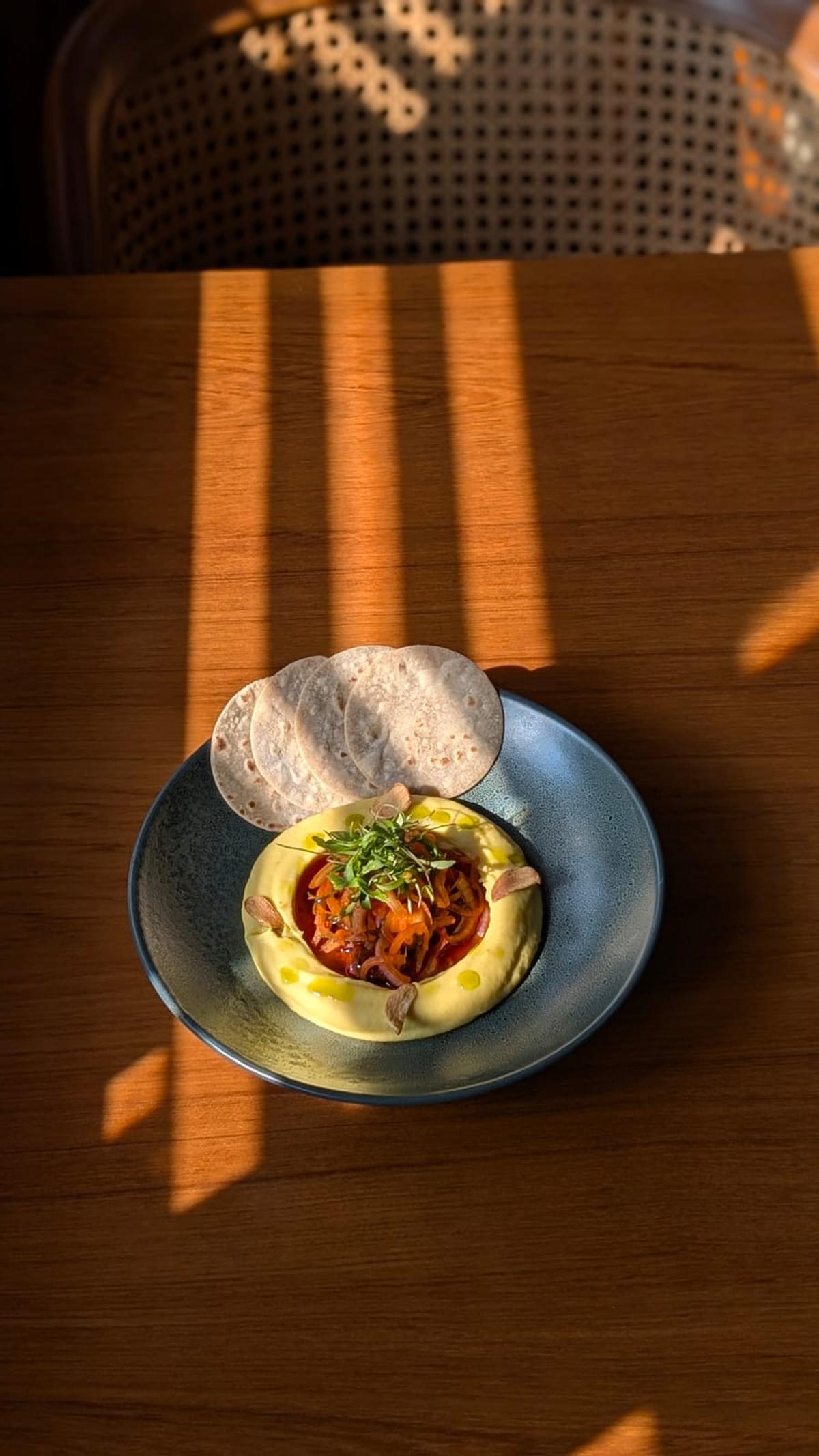
As Gopi Bylapula suggested, the ultimate goal is international prestige. By treating Telugu cuisine with the same "fine-dining" reverence as French or Italian food—serving rasam as an amuse-bouche or presenting a whole grilled murrel fish (the city’s answer to lobster)—Hyderabad is preparing its culinary heritage for a global stage.
In conclusion, Hyderabad is no longer just the "Biryani Capital." It is evolving into a sophisticated hub of regional excellence. The city’s table is widening, and in doing so, it is inviting the world to discover that the true soul of its food lies in the diversity of its pappus, the heat of its vepudus, and the deep, communal history of the Telugu people.
