

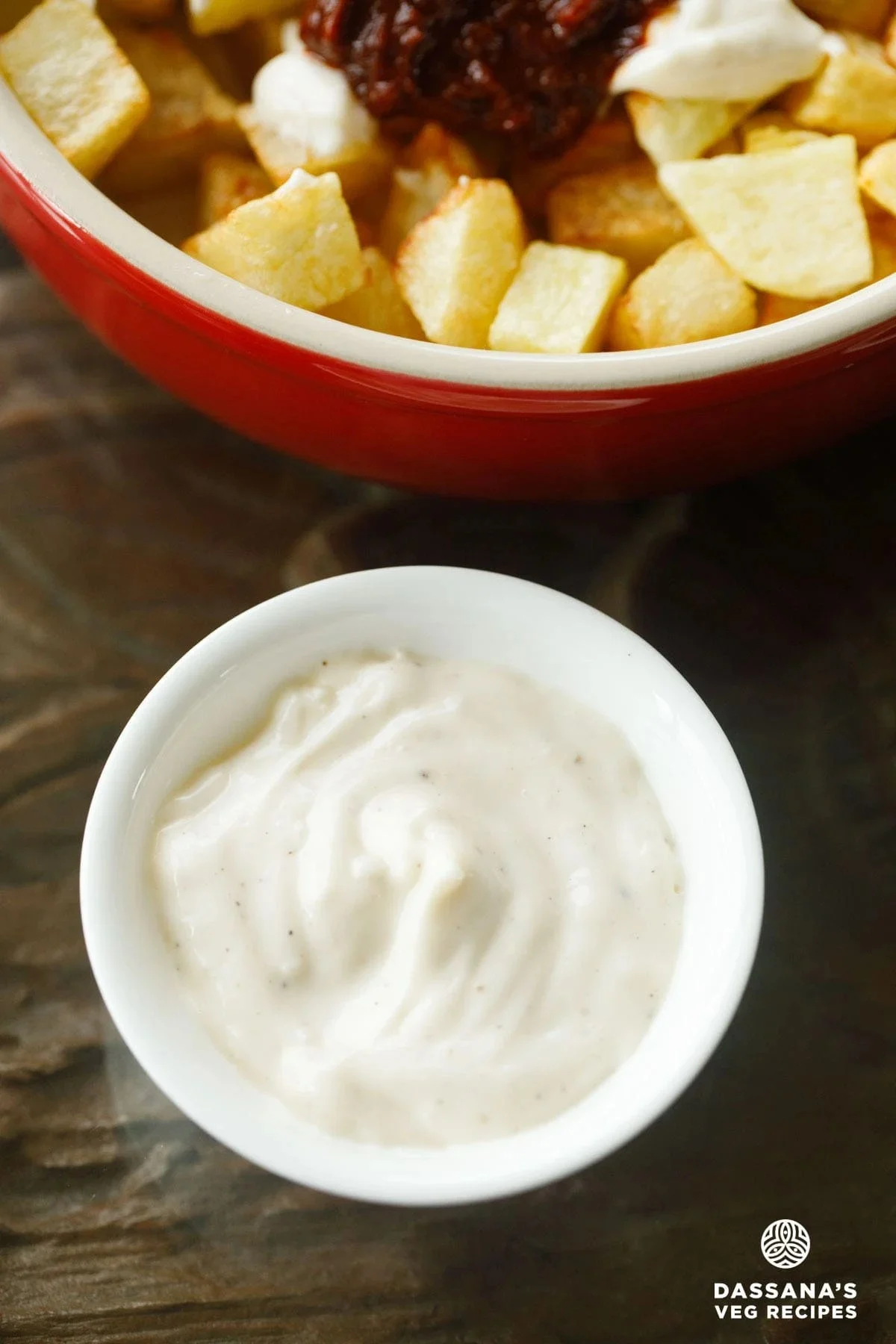
NEW DELHI – In an era where culinary complexity often overshadows the beauty of simplicity, renowned vegetarian chef and Le Cordon Bleu-trained patissier Dassana Amit has unveiled a streamlined approach to a Mediterranean staple: Garlic Aioli. This modern iteration of the classic sauce marks a significant shift in home-cooking trends, prioritizing accessibility and flavor balance over the arduous traditional methods of manual emulsification.
The recipe, which has quickly gained traction among vegetarian communities and home cooks alike, strips the traditional condiment down to its essential components. By utilizing a high-quality mayonnaise base, Amit addresses a common pain point for domestic chefs: the high failure rate of creating a stable oil-and-garlic emulsion from scratch.
Main Facts: A Simplified Gourmet Experience
The core of Amit’s garlic aioli lies in its four-ingredient architecture. Unlike the traditional Provençal or Catalan versions, which require a mortar and pestle to slowly marry garlic cloves with olive oil, this version leverages the stability of pre-existing emulsions.

The Composition
The recipe calls for a precise blend of:
- Mayonnaise: Half a cup of high-quality store-bought or homemade mayonnaise serves as the creamy foundation.
- Fresh Garlic: Half a teaspoon of finely minced cloves provides the pungent, aromatic "bite."
- Lemon Juice: One teaspoon of freshly squeezed juice (strictly avoiding bottled concentrates) to provide acidity and brightness.
- Black Pepper: A quarter teaspoon of freshly cracked pepper to add a subtle heat and depth.
By omitting additional extra virgin olive oil—a common inclusion in many "shortcut" recipes—Amit maintains a cleaner texture. "Since the mayonnaise already provides a rich and creamy texture, I find it unnecessary and prefer to keep the recipe simple," Amit noted during the recipe’s release. This decision reflects a broader movement toward "clean-label" home cooking, where unnecessary fats are discarded in favor of structural efficiency.
Chronology: From Ancient Mortars to Modern Tables
To understand the significance of this recipe’s popularity, one must look at the historical trajectory of aioli, a sauce whose roots are buried deep in the Mediterranean basin.

The Ancient Origins
Historians trace the origins of aioli back to the Roman Empire, though it is most famously associated with the regions of Provence in France and Catalonia in Spain (where it is known as allioli). For centuries, the process remained unchanged: garlic was crushed into a paste, and olive oil was added drop by drop, requiring immense physical labor and a deep understanding of temperature and friction.
The Industrial Shift
With the 20th-century invention of commercial mayonnaise, the definition of aioli began to blur. In professional kitchens across the globe, "aioli" became a shorthand for "garlic-flavored mayonnaise." While purists argued that this was a culinary misnomer, the public embraced the creamy, stable result.
The Contemporary Refinement
The 2020s have seen a resurgence in "from-scratch" cooking, yet modern time constraints remain a barrier. Amit’s intervention in this timeline represents the "Third Way" of condiment preparation. It acknowledges the history of the sauce while utilizing modern conveniences to ensure that high-quality, flavorful food remains achievable for those without hours to spend in the kitchen.

Supporting Data: The Science of Flavor and Nutrition
The efficacy of Amit’s garlic aioli is not merely anecdotal; it is rooted in the chemistry of food preparation and nutritional density.
The Rest Period and Allicin Development
One of the most critical instructions in Amit’s guide is the mandatory 10-to-15-minute rest period before serving. This is scientifically significant. When garlic is minced, an enzyme called alliinase converts alliin into allicin, the compound responsible for garlic’s signature aroma and health benefits. Allowing the mixture to sit allows these volatile compounds to infuse the lipid-heavy mayonnaise, creating a "rounded flavor" that prevents the garlic from tasting overly sharp or "raw" on the palate.
Nutritional Profile
A single serving of this aioli (calculated at approximately three servings per recipe) contains:

- Calories: 242 kcal
- Total Fat: 24g (with 3g of Saturated Fat)
- Sodium: 213mg
- Carbohydrates: 3g
- Vitamin C: 1mg (derived from the fresh lemon juice)
While high in fats, the recipe is naturally low in sugars (0.05g) and carbohydrates, making it a viable option for those following ketogenic or low-carb lifestyles. The presence of trace amounts of Vitamin K, Calcium, and Magnesium further elevates it above processed, shelf-stable flavored spreads.
Comparative Analysis
In comparison to store-bought "Garlic Mayo" products, this homemade version eliminates common stabilizers like xanthan gum, potassium sorbate, and artificial "garlic flavoring." The cost-to-flavor ratio also favors the homemade approach, as it utilizes pantry staples to create a product that rivals restaurant-grade dipping sauces.
Official Responses: Insights from the Chef
Dassana Amit, the architect behind this culinary approach, brings over 16 years of experience to the table. As a certified pastry chef from Le Cordon Bleu and a specialist in plant-based patisserie, her endorsement of this simplified method carries weight in the gastronomic community.

"I hope you enjoy this easy garlic aioli recipe as much as we do," Amit stated. Her philosophy centers on "honest, soulful vegetarian cooking," which she believes should be accessible to everyone. By providing step-by-step photographic guidance, she seeks to demystify the process of flavor layering.
Culinary analysts suggest that Amit’s focus on the "balanced garlic flavor" is what sets this recipe apart. Many commercial recipes over-index on acidity or sugar to mask the use of dried garlic powder. Amit’s insistence on fresh lemon juice and fresh minced cloves reflects a commitment to the Mediterranean diet’s core values: freshness and simplicity.
Implications: The Future of Homemade Condiments
The ripple effects of this recipe’s popularity point to several shifting dynamics in the global food landscape.

The "Premiumization" of Home Snacks
As the cost of dining out increases, consumers are looking for ways to "elevate" simple home meals. The application of garlic aioli to basic snacks like Patatas Bravas, French fries, and roasted vegetables transforms a standard side dish into a gourmet experience. This trend suggests a growing market for "component cooking," where the focus is on a single, high-quality sauce that can be used across multiple meals.
Health and Transparency
With increasing awareness of "ultra-processed foods" (UPFs), recipes like Amit’s offer a bridge for consumers. While mayonnaise is a processed product, the ability to control the quality of the garlic, the freshness of the lemon, and the amount of salt allows for a level of transparency that pre-packaged jars cannot provide.
Cultural Integration
The recipe also highlights the globalization of the vegetarian palate. Dassana Amit, primarily known for her expertise in Indian cuisine, successfully integrating a Mediterranean staple into her repertoire demonstrates how culinary boundaries are becoming increasingly porous. The sauce’s versatility—pairing equally well with a veggie burger or a paneer shawarma—underscores a future where "fusion" is not a forced concept, but a natural evolution of the modern pantry.

Storage and Safety Considerations
From a food safety perspective, the transition to homemade condiments requires a shift in consumer behavior. Unlike commercial products with a six-month shelf life, Amit’s aioli is designed for immediate consumption or short-term refrigeration (1 to 2 days). This encourages a "batch-on-demand" mentality, reducing food waste and ensuring that consumers are always eating the freshest possible ingredients.
Conclusion
Dassana Amit’s garlic aioli is more than just a recipe; it is a case study in modern culinary adaptation. By respecting the flavor profile of the past while embracing the efficiency of the present, Amit has provided a roadmap for the future of home cooking. As the world moves toward more mindful, plant-based eating, the demand for simple, high-impact condiments is set to grow, placing this four-ingredient aioli at the forefront of a kitchen revolution.
About the Author: Dassana Amit is a vegetarian chef and baker with decades of experience. Professionally trained in Indian and continental cooking, she holds a certification in plant-based patisserie from Le Cordon Bleu. She has spent over 16 years sharing trusted vegetarian recipes with a global audience.
