

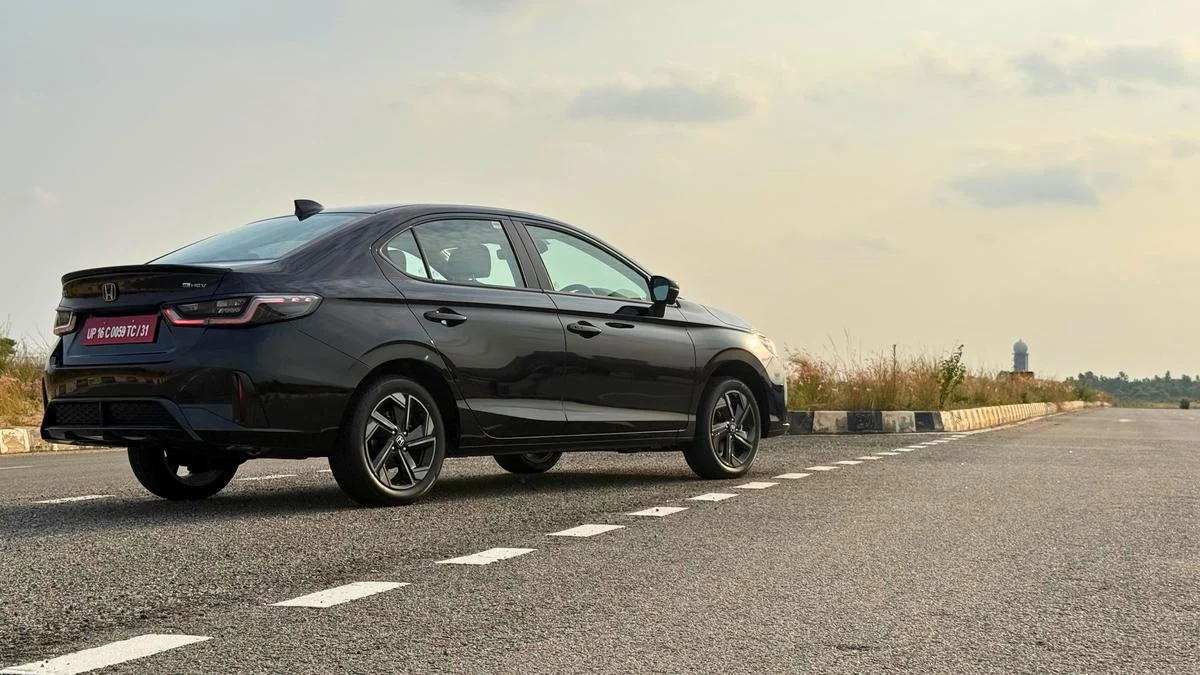
The midsize sedan segment in India, once the undisputed crown jewel of the automotive market, has undergone a radical transformation over the last five years. For a period, the conversation was dominated by the "European Invasion"—the Volkswagen Virtus and the Skoda Slavia—which brought turbocharged performance and Teutonic handling to the masses. While enthusiasts flocked to these machines, the legendary Honda City seemed to take a backseat, maintaining its steady pace while the industry pivoted toward high-octane drama.
However, the arrival of the 2026 Honda City signals a definitive end to that period of quietude. By blending a refreshed, sophisticated aesthetic with a state-of-the-art strong-hybrid powertrain, Honda has reclaimed its position not just as a participant, but as a leader. The 2026 model represents a masterclass in "evolution over revolution," proving that in a market obsessed with spec-sheet bravado, refinement and efficiency remain the ultimate luxuries.
Main Facts: The 2026 Refresh at a Glance
The 2026 Honda City enters the market with a clear mission: to offer a "no-compromise" package that appeals to the head and the heart. Priced between INR 11.99 lakh and INR 20 lakh (ex-showroom), the lineup continues to offer both the tried-and-tested 1.5-litre i-VTEC petrol engine and the flagship e:HEV strong-hybrid system.
Key highlights of the 2026 update include:
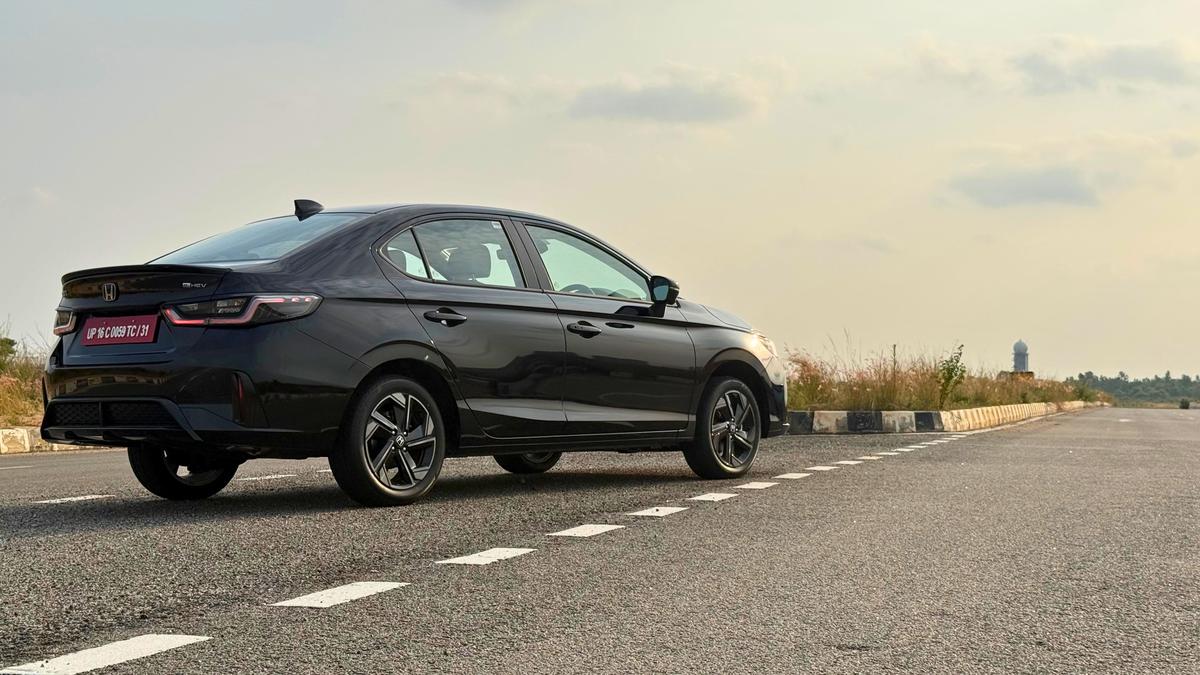
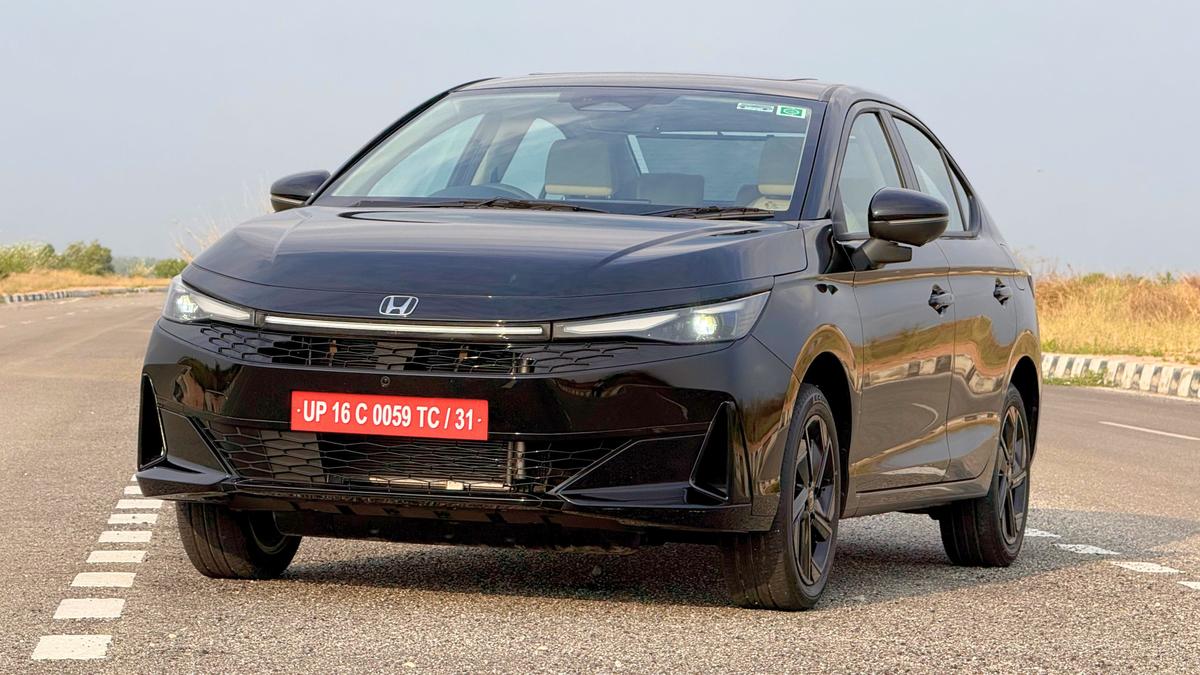
- Aesthetic Refinements: The introduction of "Blade-Eye" LED headlamps, a redesigned front grille, and a connected light bar at the rear.
- Powertrain Sophistication: The e:HEV system delivers a combined 126 PS and a massive 253 Nm of peak torque, mated to an e-CVT.
- Technological Integration: Standardized Honda Sensing (ADAS) across more variants, including Low-Speed Follow functionality for the hybrid.
- Efficiency Benchmarks: A real-world fuel economy exceeding 23 km/l, setting a high bar for the segment.
- Dimensions: Maintaining its status as one of the largest in its class at 4,594 mm in length, ensuring class-leading cabin space.
Chronology: Two Decades of Dominance and the Hybrid Pivot
To understand the significance of the 2026 Honda City, one must look at the car’s twenty-year legacy in the Indian subcontinent. Since its introduction, the City has been the aspirational benchmark for the Indian middle class. It survived the diesel era, the SUV onslaught, and the recent shift toward downsizing and turbocharging.
In the early 2020s, the segment saw a shift. Rivals like the Hyundai Verna embraced futuristic, polarizing designs, while the Volkswagen Group introduced the MQB-A0-IN platform, focusing on 1.0L and 1.5L turbo-petrol engines. Honda’s response was calculated. Rather than chasing the "boy racer" demographic with a stiff suspension and a loud exhaust, Honda invested in the e:HEV technology.
The 2026 model represents the third major iteration of this "New Era City." It builds upon the 5th-generation platform but incorporates feedback regarding tech-savviness and road presence. This chronology shows a brand that refuses to be reactionary; instead, Honda has doubled down on its core philosophy of "Man Maximum, Machine Minimum," now augmented by a "Green Performance" mandate.
Supporting Data: Engineering Excellence and Performance Metrics
The heart of the 2026 Honda City’s appeal lies in its technical composition, particularly the strong-hybrid variant.
The e:HEV Powertrain
Unlike mild hybrids that merely assist the engine, Honda’s self-charging system utilizes a 1.5-litre Atkinson-cycle i-VTEC engine acting primarily as a generator. This is paired with two electric motors and a lithium-ion battery.
- Performance: The 0-100 km/h sprint is dispatched in a brisk 7.9 seconds. While it lacks the "kick-in-the-pants" feel of a DSG-equipped Virtus GT, its power delivery is linear, immediate, and eerily silent.
- Drive Modes: The car intelligently toggles between EV Drive (pure electric), Hybrid Drive (engine powers the generator, motor powers the wheels), and Engine Drive (engine connects directly to the wheels via a lock-up clutch for high-speed cruising).
Interior and Practicality
Honda has always been the "space king" of the sedan world. The 2026 model continues this trend:
- Cabin Volume: The 4,594 mm length translates to rear-seat legroom that rivals D-segment sedans.
- Storage: The petrol variants offer 506 litres of boot space. While the hybrid’s boot is slightly compromised by the battery pack, it remains functionally superior to many hatchbacks and compact SUVs.
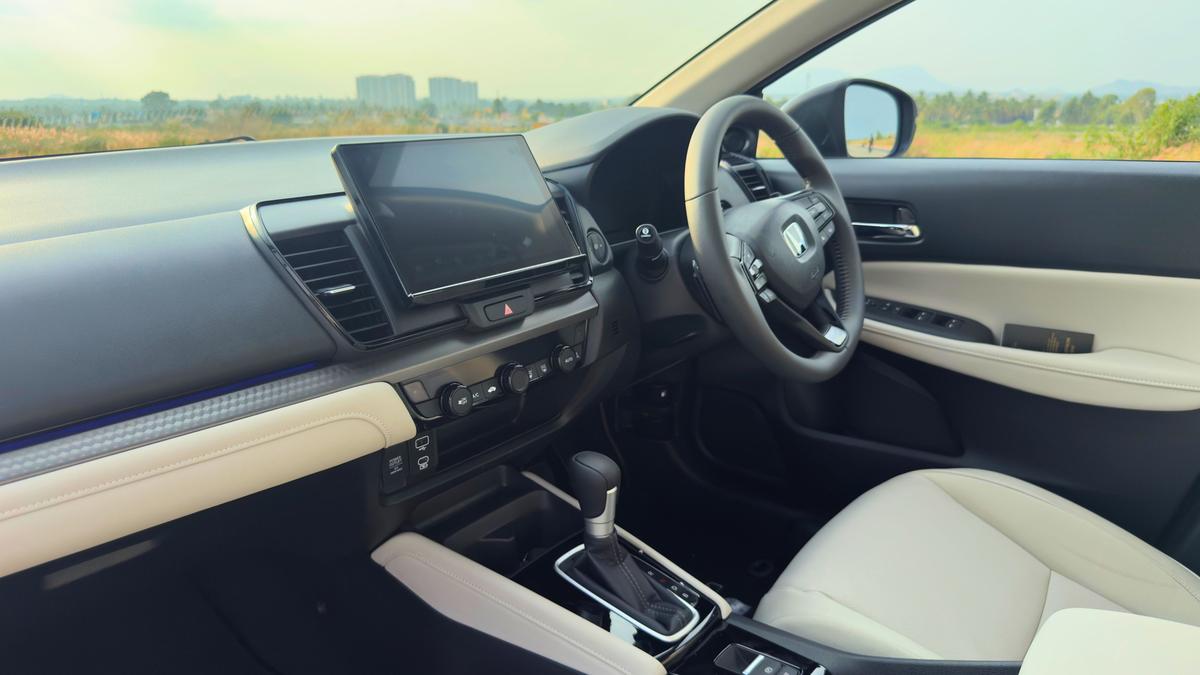
- Comfort Features: New for 2026 are ventilated front seats, a 360-degree camera system, and wireless charging. The integration of wireless Apple CarPlay and Android Auto removes cable clutter, aligning with the "premium" positioning.
Ride and Handling
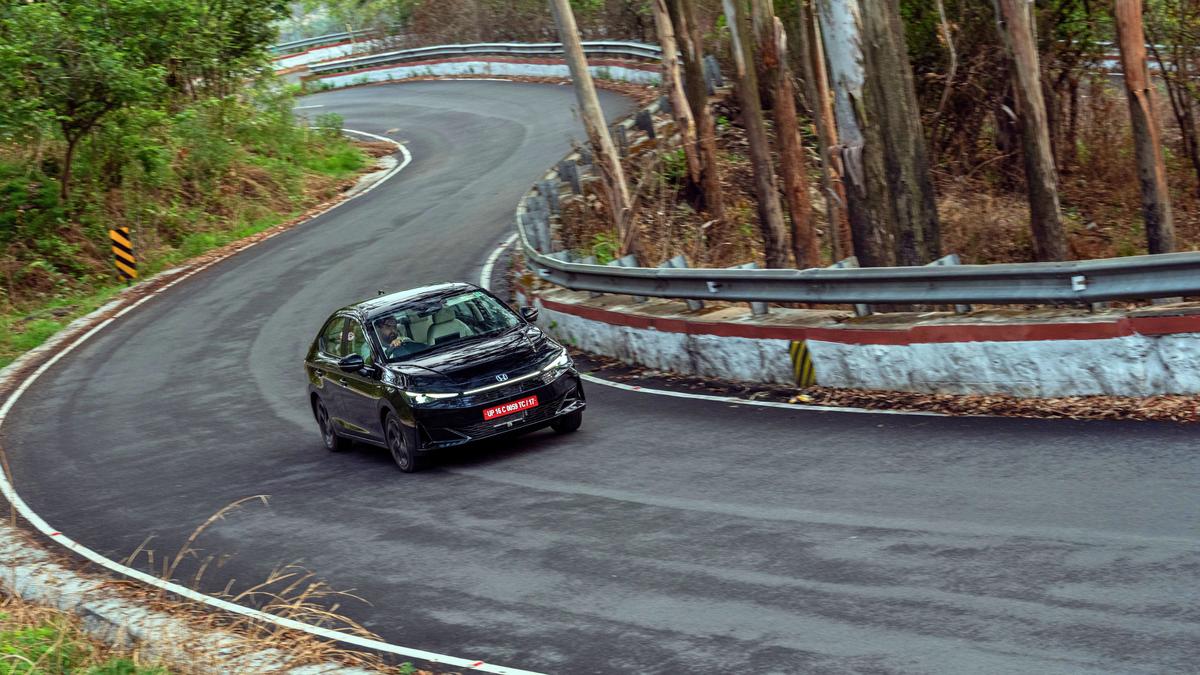
During a comprehensive test drive through the outskirts of Bengaluru and the winding ascents of Nandi Hills, the City’s chassis showed remarkable maturity. The suspension damping has been tuned to handle the additional weight of the hybrid battery, resulting in a ride that is more composed than the previous generation. It absorbs expansion joints and "unscientific" Indian speed breakers with a muted thud, maintaining a level of cabin serenity that is usually the preserve of luxury brands.
Official Responses: Honda’s Philosophy of Restraint
Internal communications from Honda suggest a strategy of "Admirable Restraint." While competitors have moved toward massive, screen-heavy dashboards and aggressive, jagged body lines, Honda’s design team has focused on "Understated Sophistication."
Engineers behind the 2026 update emphasize that the City is designed for the "holistic owner." This is a customer who values reliability and resale value as much as 0-100 times. By opting for a hybrid system over a high-strung turbo-petrol, Honda officials argue they are providing a "future-proof" solution.
"The goal wasn’t to build the loudest car in the segment," a spokesperson noted during the drive event. "The goal was to build the smartest. A car that is fast when you need it to be, but incredibly efficient when you’re stuck in the daily commute." This official stance highlights a pivot toward "conscious luxury"—where the performance does not come at the cost of environmental or financial excess.
Implications: The Smartest Contender in a Changing Market
The 2026 Honda City arrives at a critical juncture for the Indian automotive industry. As fuel prices remain volatile and the infrastructure for pure Electric Vehicles (EVs) continues to mature, the strong-hybrid emerges as the most pragmatic "middle path."
1. The Death of the Diesel Sedan
With the 2026 City Hybrid delivering over 23 km/l, the last remaining argument for diesel sedans has effectively vanished. The City offers the torque and frugality of a diesel with the refinement and low emissions of a petrol. This will likely force competitors to reconsider their powertrain strategies for the next decade.
2. Redefining "Enthusiast" Appeal
For years, an "enthusiast" car was defined by its manual gearbox and turbo-lag. The City Hybrid challenges this notion. It suggests that enthusiasm can also be found in seamless tech integration, instant electric torque, and the "game-ified" experience of maximizing regenerative braking.
3. Market Sentiment Shift
While the Volkswagen Virtus and Skoda Slavia will continue to hold the hearts of those who prioritize high-speed cornering and "tunability," the Honda City is positioned to capture the larger "prosumer" market. These are buyers who want a premium experience, advanced safety (via Honda Sensing), and a car that feels "expensive" to sit in and drive, without the associated high running costs.
Conclusion: The Enduring Legacy
The 2026 Honda City is a reminder that excellence doesn’t always need to shout. Through a series of meaningful updates—slimmer Blade-Eye LEDs, a more responsive hybrid heart, and a suite of ADAS features—Honda has polished a diamond that was already quite bright.
In the final analysis, the City remains the "default" choice for a reason. It is the most well-rounded package in the segment, offering a level of polish and real-world usability that its more dramatic rivals struggle to match. It may not be the car that wins every drag race, but it is the car you would want to own for the next ten years. In a world of fleeting trends, the 2026 Honda City stands as a monument to the enduring value of a well-engineered sedan. It isn’t just a car; it’s a statement that the sedan is not only alive but, in its hybrid form, is more relevant than ever.
