

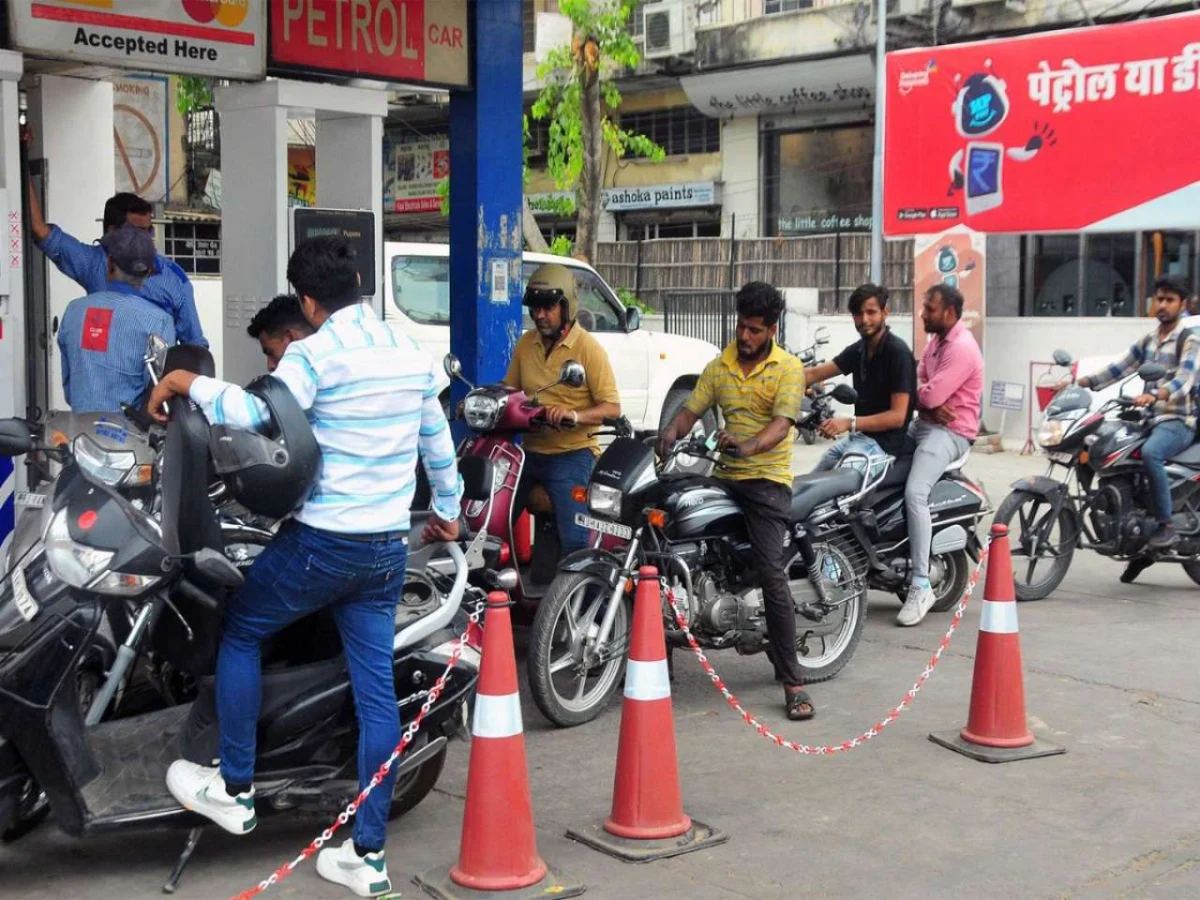
NEW DELHI, India – India’s ambitious push towards an E20 fuel blend, incorporating 20% ethanol with gasoline, is encountering significant consumer pushback despite fervent assurances from the government and leading automotive manufacturers. While lauded as a critical step towards enhancing energy security and reducing the nation’s reliance on crude oil imports, the transition’s success hinges on overcoming public skepticism through robust communication, regulatory clarity, and measures designed to build enduring consumer trust, say industry experts and legal professionals.
The initiative, aimed at reducing the environmental footprint of transportation and bolstering indigenous fuel production, represents a significant policy shift. However, a recent surge in consumer grievances regarding vehicle performance, mileage, and potential long-term damage threatens to derail its momentum. As the nation navigates this crucial energy transition, stakeholders are emphasizing the imperative of a balanced approach that champions both environmental sustainability and consumer protection.
The E20 Imperative: A Decade of Progress Towards Energy Security
India’s ethanol blending program is not a sudden policy shift but the culmination of years of strategic planning and concerted efforts. From a modest 1.5% blending level just a decade ago, the nation has achieved a remarkable ascent to 20%, a testament to consistent policy implementation and coordinated action across government and industry. This journey has been primarily driven by the twin objectives of fortifying India’s energy security and mitigating the environmental impact of fossil fuels.
Dr. C.K. Jain, President of the Grain Ethanol Manufacturers Association (GEMA), underscores this achievement, hailing India’s progress from 1.5% to 20% ethanol blending as a significant victory for energy security. "India’s ethanol blending programme reflects years of consistent policy implementation and coordinated efforts across government and industry, witnessing remarkable progress as blending levels increased from a meagre 1.5% to 20% in 10 years. This has delivered tangible outcomes in reducing crude-oil dependence and strengthening India’s energy security," notes Dr. Jain. This trajectory positions India as a leader among developing nations in adopting cleaner alternative fuels, reducing its substantial import bill for crude oil, and enhancing the self-reliance of its energy sector.
)
Beyond energy security, the program also carries significant environmental benefits, with ethanol acting as a cleaner-burning fuel that reduces greenhouse gas emissions. Economically, it offers a diversified revenue stream for farmers, particularly those in the sugar and grain industries, by creating a consistent demand for ethanol feedstock. This multi-faceted approach underscores the strategic importance of E20 to India’s future.
Mounting Consumer Concerns: A Reality Check on the Ground
Despite the compelling macro-level benefits and official reassurances, public sentiment surrounding the E20 rollout remains largely negative. This palpable disconnect between policy intent and public perception is starkly illustrated by a recent LocalCircles survey, which paints a worrying picture of consumer dissatisfaction.

The survey revealed that a staggering 53% of respondents characterized the government’s handling of the E20 rollout as "disastrous" or "ineffective," while only a mere 13% offered a positive rating. These figures are a direct reflection of the anxieties permeating the consumer base, pointing towards a significant trust deficit that needs urgent attention.
The concerns are not merely anecdotal but are rooted in tangible experiences:
)
- Mileage Reduction: A substantial 66% of respondents reported a drop in vehicle mileage exceeding 10%. This is a critical economic concern for motorists, as reduced fuel efficiency directly translates to higher running costs. Ethanol, having a lower energy density than pure petrol, inherently offers slightly less mileage, but a drop of over 10% is a significant impact that many consumers feel was not adequately communicated or accounted for.
- Increased Maintenance and Wear: Nearly half (45%) of the surveyed consumers indicated an increase in vehicle repairs and general wear and tear. Fears of engine damage, corrosion of fuel system components, and premature degradation of rubber and plastic parts in older, non-compatible vehicles are widespread. While modern vehicles are designed to handle E20, the vast fleet of older vehicles on Indian roads presents a genuine challenge, leading to concerns about warranty implications and unexpected maintenance expenses.
- Desire for Choice: A significant 31% of consumers expressed a desire for the option to revert to E0/E10 fuel, even if it meant paying higher prices. This highlights a fundamental longing for consumer choice and a lack of confidence in the current E20 offering. It underscores that for a segment of the population, the perceived risks and inconveniences of E20 outweigh the potential cost savings or environmental benefits.
These survey results collectively suggest that while the government and industry are focused on the broader strategic advantages of E20, they may have underestimated the on-ground impact and the need for a more granular, empathetic approach to consumer engagement.
Industry and Government Response: Assurances Amidst Apprehensions
In response to the growing scrutiny and consumer apprehensions, both the government and major automakers have stepped up efforts to defend the safety and compatibility of E20 fuel. Leading manufacturers such as Toyota, Maruti Suzuki, Hero MotoCorp, and Hyundai have collectively affirmed that E20 is safe for their compatible vehicles. Mahindra, a prominent Indian automaker, recently joined this chorus, clarifying that its petrol models are safe to operate on the higher ethanol blend. Crucially, Mahindra also acknowledged that older vehicles might experience "only minor drops in mileage or performance," a concession that, while an attempt at transparency, inadvertently validates a core consumer concern.
)
These automakers are working to address customer concerns more directly and clearly, often through public statements, dealer communications, and technical advisories. The underlying message is that contemporary vehicle designs are robust enough to handle the ethanol blend without adverse effects.
Furthermore, the insurance sector has also provided much-needed clarity. ICICI Lombard and other insurers have confirmed that using E20 petrol will not invalidate motor insurance policies or lead to claim rejections. This specific clarification is vital, as concerns about potential voiding of insurance due to fuel type were a significant source of anxiety for many vehicle owners, particularly regarding unforeseen damages.
)
The government, too, has engaged in media briefings, such as the one held recently at the National Media Centre in New Delhi, to disseminate information and address queries. These efforts represent an attempt to bridge the information gap and reassure the public. However, the persistent negative public sentiment, as evidenced by surveys, suggests that these communications, while necessary, have not yet fully resonated with or convinced a skeptical populace.
The Expert Consensus: A Call for Clarity and Calibration
Experts across various sectors unanimously agree that while the E20 transition is vital for India’s strategic goals, its future success hinges on a calibrated approach that prioritizes consumer confidence. They advocate for complete transparency, robust regulatory frameworks, and genuine collaboration between all stakeholders.
)
Need for Unambiguous Clarity
Kushal Mittal, Vice President of the All India Distillers’ Association (AIDA), articulates a key demand from consumers: "consumers deserve complete clarity on vehicle compatibility, fuel quality, and the transition roadmap." He emphasizes that these are "legitimate expectations and must be addressed through transparent communication." This clarity, Mittal suggests, should encompass:
- Vehicle Compatibility: Clear, model-specific lists indicating which vehicles are fully E20 compliant, which can run on it with minor impacts, and which are entirely incompatible. This information needs to be readily accessible and unambiguous, moving beyond generic assurances.
- Fuel Quality Assurance: Mechanisms to ensure the consistent quality and blend ratio of E20 fuel at every retail outlet, dispelling fears of adulteration or inconsistent ethanol percentages that could harm vehicles.
- Transition Roadmap: A clear plan for the future, including whether E0/E10 will eventually be phased out entirely, and what provisions will be made for owners of older, non-compatible vehicles.
Collaboration and Phased Approach
Mittal further stresses the importance of "govt-industry collaboration and a phased, science-based E20 rollout" to build balanced consumer confidence. He argues that "the objective should not be to create a divide between sustainability and consumer interest, but to advance both together." This implies a strategic rollout that is not rushed, allows for adaptation, and integrates scientific data to address performance concerns proactively. A phased approach would also enable the market to adjust, giving consumers time to upgrade vehicles or seek appropriate modifications if necessary.
)
Global Precedents: Lessons from Brazil, US, and UK
Experts also highlight that India is not alone in its ethanol blending journey, and valuable lessons can be gleaned from international experiences. Sivakumar Ramjee, Executive Director at Nangia Global, points out that global examples like Brazil, the US, and the UK demonstrate that fuel transitions often "take decades and succeed on consumer confidence, not just blending targets." He asserts, "A fuel transition succeeds when consumers have confidence that cleaner fuels will not compromise vehicle performance, warranty protection or insurance coverage."
- Brazil’s Model: Brazil, a pioneer in ethanol use, reached E27 with widespread adoption of flex-fuel vehicles and robust public awareness campaigns. Their success stemmed from long-term commitment, technological adaptation (flex-fuel engines), and consumer education that instilled confidence.
- US Approach: The United States mandates clear fuel labeling at pumps and restricts higher ethanol blends (like E85) to specifically compatible vehicles, ensuring consumers make informed choices and avoid accidental damage to non-compliant cars.
- European Caution: Many European countries continue to offer multiple fuel grades, including E0/E5, to protect older vehicles and provide consumer choice, acknowledging the diverse vehicle fleet on their roads.
These global examples underscore the necessity of a "calibrated approach" for India, one that factors in its unique market dynamics, consumer behavior, and the vast diversity of its vehicle population. Rushing the transition without adequate preparation and consumer buy-in risks alienating a crucial segment of the population and undermining the very goals the program seeks to achieve.
)
Legal Framework: Disclosure, Liability, and Consumer Protection
From a legal standpoint, the E20 transition, if not managed with meticulous attention to disclosure and consumer protection, could spiral into a quagmire of confusion and disputes. Legal experts emphasize the critical need for clear labeling, robust compatibility norms, unambiguous insurance clarity, and transparent grievance redressal mechanisms to build trust and prevent legal entanglements.
Delhi High Court Advocate Vinita Sejwal acknowledges the government’s efforts to clarify that E20 will not void motor insurance and aligns with global practices. However, she stresses that "concerns over vehicle compatibility and long-term performance still need clear, timely answers." The absence of such clarity leaves a legal vacuum regarding accountability should vehicle damage occur due to E20 use.
)
Sai Teja, another Advocate at the Delhi High Court, precisely pinpoints the "core issue with the E20 transition today is consumer uncertainty." Many vehicle owners are grappling with fundamental questions:
- Are their vehicles truly compatible?
- How will prolonged E20 use impact performance and longevity?
- Who bears liability if damage occurs, particularly in older vehicles?
Without definitive answers, Teja warns that this uncertainty could lead to "disputes between manufacturers, retailers, and insurers that leave consumers stuck in the middle." To pre-empt such scenarios, Teja recommends a multi-pronged legal and regulatory strategy:
)
- Mandatory and Uniform Fuel Labelling: Clear, standardized labels at every retail outlet indicating the ethanol blend (e.g., E20, E10) and potentially even compatibility warnings.
- Unambiguous Compatibility Disclosures: Automakers must provide model-wise, year-wise compatibility disclosures that are easily accessible to consumers, perhaps through digital platforms or dealer networks.
- Transparent Insurance Guidelines: Insurers should clearly state how fuel-related claims will be assessed, ensuring there are no hidden clauses that could disadvantage consumers.
- Strong Grievance Redressal Mechanism: A robust, easily accessible system for consumers to lodge complaints and seek resolution for issues arising from E20 usage.
Alay Razvi, Managing Partner at Accord Juris, concurs, stating that the "legal middle ground on E20 is clear: mandate stronger disclosures at fuel stations, give model-wise compatibility guidance from manufacturers, and use a phased rollout that preserves consumer choice where needed." He further clarifies the insurance aspect, asserting that "fuel blend alone should not void cover unless a policy expressly excludes misuse or material non-disclosure." This perspective balances the need to protect consumers with the overarching climate goals, ensuring that insurance policies are fair and transparent.
The legal community’s insights underscore that while policy objectives are crucial, they must be underpinned by a strong framework of consumer rights and protections. Without this, the E20 rollout risks not just public disapproval, but also a cascade of legal challenges that could undermine its legitimacy and implementation.
)
The Road Ahead: Building Trust for a Greener Future
India’s E20 rollout stands at a critical juncture. The promise of enhanced energy security, reduced emissions, and economic benefits is undeniable. However, the prevailing consumer skepticism, evidenced by surveys and expert opinions, presents a significant hurdle that cannot be overlooked. The success of this ambitious national endeavor hinges not just on technological readiness or policy mandates, but fundamentally on the trust and confidence of the millions of vehicle owners across the country.
To navigate this complex terrain successfully, a concerted and collaborative effort is required from all stakeholders:
)
- Government Leadership: The government must take the lead in establishing clear, consistent, and transparent communication channels. This includes providing unambiguous regulatory frameworks, ensuring quality control for E20 fuel, and actively promoting public awareness campaigns that address specific consumer fears with data-backed reassurances.
- Automaker Responsibility: Manufacturers bear a crucial responsibility to provide unequivocal model-specific compatibility information, offer solutions for older non-compatible vehicles, and engage in direct, empathetic dialogue with their customer base.
- Industry Collaboration: The ethanol manufacturing industry, fuel retailers, and automotive sector must collaborate to ensure a seamless supply chain, consistent fuel quality, and widespread availability of E20 while exploring options for alternative fuel grades where consumer choice is paramount.
- Learning from Global Best Practices: Adopting a "calibrated approach" inspired by countries like Brazil, the US, and the UK, which have successfully managed similar transitions over extended periods, can provide valuable insights into phased implementation, robust labeling, and consumer education.
- Robust Grievance Redressal: Establishing an easily accessible and efficient mechanism for consumers to report issues and seek redressal will be vital in building and maintaining trust.
Ultimately, the objective is not to create a dichotomy between India’s clean energy and mobility goals and the interests of its citizens. Rather, it is to advance both together. By genuinely addressing consumer concerns, fostering an environment of transparency, and ensuring fair practices, India can transform the E20 rollout from a point of contention into a shared journey towards a more secure, sustainable, and prosperous future. The road ahead demands not just technical solutions, but a profound commitment to public engagement and trust-building.
