

CRICKET
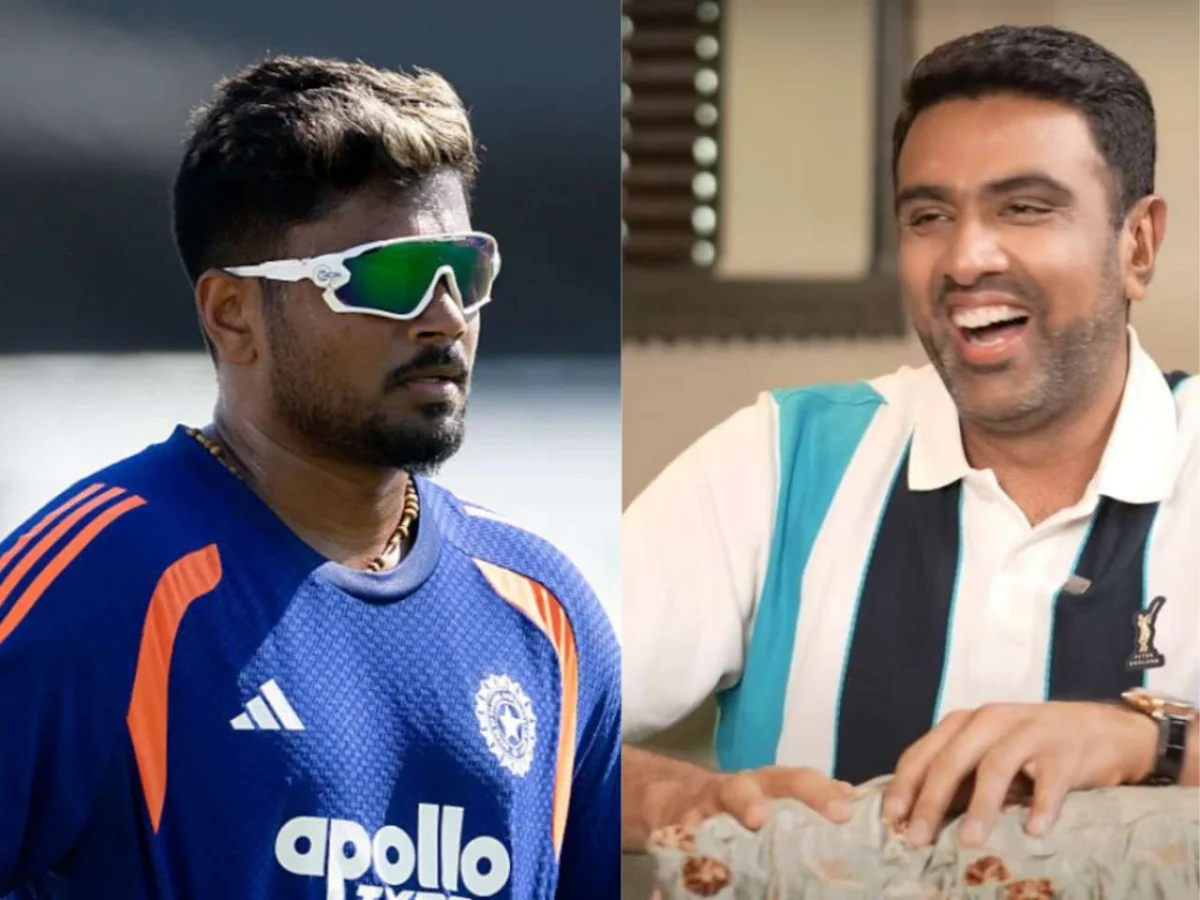
In a cricketing landscape often dominated by intense rivalries and high-stakes contests, moments of levity, particularly when laced with sharp social commentary, often capture the public imagination. Veteran Indian spinner Ravichandran Ashwin, known as much for his cerebral approach to the game as for his candid opinions, recently ignited a significant debate by playfully mimicking Sanju Samson’s supposed frustration over being omitted from India’s squad for the upcoming Zimbabwe series. Ashwin’s humorous impersonation of Samson’s "India lost to Zimbabwe in the 1999 World Cup, I want revenge" remark quickly went viral, delighting fans while simultaneously drawing critical attention to the perennial issues of player selection, management, and the mental toll of an unpredictable international career.
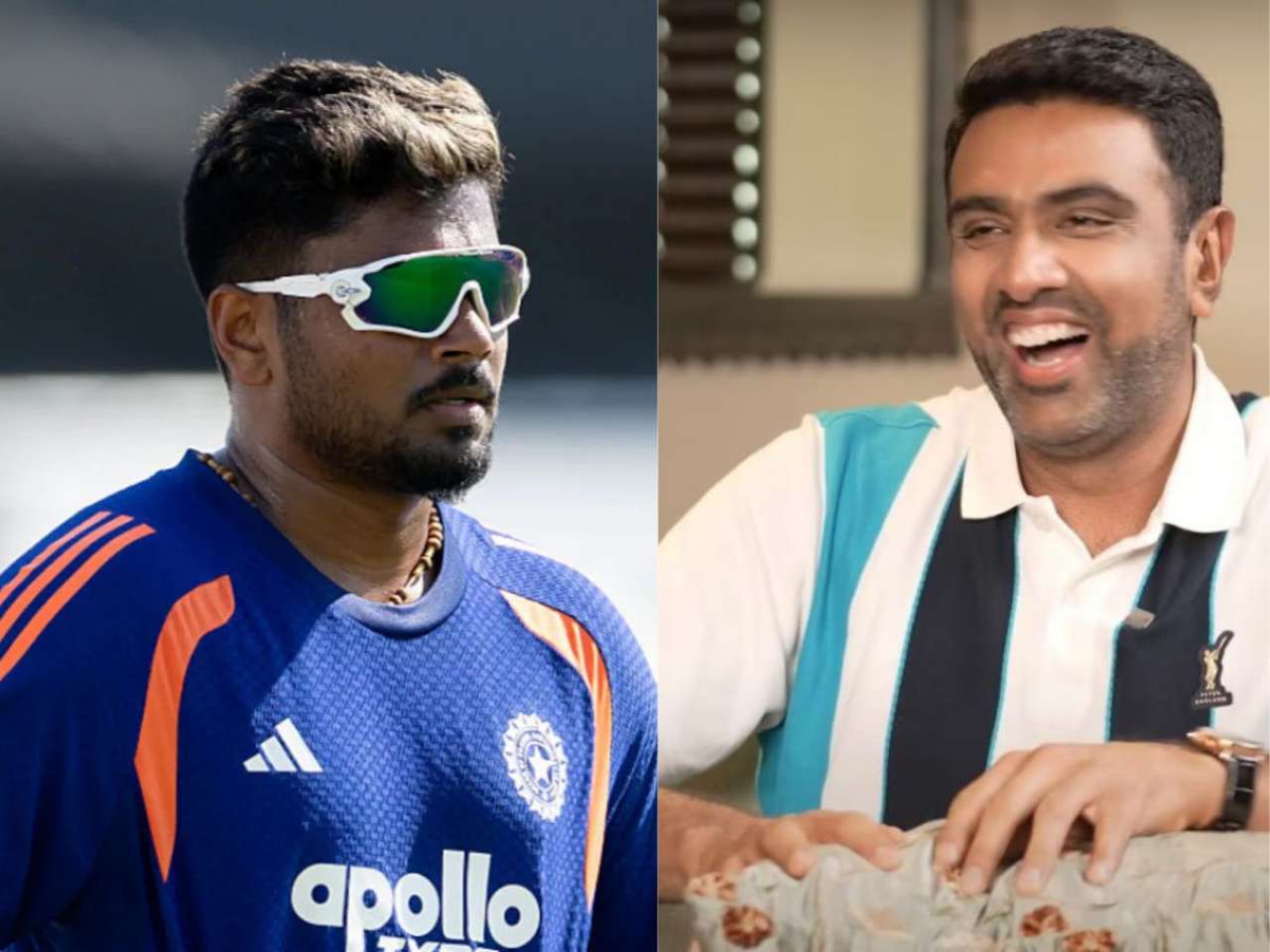
The incident, broadcast on Ashwin’s popular YouTube channel, transcended mere comedy to become a poignant critique of the Board of Control for Cricket in India’s (BCCI) selection policies. What began as a lighthearted skit quickly morphed into a serious discussion about player insecurity, inconsistent selection criteria, and the delicate balance between giving opportunities to new talent and backing established players. This episode has not only left fans in splits but also prompted a wider introspection into the mechanisms governing player careers in a talent-rich cricketing nation like India.
Main Facts: Ashwin’s Viral Mimicry and Its Serious Undertones
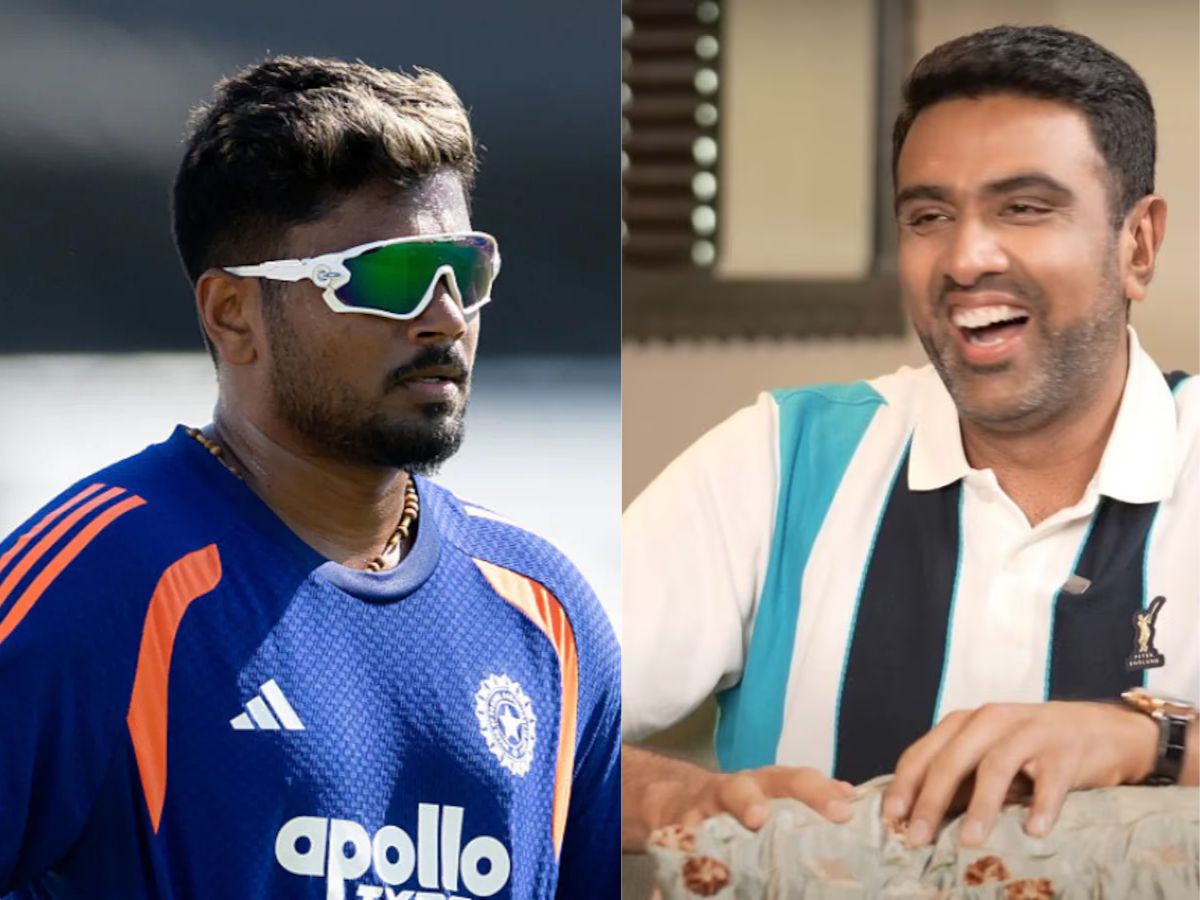
Ravichandran Ashwin, a cricketing stalwart celebrated for his strategic insights and often outspoken nature, recently caused a stir across social media platforms with his hilarious yet pointed mimicry of Sanju Samson. The incident, featuring Ashwin acting out a hypothetical conversation between Samson and chief selector Ajit Agarkar, centered on Samson’s exclusion from India’s squad for the Zimbabwe tour. In the skit, Ashwin, portraying a desperate Samson, expressed a fervent desire to play, citing a historical desire for "revenge" against Zimbabwe for India’s 1999 World Cup loss, emphatically rejecting the official explanation of being "rested."
)
The core of the issue lies in the decision by the Indian selectors to drop Sanju Samson from the squad, ostensibly to manage his workload, despite the fact that he was already benched during the preceding England series. His place as backup wicketkeeper was handed to Prabhsimran Singh, alongside Ishan Kishan, raising questions about the rationale behind such a move, especially given Samson’s limited international appearances in recent times.
Ashwin’s commentary, however, extended beyond mere jest. He transitioned from comedy to a sharp critique, arguing that such decisions foster insecurity among players, potentially leading to a detrimental shift in their approach to the game. He highlighted the apparent double standards in selection, drawing parallels with past instances, including the handling of Suryakumar Yadav, and contrasting Samson’s situation with the more patient approach seemingly afforded to other emerging talents like Sai Sudharsan. The veteran spinner’s intervention has thus brought to the forefront critical discussions about transparency, fairness, and the psychological impact of selection policies on professional cricketers.

Chronology of Events: Samson’s Rollercoaster and Ashwin’s Intervention
The narrative surrounding Sanju Samson’s recent exclusion is a culmination of several events that paint a picture of an international career marked by intermittent opportunities and fluctuating fortunes.
Samson’s Recent Form and Exclusion
- Pre-Series Expectations: Ahead of India’s limited-overs tours to Ireland and England, there was considerable anticipation regarding Sanju Samson’s role, particularly given his strong performances in domestic cricket and the Indian Premier League (IPL). Fans and pundits alike hoped for a consistent run for the talented wicketkeeper-batsman.
- Ireland and England Series: Samson’s actual opportunities, however, remained sporadic. His scores of 5, 0, and 1 across matches in Ireland and the initial games against England did not help his case. Crucially, during the England series, he found himself on the bench, with young Vaibhav Sooryavanshi being preferred over him, further diminishing his playing time and momentum.
- Zimbabwe Tour Squad Announcement: The most recent development came with the announcement of India’s squad for the Zimbabwe series. Despite a main batting lineup being largely retained, Samson was conspicuously absent. The official word from the selectors was that Samson was being "rested." This explanation immediately raised eyebrows, considering his lack of game time and the general perception that players are "rested" after extensive periods of play across multiple formats, which had not been Samson’s recent experience. Prabhsimran Singh, a promising talent, was named as the backup wicketkeeper, alongside Ishan Kishan, solidifying Samson’s current exclusion.
Ashwin’s Response and Public Outcry
- YouTube Video Release: Shortly after the squad announcement, Ravichandran Ashwin released a segment on his widely followed YouTube channel. This platform has become Ashwin’s preferred medium for expressing his insights and opinions on cricketing matters, often unfiltered and thought-provoking.
- The Satirical Skit: The video featured Ashwin enacting a humorous, yet deeply critical, skit. He portrayed Sanju Samson in a mock conversation with a character representing chief selector Ajit Agarkar (played by the host, Vimal Kumar). Ashwin, as Samson, passionately argued against the notion of being "rested," pointing out his long wait for consistent opportunities since his debut in 2014/2015. The highlight of the skit was Samson’s plea to play, stating, "Sir, c’mon, I joined the team in 2014. I already got ‘rest’—it took eight years to come back! I don’t want rest. I’ll bring my family to Zimbabwe if I have to. I want to play, I’ve never been to Bulawayo. Zimbabwe’s a proud cricket nation—I still remember the 1999 World Cup when they beat India. I want revenge! Let me play, please. I don’t need rest.”
- Transition to Serious Critique: Following the skit, Ashwin transitioned into a serious discussion, laying bare his concerns about the selection committee’s approach. He lambasted the "resting" narrative as a veiled way of dropping players, which, he argued, breeds insecurity within the squad and encourages a defensive mindset, particularly damaging for the aggressive nature required in T20 cricket.
- Viral Spread and Public Reaction: The video, particularly the snippet of Ashwin’s mimicry, quickly went viral across social media platforms. Cricket fans, many of whom have long championed Samson’s cause, resonated with Ashwin’s sentiments. The mimicry was widely shared, drawing laughter and agreement, while his serious critique sparked widespread debate among fans, pundits, and former cricketers. The incident became a trending topic, highlighting the deep public interest and concern over player welfare and selection consistency in Indian cricket.
Supporting Data and Context: Delving Deeper into the Controversy
The controversy surrounding Sanju Samson’s exclusion, amplified by Ravichandran Ashwin’s comments, is not an isolated incident but rather a symptom of deeper systemic issues within Indian cricket’s selection processes. To fully understand the gravity of Ashwin’s critique, it’s crucial to examine Samson’s career trajectory, the competitive landscape for wicketkeepers, the semantics of "rest," and Ashwin’s own history as a vocal critic.
)
Sanju Samson’s Enigmatic Career Trajectory
Sanju Samson, a flamboyant wicketkeeper-batsman from Kerala, made his international debut for India in 2015. However, his journey has been characterized by sporadic opportunities and a frustrating lack of a consistent run in the national team. Despite numerous flashes of brilliance, particularly in the Indian Premier League (IPL) where he has captained Rajasthan Royals and consistently been among the top run-scorers, his international career has struggled to take off.
His talent is undeniable – a fluent stroke-maker, agile behind the stumps, and a natural leader. Yet, he has often found himself in a peculiar limbo, on the fringes of selection, getting called up only to be benched or dropped after a handful of games. This "on-again, off-again" nature of his selection has been a source of immense frustration for his fervent fanbase and has prevented him from establishing himself firmly in any format. His recent scores of 5, 0, and 1, while undeniably poor, came in limited opportunities and arguably do not provide a comprehensive picture of his current form or potential. Many argue that a player of his calibre, after years of waiting, deserves a longer rope to prove his mettle, especially given the high-pressure environment of international cricket.
)
India’s Wicketkeeper Conundrum
The competition for the wicketkeeper-batsman slot in the Indian team is arguably one of the most intense in world cricket, a testament to the country’s vast talent pool. Over the past few years, India has seen a revolving door of wicketkeepers across formats, including Rishabh Pant, Ishan Kishan, Jitesh Sharma, Dhruv Jurel, and now Prabhsimran Singh. Each brings a unique skillset, making selection a complex task.
For the Zimbabwe series, the selectors opted for Ishan Kishan, who has had his own share of inconsistent performances, and Prabhsimran Singh, an exciting young talent known for his aggressive batting. The decision to pick Prabhsimran over Samson, especially when Samson was available and presumably eager to play, has raised questions about the criteria. Is it purely form, or are selectors looking to blood new talent with an eye on future tournaments, even at the expense of established fringe players? The lack of clear communication around these decisions often fuels speculation and public debate.
)
The "Rest" vs. "Dropped" Debate: A Euphemism Under Scrutiny
Ravichandran Ashwin’s central point of contention was the use of the term "rested" for Sanju Samson. In modern professional sports, "resting" players has become a common practice, usually employed to manage the workload of multi-format players or those recovering from injuries, especially in packed international schedules. However, as Ashwin and many journalists point out, "rest" is often used as a euphemism for "dropped" when a player is deemed out of form or when selectors wish to try new options without explicitly stating the player has been removed.
This linguistic ambiguity often backfires, creating more confusion and resentment than clarity. For players who are already fighting for a consistent spot, being told they are "rested" when they haven’t been playing much can feel disingenuous and deeply unsettling. It implies that their services are not required, yet avoids the directness of being dropped, which at least offers a clear message, albeit a harsh one. Ashwin’s mimicry brilliantly highlighted the absurdity and emotional toll of this practice, especially for a player like Samson who has spent years on the sidelines.
)
Ashwin’s History as a Vocal Critic and Influential Voice
Ravichandran Ashwin is not new to speaking his mind on crucial cricketing issues. He has, on several occasions, used his platform to discuss the nuances of the game, player welfare, and the often-unseen pressures faced by cricketers. His YouTube channel has become a significant forum for candid discussions, offering insights that are often missing from mainstream media.
He previously raised similar concerns when Suryakumar Yadav, a prolific T20 batsman, was seemingly "axed" from a squad after a dip in form. Ashwin has consistently advocated for creating a secure environment for players, arguing that fear of failure and the constant threat of being dropped can stifle natural talent and aggressive play, particularly in formats like T20 where players need to express themselves freely. His willingness to speak truth to power, often challenging the establishment’s narrative, has cemented his reputation as a thoughtful and fearless commentator on the game.
)
The Sai Sudharsan Parallel: Double Standards?
Ashwin further strengthened his argument by drawing a parallel with the treatment of Sai Sudharsan, an emerging batting talent. He recalled a recent instance where team management and commentators, including Gautam Gambhir, publicly stated that Sudharsan should not be judged too harshly after just a few Test matches, advocating for more time and opportunities for the youngster to settle in.
Ashwin juxtaposed this patient approach with Samson’s situation, where, despite years of waiting and limited chances, he was seemingly dropped after just a couple of low scores. "Remember when management said you can’t judge Sai Sudharsan in just four Tests? That was barely a month ago. But suddenly, Samson doesn’t even get two more chances," Ashwin remarked. This comparison highlights a perceived double standard, where some players are given extended leeway and public backing, while others, like Samson, are held to an extremely high and unforgiving standard, with their opportunities curtailed swiftly.
)
The 1999 World Cup Reference: A Touch of Historical Poignancy
Samson’s "I want revenge for the 1999 World Cup loss to Zimbabwe" line, as portrayed by Ashwin, was not just a comedic flourish but also a touch of historical poignancy. For older Indian cricket fans, the 1999 World Cup loss to minnows Zimbabwe (by 3 runs) remains a painful memory, an unexpected upset that highlighted the unpredictability of the sport. By invoking this specific historical event, Ashwin’s skit tapped into a collective memory, making Samson’s "desire to play" against Zimbabwe even more relatable and emotionally charged, underscoring the player’s yearning for any opportunity to represent his country, regardless of the opponent.
Official Responses and the Silence of the Board
In the wake of Ravichandran Ashwin’s viral mimicry and his subsequent, more serious critique, the official response from the Board of Control for Cricket in India (BCCI) and the selection committee has been largely characterized by silence. Beyond the initial "rested" tag assigned to Sanju Samson, there has been no further clarification or detailed explanation from chief selector Ajit Agarkar or any other member of the selection panel.
)
This lack of transparency is not uncommon in Indian cricket. Squad announcements are often brief, with minimal justification provided for inclusions or exclusions. While this approach is sometimes attributed to a desire to avoid public controversies or to protect players, it frequently leads to more speculation and frustration among fans and former players alike. In Samson’s case, the silence from the BCCI only reinforces the perception that the "rested" narrative is a convenient shield rather than a genuine explanation.
The team management, too, has refrained from commenting publicly on Ashwin’s remarks or Samson’s situation. Internally, the rationale for Samson’s exclusion might be multifaceted: perhaps a genuine desire to manage the workload of other key players by giving them rest from a relatively less significant tour, or a strategic decision to test new combinations and provide exposure to players like Prabhsimran Singh with an eye on future talent development. However, without official communication, these remain speculative internal considerations.
)
Samson himself has maintained a dignified silence, a common practice for players to avoid jeopardizing future selection prospects. While he has not commented publicly on Ashwin’s video or his exclusion, his social media activity, if any, often provides subtle hints about his state of mind. However, direct confrontation with the board or selectors is almost unheard of for active players, leaving the public to interpret the implications of the official silence. This creates a vacuum where external voices, like Ashwin’s, gain significant traction and influence public opinion.
Implications and Future Outlook: A Critical Juncture
Ravichandran Ashwin’s intervention has brought to light several critical implications for Indian cricket, impacting player morale, selection policy credibility, and the future trajectory of talents like Sanju Samson.
)
Impact on Player Morale and Security
Ashwin’s most potent criticism centered on the corrosive effect of inconsistent selection and the use of euphemisms like "rest" on player psychology. He rightly pointed out that such practices breed insecurity, forcing players to constantly fear for their spot. This fear can be detrimental, especially in T20 cricket, where players are expected to play with freedom and aggression. If batters start "playing for survival" rather than the team, as Ashwin warned, it can stifle natural talent, lead to cautious play, and ultimately undermine the team’s performance. The psychological toll on players constantly battling for relevance, despite possessing immense talent, cannot be overstated. It risks creating a generation of cricketers who are more concerned with individual milestones than collective success.
Credibility of Selection Policy and Transparency
The Samson episode, coupled with Ashwin’s past critiques (like the Suryakumar Yadav instance) and the Sai Sudharsan comparison, casts a shadow on the consistency and transparency of India’s selection policy. Questions arise about the criteria for selection: Is it pure form, potential, tactical fit, or a rotation policy? When the rationale behind decisions appears inconsistent, it erodes trust in the selection committee’s judgment. The lack of clear communication from the BCCI further exacerbates this issue, leaving fans and players alike to speculate and fostering a sense of unfairness. A more transparent and consistent approach, with clear explanations for selections and omissions, would go a long way in building confidence and reducing anxieties.
)
Future for Sanju Samson: A Precarious Path
For Sanju Samson, this latest exclusion represents another significant hurdle in his stop-start international career. Despite his consistent brilliance in the IPL and occasional impactful performances for India, he remains firmly on the fringes. The question now is: What does this mean for his future? Will he get another chance soon, or will he be relegated to the domestic circuit for an extended period? His strong IPL performances have historically kept him in contention, but with increasing competition from younger talents and a seemingly unpredictable selection panel, his path back to consistent international cricket appears precarious. He needs a sustained run of exceptional form, possibly combined with an injury to a frontline player, to break back into the national setup.
Ashwin’s Role as a Fearless Critic
Ashwin’s willingness to speak out, even on sensitive issues that might invite scrutiny from the establishment, further solidifies his role as an important and fearless commentator on the game. In an era where many active players shy away from controversial topics, Ashwin’s candidness is a refreshing change. His platform allows for a critical examination of cricketing affairs, forcing discussions that might otherwise remain suppressed. This contributes positively to the overall health of the sport by encouraging accountability and introspection within the cricketing fraternity.
)
Wider Debate on Player Management and Mental Health
Ultimately, this incident sparks a broader discussion about player management, mental health, and the immense pressures of modern international cricket. How does a cricket-obsessed nation like India balance the demands of nurturing a vast talent pool with providing stability and security to its players? The constant churn of players, while indicative of talent depth, can have profound psychological effects. This debate extends beyond individual players to the very philosophy of team building and player welfare in a high-performance environment. As the cricketing calendar becomes more demanding, ensuring players are not just physically fit but also mentally secure will be paramount for sustained success. The "Zimbabwe revenge" remark, initially a laugh, has now become a powerful symbol of a player’s desperate desire to play, and a veteran’s plea for fairness and consistency.
