

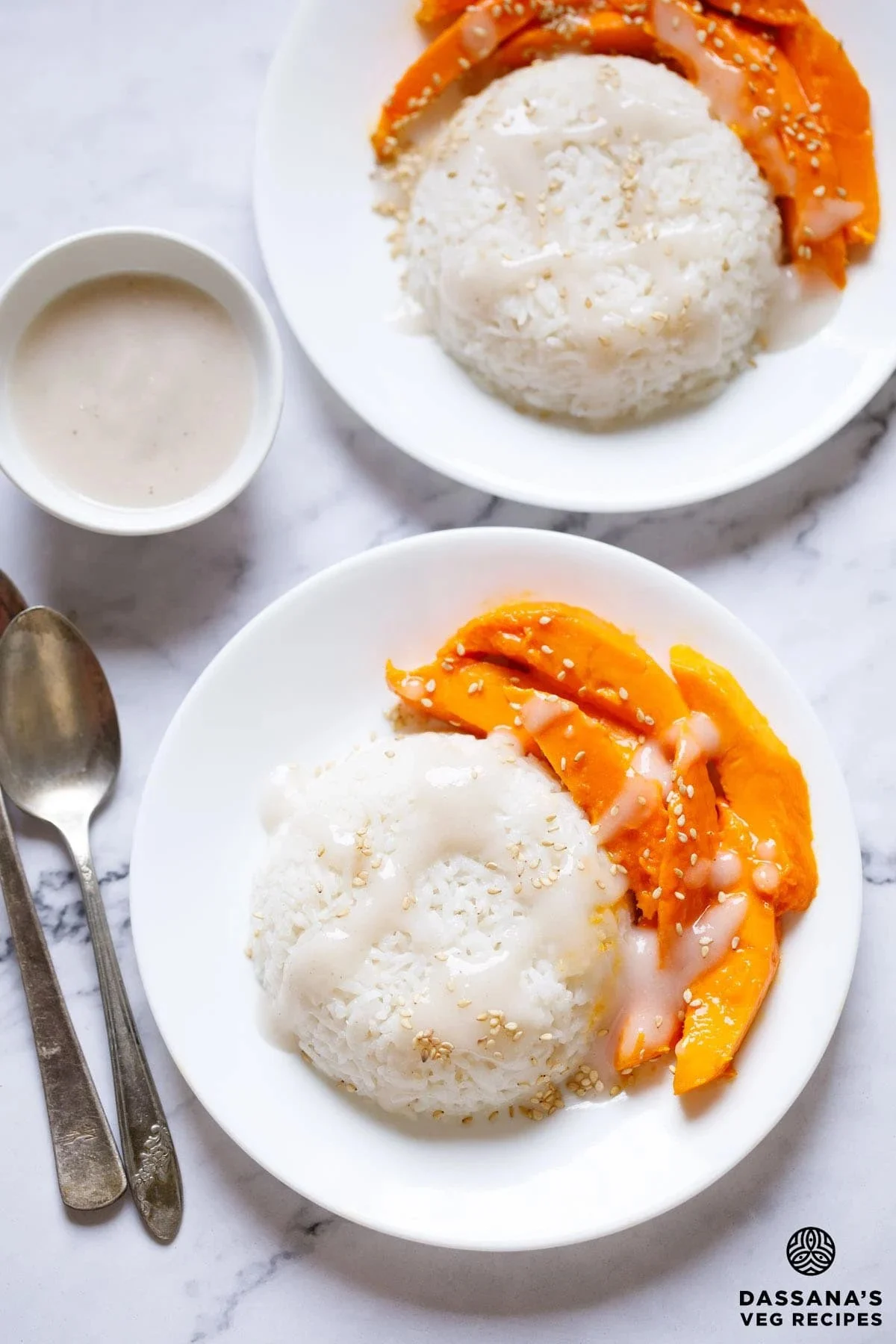
BANGKOK – In the pantheon of global desserts, few dishes manage to bridge the gap between humble street fare and high-end gastronomic art as seamlessly as Thai Mango Sticky Rice. Known domestically as Khao Niao Mamuang, this seasonal delicacy has evolved from a traditional Southeast Asian staple into a worldwide culinary phenomenon. Recent data and culinary reports indicate that the dish’s popularity is not merely a result of its flavor profile—a sophisticated balance of sweet, salty, and creamy—but also a testament to Thailand’s successful "soft power" diplomacy and the meticulous, time-honored techniques required for its preparation.

Main Facts: A Symphony of Starch and Fruit
At its core, Mango Sticky Rice is a deceptively simple composition of three primary elements: Thai glutinous rice, ripe mangoes, and a salted coconut milk reduction. However, as culinary experts point out, the "simplicity" of the dish is a result of precision engineering in the kitchen.

The foundation of the dish is Thai glutinous rice, often referred to as "sticky rice." Despite the nomenclature, this variety is entirely gluten-free; the "glutinous" label refers to the glue-like, sticky consistency achieved through high levels of amylopectin starch. When prepared traditionally, the rice undergoes a rigorous process of soaking and steaming—never boiling—to ensure a chewy, translucent texture that can hold the infusion of coconut milk without dissolving into mush.

The secondary component, the mango, serves as the seasonal centerpiece. While various cultivars are used globally, the Thai Nam Dok Mai and Ok Rhong are the traditional choices due to their high sugar content and lack of fibrous "hair." In recent adaptations, such as those popularized in South Asia, the Alphonso mango is frequently substituted, offering a different but equally decadent aromatic profile.

The final element is the coconut sauce, which serves two roles: an infusion for the hot rice and a thickened topping. The inclusion of a significant amount of salt in this sauce is the "secret" to the dish’s success, providing a savory counterpoint that prevents the sugar from becoming cloying.

Chronology: The Lifecycle of a Masterpiece
The preparation of Mango Sticky Rice is a study in patience and timing. To understand the dish is to understand a chronological sequence that begins hours before a guest ever takes a bite.

1. The Pre-Preparation Phase (T-minus 6 Hours)
The process begins with the selection and rinsing of the glutinous rice. To remove excess surface starch—which would otherwise cause the rice to become "gummy" rather than "chewy"—the grains are rinsed three to four times until the water runs clear. The rice is then submerged in water. While a one-hour soak in hot water is a modern shortcut, traditionalists insist on a four-to-six-hour soak (or overnight) in room-temperature water. This allows the grains to hydrate to the core, ensuring even steaming.

2. The Steaming Window (22 Minutes)
Unlike Jasmine or Basmati rice, sticky rice is never cooked in a pot of water. It is spread across a muslin-lined perforated steamer. This allows steam to circulate around each individual grain. The chronology here is critical: the rice is steamed for exactly 20 to 22 minutes. At this stage, the grains transition from opaque white to a glossy, translucent state.

3. The Infusion (15 to 20 Minutes)
Perhaps the most delicate stage is the "infusion." While the rice is still piping hot from the steamer, it is combined with a warm mixture of coconut milk, sugar, and salt. The heat of the rice is essential for the absorption of the coconut fats. The mixture is then covered and allowed to rest for 20 minutes. This resting period is non-negotiable; it allows the rice to "bloom" and develop its signature tender-yet-firm mouthfeel.

4. The Final Assembly and Service
As the rice rests, the coconut sauce is thickened with starch (tapioca or cornflour) to create a velvety drizzle. The mangoes are peeled and sliced only at the moment of service to prevent oxidation. The dish is typically served warm or at room temperature—never chilled, as refrigeration causes the starches in the rice to crystallize and harden.

Supporting Data: Nutritional and Economic Impact
The popularity of Mango Sticky Rice is backed by significant nutritional and market data. According to recent dietary analyses, a standard serving of Mango Sticky Rice (approximately 200–250 grams) contains:

- Calories: 398 kcal
- Carbohydrates: 67g (primarily from the rice and fruit sugars)
- Fat: 13g (largely saturated fats from coconut milk)
- Fiber: 3g
- Vitamin C: 38mg (providing roughly 60% of the daily recommended intake)
From a market perspective, the "Mango Sticky Rice effect" has tangible economic consequences. In 2022, after a high-profile performance by Thai rapper Milli at the Coachella Valley Music and Arts Festival—during which she ate a bowl of the dessert on stage—Thailand’s Department of Cultural Promotion reported a massive surge in domestic and international orders. Mango sales in Thailand saw a 20-30% increase in the weeks following the event, prompting the government to consider nominating the dish for UNESCO’s Intangible Cultural Heritage list.

Furthermore, the dish has become a driver for the plant-based food industry. Being naturally vegan (assuming no honey is used in the sauce), it has been adopted by global health-conscious markets as a "clean" dessert option, utilizing natural fats and unrefined starches.

Official Responses: Culinary Diplomacy and Authenticity
Governmental and culinary bodies have taken a keen interest in the standardization and promotion of the dish.

The Thai Department of International Trade Promotion (DITP) has frequently highlighted Mango Sticky Rice as a core element of the "Thai Select" certification program, which identifies authentic Thai restaurants abroad. A spokesperson for the DITP noted, "Khao Niao Mamuang is more than a dessert; it is a seasonal ambassador. It represents our agricultural prowess and our culinary philosophy of balancing the five tastes."

Culinary historians, such as those associated with the Institute of Thai Gastronomy, emphasize the importance of the rice variety. "One of the greatest challenges we face in the global market is the substitution of glutinous rice with Jasmine rice," says Dr. Somchai P., a food historian. "While Jasmine rice is a noble grain, it lacks the structural integrity required for this dish. Official guidelines emphasize that to be called authentic, the rice must be Khao Niao, specifically the long-grain variety from Northern Thailand."

Nutritionists have also weighed in on the dish’s composition. While high in sugar, the medium-chain triglycerides (MCTs) found in coconut milk are noted for being more easily metabolized than other saturated fats. Health officials recommend the dish as a high-energy recovery food, though they caution moderation for those monitoring glycemic loads.

Implications: Soft Power and Agricultural Sustainability
The global rise of Mango Sticky Rice carries significant implications for the future of Thai agriculture and international relations.

Cultural Diplomacy
The dish has become a primary tool for "Gastro-diplomacy." By promoting a dish that is universally liked and visually appealing, Thailand strengthens its national brand. The ease with which the recipe can be shared—using simple ingredients like rice, coconut, and fruit—allows it to permeate different cultures, from street markets in London to fine-dining establishments in New York.

Agricultural Evolution
The demand for high-quality mangoes year-round is pushing agricultural scientists to develop better storage techniques and off-season harvesting methods. In Thailand, this has led to increased investment in the Nam Dok Mai export industry. However, it also raises questions about biodiversity. As farmers move toward monocropping the most popular "export-friendly" mangoes, traditional, more fibrous varieties risk extinction.

The Sustainability of the Coconut Industry
With coconut milk being a critical component, the global demand for Mango Sticky Rice places pressure on coconut plantations. This has led to a push for more ethical and sustainable harvesting practices, including certifications that ensure no animal labor (macaques) is used in the harvesting of coconuts—a point of contention that has seen some Thai coconut brands removed from Western shelves in recent years.

Conclusion
Mango Sticky Rice is a rare example of a dish that has remained remarkably true to its origins despite its massive global footprint. Its success lies in its textural contrast and the chemical harmony between its ingredients. As it continues to dominate social media feeds and restaurant menus, the dish serves as a reminder that the most enduring culinary icons are often those that celebrate the purity of seasonal ingredients and the precision of traditional techniques. Whether enjoyed on a plastic stool in a Bangkok alley or a porcelain plate in a Michelin-starred restaurant, the experience of Khao Niao Mamuang remains a quintessential celebration of the Thai spirit.
