

HYDERABAD – In a sweeping enforcement drive aimed at curbing the rising tide of foodborne illnesses and ensuring compliance with national health standards, the Telangana Food Safety Department conducted a series of high-stakes inspections on Wednesday, May 20. The raids, which targeted prominent dining establishments in Hyderabad’s Nagole and LB Nagar areas, as well as a bakery in Karimnagar, unearthed a disturbing array of hygiene breaches, ranging from pest infestations to the use of putrid raw materials.
The inspections are part of an ongoing, state-wide initiative by the Commissioner of Food Safety to sanitize the food industry, following a series of public complaints regarding the quality of meals served in both high-end "fine dine" establishments and local neighborhood bakeries.
Main Facts: A Catalog of Violations
The inspections focused on three primary establishments: Urban Monk Fine Dine and Baking in LB Nagar, Meld Haus brewery in Nagole, and Ganesh Bangalore Bakery in Subhash Nagar, Karimnagar. While the establishments vary in their target demographics and price points, the findings across all three locations pointed toward a systemic disregard for the Food Safety and Standards Act of 2006.
Urban Monk and Meld Haus: The Hyderabad Front
At Urban Monk Fine Dine and Baking and the Meld Haus brewery, food safety officials were met with conditions that stood in stark contrast to the polished facades presented to the public. The primary violations identified included:
- Pest Infestation: Evidence of cockroaches and other pests was found within the kitchen and storage areas, posing a direct risk of cross-contamination.
- Expired and Mislabeled Products: A significant quantity of food items had surpassed their "Best Before" dates, yet remained in the active inventory intended for customer consumption. Furthermore, several containers lacked proper labeling, obscuring the origin and age of the ingredients.
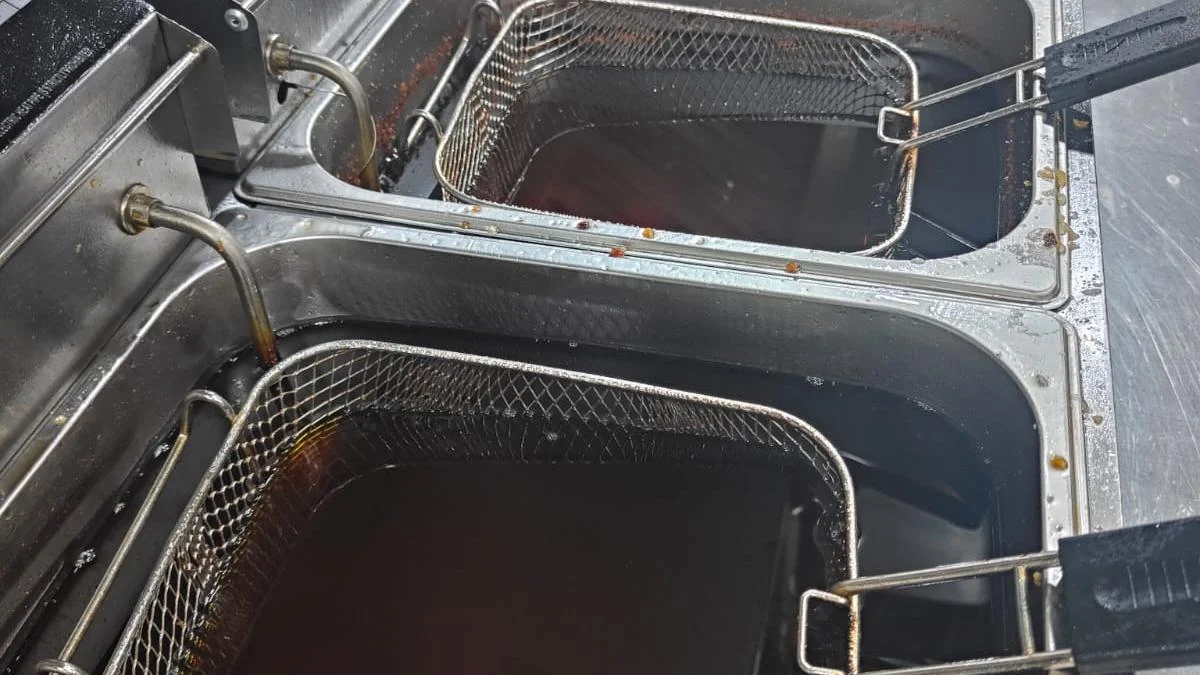
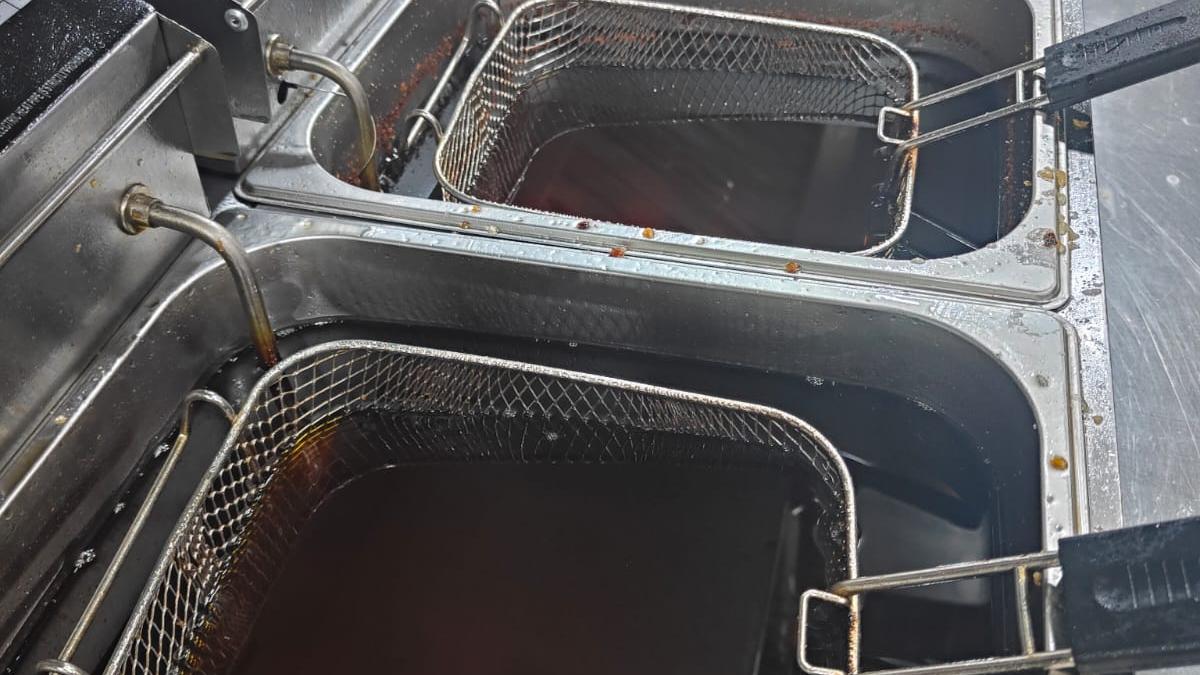
- The Reused Oil Crisis: Perhaps most concerning was the suspected repeated use of cooking oil. Officials observed oil that had turned dark and viscous, indicating multiple heating cycles that generate harmful polar compounds.
- Sanitary Neglect: General hygiene in the food preparation areas was found to be substandard, with improper drainage and inadequate waste management systems.
The Karimnagar Discovery: A Case of "Spoiled" Confectionery
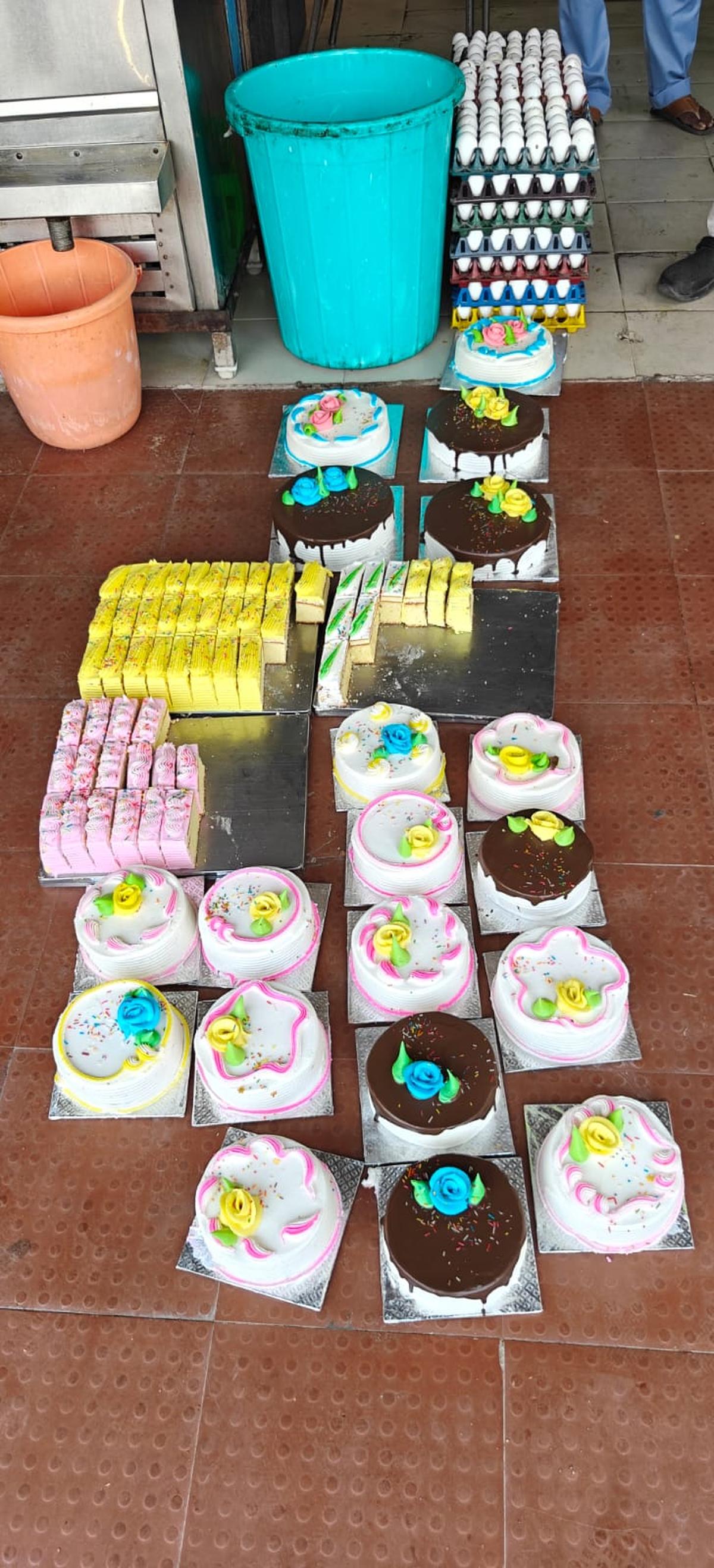
In a parallel operation in Karimnagar, the inspection at Ganesh Bangalore Bakery revealed even more visceral violations. Authorities discovered approximately 750 damaged and foul-smelling eggs. These eggs were not only spoiled but were found to be infested with houseflies, indicating they had been left in unsanitary conditions for an extended period.
The gravity of the situation was underscored when officials discovered that these eggs were likely being used as a primary ingredient for the bakery’s products. Consequently, the department seized and discarded 20 kg of prepared cakes suspected of containing the tainted egg mixture.
Chronology: A Day of Rigorous Audits
The timeline of the May 20 enforcement drive reflects a coordinated effort by the Telangana Food Safety Department to catch violators in the act.
- 09:00 AM – 11:30 AM: Task Force teams were dispatched to the LB Nagar and Nagole zones. Initial walkthroughs at Urban Monk focused on the storage units where the first signs of expired goods were documented.
- 12:00 PM – 02:30 PM: The inspection moved to Meld Haus brewery. Here, the focus shifted to the "behind-the-scenes" kitchen operations. It was during this window that the suspected reuse of cooking oil was flagged, and samples were collected for chemical analysis.
- 01:00 PM (Concurrent): In Karimnagar, Food Safety Officers (FSOs) entered Ganesh Bangalore Bakery following a specific tip-off. The immediate discovery of the 750 fly-infested eggs led to an instant "stop-work" assessment for the confectionery section.
- 04:00 PM: "Spot action" protocols were initiated across all sites. This involved the immediate destruction of spoiled goods and the formal sealing of evidence.
- Late Evening: The Department issued a formal press note detailing the findings, signaling to the public and the industry that non-compliance would meet with immediate consequences.
Supporting Data: The Biological and Chemical Risks of Violations
To understand the severity of these raids, one must look at the scientific implications of the violations found. The Telangana Food Safety Department’s findings are not merely "clerical errors" but represent significant threats to human health.
The Dangers of Spoiled Eggs and Salmonella
The discovery of 750 spoiled eggs is particularly alarming due to the risk of Salmonella and E. coli. When eggs reach the level of decay described—foul-smelling and fly-infested—they become a breeding ground for pathogens. If used in baking, the heat of the oven may not always be sufficient to neutralize the toxins produced by these bacteria, leading to severe food poisoning, dehydration, and in vulnerable populations, long-term gastrointestinal complications.
The Chemical Degradation of Reused Oil
The suspected reuse of cooking oil at the Hyderabad establishments is a major focus of the FSSAI’s "Repurpose Used Cooking Oil" (RUCO) initiative. Repeatedly heating oil leads to the formation of Total Polar Compounds (TPC). Consumption of food cooked in high-TPC oil is linked to:
- Hypertension and Atherosclerosis: The degradation of oil creates trans-fats and free radicals.
- Carcinogenic Risks: Certain compounds, like acrylamide and aldehydes, are known carcinogens.
- Digestive Distress: High-TPC oil is difficult for the body to process, leading to acute acidity and inflammation.
Pest Infestations as Disease Vectors
The presence of cockroaches in a "Fine Dine" kitchen is a vector for pathogens like Streptococcus and Staphylococcus. These pests move between waste areas and food preparation surfaces, transferring bacteria that can cause pneumonia, diarrhea, and skin infections.
Official Responses and Legal Framework
The Telangana Food Safety Department has been vocal about its "zero-tolerance" policy. According to the press note issued following the raids, the department has already initiated the process of filing formal charges.

Statements from the Department
"Expired and spoiled food articles, along with suspected reused cooking oil, were discarded on the spot during the inspections," the department stated. "Enforcement samples were collected from the establishments and sent for laboratory analysis. Necessary action is being initiated against the Food Business Operators (FBOs) concerned under the provisions of the Food Safety and Standards Act."
The Role of the FSS Act, 2006
Under the Food Safety and Standards Act, the penalties for these violations are severe:
- Section 51: Penalty for sub-standard food can extend up to ₹5 lakh.
- Section 52: Penalty for misbranded food can also extend up to ₹3 lakh.
- Section 54: Penalty for food containing extraneous matter can reach ₹1 lakh.
- Section 59: Punishment for unsafe food can result in imprisonment ranging from six months to a life term, depending on the severity of the health impact on consumers.
The department has indicated that if the laboratory results confirm the presence of harmful pathogens or high TPC levels in the oil, they will seek the maximum penalties allowed under the law, which may include the permanent cancellation of the establishments’ trade licenses.
Broader Implications for the Food Industry and Public Health
The raids on May 20 are symptomatic of a larger problem within the rapidly expanding hospitality sector in Telangana. As Hyderabad continues to grow as a global tech and culinary hub, the pressure on food businesses to maintain high margins has led some to compromise on the most fundamental aspect of their service: safety.
The "Fine Dining" Illusion
The violations at Urban Monk and Meld Haus highlight a growing concern regarding the "hygiene gap" in the industry. Consumers often equate high prices and aesthetic interiors with high safety standards. However, these inspections prove that the "front-of-house" experience can be a facade for "back-of-house" negligence. This crackdown serves as a reminder that luxury does not exempt an establishment from the rigors of the law.
Impact on Consumer Confidence
Public health experts argue that such frequent and transparent raids are necessary to restore consumer confidence. In an era of social media, where "food vlogging" often highlights taste over hygiene, the intervention of the Food Safety Department provides a necessary reality check. The department’s decision to publish the names of the offending establishments on platforms like X (formerly Twitter) is a tactical move to use public accountability as a deterrent.
The Path Forward: Systematic Audits
The Telangana government has signaled that these raids are not isolated events. There is a moving trend toward:
- Mandatory Training: Requiring all kitchen staff in the state to undergo Food Safety Training and Certification (FoSTaC).
- Digital Tracking: Implementing better digital systems for tracking the disposal of used cooking oil to ensure it is sold to bio-diesel plants rather than being reused or sold back into the food chain.
- Surprise Audits: Increasing the frequency of unannounced inspections to ensure that hygiene is a constant practice rather than a reaction to an upcoming audit.
Conclusion
The findings at Urban Monk, Meld Haus, and Ganesh Bangalore Bakery serve as a sobering reminder of the vulnerabilities in the food supply chain. While the immediate threat has been neutralized through the destruction of 20 kg of tainted cakes and hundreds of spoiled eggs, the long-term challenge remains.
As the laboratory results for the collected samples are awaited, the message from the Telangana Food Safety Department is clear: the health of the citizen is non-negotiable. Food Business Operators must understand that profit margins built on the foundation of expired ingredients and unsanitary kitchens will eventually collapse under the weight of legal scrutiny and public outcry. For the residents of Hyderabad and Karimnagar, these raids are a welcome assurance that their plates are being watched over by vigilant authorities.
