

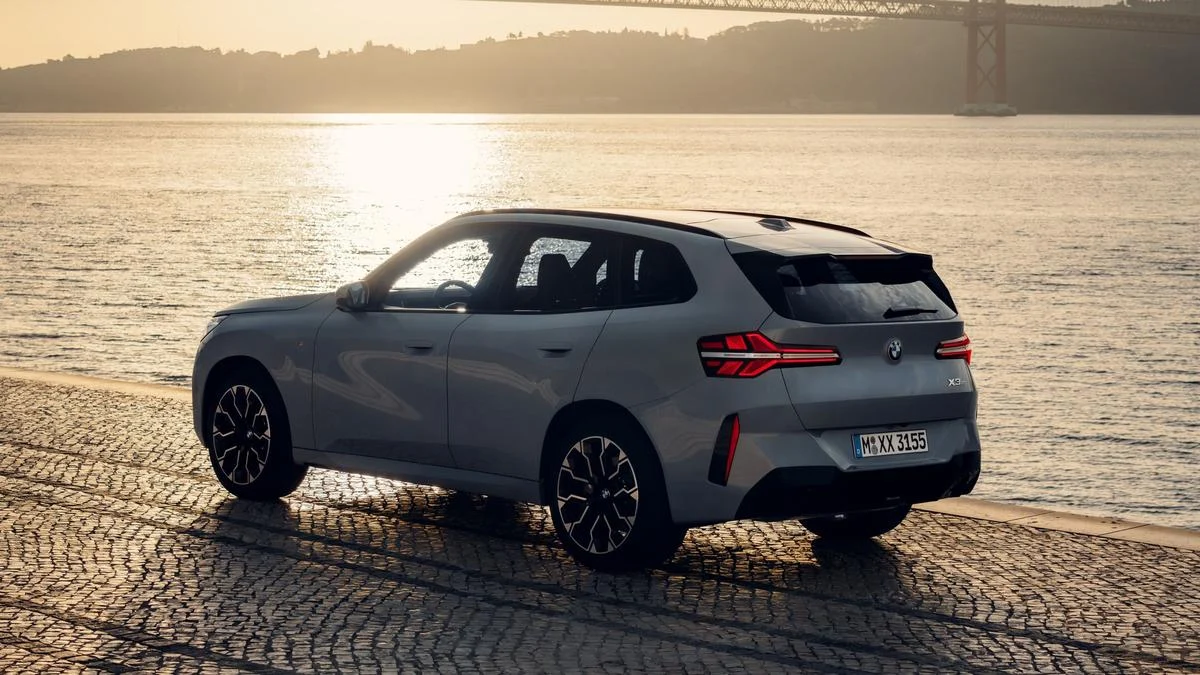
The luxury compact SUV segment has long been the most competitive battleground in the automotive world. For over two decades, the BMW X3 has served as the bedrock of this category, balancing the prestige of the Bavarian badge with a level of driver engagement that its rivals often struggle to emulate. With the introduction of the new BMW X3 30 xDrive M Sport Pro, priced at ₹74,50,000 (ex-showroom, India), BMW has not merely updated a popular model; it has redefined what a "do-it-all" luxury vehicle should represent in the modern era.
This latest iteration arrives at a time when consumer expectations are shifting toward a fusion of high-tech digitalization and rugged capability. Our extensive evaluation of the M Sport Pro variant—ranging from high-speed highway cruising to technical off-road challenges—reveals an SUV that has matured into a formidable, multi-talented powerhouse.
I. Main Facts: The Evolution of an Icon
The BMW X3 30 xDrive M Sport Pro is positioned as the flagship of the X3’s four-cylinder lineup in India. It represents a significant leap forward in both aesthetic aggression and technological integration. The "M Sport Pro" nomenclature is not merely a marketing suffix; it denotes a specific suite of performance-oriented visual and mechanical upgrades that elevate the vehicle above the standard luxury trim.
Exterior Assertiveness
Visually, the X3 has shed its conservative skin in favor of a more "sinister" and muscular identity. The classic BMW "X" proportions remain—the long bonnet and short overhangs—but they are now accentuated by sharp, modern lines.
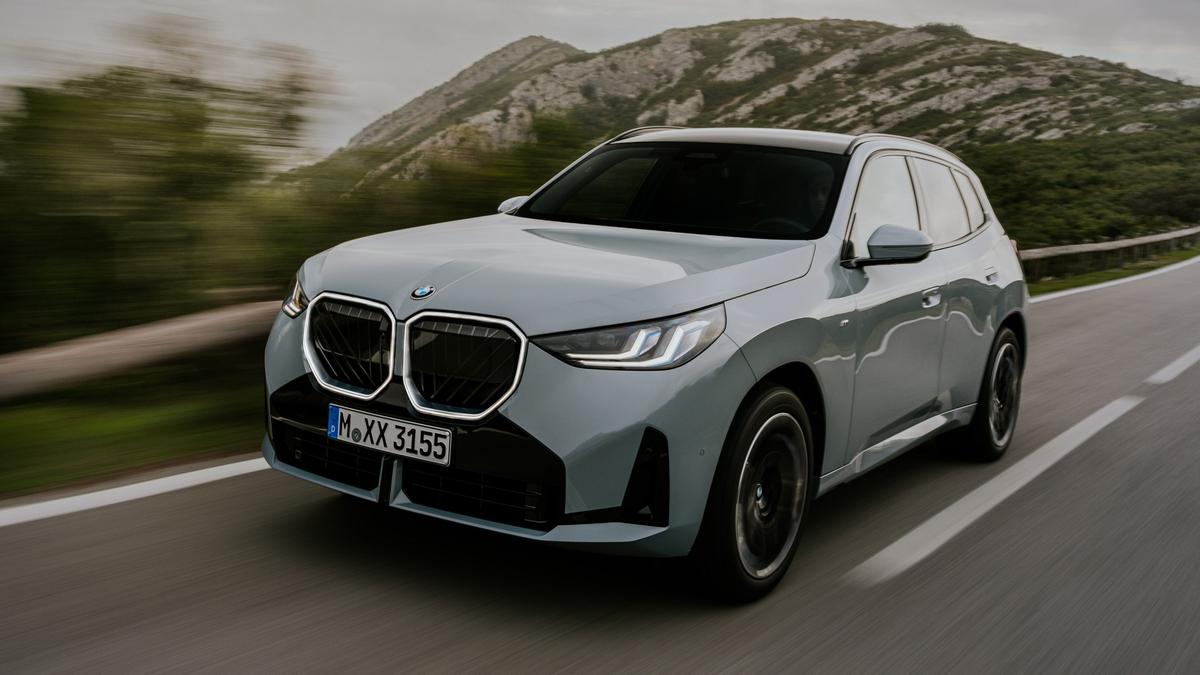
- The Iconic Glow: The centerpiece is the fully blacked-out kidney grille, now featuring the "Iconic Glow" contour lighting, a feature previously reserved for higher-end models like the X7.
- Illumination Tech: Adaptive LED headlights with projector technology and Shadowline accents provide a focused, high-tech gaze.
- M-Specific Touches: The vehicle sits purposefully on 20-inch M light-alloy wheels, through which the vibrant red M Sport brake calipers are clearly visible.
- Dimensions: At 4,755 mm in length and 1,920 mm in width, the X3 possesses a genuine road presence that rivals some SUVs in the class above.
The Digital Lounge
Inside, the cabin has undergone a radical transformation. Following the "Less is More" philosophy, BMW has replaced a multitude of physical buttons with the BMW Curved Display. This setup consists of a 12.3-inch information display (instrument cluster) and a 14.9-inch control display, both housed under a single glass surface angled toward the driver.
Running the latest BMW Operating System 9, the interface is faster and more intuitive, featuring "QuickSelect" logic inspired by smartphone usability. The interior is further elevated by the BMW Interaction Bar—a crystalline light element that runs across the dashboard, housing touch-sensitive controls and providing dynamic ambient lighting.
II. Chronology: From Road-Focused SUV to All-Terrain Contender
The history of the X3 has always been rooted in the "SAV" (Sports Activity Vehicle) concept—a term BMW coined to emphasize on-road handling over off-road utility. However, the chronology of the X3’s development shows a gradual but deliberate pivot toward broader capability.
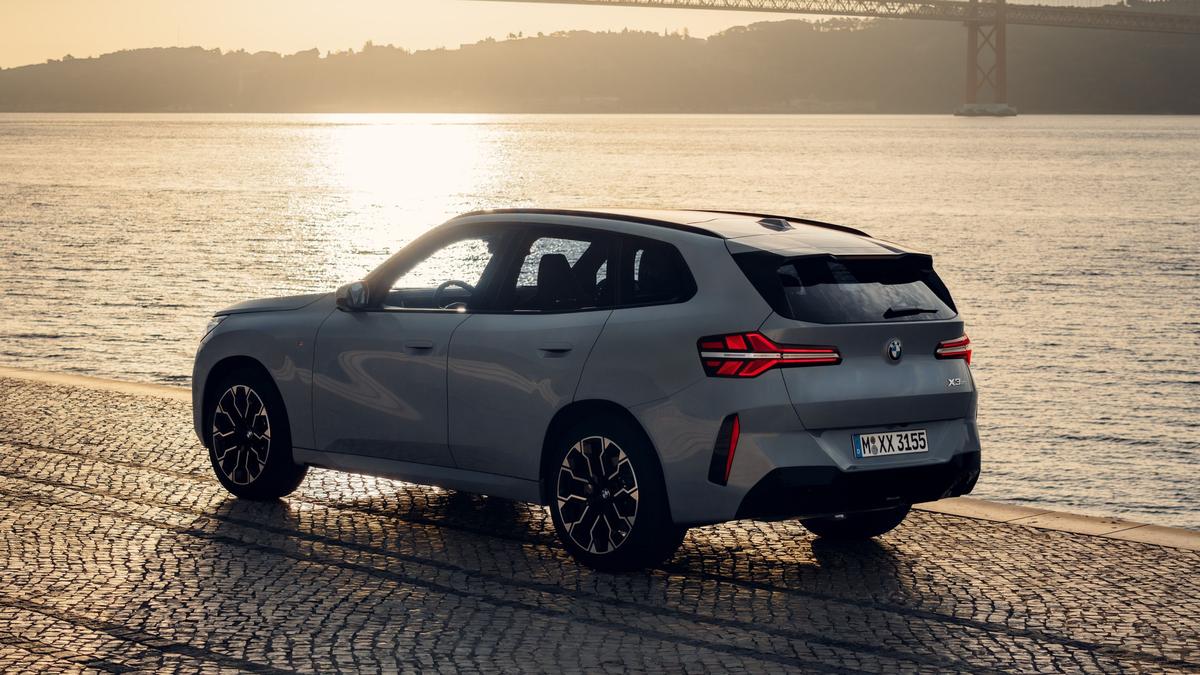
In its first two generations, the X3 was praised for its car-like handling but often criticized for a stiff ride and limited ability once the pavement ended. By the third generation, BMW began integrating more sophisticated suspension geometry. The current M Sport Pro variant represents the culmination of this journey.
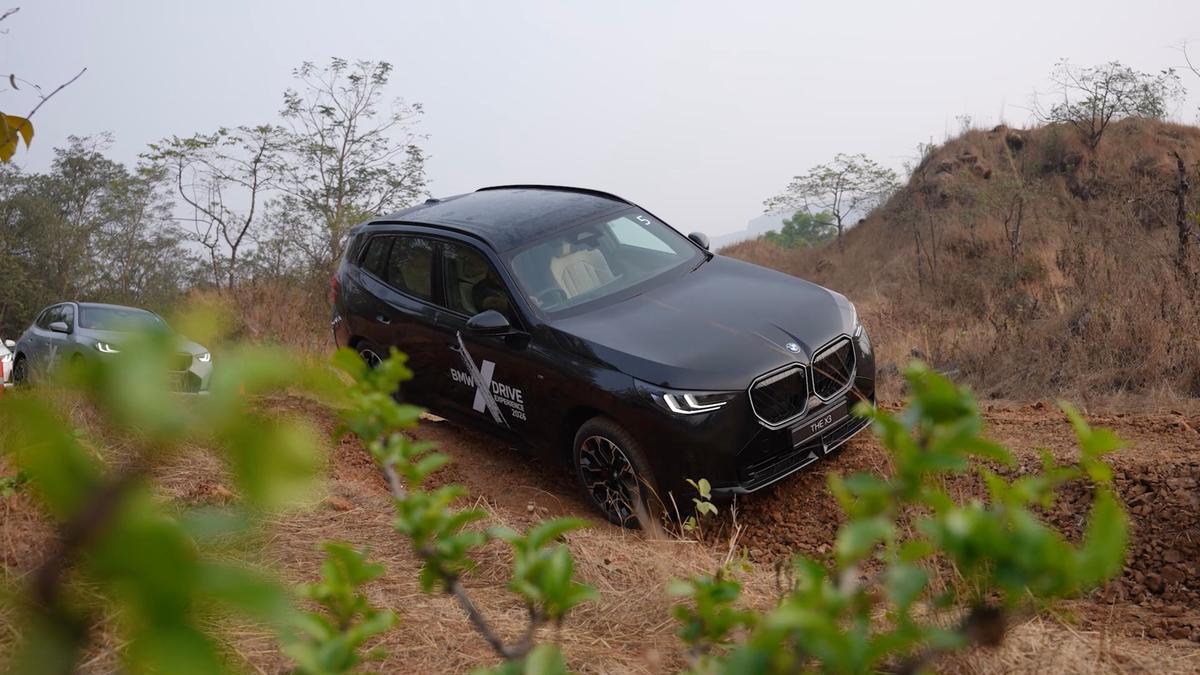
During our testing, the chronology of the experience was telling. We began on the smooth asphalt of the national highways, where the X3 felt like a traditional sports sedan. However, as the route transitioned into the rugged hinterlands, the vehicle’s "Pro" credentials were put to the test. The shift from a high-speed tourer to a composed off-roader was seamless, highlighting how BMW’s engineering focus has expanded from "driving dynamics" to "versatile capability."
III. Supporting Data: Performance, Engineering, and Tech
To understand why the X3 30 xDrive M Sport Pro performs the way it does, one must look at the technical specifications and the electronic architecture that governs the driving experience.
Powertrain and Dynamics
The heart of the X3 30 is the 2.0-litre TwinPower Turbo four-cylinder petrol engine.
- Output: It produces a robust 258 hp and 350 Nm of torque.
- Acceleration: This allows the SUV to sprint from 0 to 100 km/h in a brisk 6.6 seconds.
- Transmission: The engine is mated to an 8-speed Steptronic Sport transmission, known for its rapid yet smooth shifts.
The xDrive intelligent all-wheel-drive system remains the star of the mechanical show. Unlike traditional AWD systems that are reactive, BMW’s xDrive is proactive. It continuously monitors grip levels and can redistribute 100% of the torque to either the front or rear axle within milliseconds.
Off-Road Capability Data
While not a body-on-frame "rock crawler," the X3’s off-road suite is surprisingly comprehensive:
- Dynamic Traction Control (DTC): Allows for slight wheel slip on loose surfaces like gravel to maintain momentum.
- Hill Descent Control (HDC): Manages braking automatically on steep declines, allowing the driver to focus solely on steering.
- Automatic Differential Brakes (ADB-X): Uses individual wheel braking to simulate the effect of locking differentials, ensuring power goes to the wheels with the most grip.
The Tech Stack
The M Sport Pro is a "connected" vehicle in the truest sense.
- Harman Kardon Audio: A 16-speaker, 750-watt surround sound system provides an immersive acoustic experience.
- Driver Assistance: The "Parking Assistant Plus" includes a 360-degree surround-view camera and a "Reversing Assistant," which can autonomously steer the car back out of a tight spot for up to 50 meters.
- Comfort: Ventilated sport seats and a three-zone climate control system ensure that the "Pro" performance doesn’t come at the cost of occupant well-being.
IV. Official Perspectives and Market Positioning
While BMW India officials emphasize the "Sheer Driving Pleasure" aspect of the X3, automotive analysts point to the "M Sport Pro" as a strategic move to capture the "lifestyle" segment.
According to industry experts, the Indian luxury buyer is no longer satisfied with just a badge; they require a vehicle that serves as a multi-tool. The X3 30 xDrive M Sport Pro is positioned to compete directly with the Mercedes-Benz GLC and the Audi Q5. However, where the Mercedes leans into "Soft Luxury" and the Audi into "Understated Tech," BMW is doubling down on "Performance Luxury."
The inclusion of the "Travel & Comfort System" and "Digital Premium" services indicates that BMW is looking at the long-term ownership experience. By integrating the MyBMW app, owners can use their smartphone as a digital key, monitor the car’s surroundings via remote 3D view, and even receive "over-the-air" software updates that improve vehicle performance over time.
V. Implications: The Future of the Luxury SUV
The arrival of the X3 30 xDrive M Sport Pro has significant implications for the segment and for prospective buyers.
1. The Blurring of Segments
The X3 proves that the gap between "luxury crossover" and "capable off-roader" is narrowing. For most owners, the X3’s ability to handle muddy access roads, mountain trails, and broken urban infrastructure is more than enough. It negates the need for a larger, more cumbersome dedicated off-roader for 99% of real-world use cases.
2. The Digital Shift
BMW’s commitment to Operating System 9 and the Curved Display suggests that the future of luxury is defined by software. The "Interaction Bar" and the reduction of physical switchgear may be polarizing for traditionalists, but they align with the aesthetic preferences of a younger, tech-savvy demographic that is currently entering the luxury market.
3. Value Proposition
At ₹74.5 lakh, the X3 M Sport Pro is a significant investment. However, when considering the level of standard equipment—features that were previously expensive options—the value proposition becomes clearer. BMW has bundled the most desirable performance and luxury features into a single, cohesive package.
4. Sustainability and Efficiency
While this model features a traditional internal combustion engine, the efficiency of the TwinPower Turbo technology and the aerodynamic improvements (like the flush door handles) point toward BMW’s broader goal of reducing the carbon footprint of its fleet without sacrificing the performance that defines the brand.
Final Verdict
The BMW X3 30 xDrive M Sport Pro is a masterclass in balance. It manages to be aggressive yet sophisticated, digital yet tactile, and sporty yet surprisingly capable off the beaten path. It is an SUV that encourages the driver to explore the limits of its chassis while simultaneously providing a serene, high-tech sanctuary for the daily commute.
For those seeking a luxury vehicle that refuses to compromise on any single front, the new X3 remains the benchmark. It is not just a car for the road; it is a car for the life that happens beyond it.
This report was compiled in association with Motorscribes and The Hindu. For more updates on the latest in the automotive world, follow @motorscribes on Instagram.
