Cardiff, Wales – July 17, 2026 – In an era increasingly defined by explosive power-hitting and escalating scoring rates in white-ball cricket, England’s veteran batsman Joe Root delivered a poignant reminder of the enduring value of classical batting. His unbeaten 99 off 133 balls meticulously anchored England to a hard-fought four-wicket victory over India in the second One-Day International at Sophia Gardens, Cardiff, on Thursday. This pivotal win has not only leveled the three-match series at 1-1 but also sets up a potential blockbuster decider at the iconic Lord’s Cricket Ground on Sunday, a match that could mark the international farewell of former India captain and batting talisman, Rohit Sharma.
Sharma, at 39 years of age, faces an uncertain future beyond this England tour. Sources close to the Board of Control for Cricket in India (BCCI) and the national selection committee indicate a decisive shift in strategy, with selectors reportedly ready to look beyond the seasoned opener for India’s next one-day assignments. As revealed by this masthead, the selectors have already communicated their decision to the decorated former skipper, informing him of their intent to usher in young prodigious talent Yashasvi Jaiswal for the upcoming home series against the West Indies in September. This strategic move signals a clear intent to build a younger core for the 2027 World Cup cycle, potentially drawing the curtains on one of India’s most prolific white-ball careers in the dramatic setting of a series decider.
Main Facts: A Game of Contrasts and a Looming Farewell
The second ODI in Cardiff was a study in contrasts, highlighting both the timeless appeal of measured innings and the brutal realities of team transitions. Joe Root’s innings was a masterclass in adaptation, a defiant stand against the modern cricketing tide. On a tricky Cardiff pitch that offered assistance to bowlers and demanded circumspection from batsmen, Root showcased immense discipline, scoring runs by finding gaps and rotating the strike, rather than relying on brute force. His composure under pressure was instrumental in chasing down India’s modest total of 233.
For India, the match presented a missed opportunity to seal the series, a chance squandered largely due to a dramatic middle-order collapse. Despite robust half-centuries from Virat Kohli (65) and Shreyas Iyer (66), the rest of the batting lineup faltered spectacularly, transforming a promising start into a well-below-par total. The bowling unit, led by a resurgent Jasprit Bumrah, fought valiantly, but the absence of a substantial target and an unfortunate injury to Washington Sundar during England’s chase ultimately proved insurmountable.
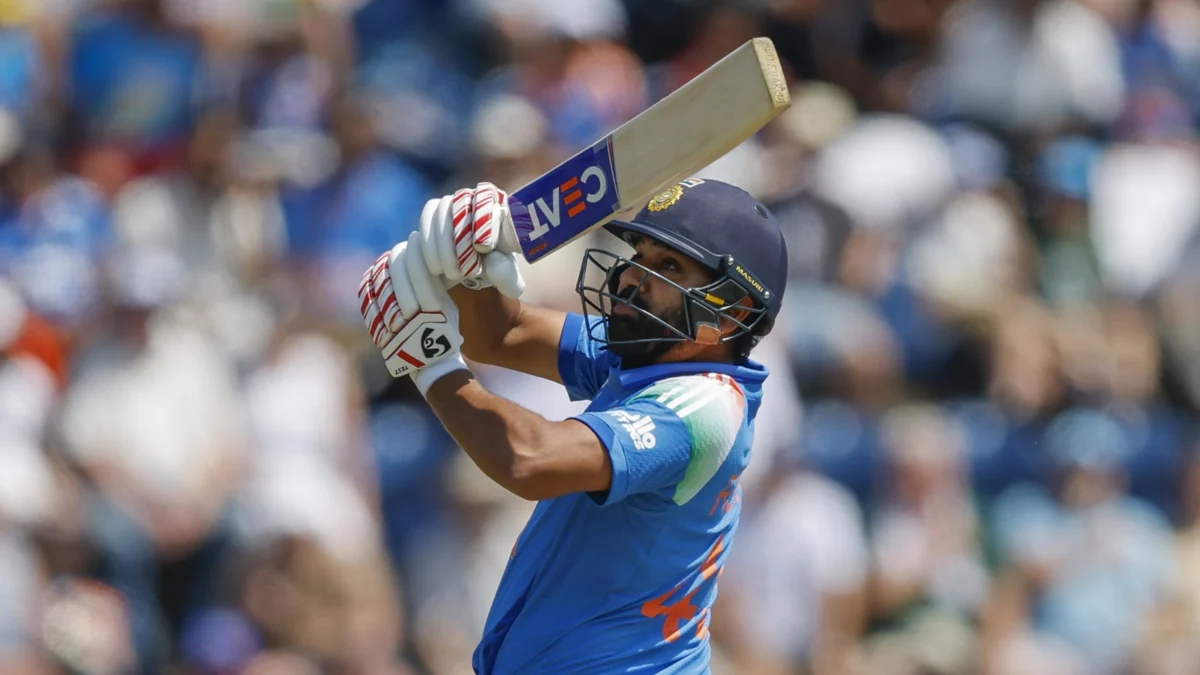
The subtext to this enthralling encounter, however, was the palpable tension surrounding Rohit Sharma’s future. His 26-run innings off 47 balls was a fleeting contribution, overshadowed by the revelation that the upcoming Lord’s fixture might be his swansong. This news has injected an emotional layer into the series finale, transforming it from a mere sporting contest into a potential tribute for a player who has given over a decade and a half of service to Indian cricket.
Chronology: From Promising Start to Dramatic Collapse and Root’s Rescue Act
The day began with India, fresh off a commanding victory in the first ODI at Edgbaston, holding the upper hand and looking to wrap up the series. England, after winning the toss, opted to bowl first on a Cardiff surface known for its early assistance to seamers.
India’s Innings: A Tale of Two Halves
India’s innings got off to a somewhat subdued start. Opening batsman Rohit Sharma struggled to find his rhythm, eventually falling for a 47-ball 26. His dismissal brought Virat Kohli to the crease, who, alongside Shubman Gill, attempted to steady the ship. Gill, however, soon perished, timing a drive straight to Ben Duckett at cover, leaving India at a precarious 103/1.
It was the partnership between Kohli and Shreyas Iyer that offered India a glimmer of hope. Kohli, displaying glimpses of his majestic form, crafted a well-compiled 65, while Iyer, batting at number five, complemented him with a vital 71-ball 66. Their combined effort of 131 runs between them represented the backbone of the Indian innings, demonstrating the potential for a competitive total.
However, the turning point arrived with Kohli’s uncharacteristic dismissal. Attempting a loose shot across the line, he top-edged the delivery, prompting a mini-collapse that would define India’s innings. The three left-handers who followed – Washington Sundar, Axar Patel, and Shivam Dube – managed a paltry 2, 1, and 0 respectively. This rapid capitulation, amplified by Gus Atkinson’s incisive bowling (3/5) and Jofra Archer’s impactful spells (3/47), saw India crumble to 233 all out in just 44 overs, a score significantly below par for the conditions and the potential of their batting lineup. The lower order’s inability to provide any resistance left the bowling unit with a challenging task.
England’s Chase: Bumrah’s Brilliance and Root’s Resilience
Chasing 234 for victory, England’s innings began with high drama. Jasprit Bumrah, showcasing renewed vigor and precision, put England on the back foot immediately. He dismissed opener Ben Duckett with the very first delivery of the chase, a new ball angling away and kissing the edge en route to the wicketkeeper. This early strike ignited hopes for India. Prasidh Krishna further bolstered India’s position by having Jacob Bethell edge to Ishan Kishan in the fourth over, leaving England reeling.
Harry Brook, known for his aggressive approach, attempted to counter-attack and gain some momentum. However, his adventurous spirit proved costly. He lined up to play a scoop shot but Gurnoor Brar’s pace and extra bounce meant he could only guide it to Ishan Kishan behind the stumps. Kishan, who had made only 1 with the bat, proved effective behind the stumps, taking four catches, including that of Sam Curran while standing up to Shivam Dube.
The Indian bowling unit, despite their spirited efforts, faced a significant setback when Washington Sundar was forced off the field with a hamstring injury in the second innings. This left captain Shubman Gill with only five primary bowling options, forcing him to rely heavily on his mainstays and manage the overs meticulously. Despite this challenge, Gill opted to stay on the offensive, knowing that India had no option but to claim all ten English wickets aggressively.
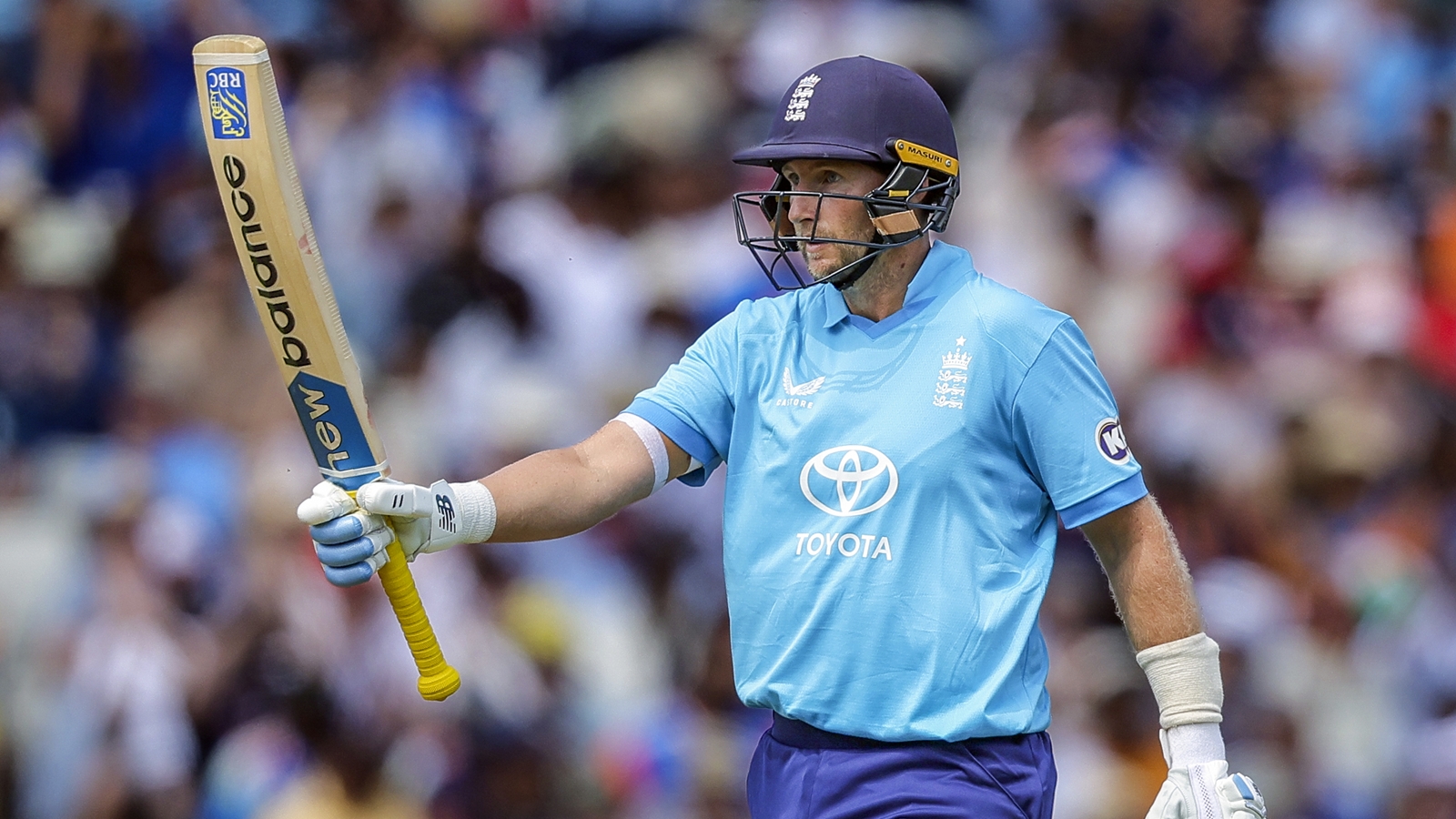
It was under these challenging circumstances that Joe Root took center stage. The conditions at Cardiff were tailor-made for his brand of classical batting. He took his time, assessing the pitch and the Indian attack. With India short on bowling options, Root preferred to take the game deep, carefully rotating the strike and punishing loose deliveries. While he might have wished for one of the frontline batsmen to forge a substantial partnership with him, he found enough support in smaller contributions to steadily chip away at the target. Even when India attempted to tempt him into expansive shots, he demonstrated unwavering discipline, batting according to the situation. A well-deserved century was within his grasp, but Gus Atkinson, hitting the winning runs off Krishna, denied him the opportunity to reach the three-figure mark, leaving Root stranded on a magnificent 99 not out.
Supporting Data: Statistical Insights and Player Profiles
Match Statistics:
- India: 233 all out in 44 overs (Shreyas Iyer 66, Virat Kohli 65; Jofra Archer 3/47, Gus Atkinson 3/5). The stark contrast between the 131 runs from Kohli and Iyer versus the mere 102 from the remaining nine batsmen underscores India’s middle-order struggles.
- England: 235/6 in 44.1 overs (Joe Root 99 n.o., Will Jacks 30; Gurnoor Brar 2/67). Root’s innings accounted for over 42% of England’s successful chase.
- Key Moments: Bumrah’s wicket off the first ball of England’s chase; Kohli’s dismissal triggering a collapse; Sundar’s injury reducing India’s bowling options.
Player Context:
- Joe Root: Known as England’s "run-machine" across formats, Root’s innings was a throwback to the "90s ODI playbook" – an era where batsmen would meticulously build an innings, rotating strike and finding gaps, rather than solely relying on boundary-hitting. His career strike rate in ODIs, typically around 86, reflects his anchoring style, which proved invaluable on this difficult surface. His ability to adapt and score under pressure reinforces his status as one of the game’s modern greats.
- Rohit Sharma: With a career spanning over 16 years, Rohit Sharma is among India’s most decorated white-ball cricketers. A multiple World Cup participant, captain in various formats, and holder of numerous records, including three ODI double centuries, his potential departure marks the end of an era. His recent form, however, has seen a dip, with his last major ODI century coming over a year ago, and his strike rate occasionally perceived as slow in the context of modern power-play demands. His 26 off 47 balls in Cardiff highlighted some of these concerns.
- Yashasvi Jaiswal: The 24-year-old left-handed opener has been a revelation in Indian domestic cricket and the Indian Premier League (IPL). Jaiswal’s aggressive yet technically sound approach, coupled with his prolific run-scoring across formats, has rapidly propelled him into contention. His impressive strike rate in T20s and first-class cricket, alongside a fearless demeanor, makes him an exciting prospect for India’s white-ball future, aligning with the team’s desire for dynamic top-order batsmen.
- Jasprit Bumrah: After a period plagued by injuries, the 32-year-old fast bowler has seemingly found his "mojo back." His early impact in Cardiff, reminiscent of his prime, underscores his importance as India’s premier strike bowler. His ability to generate pace, swing, and bounce even on unresponsive pitches makes him a constant threat.
- Gurnoor Brar: The young fast bowler showed glimpses of potential, testing England with short-pitched deliveries, but his figures of 2/67 in 10 overs suggest a learning curve is still ahead. The pressure of bowling with reduced options undoubtedly contributed to his expensive spell.
Official Responses (Inferred and Reported): The Shifting Sands of Selection
While no official statements have been released by the BCCI regarding Rohit Sharma’s future, the report of selectors informing him of their decision carries significant weight. This suggests a pre-planned transition rather than a knee-jerk reaction to a single performance.
From the Selectors’ Perspective (Inferred): The decision to move on from Rohit Sharma is likely driven by a forward-looking strategy for the 2027 World Cup. At 39, his age, combined with recent inconsistencies in form and a desire to infuse youth and dynamism into the squad, are key factors. The selection committee, under the guidance of the BCCI, is likely prioritizing long-term squad building, and Jaiswal represents the future. This move, while tough, is seen as necessary for the team’s evolution.
Team Management’s Stance (Inferred): Captain Shubman Gill and the coaching staff would naturally be focused on the immediate task of the series decider. However, the news of Rohit’s potential farewell would undoubtedly create an emotional undercurrent within the dressing room. Gill’s captaincy, still in its early stages, faced a stern test in Cardiff, particularly with the unfortunate injury to Washington Sundar, which severely limited his bowling resources. The management will need to address the middle-order fragility and consider bowling combinations for Lord’s, potentially looking at bringing in Kuldeep Yadav for more wicket-taking options.
Player Sentiment (Inferred): For Joe Root, his innings would be a source of immense satisfaction, a validation of his classic approach in a format often dominated by T20 sensibilities. For Rohit Sharma, the situation is undoubtedly poignant. Having been informed privately, his public demeanor would likely remain professional, but the emotional weight of potentially playing his final ODI for India would be immense. His teammates would likely rally around him for the decider, aiming to give him a fitting farewell.
Implications: A Decisive Lord’s Clash and India’s Transitional Phase
The Cardiff result has profound implications for both teams and the broader landscape of white-ball cricket.
For the Series and Lord’s:
The series now heads to Lord’s, the "Home of Cricket," for a high-stakes decider. This adds an extra layer of anticipation, especially with the emotional backdrop of Rohit Sharma’s potential farewell. The match will not only determine the series winner but also serve as a significant moment in the careers of several players. The pitch at Lord’s often offers a balanced contest, and both teams will be under immense pressure to perform.
For India: Navigating a Crucial Transition:
- Middle-Order Fragility: The collapse after Kohli and Iyer’s partnership highlights a persistent concern for India. Over-reliance on the top order, coupled with a lack of consistent contributions from numbers 5, 6, and 7, is a glaring weakness that needs urgent attention as they build towards the 2027 World Cup.
- Bowling Depth: Washington Sundar’s injury exposed India’s reliance on a limited set of bowling options. The lack of an "X-factor" bowler beyond Jasprit Bumrah, especially in the middle overs, remains a challenge. The decision on whether Kuldeep Yadav plays at Lord’s will be crucial in addressing this. Captain Gill’s learning curve in managing his resources will be closely watched.
- Leadership and Succession: Shubman Gill’s early captaincy tenure is marked by this crucial transitional phase. How he manages the team dynamics, especially with the impending departure of a senior statesman like Rohit, will be a significant test of his leadership.
- The Rohit Sharma Era Ends, Jaiswal Era Begins: The decision to move on from Rohit Sharma, while pragmatic for long-term planning, marks the end of an era. His immense contribution, particularly as an opener and captain, will be hard to replace. The integration of Yashasvi Jaiswal signifies a clear strategic shift towards youth, aggression, and building a squad with an eye on the next World Cup cycle. This transition will require careful management to ensure stability and continued success.
For England: Validation and Momentum:
- Root’s Enduring Value: Joe Root’s innings serves as a powerful validation of his classical approach in an evolving format. It demonstrates that patient, calculated batting still has a vital role to play, especially on challenging surfaces.
- Team Morale and Decider Momentum: The win, achieved under pressure and chasing a tricky total, will significantly boost England’s morale. They now carry considerable momentum into the Lord’s decider, confident in their ability to adapt and perform.
- Youthful Contributions: The performances of young talents like Harry Brook and Gus Atkinson, despite Brook’s short stay, show promise for England’s future depth.
Broader Cricket Landscape:
The debate between aggressive, power-hitting cricket and classical, anchoring innings continues. Root’s performance reinforces that there is still a place for both styles in modern ODI cricket, depending on conditions and match situations. Furthermore, the emotional nature of player retirements, especially for legends like Rohit Sharma, highlights the human element in professional sport, reminding fans of the immense sacrifices and dedication required at the highest level.
As the cricketing world turns its gaze to Lord’s on Sunday, the stage is set for a dramatic conclusion – a series decider, a potential farewell, and a glimpse into the future of two formidable cricketing nations.