


A stark reminder of the critical difference between Type 1 and Type 2 diabetes has emerged from Assam, highlighting the life-threatening consequences of misunderstanding this chronic condition. The recent death of a 26-year-old man with Type 1 diabetes after he replaced his essential insulin injections with oral medication serves as a tragic testament to the absolute necessity of insulin for survival in this specific form of the disease.
While diabetes is often perceived as a slow-progressing ailment that gradually impacts the body over years, for individuals with Type 1 diabetes, the absence of insulin, even for a short duration, can rapidly escalate into a life-threatening medical emergency. This critical distinction, often blurred in public understanding, was brought into sharp focus by a widely shared post on X by Dr. Priyam Bordoloi, an internal medicine specialist based in Assam.
Dr. Bordoloi’s account detailed the devastating outcome for a young man who, frustrated by the daily routine of insulin injections, opted for a dangerous shortcut. He borrowed oral diabetes pills from a relative, believing they could serve as a substitute for his vital insulin therapy. Tragically, this decision proved fatal. By the time he was rushed to the hospital, the young man was unresponsive, his blood sugar levels had soared to a critical 600 mg/dL, and his breathing was deep and laboured, accompanied by a tell-tale fruity scent on his breath. These were unmistakable signs of diabetic ketoacidosis (DKA), a severe and immediate complication of insulin deficiency.
To delve deeper into the critical nature of this case and the fundamental principles of diabetes management, we consulted with Dr. Rajiv Kovil, a distinguished Diabetes & Obesity Specialist at Zandra Healthcare. His insights provide crucial context to understanding why such a drastic outcome occurred and underscore the vital role of insulin in managing Type 1 diabetes.
The Unforgiving Reality: Why Stopping Insulin is a Death Sentence for Type 1 Diabetics
The tragic case of the 26-year-old man underscores a fundamental biological truth: for individuals with Type 1 diabetes, insulin is not an option; it is a lifeline. "This patient most likely died from diabetic ketoacidosis (DKA), a medical emergency caused by complete insulin deficiency," Dr. Kovil explains with gravity.
He elaborates on the underlying physiology: "In Type 1 diabetes, the pancreas produces little or no insulin. This hormone is crucial because it acts as a key, allowing glucose from the bloodstream to enter the body’s cells to be used for energy. Without insulin, glucose remains trapped in the blood, leading to dangerously high blood sugar levels. As a result, the body, desperate for fuel, begins to break down fat for energy. This process releases acidic byproducts called ketones into the bloodstream."
The accumulation of these ketones is what leads to DKA. "Insulin is absolutely essential for survival in Type 1 diabetes," Dr. Kovil emphatically states. "If left untreated, the blood becomes dangerously acidic. This can lead to severe dehydration, shock, coma, multiple organ failure, and ultimately, death." The rapid onset of DKA, as seen in this case, highlights that for Type 1 diabetics, diabetes is far from a slow-progressing disease in its acute manifestations.
The Irreconcilable Difference: Why Oral Medications Fail Type 1 Diabetics
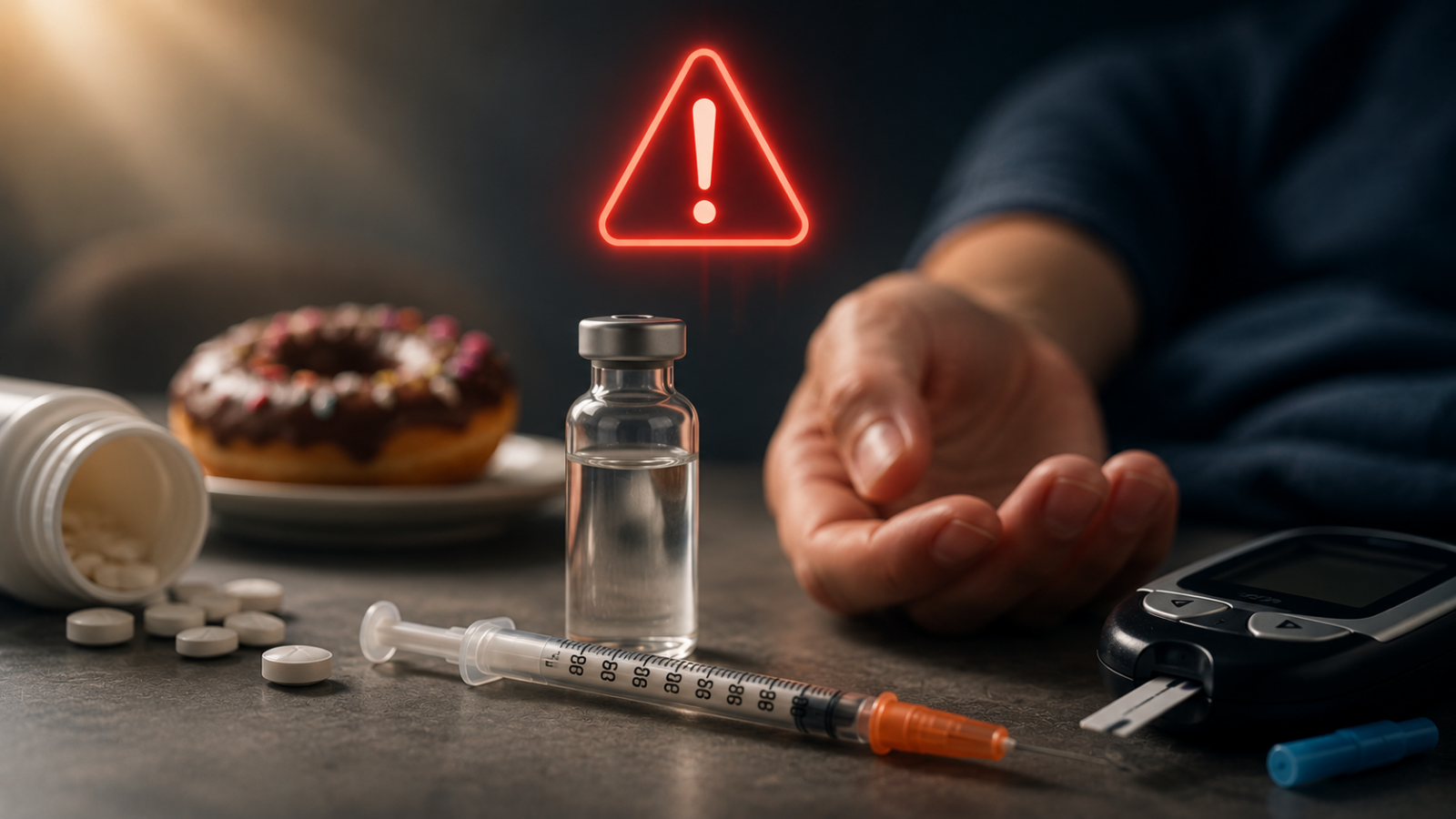
A significant point of confusion, and a factor that likely contributed to the young man’s fatal decision, is the differing mechanisms of treatment for Type 1 and Type 2 diabetes. Oral diabetes medications, the type the young man resorted to, are designed and formulated specifically for Type 2 diabetes.
"Oral diabetes medicines are designed mainly for Type 2 diabetes, where the body still produces some insulin, but it’s either not enough or the body doesn’t use it effectively," Dr. Kovil clarifies. "In Type 1 diabetes, the problem is a complete or near-complete absence of insulin production by the pancreas. Therefore, oral medications, which work by either increasing insulin production, improving insulin sensitivity, or slowing down glucose absorption, simply cannot compensate for the missing hormone."
He elaborates on this critical distinction: "There is simply no insulin for tablets to work with. Only injected or infused insulin can replace this missing hormone." When insulin is absent, glucose remains inaccessible to the cells, and the dangerous cycle of ketone production begins, leading to the rapid onset of DKA. The borrowed oral pills were, in essence, useless in addressing the fundamental lack of insulin in his system.
The Perilous Pace of DKA: How Quickly Can Missing Insulin Become Life-Threatening?
Unlike the gradual progression of long-term diabetic complications such as retinopathy (eye damage) or nephropathy (kidney damage), diabetic ketoacidosis can develop with alarming speed. This starkly contrasts with the common perception of diabetes as a slow-acting disease.
"Diabetic ketoacidosis can develop surprisingly fast, and become life-threatening within hours to one or two days," Dr. Kovil warns. The exact timeline can vary depending on individual factors, including the presence of illness, dehydration levels, and the extent of insulin missed. "Blood sugar rises rapidly, ketones accumulate, and dehydration worsens if insulin is not replaced," he adds.
The X post by Dr. Bordoloi powerfully articulated this rapid descent: "We all think diabetes is a slow killer. A disease that takes decades to damage your eyes and kidneys. But one attempt to outsmart his diagnosis killed him overnight." This sentiment is echoed by Dr. Kovil’s explanation that even a short interruption in insulin delivery—whether due to missed injections, pump malfunctions, or deliberate cessation—requires immediate attention and often ketone testing. "That is why Type 1 diabetes is considered an insulin-dependent condition," he stresses.
Decoding the Warning Signs: Fruity Breath and Deep Breathing as Alarms
The symptoms observed in the 26-year-old man – the fruity-smelling breath and deep, heavy breathing – are classic indicators of DKA and serve as urgent alarm bells for medical intervention.
"The fruity or nail-polish-remover smell comes from acetone, one of the ketones produced when fat is broken down for energy," Dr. Kovil explains. This distinctive odour is a direct consequence of the body’s metabolic shift in the absence of insulin.
He further clarifies the significance of the breathing pattern: "The deep, heavy breathing – known as Kussmaul breathing – is the body’s attempt to remove excess acid by breathing out carbon dioxide." This is the body’s desperate mechanism to try and counteract the dangerously acidic state of the blood.
"Together with dehydration and altered consciousness, these symptoms indicate a medical emergency requiring immediate hospital treatment with intravenous fluids, insulin, and electrolyte replacement," Dr. Kovil emphasizes. Prompt recognition and immediate medical attention are paramount in managing DKA and preventing irreversible damage.
Recognizing the Red Flags: Warning Signs of Diabetic Ketoacidosis
Dr. Kovil provides a crucial list of warning signs that necessitate immediate emergency medical care for individuals with Type 1 diabetes:
- Persistent nausea and vomiting: The body’s inability to keep down fluids exacerbates dehydration and can be a sign of impending DKA.
- Abdominal pain: This can be a severe symptom of DKA.
- High blood sugar levels: Consistently elevated blood glucose readings, especially above 250 mg/dL, should be monitored closely.
- Presence of ketones in urine or blood: This is a direct indicator of fat breakdown and potential DKA.
- Deep, rapid breathing (Kussmaul breathing): The body’s attempt to expel excess acid.
- Fruity-smelling breath: A characteristic sign of acetone, a ketone.
- Confusion, drowsiness, or altered mental state: As DKA progresses, it can affect brain function.
- Weakness and lethargy: A general feeling of extreme fatigue.
- Flushed face: Another potential indicator of the body’s struggle.
- Dehydration: Signs include dry mouth, sunken eyes, and decreased urination.
"Patients should never wait if ketones are positive, vomiting persists, breathing becomes abnormal, or they cannot keep fluids down," Dr. Kovil stresses. "Immediate emergency care is essential because DKA can progress rapidly and is potentially fatal if treatment is delayed."
Addressing Treatment Fatigue: Navigating Lifelong Insulin Management
Living with Type 1 diabetes is a lifelong commitment that can, understandably, lead to fatigue and emotional exhaustion. The desire to escape the daily burden of injections, as seen in the tragic case, is a sentiment that healthcare providers acknowledge. However, Dr. Kovil is adamant that stopping insulin is never the solution.

"Feeling overwhelmed is understandable, but stopping insulin is never the answer," he states firmly. He highlights that significant advancements have been made in diabetes management, making the process considerably simpler and less burdensome than in the past.
"Diabetes management has become much easier," Dr. Kovil assures. "Insulin pens offer a more convenient and often less painful way to administer insulin compared to traditional syringes. Continuous glucose monitors (CGMs) provide real-time glucose readings, reducing the need for frequent finger pricks and allowing for better data-driven management. Insulin pumps offer a more sophisticated approach, delivering insulin continuously and allowing for adjustments based on meals and activity levels. Hybrid closed-loop systems, often referred to as artificial pancreas technology, further automate insulin delivery, significantly reducing the day-to-day management burden."
He reiterates the core message: "The goal is to simplify diabetes management, not stop insulin." The availability of once-weekly basal insulin in India offers a significant convenience for long-acting insulin needs, although mealtime insulin still requires short-acting formulations. Inhaled insulin is also an option for some individuals, but it is generally not recommended during periods of illness or when DKA is a risk.
The Unwavering Truth: Can Someone with Type 1 Diabetes Ever Stop Taking Insulin?
The answer to this critical question is a resounding "no." While some individuals diagnosed with Type 1 diabetes may experience a temporary "honeymoon phase" shortly after diagnosis, during which their pancreas still produces small amounts of insulin, this phase is transient.
"The simple answer is no," the diabetologist clarifies. "Although some people experience a temporary ‘honeymoon phase’ soon after diagnosis, when the pancreas still produces small amounts of insulin, insulin should never be stopped without specialist supervision."
Dr. Kovil issues a stern warning: "Never stop insulin—not even for a single day—without medical advice." He emphasizes that while high blood sugar levels can often be managed and monitored, the complete absence of insulin is an immediate life-threatening situation.
For individuals living with Type 1 diabetes, understanding the warning signs of DKA, diligently checking ketones during periods of illness or unexplained high blood sugar, and seeking emergency care without delay are not merely recommendations; they are essential practices for survival.
"For people with Type 1 diabetes, insulin is the difference between life and death," Dr. Kovil concludes, underscoring the profound and non-negotiable importance of this life-sustaining medication. The tragic case from Assam serves as a potent, albeit heartbreaking, reminder of this fundamental medical reality.
Disclaimer: This article is based on information from the public domain and expert interviews. It is intended for informational purposes only and does not constitute medical advice. Always consult with a qualified healthcare professional before making any decisions related to your health or treatment.
