

Main Facts: A Convergence of Heritage and Spirit
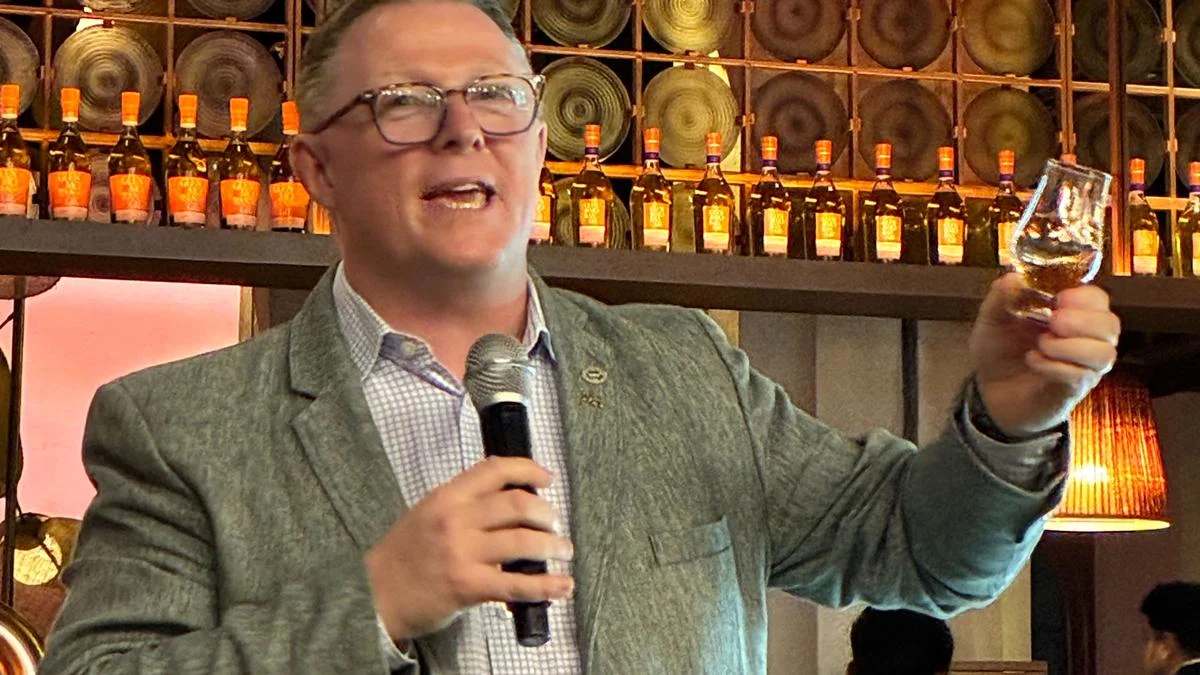
On the evening of June 11, the burgeoning luxury spirits landscape of Kolkata witnessed a significant cultural milestone. Hosted at Olterra, a sprawling Greek-themed bar and microbrewery in the heart of the city, Glenmorangie and Moët Hennessy India presented "Cask and Conversation." This exclusive masterclass was led by David Blackmore, the Global Brand Ambassador for two of Scotland’s most storied distilleries: Glenmorangie and Ardbeg.
The event was far more than a standard promotional tasting; it was a sensory exploration of "bottled patience." As the Indian market continues its aggressive pivot toward premium single malts, the presence of a global figure like Blackmore signifies the growing importance of Kolkata as a hub for connoisseurs. The evening featured a curated selection of expressions, ranging from the bright, floral notes of the Highlands to the rugged, peaty depths of Islay, showcasing the diversity of the Moët Hennessy portfolio.
The core objective was to demystify the aging process and highlight the "slow work of time"—the invisible hand that transforms raw spirit into complex liquid gold. By bringing together industry experts and local enthusiasts, the event underscored a shift in Indian drinking culture: a move away from volume-based consumption toward an appreciation of craftsmanship, terroir, and maturation.
Chronology: A Journey Through the Casks
The evening unfolded as a structured narrative, designed to guide the palate from the approachable and vibrant to the complex and challenging.

The Highland Prelude: Glenmorangie 12-Year-Old
The journey commenced with the Glenmorangie 12-Year-Old, a quintessential representation of the "house style." As the humidity of a Kolkata summer evening lingered outside, the indoor atmosphere was transformed by the bright citrus and vanilla aromas of the spirit. Blackmore introduced this expression as the foundation of the Glenmorangie identity—a spirit defined by the distillery’s signature tall stills, which produce a lighter, more elegant spirit.
The Evolution: Lasanta 15-Year-Old
The middle of the evening saw the unveiling of the Lasanta 15-Year-Old. This particular segment of the tasting focused on the art of "finishing." Attendees learned how the spirit spent 12 years in American oak ex-bourbon casks before being transferred to Spanish Oloroso and Pedro Ximénez sherry casks for an additional three years. The result was a deeper, sunset-hued liquid that offered notes of dark chocolate, hazelnut, and orange marmalade—a stark contrast to the 12-year-old.
The Pinnacle: Glenmorangie 18-Year-Old
The climax of the Highland portion of the evening was the 18-Year-Old expression, often referred to as "Extremely Rare." Blackmore described this as a "more complex sibling" to the original. He detailed the meticulous blending process: roughly 70% of the spirit is aged in bourbon casks, while 30% is matured in Oloroso sherry casks. After 18 years, these two streams are reunited to create a balanced, silky texture that Blackmore personally identified as his "desert island" whisky.
The Islay Finale: Ardbeg
The evening concluded with a radical departure from the floral Highlands to the smoky shores of Islay. The Ardbeg tasting served as the "turning point" of the night. Unlike the previous expressions, this was a non-vintage release that prioritized the raw, elemental character of the distillery. The room was filled with the scent of peat smoke, sea spray, and iodine, marking a dramatic end to the chronological progression of flavors.

Supporting Data: The Science of the Spirit
To understand the complexity of the evening, one must look at the technical specifications that define these whiskies. The maturation process is not merely a waiting game; it is a chemical interaction between the spirit and the wood.
The Role of the Stills
Glenmorangie is famous for possessing the tallest stills in Scotland. Standing at 26 feet (the height of an adult giraffe), these long copper necks ensure that only the lightest and purest vapors reach the top to condense. This results in the "fruity and floral" profile that Blackmore emphasized. In contrast, Ardbeg utilizes a purifier on its spirit still, which contributes to its unique balance of heavy peat and surprising fruitiness.
The Chemistry of the Cask
During the "Cask and Conversation" session, the data regarding wood maturation was central. Approximately 60% to 70% of a whisky’s flavor is derived from the cask.
- American Oak (Ex-Bourbon): Provides vanillins, lactones (coconut notes), and a creamy texture.
- Spanish Oak (Ex-Sherry): Contributes tannins, dried fruit notes, and deep color.
The Lasanta 15-Year-Old’s three-year "finish" in sherry wood is a prime example of how secondary maturation can completely alter the spirit’s chemical and sensory profile.
The Peat Factor
The Ardbeg expression brought the discussion to "Phenol Parts Per Million" (PPM). Ardbeg is known for having a high PPM (usually around 50-55), which accounts for the intense smokiness. However, the supporting data of the distillation process shows that despite the high peat, the spirit remains sweet due to the specific shape of the stills, a technical paradox that fascinated the Kolkata audience.

Official Responses: Insights from the Global Ambassador
David Blackmore’s commentary throughout the evening provided an "official" perspective on the brand’s philosophy and the wider industry. His approach was one of accessibility rather than elitism.
"Very fruity floral spirit, this is the house style—coconut, vanilla, citrus, orange—delicious and recognisable Glenmorangie," Blackmore noted during the opening tasting. His remarks aimed to give the audience a vocabulary for their sensory experience, reinforcing the idea that whisky is a language of its own.
Addressing the age-old debate on how to drink single malt, Blackmore provided an expert’s blessing on personal preference: “If you like to add a dash of water to the whisky, that’s great, it will open the whisky up and blossom a little. I recommend trying it neat and then adding a dash of water.” This response highlights Moët Hennessy’s broader strategy: making luxury spirits approachable to a new generation of drinkers who may find traditional "neat-only" rules intimidating.
Regarding the 18-Year-Old, Blackmore’s endorsement was personal: “It sat in the dark in a barrel for 18 years just for this moment, for you to drink it.” This sentiment encapsulates the brand’s commitment to the long-term investment required for premium Scotch.

Implications: The Indian Single Malt Renaissance
The "Cask and Conversation" event in Kolkata has several far-reaching implications for the spirits industry in India.
1. The Maturity of the Indian Palate
The fact that a global brand ambassador chose Kolkata for a high-level masterclass indicates that the Indian consumer is no longer seen just as a buyer of "standard" Scotch, but as a sophisticated enthusiast capable of appreciating nuanced differences in cask finishes and regional terroirs. The reception of Ardbeg—an "acquired taste" according to Blackmore—suggests that Indian drinkers are increasingly adventurous, moving toward bolder, peated profiles.
2. Strategic Localization of Luxury
By hosting the event at Olterra, a local landmark, Moët Hennessy India is practicing "glocalization." They are bringing global luxury standards into local spaces, creating a community of brand advocates. This strategy is essential in a market like India, where alcohol regulations vary by state and brand loyalty is built through experiential marketing rather than traditional advertising.
3. The Economic Shift Toward Premiumization
The emphasis on 15 and 18-year-old expressions reflects a broader economic trend in the Indian beverage sector: premiumization. As disposable income rises among the urban middle and upper classes, there is a clear trend of "drinking less, but drinking better." The success of such events paves the way for even more "Extremely Rare" and limited-edition releases to enter the Indian market.

4. Educational Empowerment
The evening proved that education is the most effective tool for brand building in the spirits industry. By explaining the "why" behind the flavor—the wood, the time, the weather of the Highlands versus Islay—Glenmorangie is not just selling a bottle; they are selling a story. This educational approach ensures that when a consumer stands before a retail shelf, they make an informed choice based on the craftsmanship they have witnessed firsthand.
In conclusion, the gathering at Olterra was a testament to the fact that while whisky requires years of patience in a dark warehouse, the reward is a bridge between cultures. For the people of Kolkata, the evening was a reminder that some of the best things in life cannot be rushed—they must be distilled, aged, and eventually, shared.
