

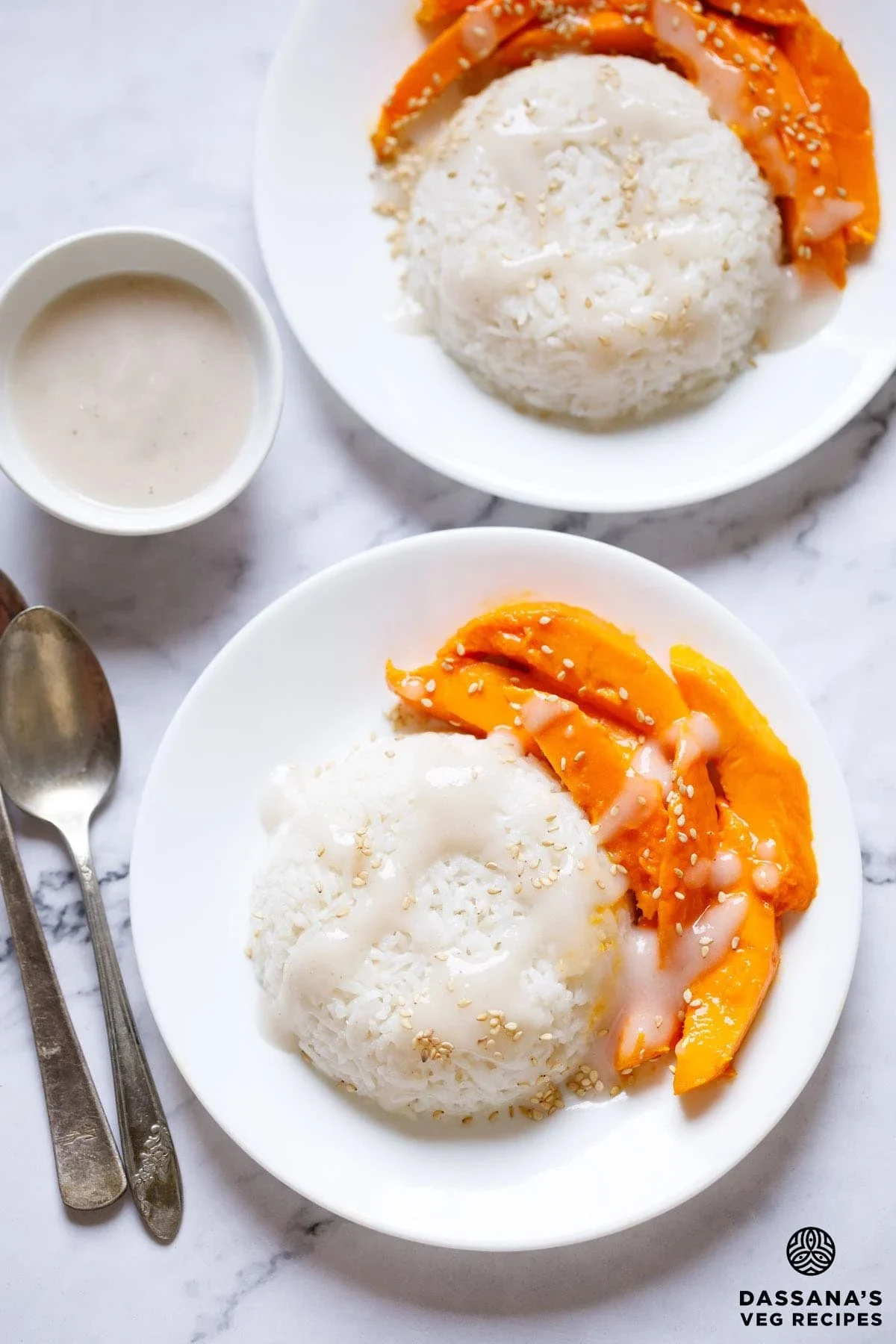
BANGKOK — In the pantheon of global desserts, few dishes manage to bridge the gap between humble street food and high-end culinary art as seamlessly as Thai Mango Sticky Rice. Known locally as Khao Niao Mamuang, this dish has evolved from a seasonal domestic staple into a global phenomenon, representing the pinnacle of Thailand’s "gastro-diplomacy."

The dish, characterized by its contrast of temperatures, textures, and flavors—salty and sweet, creamy and chewy—serves as a masterclass in balanced composition. As mango season reaches its peak, culinary experts and home cooks alike are revisiting the traditional techniques that define this iconic dessert.

Main Facts: The Composition of a Cultural Icon
At its core, Mango Sticky Rice is a deceptively simple assembly of four primary components: Thai glutinous rice, coconut milk, ripened mangoes, and a salted coconut reduction. However, the simplicity of the ingredient list belies the precision required in its execution.

The Science of Glutinous Rice
Contrary to its name, "glutinous" rice contains no gluten. The term refers to the rice’s "glue-like" or sticky quality, which is a result of its unique starch profile. Unlike standard long-grain rice, which contains both amylose and amylopectin, glutinous rice is almost entirely composed of amylopectin. When steamed, these starch molecules break down into a sticky, translucent matrix that provides the signature "chew" or al dente texture essential to the dish.

The Role of Seasonality
While modern logistics allow for year-round mango availability, the dish is historically and culturally tied to the Thai summer (typically April and May). During this period, varieties such as the Nam Dok Mai (noted for its floral aroma and lack of fiber) and the Ok Rong (prized for its extreme sweetness) reach their peak. The dish serves as a seasonal celebration, utilizing the fruit at its most succulent state to offset the richness of the coconut-infused grains.

Flavor Balancing
The hallmark of authentic Khao Niao Mamuang is the interplay between the sweetness of the fruit and a distinct, underlying saltiness in the coconut sauce. This saltiness is not a mistake; it is a deliberate culinary lever used to enhance the perception of sweetness and prevent the palate from becoming fatigued by the heavy fats in the coconut milk.

Chronology: The Traditional Preparation Process
The creation of Mango Sticky Rice is a multi-stage process that requires patience and foresight. According to traditional Thai methods, the preparation can be broken down into several critical phases.

Phase I: Preparation and Hydration
The process begins long before the stove is lit. One cup (approximately 200 grams) of Thai sticky rice must be meticulously rinsed. In professional kitchens, the rice is washed three to four times until the runoff water transitions from a milky white to a clearer hue. This removes excess surface starch that would otherwise cause the rice to become "gummy" rather than "sticky."

Hydration is the next critical step. A one-hour soak in hot water is often used for modern convenience, though many traditionalists insist on a room-temperature soak of four to six hours, or even overnight. This ensures that the heat during steaming can penetrate to the center of each grain evenly.

Phase II: The Steaming Ritual
Unlike Jasmine rice, which is boiled, glutinous rice must be steamed to maintain its structural integrity. The rice is spread evenly over a muslin cloth-lined perforated steamer. This setup allows steam to circulate through the grains without them coming into direct contact with boiling water, which would degrade the texture.

The steaming typically lasts between 20 to 22 minutes over medium-high heat. The objective is a grain that is glossy and translucent, with no opaque or hard center.

Phase III: The Coconut Infusion
The most delicate stage involves "marrying" the hot rice with the coconut milk. While the rice steams, a mixture of thick coconut milk, sugar, and salt is heated gently. It is imperative that this mixture does not reach a boil, as excessive heat can cause the coconut oil to separate, resulting in a greasy texture.

Once the rice is removed from the steamer, it is immediately folded into the warm coconut milk. The rice is then covered and allowed to rest for 15 to 20 minutes. During this "resting" period, the rice grains act as sponges, absorbing the sweetened coconut fats while the starches set, creating a moist, tender consistency.

Phase IV: The Final Reduction and Assembly
The remaining coconut mixture is thickened with a slurry of tapioca or cornstarch to create a viscous sauce. This is drizzled over the rice and fresh mango slices just before serving. The final touch is often a garnish of toasted sesame seeds or crispy fried mung beans, providing a necessary textural "crunch" to contrast the soft fruit and rice.

Supporting Data: Nutritional and Chemical Profile
To understand the impact of Mango Sticky Rice on the diet and the food industry, one must look at the data. A standard serving (approximately 4 portions per recipe) carries a significant caloric and nutritional load.

Nutritional Breakdown (Per Serving)
- Calories: 398 kcal
- Carbohydrates: 67g (primarily from the rice and fruit sugars)
- Fats: 13g (largely saturated fats from the coconut milk)
- Sugar: 23g
- Vitamin C: 38mg (providing over 60% of the daily recommended intake)
- Potassium: 339mg
Chemical Interaction
The inclusion of salt (approximately 163mg per serving) serves a dual purpose. Beyond flavor, sodium ions interact with the glucose in the mango and the sucrose in the sauce, suppressing bitterness and enhancing the brain’s perception of sweetness. Furthermore, the medium-chain triglycerides (MCTs) found in coconut milk provide a rapid energy source, though the high glycemic index of the sticky rice suggests the dish is best consumed as an occasional indulgence.

Official Responses: Culinary and Cultural Perspectives
The rise of Mango Sticky Rice has prompted responses from both the culinary establishment and governmental bodies in Southeast Asia.

The "Milli" Effect and Gastro-diplomacy
In 2022, after Thai rapper Milli ate a bowl of Mango Sticky Rice on stage at the Coachella Valley Music and Arts Festival, global interest skyrocketed. The Thai Ministry of Culture subsequently considered proposing the dish for UNESCO’s Intangible Cultural Heritage list.

"Mango Sticky Rice is more than a dessert; it is a symbol of Thai hospitality and agricultural prowess," a representative from the Department of Cultural Promotion stated. "It represents our ability to take simple products of the land—rice, coconut, and fruit—and elevate them through technique."

Culinary Experts on Authenticity
Professional chefs emphasize the importance of the rice variety. While Jasmine rice is often suggested as a substitute in Western kitchens, purists argue that the results are fundamentally different. "Jasmine rice is beautiful, but it lacks the tensile strength of glutinous rice," says Chef Dassana, a prominent figure in Indian-Thai fusion cuisine. "If you cannot find Thai glutinous rice, you are making a rice pudding, not Khao Niao Mamuang."

Implications: The Globalization of Street Food
The transition of Mango Sticky Rice from the streets of Bangkok to the menus of Michelin-starred restaurants in New York and London has several long-term implications for the food industry and agricultural sectors.

Economic Impact on Mango Farming
The global demand for "dessert-grade" mangoes has placed a premium on specific Thai varieties. This has encouraged farmers to adopt more sophisticated ripening and transport technologies to ensure that fruit arriving in international markets maintains the specific sugar-to-acid ratio required for the dish.

The Evolution of the Recipe
As the dish travels, it adapts. We are seeing the emergence of vegan variations (which the dish naturally is, provided refined sugar is processed without bone char) and low-glycemic versions using black sticky rice or alternative sweeteners. While these variations offer inclusivity, they also spark debates about the preservation of traditional methods versus the necessity of culinary evolution.

Accessibility and Education
The proliferation of detailed, step-by-step home recipes—such as the one outlined in this report—demystifies "exotic" cuisines. By teaching home cooks the importance of the muslin cloth or the specific soaking times, the culinary community ensures that the integrity of the dish is maintained even thousands of miles from its origin.

Conclusion
Mango Sticky Rice stands as a testament to the power of texture and the elegance of balanced flavors. Whether served in a plastic container on a humid Bangkok street corner or presented on fine china in a high-rise restaurant, its appeal remains universal. As culinary techniques continue to be shared across borders, the dish serves as a reminder that the most enduring flavors are often those that respect the natural properties of the ingredients and the traditions of the people who first brought them together.
