

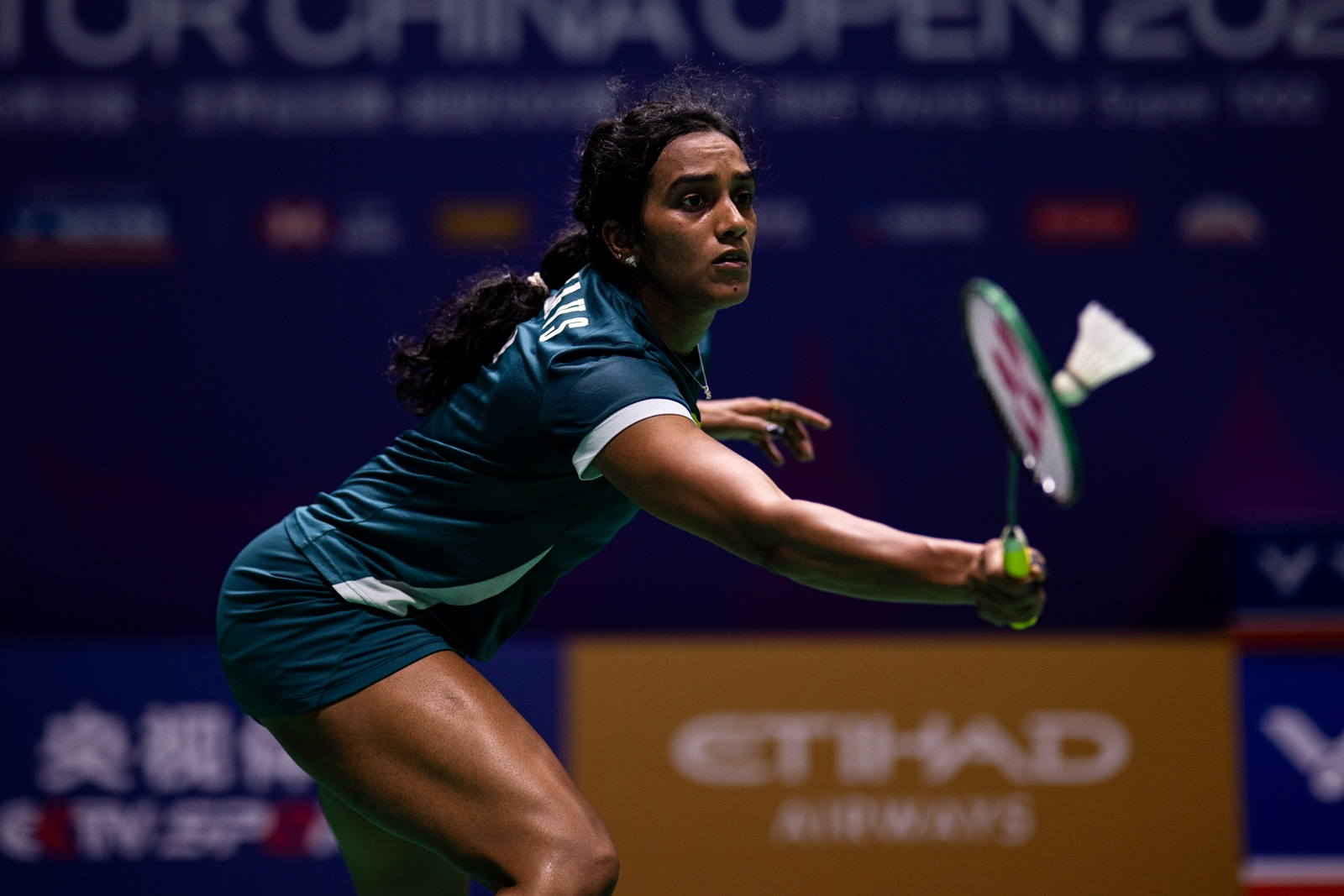
Zhangjiagang, China – July 22, 2026 – Indian badminton’s rising stars and seasoned veterans delivered a powerful statement on the opening day of the prestigious China Open Super 1000, as Ayush Shetty, Lakshya Sen, and PV Sindhu all navigated their challenging first-round encounters with a blend of tactical brilliance and sheer grit. The victories, particularly Shetty’s against a formidable Indonesian rival, have set a thrilling precedent for the Indian contingent at one of the sport’s most coveted tournaments, hinting at a potential deep run for the nation’s top shuttlers.
The Super 1000 event, renowned for its immense prize money, crucial ranking points, and the calibre of its participants, witnessed a remarkable display of talent from the Indian camp. Young sensation Ayush Shetty orchestrated a surprisingly comfortable 21-17, 5-21, 21-17 victory over Indonesia’s much-touted Alwi Farhan, securing his passage into the second round. Meanwhile, Lakshya Sen demonstrated his fighting spirit to overcome Japan’s Yushi Tanaka in a three-set thriller, 22-20, 15-21, 21-14. Not to be outdone, Japan Open winner PV Sindhu commenced her campaign with a compelling win against compatriot Unnati Hooda, avenging a prior defeat with a 21-14, 9-21, 21-10 scoreline. These results have injected significant confidence into the Indian squad, establishing them as serious contenders in the demanding draw.
Chronology of Triumphs: A Day of High Stakes and Stellar Performances
The first day of the China Open Super 1000 was a testament to the evolving landscape of Indian badminton, showcasing a blend of emerging power and established prowess. Each match, laden with its own narrative and challenges, contributed to a compelling opening act for the Indian shuttlers.
Ayush Shetty’s Breakthrough Against Farhan: A Rivalry Reignited
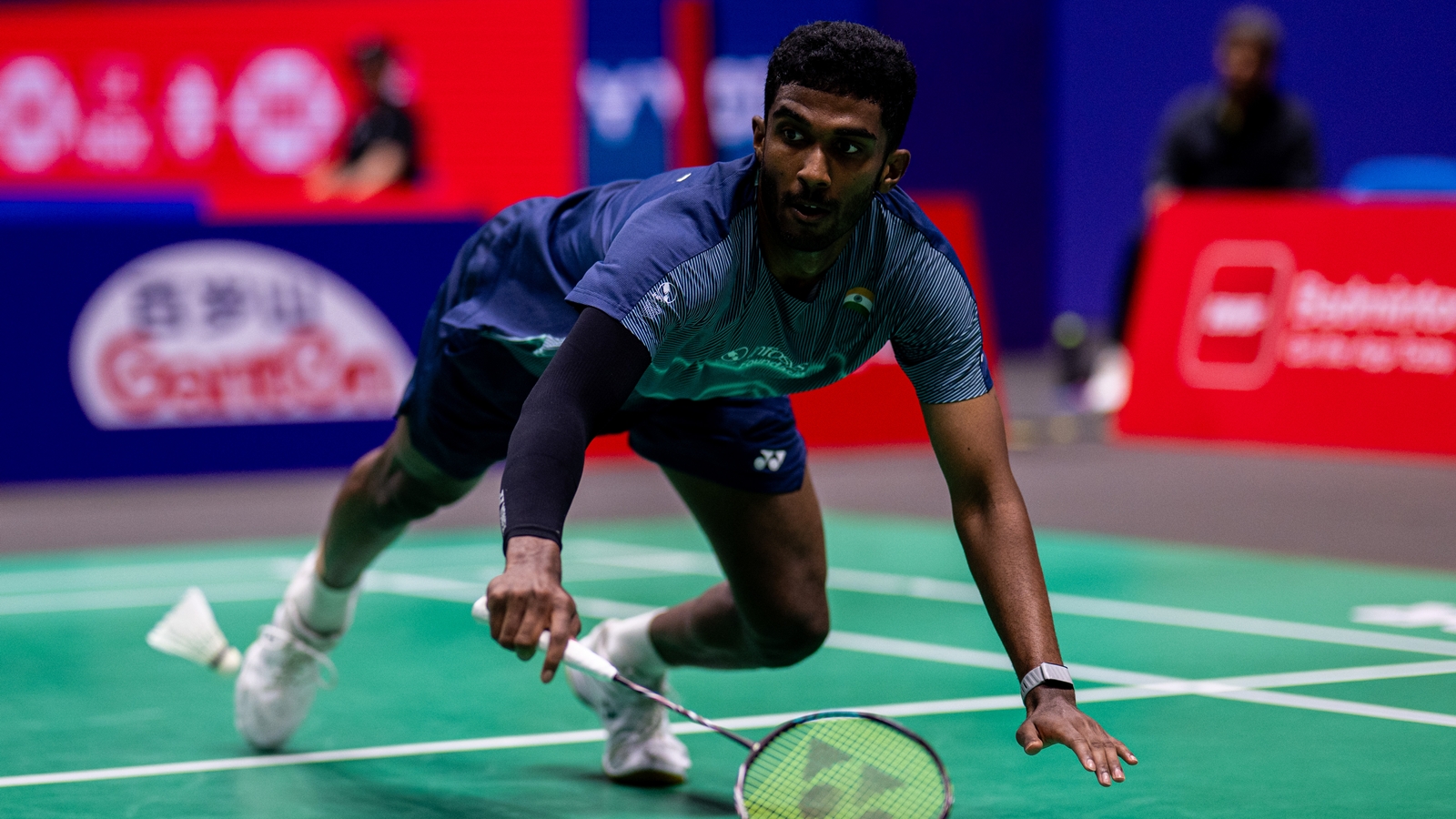
The spotlight first fell on Ayush Shetty, the 21-year-old Indian prodigy, whose encounter with Indonesia’s Alwi Farhan was anticipated with keen interest. Both players, born in the same year and part of the heralded 2022 World Junior Championships batch, represent the future vanguard of men’s singles badminton. Farhan, already boasting two titles this season and widely acknowledged as Indonesia’s next big hope, entered the match with superior current form. Shetty, ranked World No. 23, conversely, was still searching for his elusive "big one" title, making this Super 1000 stage an opportune moment to make a significant statement.
The match unfolded with a fascinating dynamic. Shetty started strong, demonstrating a newfound maturity and controlled aggression that belied his previous struggles against Farhan. His 21-17 win in the opening game was a clear indicator of his intent and tactical discipline. However, the second game saw a dramatic shift. Farhan, renowned for his tenacity, unleashed a barrage of sharp attacks and precise net play, catching Shetty off guard and leveling the score with a dominant 5-21 performance. This sudden dip could have been demoralizing for a younger player, but Shetty, learning from past experiences, regrouped effectively.
In the decider, Shetty demonstrated remarkable composure. He recalibrated his strategy, tightening his defence and picking his attacking opportunities with greater precision. The final game, a hard-fought 21-17, saw Shetty maintain a crucial lead, denying Farhan any significant window for a comeback. This victory was not merely about advancing to the second round; it was a psychological triumph. Shetty had not beaten Farhan since 2023, and overcoming such a formidable rival on a Super 1000 stage provides an immense confidence boost, potentially marking a pivotal moment in his burgeoning career. The "remarkably comfortable" nature of the win, despite the second-set blip, highlighted his ability to control the crucial phases of the match.
Looking ahead, Shetty faces Nhat Nguyen, the "pokey tricky Irishman," in the second round. Nguyen, known for his unpredictable style and ability to disrupt rhythm, will present a different challenge, demanding further tactical adaptation from the young Indian. This progression is vital for Shetty, who, as senior sports journalist Shivani Naik noted in a recent article, is part of the "age of Hulks in Indian badminton," characterized by power and physicality. His performance against Farhan certainly showcased this blend of strength and strategic acumen.
Lakshya Sen’s Gritty Battle: Overcoming Adversity, Eyeing Redemption
Lakshya Sen’s opening match against Japan’s Yushi Tanaka was a testament to his fighting spirit, though it also highlighted a familiar pattern of slow starts to tournaments. Sen, currently World No. 14, secured a hard-fought 22-20, 15-21, 21-14 victory, but not without navigating some perilous moments, particularly in the opening set. He had contrived to make a 17-14 lead "needlessly adventurous," allowing Tanaka to claw back and push the set to deuce before Sen ultimately prevailed. The second set saw Tanaka capitalize on Sen’s inconsistency, taking it comfortably, before the Indian star found his rhythm and closed out the decider.
This tendency for a "slow start" has been a recurring theme in Sen’s recent campaigns, often forcing him to expend extra energy in early rounds. However, his ability to grind out wins, even when not at his absolute best, speaks volumes about his mental fortitude. The path ahead promises to be even more challenging, as he is slated to face Canadian Victor Lai in Round 2.
The Sen-Lai rivalry is one marked by memorable encounters, despite their 1-1 head-to-head record. As the article notes, "had badminton been at the Commonwealth Games, Lai would’ve fought Sen hard for the gold." This hypothetical underscores the intensity and quality of their previous matches. Lai, who recently clinched a Super 1000 title in Indonesia and subsequently broke into the Top 10, is currently enjoying a career-high. Sen, on the other hand, has seen his ranking slip to World No. 14, making this match a crucial opportunity for him to reassert his dominance and climb back up the rankings ladder.
Sen has openly prioritized big events, and the China Open Super 1000 offers a prime opportunity to join the illustrious company of Saina Nehwal, Kidambi Srikanth, and PV Sindhu as the only Indians in singles to win this prestigious title. However, Lai, described as a "relentless retriever and snappy attacker," will not make it easy. While Sen possesses a "more rounded game," Lai’s expansive smashes and aggressive style have, at times, managed to get "into his head," as was evident in the Thomas Cup loss where Sen, despite rallying, couldn’t close out a crucial match against him. The All England semifinals, where Sen emerged victorious in a classic encounter, offers a beacon of hope and a blueprint for success against the Canadian. The draw beyond Lai is even more treacherous, with potential matchups against Loh Kean or Jonatan Christie, making every step a formidable test of skill and mental strength.
PV Sindhu’s Resurgent Campaign: Avenging the Past, Dominating the Present
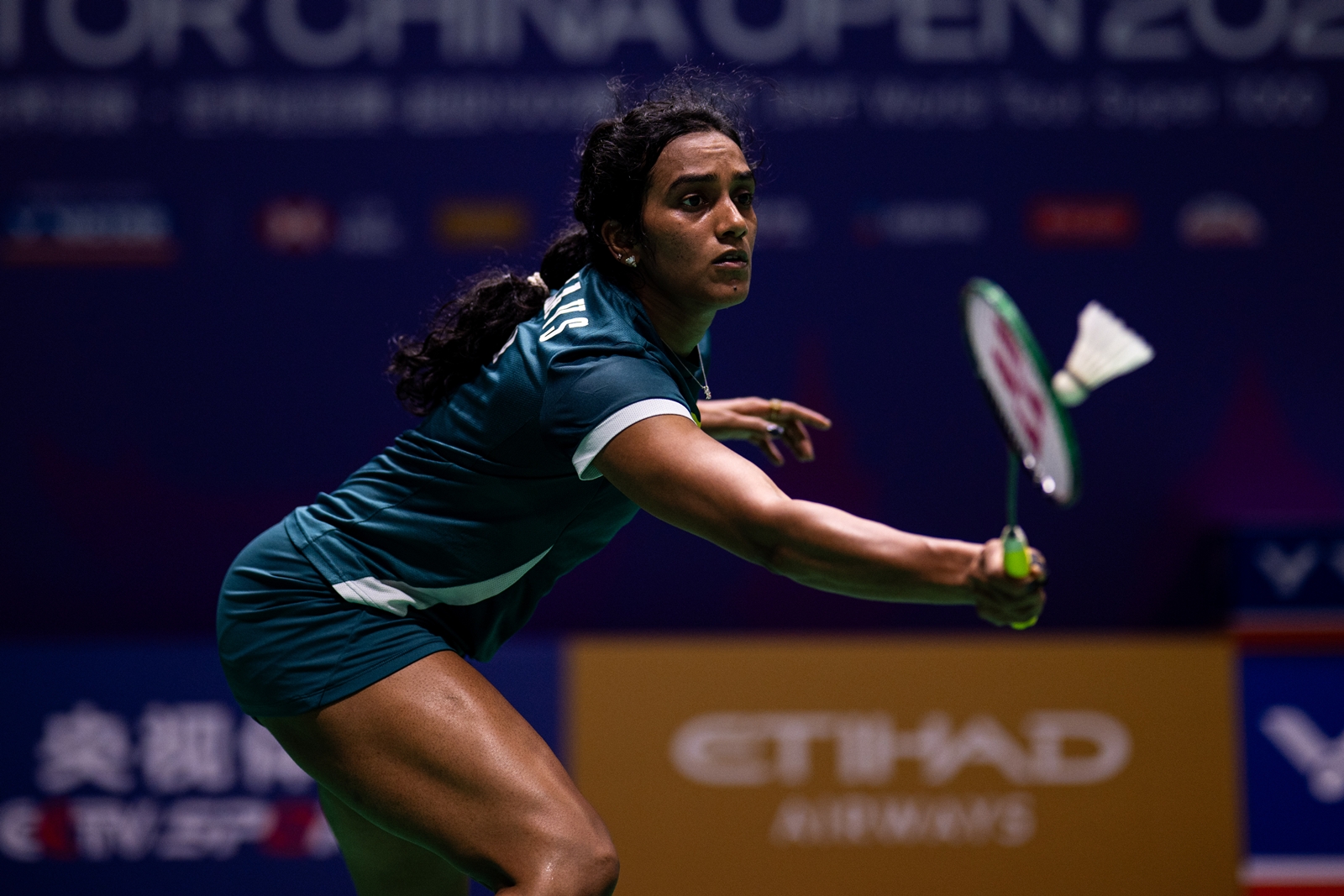
In the women’s singles draw, Japan Open winner PV Sindhu continued her impressive run of form, kicking off her China Open campaign by avenging an "upstart loss" to fellow Indian Unnati Hooda. Hooda had famously beaten Sindhu at the China Open last season, making this first-round encounter a chance for redemption. Sindhu seized the opportunity with a commanding 21-14, 9-21, 21-10 victory, though the scoreline revealed a momentary lapse in the second set.
The match saw two "fairly one-sided sets" dominated by Sindhu, with a "breather set lost in between." This pattern, while securing the win, might raise questions about her consistency within matches, a factor that could be critical in later rounds against top-tier opponents. Nevertheless, her overall control and ability to dictate play were evident.
Sindhu’s immediate next challenge is a highly anticipated clash with China’s Chen Yufei, a match laden with recent history and significant implications. Yufei had retired with hamstring issues against Sindhu just last week, during a period when Sindhu’s "attack had looked terrifying for her opponents." Yufei herself acknowledged Sindhu’s dominance, telling BWF, "I wanted to play at 100%, but Sindhu played very well. Her attack was explosive and I was always defending. I wasn’t comfortable."
The context of Yufei’s current condition is crucial. Her court movements remain "iffy," and there’s a possibility she might still be "tentative" following her hamstring issue. However, playing at home in front of a fervent Chinese crowd presents a different kind of pressure and motivation for Yufei. She might have had more rest, having wrapped up her previous tournament earlier and being "airdropped" into the draw in place of the withdrawn An Se-young. Despite acupuncture and massage not offering full relief last week, the home advantage could inspire a "stronger resolve" in Yufei, setting the stage for a compelling showdown that will test both players’ physical and mental capabilities. Sindhu’s "terrifying attack," a key element of her resurgence, will undoubtedly be her primary weapon against the Chinese star.
Supporting Data: The Stakes and the Context
The China Open, a BWF Super 1000 event, stands as one of the pinnacle tournaments in the global badminton calendar. Its significance extends beyond the substantial prize money; it offers a vast haul of ranking points crucial for players aiming for higher seeding in future tournaments, World Championships, and ultimately, Olympic qualification. For players like Ayush Shetty, a strong performance here can significantly elevate his World No. 23 ranking and establish him as a consistent threat on the senior circuit. For Lakshya Sen, it’s an opportunity to halt his slide and reclaim his spot among the elite, while for PV Sindhu, it’s a chance to consolidate her return to form and reaffirm her status as a global force.
Historically, the China Open has been a challenging fortress for Indian singles players to conquer. Only a select few – Saina Nehwal, Kidambi Srikanth, and PV Sindhu – have managed to lift the singles trophy, making Sen’s aspiration to join this exclusive club particularly noteworthy. The tournament’s rich history and the calibre of past champions underscore the magnitude of the challenge and the prestige associated with a title here.
Shivani Naik, Assistant Editor at The Indian Express and a leading voice in Indian Olympic sports journalism, has extensively covered the evolving narrative of Indian badminton. Her recent analyses, such as "The age of Hulks in Indian badminton is here" (referring to players like Shetty and Sathish Karunakaran) and her tracking of "PV Sindhu’s Resurgence," provide invaluable context to the current performances. Shetty’s victory over Farhan perfectly embodies the "Hulk" narrative, showcasing a blend of power and tactical discipline. Sindhu’s consecutive strong performances align with Naik’s observations on her "sparkle" and technical tweaks under new coaching. These expert insights further enrich the understanding of the underlying trends shaping Indian badminton’s current trajectory.
The BWF World Tour structure, with its tiered events (Super 1000, 750, 500, 300, 100), means that Super 1000s are where the very best compete for the most points and prestige. Success at this level is a definitive marker of a player’s world-class status. For Ayush Shetty, who has been "searching for his big one," a deep run here could be the catalyst for a significant leap in his career. For Sen, it’s about validating his prioritization of major events, and for Sindhu, it’s about sustaining the momentum of her Japan Open triumph.
Official Responses and Player Perspectives
While comprehensive official responses from coaches or team management are not yet available for these opening matches, the players’ performances themselves speak volumes. Chen Yufei’s candid admission to BWF about Sindhu’s "explosive attack" from their previous encounter highlights the profound impact Sindhu’s current offensive game has on her opponents. This direct quote underscores the psychological advantage Sindhu carries into her next match against the Chinese star, especially given Yufei’s ongoing physical concerns.
For Ayush Shetty, his ability to overcome a significant rival he hadn’t beaten in years is a silent testament to his growth and mental fortitude. One could imagine a coach praising his composure in the deciding set after losing the second so heavily, emphasizing his strategic adaptation. Similarly, Lakshya Sen’s gritty win, despite a "slow start," reflects his determination to stay in the fight, a characteristic that his coaching team would undoubtedly commend while simultaneously addressing the need for more consistent early-match form. The stakes are high, and the intensity is palpable, even in these early stages of the tournament.
Implications: A Glimpse into the Future of Indian Badminton
The strong start by Indian shuttlers at the China Open Super 1000 carries significant implications for their individual careers and the broader landscape of Indian badminton.
For Ayush Shetty: His victory over Alwi Farhan is a potential game-changer. It signals his readiness to compete and win against top-tier opponents on the biggest stages. This win will undoubtedly boost his confidence, which is crucial for a young player still finding his footing. A deep run here could propel him into the Top 20, fulfilling Shivani Naik’s prediction that the 20-year-old could "be the headline act in 2026." It positions him as a genuine contender for major titles and strengthens the narrative of India’s "Hulks" emerging on the international scene, providing a powerful complement to the traditional finesse-based Indian style.
For Lakshya Sen: This tournament is a critical juncture. His hard-fought win, while not flawless, keeps his hopes alive of reclaiming his position among the world’s elite. A victory against Victor Lai, followed by potential wins against Loh Kean or Jonatan Christie, would be a monumental statement, proving that he can overcome both tactical and psychological challenges. Such a performance would be instrumental in rebuilding his confidence, improving his ranking, and solidifying his status as a major event player, crucial for the upcoming 2026 Asian Games and beyond. It’s a chance to turn the page on his recent struggles and demonstrate the "more rounded game" he possesses, aiming to finally clinch a China Open title.
For PV Sindhu: Her continued strong form post-Japan Open signals a sustained resurgence. Overcoming Unnati Hooda, especially after a prior loss, reinforces her mental toughness. The upcoming clash with Chen Yufei is a litmus test. A win against a potentially injured but highly motivated Yufei on home soil would not only boost Sindhu’s ranking but also send a clear message about her dominant "terrifying attack" and her ambition to add another Super 1000 title to her glittering resume. Her consistent performance is vital for India’s aspirations in women’s singles and her own late-career peak.
For Indian Badminton as a whole: The collective performance of Shetty, Sen, and Sindhu underscores the depth and evolving strength of the Indian badminton ecosystem. The blend of emerging talent like Shetty with established stars like Sen and Sindhu creates a formidable national contingent. Success at a Super 1000 event is a powerful indicator of a nation’s badminton prowess, attracting further investment and inspiring the next generation of players. These early victories provide a strong foundation for India’s aspirations in upcoming international team events and major championships, cementing their growing reputation as a global force in the sport. The road ahead at the China Open is long and arduous, but India’s shuttlers have certainly laid down a formidable marker.
