

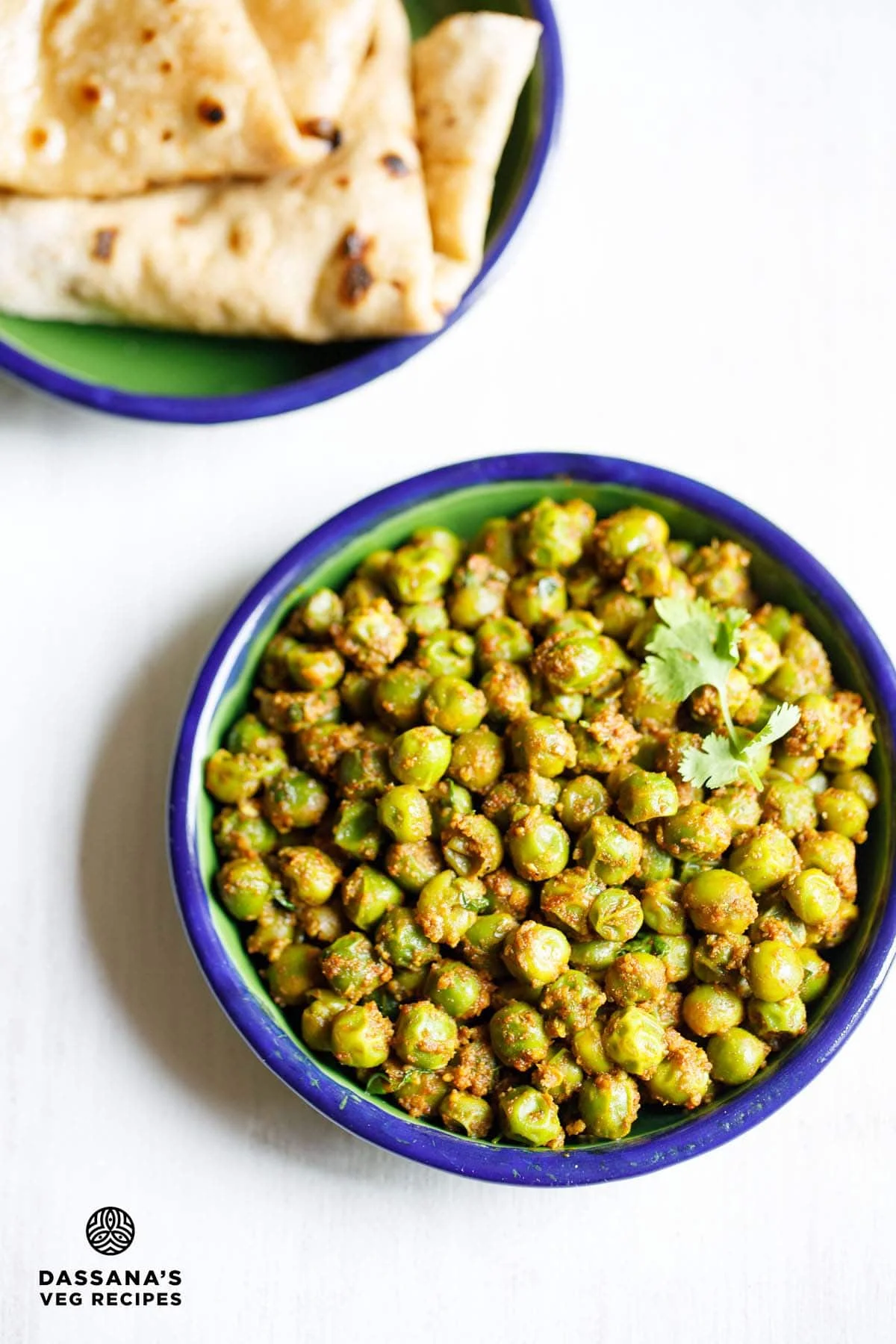
In an era increasingly dominated by complex fusion cuisines and high-tech culinary techniques, a humble North Indian staple is reclaiming its place at the center of the dining table. Matar Ki Sabji—a dry, spiced green pea preparation—represents more than just a side dish; it is a testament to the enduring power of minimalist, home-style cooking. As global dietary trends shift toward plant-based, gluten-free, and clean-label eating, this traditional preparation is being scrutinized by culinary experts and nutritionists alike for its remarkable balance of flavor and functionality.
The Main Facts: Defining the Matar Ki Sabji
At its core, Matar Ki Sabji is a North Indian vegetarian dish characterized by its "Sukhi" (dry) consistency. Unlike the more globally recognized Matar Paneer or Aloo Matar, which swim in heavy tomato-and-onion-based gravies, this version focuses entirely on the integrity of the green pea.

The dish is defined by several key characteristics that align with modern dietary requirements:
- Dietary Inclusivity: It is naturally vegan and gluten-free, making it accessible to a wide demographic of health-conscious consumers.
- Satvic Foundations: The recipe notably excludes onion and garlic. In the Indian culinary tradition, this classifies the dish as Satvic, often preferred during religious festivals or by those following specific yogic diets believed to promote clarity of mind.
- Ingredient Efficiency: Utilizing a handful of "pantry staples"—cumin, turmeric, coriander powder, and dry mango powder—the dish transforms a single primary vegetable into a complex flavor profile.
- Versatility: While it serves as a primary meal when paired with flatbreads like roti or paratha, it also functions as a high-protein side dish in a larger thali (traditional meal platter).
Chronology: The Journey from Field to Plate
The lifecycle of Matar Ki Sabji is deeply tied to the agricultural rhythms of Northern India, though modern preservation techniques have expanded its reach.

1. The Seasonal Sourcing
Historically, this dish was a winter specialty. In the states of Punjab, Haryana, and Uttar Pradesh, the arrival of the first pea harvests in late November signals the beginning of "Sabji season." Fresh peas are prized for their natural sweetness and tender skins, which require minimal cooking time. However, the chronology of the dish has shifted with the advent of flash-freezing technology, allowing for the preparation of Matar Ki Sabji year-round without a significant loss in nutritional value.
2. The Preparation Phase (Steaming)
The modern execution of the dish begins with the careful preparation of the legume. Culinary experts recommend rinsing 1.5 cups of fresh peas and steaming them rather than boiling. This is a critical chronological step to preserve the vibrant chlorophyll (green color) and the water-soluble vitamins. Using a stovetop pressure cooker, the peas are typically steamed for 5 to 6 whistles (approximately 7 minutes) in a heat-proof bowl placed atop a trivet, ensuring they never touch the water directly.

3. The Tempering and Sautéing
Once the peas reach a tender consistency, the "Tadka" or tempering begins. This is a quick-fire process:
- The Sizzle: Oil or ghee is heated over a low flame.
- The Aromatics: Slit green chilies are introduced to infuse the fat with capsaicin and aroma.
- The Spice Infusion: The heat is lowered to prevent burning as turmeric, red chili powder, and coriander powder are added. This stage lasts only about 60 seconds but is vital for "blooming" the spices.
- The Finishing: The steamed peas are tossed in the spice-infused oil. The final additions—salt and amchur (dry mango powder)—provide the essential savory and sour notes that balance the peas’ natural sugars.
Supporting Data: Nutritional and Chemical Analysis
To understand why Matar Ki Sabji is gaining traction in the wellness community, one must look at the empirical data. A standard serving (approximately half the recipe) yields a dense nutritional profile for a relatively low caloric investment.

Macro and Micro-Nutrient Breakdown
Based on a 173-calorie serving, the dish provides:
- Protein: 6g, a significant amount for a vegetable-only dish.
- Fiber: 8g, representing nearly 30% of the recommended daily intake, essential for digestive health.
- Vitamins: It is a powerhouse of Vitamin A (1001 IU) and Vitamin C (47mg), both of which are crucial for immune function.
- Vitamin K: 29µg, vital for bone health and blood coagulation.
The Role of Spices
The supporting data also points to the medicinal benefits of the ingredients used:

- Turmeric (Haldi): Contains curcumin, a potent anti-inflammatory agent.
- Cumin (Jeera): Aids in digestion and may improve blood sugar control.
- Dry Mango Powder (Amchur): Provides a high concentration of antioxidants and Vitamin A without the added moisture of lemon or vinegar.
Official Responses: Culinary and Health Perspectives
While there is no "official" governing body for traditional recipes, culinary historians and nutritionists have weighed in on the significance of this specific preparation method.
The Culinary Historian’s View:
"The Matar Ki Sabji is a masterclass in the ‘No-Onion, No-Garlic’ tradition of the Indo-Gangetic plain," says a spokesperson for the Heritage Food Council. "By removing the pungent base of Allium vegetables, the chef is forced to rely on the quality of the spice blend and the freshness of the produce. It is an honest dish; there is no gravy to hide behind."

The Clinical Nutritionist’s Response:
Health professionals highlight the dish’s low glycemic index. "Because the peas are steamed and then lightly sautéed, they retain their structural integrity," explains a senior dietitian. "This means the fiber remains intact, slowing the absorption of sugar into the bloodstream. It is an ideal recommendation for patients managing Type 2 diabetes who still want to enjoy traditional flavors."
The Modern Chef’s Perspective:
Professional chefs are increasingly adopting the "dry sabzi" technique for commercial lunch-box (Tiffin) services. The lack of gravy makes the dish highly portable and resistant to spoilage, an "official" advantage for the urban workforce seeking healthy, home-cooked alternatives to fast food.

Implications: The Future of Traditional Minimalism
The rise of Matar Ki Sabji carries broader implications for the global food industry and cultural preservation.
1. The ‘Clean Label’ Movement
As consumers become more wary of processed thickeners and artificial flavor enhancers found in restaurant-style curries, the transparency of Matar Ki Sabji is its greatest asset. The recipe uses only whole ingredients, aligning perfectly with the "Clean Label" movement that demands simplicity and recognizable components.

2. Economic and Environmental Sustainability
Green peas are nitrogen-fixing crops, meaning they improve soil health as they grow. Promoting pea-based dishes has positive environmental implications compared to water-intensive or meat-based protein sources. Economically, the dish is highly accessible; even during inflationary periods, the cost per serving of a pea-based meal remains significantly lower than protein-equivalent dairy or meat dishes.
3. Cultural Export and Adaptation
As Indian diaspora communities grow, Matar Ki Sabji is being adapted into western "grain bowls" and "power salads." Its ability to be served hot or cold, and its compatibility with various grains (from traditional roti to modern quinoa), suggests that it will continue to evolve.

4. Educational Value for Younger Generations
For the "Gen Z" and "Alpha" generations, who are often characterized by a lack of time but a high interest in health, this recipe serves as an entry point into traditional cooking. Its "quick-fix" nature (under 20 minutes if using frozen peas) demystifies Indian cuisine, which is often wrongly perceived as universally time-consuming and difficult.
Conclusion
The Matar Ki Sabji is far more than a "simple North Indian dry vegetable dish." It is a intersection of history, nutritional science, and culinary efficiency. By stripping away the complexities of heavy sauces and pungent aromatics, it allows the humble green pea to shine, offering a blueprint for the future of sustainable, healthy, and culturally rich eating. Whether packed in a child’s lunch box or served at a high-end wellness retreat, it remains a quintessential example of how the most basic ingredients can produce the most profound satisfaction.
